Behavior
What are quick tips for managing Great Dane gastrointestinal disorders?
Use slow-feed bowls to prevent rapid eating and ensure consistent meal times. Monitor their diet closely and avoid sudden food changes.

Quick answer
What are quick tips for managing Great Dane gastrointestinal disorders?
Use slow-feed bowls to prevent rapid eating and ensure consistent meal times. Monitor their diet closely and avoid sudden food changes.
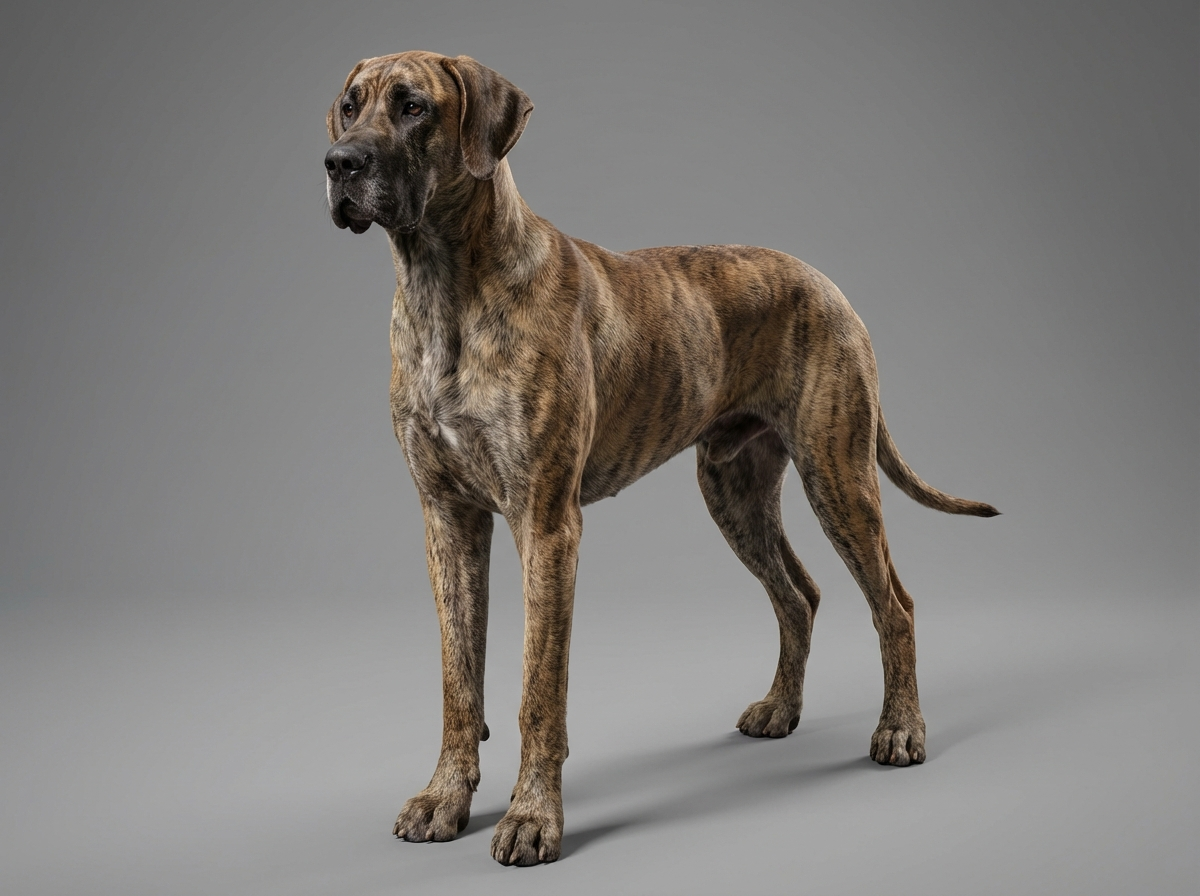
Great Dane gastrointestinal disorders can be serious and impact your dog's quality of life. Understanding these conditions is crucial for their well-being.
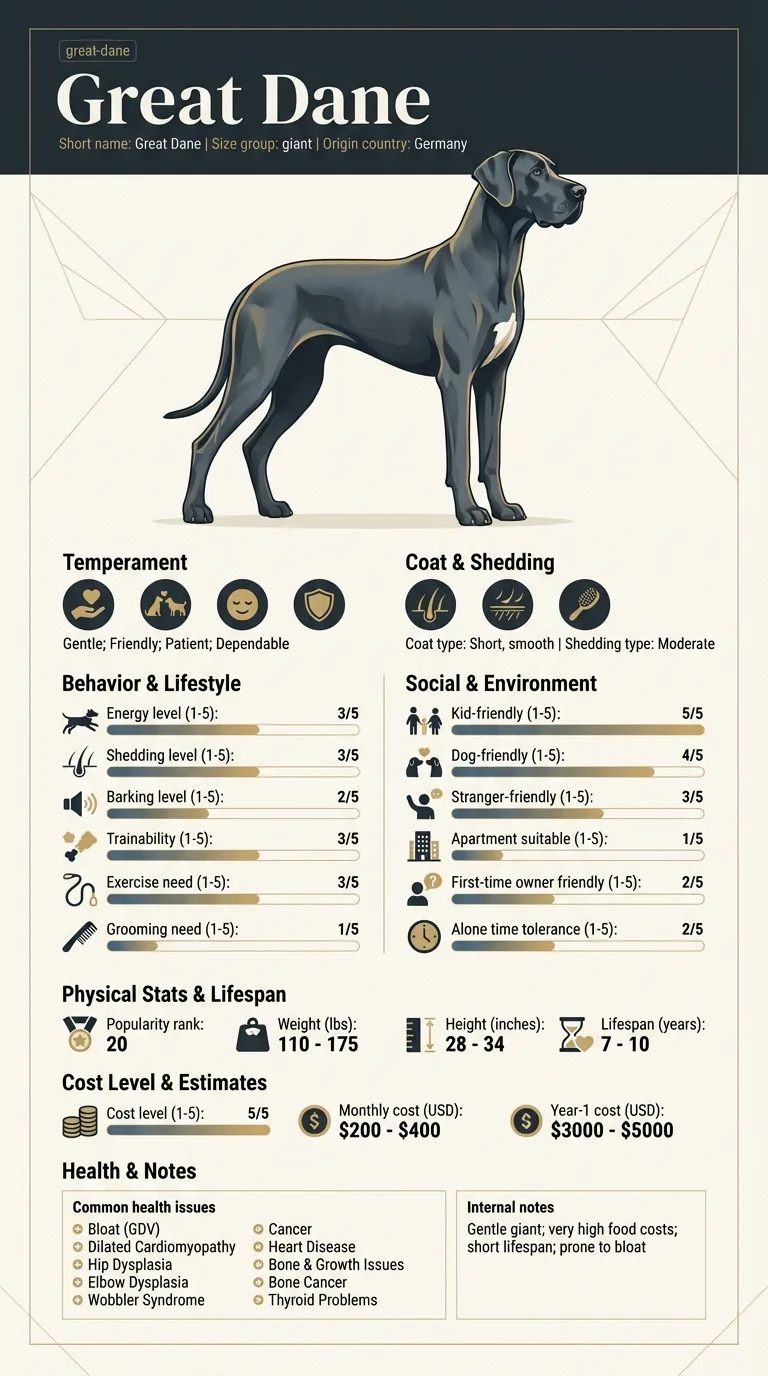
Owners of Great Danes, especially first-time dog parents, often struggle with these gastrointestinal issues. They may feel overwhelmed by the dog's size and the specific care needed for these disorders.
This guide is not medical advice. If your dog shows pain, sudden behavior change, or worsening symptoms, consult a licensed veterinarian.
Some links may be affiliate links. We may earn a commission at no extra cost to you. We only suggest products we believe are helpful for dog owners.
We research and check what we publish, but we do not warrant that any figure, date, price, or statement is accurate, complete, or current, and we accept no liability for any loss, cost, injury, or other harm arising from the use of this site. Use it as one reference among several. You remain responsible for your own decisions and for your dog's care - confirm anything that matters with a licensed veterinarian or another qualified professional before you act on it. Full disclaimer.
Check this first
Identifying when Great Dane gastrointestinal disorders are an emergency is crucial for your dog's health. There are certain signs that require immediate veterinary attention, while others can be monitored at home. Knowing the difference can save your pet's life.
Emergency Signs: If your Great Dane shows any of the following symptoms, call your vet right away: - Severe vomiting or diarrhea lasting more than a few hours. - Signs of dehydration, such as dry gums or lethargy. - Abdominal swelling or pain, which could indicate bloat. - Blood in vomit or stool. - Rapid breathing or difficulty breathing.
These symptoms could mean serious conditions, like bloat or pancreatitis, which need urgent care.
Watch and Wait: If your Great Dane has mild symptoms such as occasional soft stools or infrequent vomiting, you can monitor them at home for a short period. In these cases, consider: - Keeping your dog hydrated with fresh water. - Adjusting their diet to a bland food like boiled chicken and rice. - Watching for any worsening symptoms over 24 hours.
If they do not improve or if new symptoms develop, contact your vet. Monitoring can be effective, but don't hesitate to seek help if you're concerned. Always trust your instincts regarding your dog's health.
If any of these apply, call your vet or an emergency clinic now. The rest of this page is for the cases that are not an emergency.
Great Dane gastrointestinal disorders can significantly affect your dog's daily life. These issues may include symptoms like vomiting, diarrhea, and discomfort after eating. You might notice your Great Dane is reluctant to eat or seems to be in pain, which can be concerning for any owner.
Gastrointestinal disorders are fairly common in Great Danes, particularly due to their size and eating habits. Many owners report these issues at some point, making it important to monitor your dog's eating habits and overall health.
Great Danes are large dogs with unique anatomical features that can contribute to gastrointestinal disorders. Their size makes them susceptible to issues like bloat, which can occur when their stomach fills with gas and twists. Additionally, their shorter digestive tracts may lead to faster food passage, increasing the risk of inflammation and other disorders.
Environmental factors also play a significant role in gastrointestinal health. Stressful situations, such as changes in routine or family dynamics, can trigger digestive issues in Great Danes. Furthermore, their diet, including sudden changes in food or low-quality ingredients, can cause gastrointestinal distress.
If your Great Dane frequently experiences gastrointestinal problems, such as vomiting or diarrhea, consult a vet. It's important to seek professional advice if you notice any signs of severe discomfort or if symptoms persist for more than a day. Early intervention can prevent more serious health issues.
Avoiding these common pitfalls can help your Great Dane with gastrointestinal disorders feel better and improve their overall health.
Start here: Great Dane Most Common Genetic Disorders: What to Screen For
See all Great Dane health problems, which breeds are prone to gastrointestinal disorders, or the full Great Dane breed guide for temperament, exercise needs and ownership costs.
It typically takes 4 to 8 weeks to see significant improvements in managing Great Dane gastrointestinal disorders with proper care and follow-up.
Success looks like a decrease in symptoms, such as fewer instances of vomiting or diarrhea, and your Great Dane feeling more comfortable and energetic.
Emily, a first-time dog owner, adopted Max, a 3-year-old Great Dane. Soon after bringing him home, she noticed he frequently vomited and had diarrhea. After a visit to the vet, she learned that Max was suffering from gastrointestinal disorders. Emily was overwhelmed but determined to help Max. She adjusted his diet to high-quality, easily digestible food and introduced a consistent feeding schedule. Emily also enrolled in a training program focused on positive reinforcement techniques to help Max feel more secure. Over the next few weeks, Max showed remarkable improvement. His symptoms decreased significantly, and he became more playful and engaged.
Key takeaway: With the right diet and training, you can significantly improve your Great Dane's gastrointestinal health and overall well-being.
Great Danes can suffer from gastrointestinal disorders due to their size and eating habits. Factors such as rapid eating, certain food types, and genetic predispositions can contribute. It's crucial to monitor their diet and consult a vet for tailored advice. This answer relates to Great Dane gastrointestinal disorders.
To help stop gastrointestinal disorders, ensure your Great Dane eats slowly by using puzzle feeders or slow-feed bowls. Additionally, implement a consistent feeding schedule and avoid giving table scraps. Regular vet check-ups are also essential for managing their health.
Watch for signs like vomiting, diarrhea, bloating, or lack of appetite. If your Great Dane seems lethargic or uncomfortable after eating, it may indicate gastrointestinal distress. Prompt veterinary attention is recommended if symptoms persist.
Training can help manage eating behaviors that contribute to gastrointestinal disorders. Teaching your Great Dane to eat more slowly and reinforcing calm behaviors during meals can be beneficial. Positive reinforcement techniques may improve their overall eating habits.
Switching to high-quality, easily digestible food can significantly improve your Great Dane's gastrointestinal health. Consider a diet that includes probiotics and is specifically formulated for large breeds. Always consult your vet before making any major changes.
Yes, stress can contribute to gastrointestinal issues in Great Danes. Changes in their environment or routine can trigger these problems, so it's crucial to create a calm and stable atmosphere for your dog.
For older Great Danes, it's essential to provide a high-quality diet that is gentle on their stomach. Regular vet check-ups and discussing any dietary changes with your vet can also help manage their gastrointestinal health.
You should take your Great Dane to the vet if symptoms persist for more than 24 hours, if there’s severe vomiting or diarrhea, or if they show signs of pain or distress. Early intervention can prevent more serious health issues.
Yes, feeding your Great Dane a balanced diet with high-quality ingredients can help prevent gastrointestinal disorders. Look for dog foods specifically designed for sensitive stomachs and consult your vet for recommendations.
Use slow-feed bowls to prevent rapid eating and ensure consistent meal times. Monitor their diet closely and avoid sudden food changes.
Most Great Danes do well with two meals a day. This helps reduce the risk of bloating and supports better digestion.
If your Great Dane vomits more than once a month, consult your vet. Frequent vomiting can be a sign of serious gastrointestinal issues.
Avoid foods high in fat and artificial additives. Also, refrain from human food, especially greasy or spicy items, as these can upset their stomach.
A one-page prep sheet for this condition: the signs, the questions to ask, what to get priced. Unlocks here.
You get: Vet visit prep sheet
No spam. One-click unsubscribe. See our privacy policy.
Preview page 1 before you decide.