Behavior
What are quick tips for Great Dane gastric dilatation-volvulus (gdv/bloat)?
Feed smaller, more frequent meals and use slow-feeding bowls. Avoid exercise immediately after meals and monitor for symptoms like a swollen abdomen.
Great Dane gastric dilatation-volvulus (GDV/bloat) is a serious condition that can be life-threatening. Understanding it is crucial for any Great Dane owner.
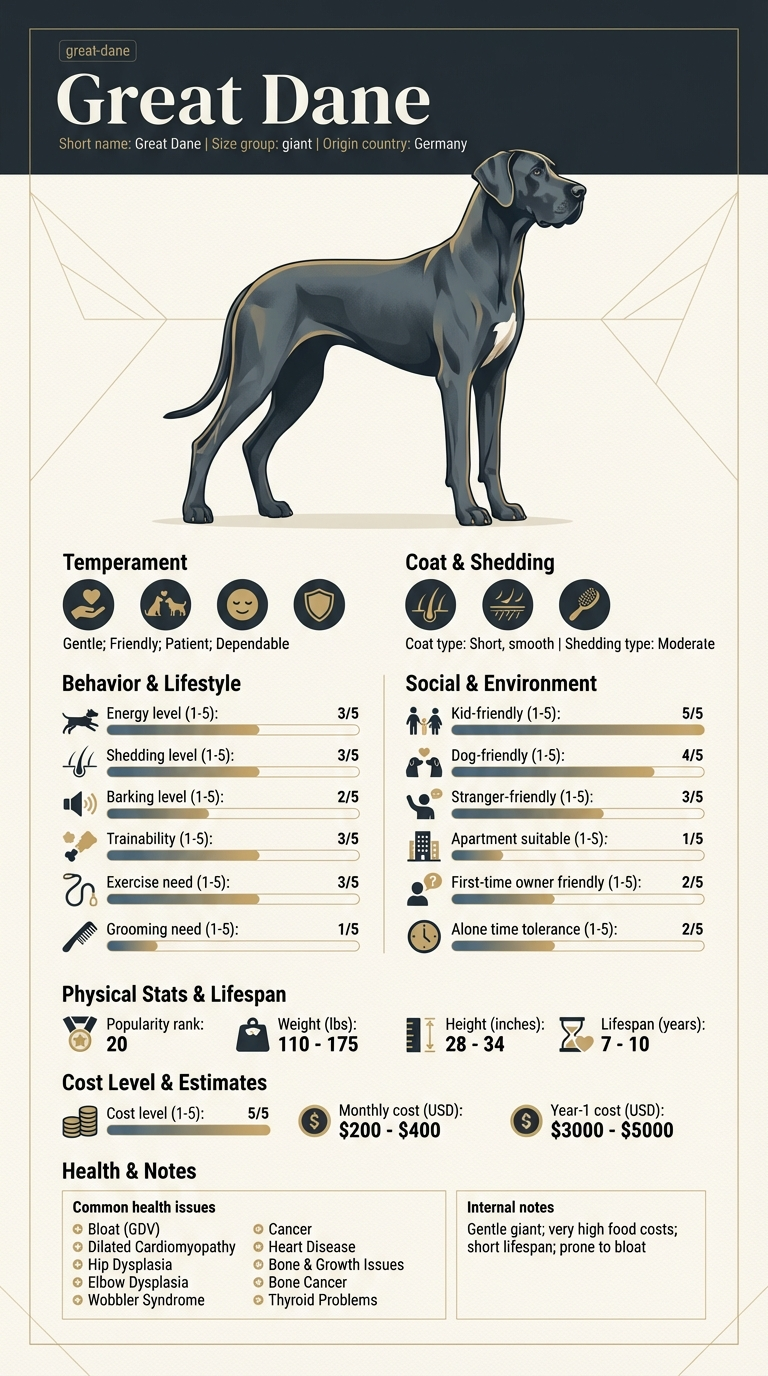
Owners of Great Danes, especially those new to the breed, may struggle with GDV/bloat due to the breed's size and unique health risks. Busy families or first-time dog owners might find it particularly challenging to recognize the early signs.
This guide is not medical advice. If your dog shows pain, sudden behavior change, or worsening symptoms, consult a licensed veterinarian.
Some links may be affiliate links. We may earn a commission at no extra cost to you. We only suggest products we believe are helpful for dog owners.
Great Dane gastric dilatation-volvulus (gdv/bloat) is a serious and life-threatening condition that can affect these gentle giants. It occurs when the stomach fills with gas and twists, leading to severe pain and potentially fatal complications. Symptoms often include restlessness, a distended abdomen, excessive drooling, and attempts to vomit without success.
GDV is particularly common in Great Danes due to their size and body structure. It's estimated that up to 30% of Great Danes may experience bloat at some point in their lives, making it crucial for owners to recognize the signs and seek immediate veterinary care.
Great Danes have a deep chest structure which makes them more susceptible to gastric dilatation-volvulus (GDV) or bloat. This condition can occur when the stomach fills with gas and twists, leading to severe complications. The breed's size and shape play a significant role in this risk.
Factors such as rapid eating, high-intensity exercise right after meals, and stress can increase the likelihood of GDV in Great Danes. Feeding practices and the dog's overall environment can contribute to this life-threatening condition.
If your Great Dane shows signs of anxiety around feeding times or has difficulty eating, a trainer can help with behavior modification. They can provide strategies to create a more positive mealtime experience.
If you notice signs of bloating, such as a swollen abdomen, restlessness, or unproductive attempts to vomit, contact your vet immediately. GDV is a medical emergency, and prompt action can save your dog's life.
You should start noticing improvements in your Great Dane's behavior within 4 to 6 weeks of implementing changes to prevent GDV/bloat.
Success means your Great Dane is eating smaller, more frequent meals, showing fewer signs of discomfort, and you feel more confident in managing their health.
Avoiding these common mistakes is key to managing Great Dane gastric dilatation-volvulus (GDV/bloat). Here are some behaviors that can make the situation worse, along with safer alternatives.
Recognizing when Great Dane gastric dilatation-volvulus (GDV/bloat) is an emergency can be lifesaving. With this condition, time is critical. If your Great Dane shows any of the following red-flag signs, call your vet immediately:
1. **Swollen abdomen**: A visibly bloated stomach that feels tight or hard. 2. **Unproductive retching**: Attempting to vomit without producing anything. 3. **Pacing or restlessness**: Inability to settle down, often accompanied by signs of pain. 4. **Rapid breathing**: Increased heart rate or difficulty breathing. 5. **Weakness or lethargy**: Acting unusually tired or unresponsive.
These symptoms indicate that your dog may be experiencing a life-threatening emergency.
On the other hand, if your Great Dane has minor signs like slight discomfort or occasional burping, monitor the situation closely. It’s essential to keep an eye on their eating habits and behavior, especially after meals. You can watch for:
- Mild bloating without significant discomfort. - Occasional signs of nausea without retching. - Normal energy levels and willingness to engage.
In these cases, you can create a watch-and-wait plan. Make sure to adjust feeding routines, like offering smaller meals more frequently. However, do not hesitate to seek veterinary advice if things worsen or if you're unsure. Always prioritize your dog's well-being and err on the side of caution.
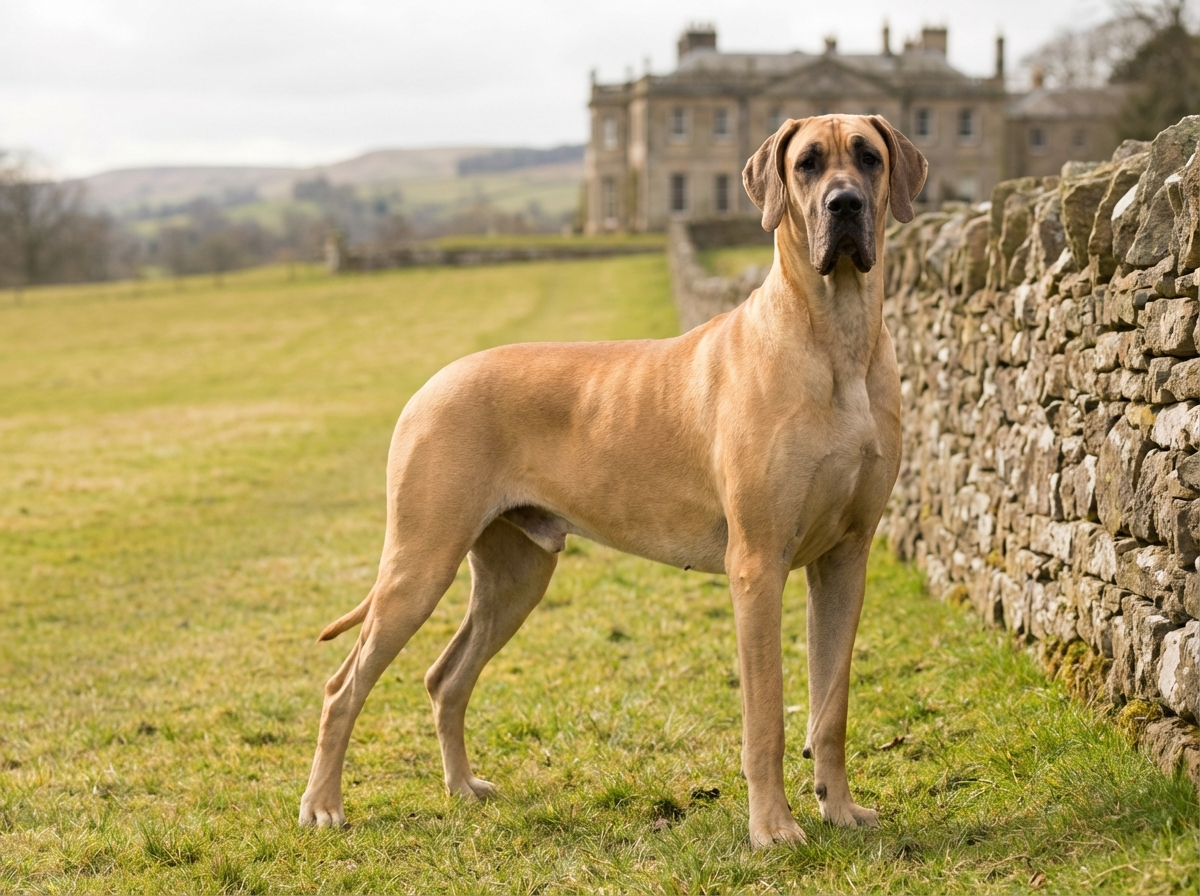
Sarah, a first-time Great Dane owner, was worried when her dog, Max, frequently seemed bloated and restless after meals. After researching online, she learned about the risks of gastric dilatation-volvulus (GDV). With her vet's guidance, Sarah started feeding Max smaller meals throughout the day and ensured he rested for at least an hour after eating. Over several weeks, Max became more comfortable and showed fewer signs of distress after meals.
Key takeaway: Managing Great Dane gastric dilatation-volvulus (GDV/bloat) requires proactive feeding and care habits, which can greatly improve your dog's comfort and health.
Great Danes are particularly prone to gastric dilatation-volvulus (GDV) due to their large size and deep chests. This condition can occur when the stomach fills with gas and twists on itself, leading to severe complications. Factors like eating too quickly, exercise after meals, and genetic predisposition can increase the risk. This answer relates to Great Dane gastric dilatation-volvulus (gdv/bloat).
To help prevent GDV, consider feeding your Great Dane smaller meals two to three times a day instead of one large meal. Use slow-feeding bowls to discourage gulping and avoid vigorous exercise right after meals. Monitoring your dog's behavior and weight can also help catch potential issues early.
Symptoms of GDV include a distended abdomen, restlessness, drooling, and attempts to vomit without success. If your Great Dane shows these signs, seek veterinary attention immediately, as this is a life-threatening condition. Timely intervention can be critical for a positive outcome.
If you suspect GDV, take your Great Dane to an emergency veterinarian right away. Time is of the essence in treating this condition, and delays can lead to severe health risks or even death. Don’t wait to see if symptoms improve.
Feeding a diet that is formulated for large breeds can help, as these foods are often designed to be easier to digest. Additionally, avoiding high-fat meals and ensuring consistent feeding schedules can reduce GDV risks. Always consult your vet for specific dietary recommendations.
Early signs of GDV/bloat in your Great Dane include restlessness, excessive drooling, and a swollen abdomen. If your dog shows these symptoms, seek veterinary assistance immediately, as this condition can escalate quickly.
Yes, older Great Danes are at a higher risk for GDV/bloat due to their age and potential underlying health issues. Regular check-ups and monitoring for symptoms are essential for older dogs.
Even with a proper diet, factors like eating too quickly, stress, or genetic predisposition can lead to GDV/bloat. It's important to monitor your dog's eating habits and consult your vet for personalized dietary advice.
To help prevent GDV/bloat in your Great Dane, feed smaller, more frequent meals and avoid vigorous exercise right after eating. Training your dog to eat slowly can also be beneficial.
If you suspect your Great Dane has GDV/bloat, contact your veterinarian immediately. This condition is life-threatening and requires urgent medical attention for the best chance of recovery.
Feed smaller, more frequent meals and use slow-feeding bowls. Avoid exercise immediately after meals and monitor for symptoms like a swollen abdomen.
Feeding your Great Dane two to three smaller meals per day can help reduce the risk of bloat compared to one large meal.
Yes, training your Great Dane to eat slowly using commands and rewards can help reduce the chances of bloat.
Look for signs of discomfort, such as restlessness, pacing, or an inability to settle down, as these can indicate potential bloat.