DogBreedCompass
← Back to breed profile

Great Dane Corneal Dystrophy: What You Need to Know

Great Dane corneal dystrophy is a condition that causes cloudiness in the eye, affecting your dog's vision.

Great Dane Corneal Dystrophy: What You Need to Know infographic

Owners of Great Danes, particularly those who notice changes in their dog's eyes or behavior, may struggle with this condition. It's a common concern for first-time Great Dane owners who want the best for their gentle giant.

Important reminder

This guide is not medical advice. If your dog shows pain, sudden behavior change, or worsening symptoms, consult a licensed veterinarian.

Some links may be affiliate links. We may earn a commission at no extra cost to you. We only suggest products we believe are helpful for dog owners.

What this problem looks like

Great Dane corneal dystrophy is a hereditary eye condition that causes corneal cloudiness. This condition can lead to discomfort and vision issues for your dog. Daily, you might notice your Great Dane squinting or rubbing their eyes, which can be distressing for both of you.

Common triggers

  • Genetic predisposition
  • Age-related changes
  • Environmental irritants like dust or smoke

Corneal dystrophy is relatively common in Great Danes, particularly as they age. Many owners report noticing symptoms by the time their dog is middle-aged, making awareness crucial for early detection and management.

Why this happens

Breed factors

Great Danes can inherit corneal dystrophy due to genetic factors. This breed is particularly prone to this eye condition, which causes cloudiness in the cornea. If a Great Dane's parents had this issue, it increases the likelihood that their puppies will too.

Environment factors

Environmental factors can also play a role. For example, exposure to excessive sunlight or irritants can worsen corneal dystrophy. Additionally, poor diet or underlying health issues may contribute to the severity of symptoms.

What you can try

At-home strategies

  • Monitor your Great Dane's eyes regularly for any signs of cloudiness or discomfort. Keeping an eye on these changes can help you address issues early.
  • Limit your dog's exposure to bright sunlight by using protective doggy sunglasses during walks. This can help reduce strain on their eyes.
  • Ensure your Great Dane is on a balanced diet rich in essential nutrients. Consult with your vet about supplements that could help improve their overall eye health.

When to consider a trainer

If your Great Dane is showing signs of anxiety or stress due to their vision issues, consider enlisting a trainer. A professional can help you implement training techniques to ease your dog's anxiety.

When to talk to your vet

If you notice a significant change in your dog's vision or if they seem to be in pain, it's time to talk to your vet. They can provide a proper diagnosis and discuss treatment options for Great Dane corneal dystrophy.

Realistic expectations

With consistent care and appropriate veterinary guidance, you can start seeing improvements in your Great Dane's corneal dystrophy symptoms within 3 to 6 months.

Success means your dog experiences reduced discomfort and clearer vision, allowing for a more active and happy lifestyle.

Mistakes that make this worse

Avoiding these common mistakes can help improve your Great Dane's corneal dystrophy. Here are some behaviors to steer clear of.

  • Ignoring Symptoms: Not noticing changes in your dog's eyes can delay treatment. Regularly check for cloudiness or discomfort and consult your vet promptly.
  • Overlooking Vet Visits: Missing routine check-ups can worsen corneal dystrophy. Schedule regular eye exams to monitor and manage your dog's condition effectively.
  • Neglecting Eye Protection: Failing to protect your dog's eyes from bright sunlight can increase discomfort. Use protective eyewear or keep them indoors during peak sun hours.
  • Using Harsh Products: Applying unapproved eye drops or medications can irritate your dog's eyes. Always consult your vet before using any product on your dog's eyes.
  • Not Adjusting Diet: A poor diet can affect your dog's overall health, including their eyes. Ensure they have a balanced diet rich in nutrients that support eye health.
  • Forgetting About Environment: Exposing your Great Dane to allergens or irritants can exacerbate their condition. Keep their environment clean and free from dust and smoke.
  • Ignoring Anxiety: Stress can worsen health issues, including corneal dystrophy. Implement calming techniques or training to help your dog feel more relaxed.

When Great Dane Corneal Dystrophy is an Emergency

Understanding when Great Dane corneal dystrophy becomes an emergency is crucial for your dog's health. In some cases, corneal dystrophy can lead to serious complications that require immediate veterinary attention. Recognizing the warning signs can save your Great Dane from discomfort or even permanent damage.

**Red-Flag Signs:** - Sudden changes in vision or inability to see at all. - Extreme redness or swelling around the eyes. - Excessive tearing or discharge from the eyes. - Signs of pain, such as squinting, pawing at the eyes, or reluctance to open them.

If you notice any of these symptoms, call your vet right away. These could indicate a serious issue that needs prompt treatment to prevent further damage.

**Mild Cases to Monitor:** - If your Great Dane has minor cloudiness without other symptoms. - If there is no pain or discomfort observed. - If your dog is still able to see and function normally.

In these situations, you can develop a monitoring plan with your vet. Keep an eye on any changes and schedule a follow-up appointment to discuss management options. While these milder cases can often be managed effectively, staying vigilant is key to ensuring your Great Dane remains healthy and happy.

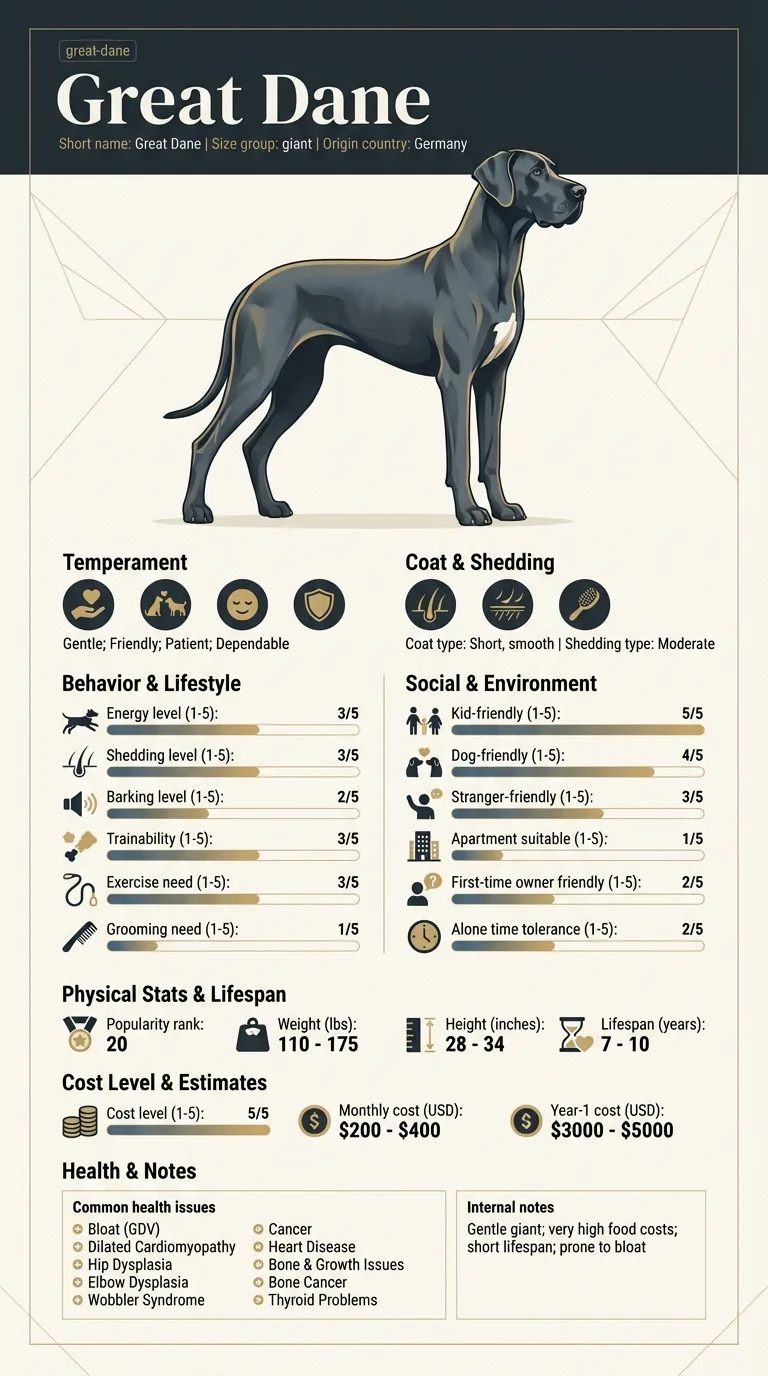
Great Dane Corneal Dystrophy: What You Need to Know - When Great Dane Corneal Dystrophy is an Emergency

Emily and Max: Overcoming Corneal Dystrophy

Emily, a first-time Great Dane owner, noticed her 4-year-old dog Max frequently squinting and rubbing his eyes. Worried, she took him to the vet, who diagnosed him with corneal dystrophy. Emily learned to manage Max's condition through a combination of regular vet check-ups, eye drops, and protective sunglasses for outdoor walks. Over time, Max's symptoms improved significantly, allowing him to enjoy his daily adventures without discomfort.

Key takeaway: With the right support and care, managing Great Dane corneal dystrophy can lead to a happier, more comfortable dog.

Frequently asked questions

What is Great Dane corneal dystrophy?

Great Dane corneal dystrophy is a condition that causes cloudiness in the cornea of the eye. It can affect their vision and may lead to discomfort. Regular vet visits are crucial for monitoring and managing this issue.

Why does my Great Dane have corneal dystrophy?

Corneal dystrophy in Great Danes is often hereditary, meaning it can be passed down from their parents. Environmental factors, such as exposure to UV light, can also contribute. A vet can help determine the cause and suggest treatment options.

How can I manage my Great Dane's corneal dystrophy?

Managing Great Dane corneal dystrophy typically involves regular check-ups with your vet. They may recommend eye drops or other treatments to keep your dog's eyes comfortable. In severe cases, surgery might be necessary, so stay in close contact with your vet.

Can training help with my Great Dane's corneal dystrophy?

Training alone won't cure corneal dystrophy, but it can help your dog adapt to any vision changes. Teaching commands that rely on voice can be beneficial. Always consult your vet for tailored advice on managing your dog's condition.

What are the symptoms of corneal dystrophy in Great Danes?

Symptoms of corneal dystrophy include cloudiness in the eyes, excessive tearing, and difficulty seeing at night. If you notice any changes in your dog's eyes, it’s important to visit a vet promptly. Early detection can lead to better management.

Is Great Dane corneal dystrophy painful for my dog?

Corneal dystrophy can cause discomfort, but the level of pain varies between dogs. Some may not show signs of pain, while others might squint or rub their eyes. Regular vet visits can help assess their comfort level and adjust treatment as needed.

What are the early signs of Great Dane corneal dystrophy?

Early signs of Great Dane corneal dystrophy include a cloudy appearance in the eyes and excessive tearing. You might also notice your dog squinting or rubbing their eyes more often. Monitoring your dog's eye health is crucial for timely intervention.

Can diet affect the progression of corneal dystrophy in Great Danes?

While diet alone won't cure Great Dane corneal dystrophy, a healthy diet can support overall eye health. Ensuring your dog gets essential nutrients, like Omega-3 fatty acids, may help slow progression. Always consult your vet for tailored dietary advice.

Is corneal dystrophy in Great Danes hereditary?

Yes, corneal dystrophy can be hereditary in Great Danes. If a parent has the condition, there is a higher chance that their puppies may inherit it. Responsible breeding practices can help reduce the risk of passing on this condition.

When should I take my Great Dane to the vet for corneal dystrophy?

You should take your Great Dane to the vet if you notice any changes in their eyes, such as cloudiness or discomfort. Immediate veterinary attention is crucial if your dog shows signs of pain or if the condition worsens. Regular check-ups can help manage the issue effectively.

Can Great Dane corneal dystrophy lead to other health problems?

While corneal dystrophy primarily affects the eyes, it can lead to secondary issues like frequent eye infections or discomfort. Ensuring proper eye care and regular vet visits can mitigate these risks. Keeping an eye on your dog's overall health is essential for their well-being.

Quick answers

View more answers
Behavior

What are quick tips for managing Great Dane corneal dystrophy?

Keep your dog's eyes clean and monitor for changes. Regular vet check-ups are essential for managing the condition. Consider using protective eyewear if your dog spends a lot of time outdoors.

Training

How can I help my Great Dane with vision issues?

Use voice commands to guide your dog and keep their environment familiar. Avoid moving furniture or changing their space too often to help them navigate. Patience and consistency are key.

Costs

What costs are associated with Great Dane corneal dystrophy?

Expect to spend on regular vet visits, treatments, and potentially surgery. Monthly costs can range from $200 to $400, especially if ongoing care is needed. Budgeting for unexpected expenses is wise.

Living

Are there any special products for dogs with eye conditions?

Yes, consider eye drops or supplements recommended by your vet. Protective goggles designed for dogs can also help shield their eyes from the sun and debris. Always consult your vet before trying new products.

Related DogBreedCompass guides

  • Great Dane behavior problemsLearn more about the common health issues Great Danes face, including corneal dystrophy.
  • Great Dane separation anxiety guideUnderstand how separation anxiety can affect your Great Dane and find solutions.
  • Great Dane cost breakdownGet detailed insights on costs associated with owning a Great Dane, including medical expenses.
  • Great Dane corneal dystrophy trainingFind training tips that can help manage corneal dystrophy symptoms in your Great Dane.
  • Great Dane eye care tipsDiscover how to care for your Great Dane's eyes and prevent issues like corneal dystrophy.

Related guides