DogBreedCompass
← Back to breed profile

Great Dane Brachycephalic Obstructive Airway Syndrome (BOAS)

Great Dane brachycephalic obstructive airway syndrome (BOAS) can make breathing a challenge for your gentle giant. This condition can lead to significant health issues.

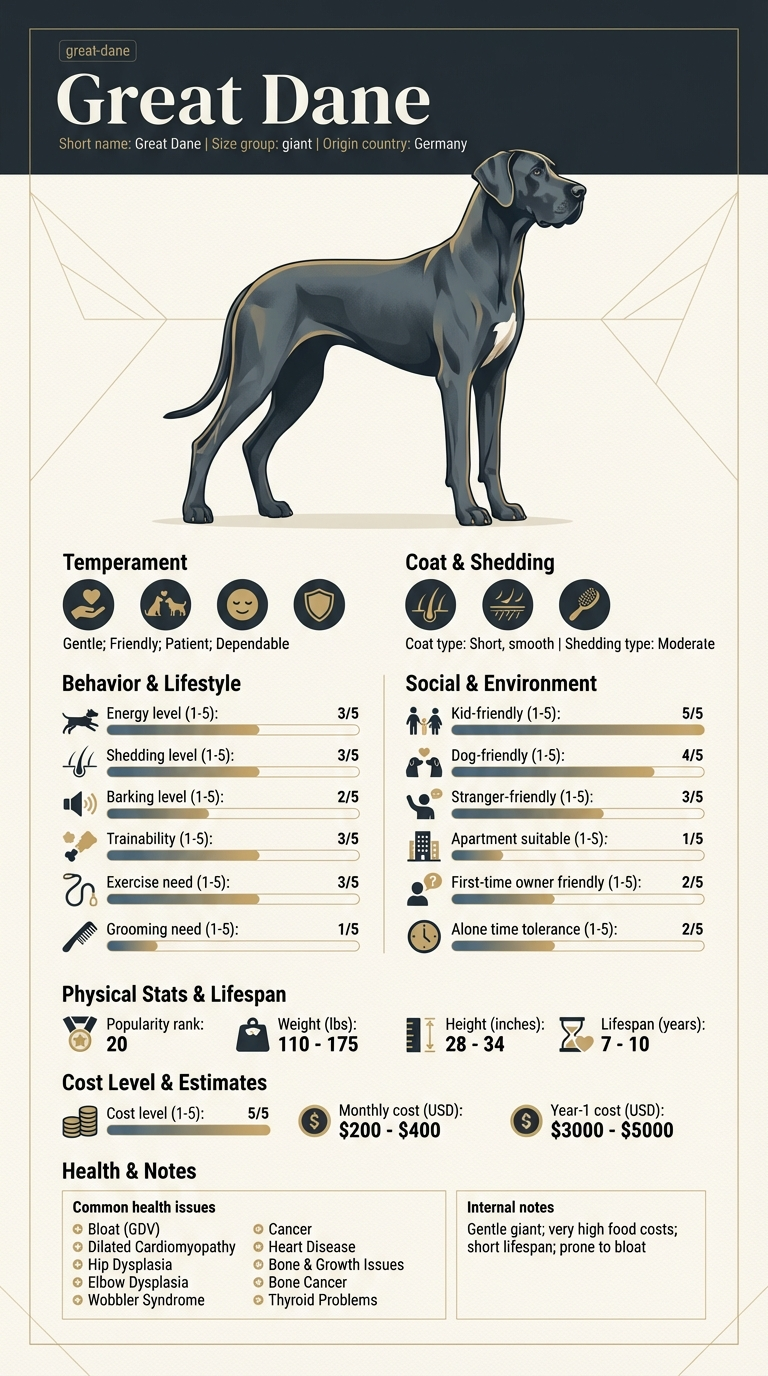
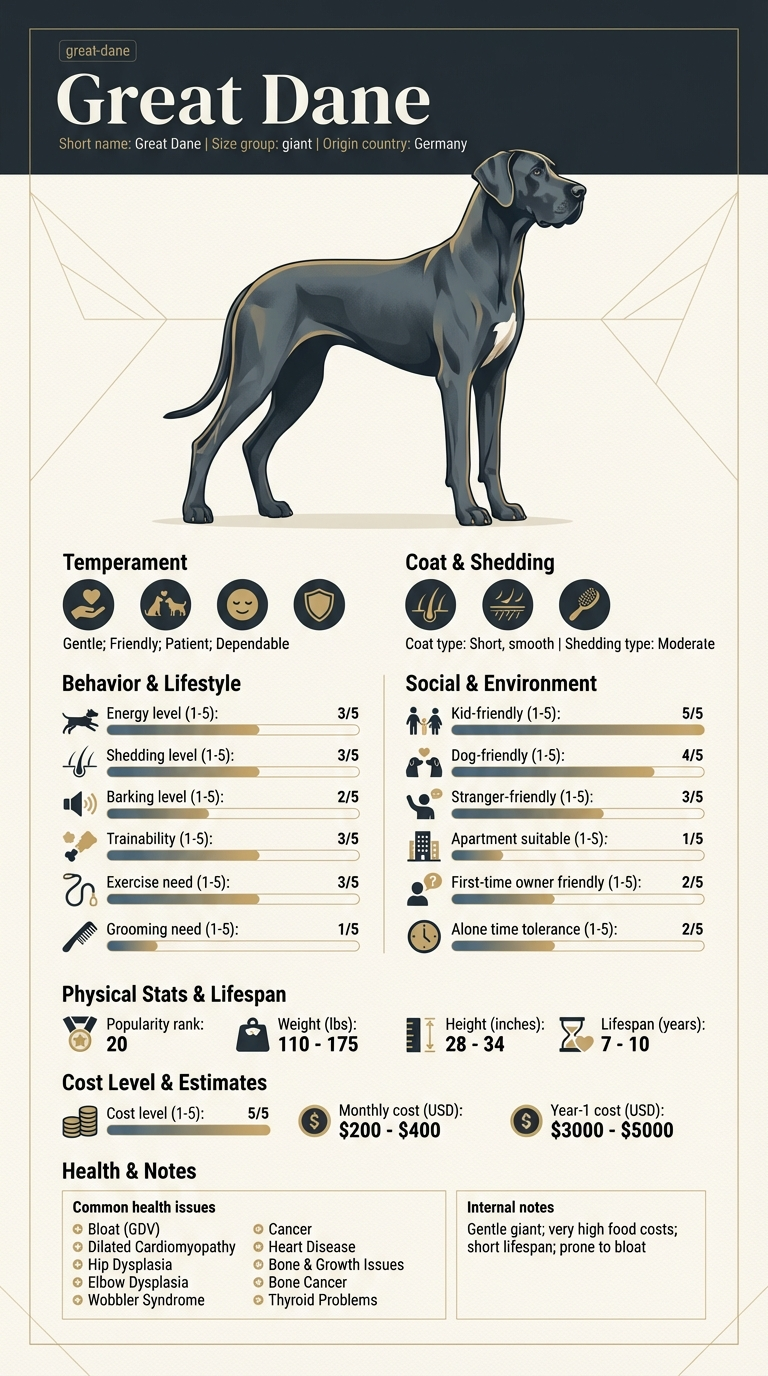
Great Dane Brachycephalic Obstructive Airway Syndrome (BOAS) infographic

Owners of Great Danes may find themselves worried about their dog's breathing, especially during exercise or in hot weather. First-time dog owners or those unfamiliar with breed-specific health issues may particularly struggle to recognize and address this condition.

Important reminder

This guide is not medical advice. If your dog shows pain, sudden behavior change, or worsening symptoms, consult a licensed veterinarian.

Some links may be affiliate links. We may earn a commission at no extra cost to you. We only suggest products we believe are helpful for dog owners.

What this problem looks like

Great Dane brachycephalic obstructive airway syndrome (boas) is a serious condition affecting these gentle giants. Commonly, owners notice their Great Dane struggling to breathe, especially during exercise or in warm weather. This can lead to excessive snoring, coughing, or even fainting spells, making daily life challenging for both the dog and owner.

Common triggers

  • Hot weather
  • Exertion or exercise
  • Anxiety or stress
  • Obesity

This condition is relatively common among Great Danes due to their short muzzles and large size. Many owners report at least mild symptoms, and it's important to monitor your dog closely for any signs of distress.

Why this happens

Breed factors

Great Danes are not traditionally considered brachycephalic, but some may develop a wider skull shape that can cause breathing issues. Their large size also contributes to the potential for airway blockages due to excess tissue around the throat. This means that, while they are generally a giant breed, their unique anatomical features can lead to BOAS.

Environment factors

Environmental factors like heat, humidity, and high-stress situations can worsen breathing difficulties in Great Danes. Additionally, obesity from overfeeding or lack of exercise can exacerbate airway issues. Therefore, maintaining a healthy weight is crucial for their respiratory health.

What you can try

At-home strategies

  • Monitor your Great Dane's weight closely. Keep them active with regular walks and playtime. Aim for a balanced diet to prevent obesity.
  • Create a calm environment. Reducing stressors, such as loud noises or crowded spaces, can help alleviate anxiety and improve breathing.
  • Practice controlled exercises. Gradually increase their activity level while observing for any signs of distress, like excessive panting or coughing.

When to consider a trainer

If your Great Dane shows persistent anxiety or difficulty with training, consider hiring a professional dog trainer. They can provide tailored strategies to help your dog feel more comfortable and secure.

When to talk to your vet

If your Great Dane experiences severe breathing issues, persistent coughing, or signs of distress, consult your veterinarian immediately. They can assess the severity of BOAS and recommend possible treatments or interventions.

Realistic expectations

You can expect to see improvements in your Great Dane's breathing within a few weeks of implementing changes, but complete resolution may take several months.

Success looks like your Great Dane breathing more easily, having less snoring, and enjoying activities without excessive panting or distress.

Mistakes that make this worse

Avoid these common mistakes that can worsen your Great Dane's brachycephalic obstructive airway syndrome (BOAS). Correcting them can help improve your dog's comfort and health.

  • Overexerting your dog during exercise: Great Danes need regular activity, but pushing them too hard can lead to breathing issues. Opt for shorter, more frequent walks instead.
  • Ignoring signs of distress: If your Great Dane is panting heavily or struggling to breathe, don’t brush it off. Take breaks and allow them to rest to prevent further complications.
  • Not providing a cool environment: Brachycephalic breeds are sensitive to heat. Ensure your home is cool, especially in summer, and avoid outdoor play during hot weather.
  • Feeding from elevated bowls: While this may seem convenient, it can lead to gulping air, worsening BOAS symptoms. Use flat bowls to encourage slower eating.
  • Neglecting regular vet check-ups: Skipping check-ups can mean missing early signs of worsened symptoms. Regular vet visits can help manage BOAS effectively.
  • Using harsh training methods: Punitive training can increase your dog's stress and anxiety, making breathing issues worse. Use positive reinforcement to encourage good behavior.
  • Not monitoring weight: Obesity can exacerbate breathing problems. Keep your Great Dane at a healthy weight through a balanced diet and regular exercise.

When Great Dane Brachycephalic Obstructive Airway Syndrome (BOAS) is an Emergency

Recognizing when your Great Dane's brachycephalic obstructive airway syndrome (BOAS) is an emergency can save their life. If your dog is struggling to breathe, has blue-tinged gums, or is excessively panting and refusing to settle, these are clear signs to call your vet immediately. Other red flags include fainting, extreme lethargy, or any signs of distress, especially in hot weather.

On the other hand, if your Great Dane exhibits mild symptoms like occasional snoring or slight difficulty breathing during exercise, these may not require immediate vet attention. You can monitor these symptoms at home, especially if they don't worsen. Keeping an eye on their behavior and environment can help you identify patterns that may trigger these mild cases.

Great Dane Brachycephalic Obstructive Airway Syndrome (BOAS) - When Great Dane Brachycephalic Obstructive Airway Syndrome (BOAS) is an Emergency

Rita's Journey with Max's BOAS

Rita, a first-time Great Dane owner, noticed her dog Max struggled to breathe during walks. After researching, she learned about Great Dane brachycephalic obstructive airway syndrome (BOAS). Rita worked with her vet to adjust Max's exercise routine, ensuring he had plenty of breaks and avoided extreme heat. She also invested in a harness to reduce strain on his neck. Over time, Max became more comfortable and active, allowing him to enjoy his walks without distress.

Key takeaway: If your Great Dane shows signs of BOAS, consulting a vet and adjusting exercise routines can significantly improve their quality of life.
Frequently asked questions

Why does my Great Dane have brachycephalic obstructive airway syndrome (boas)?

Great Danes can develop brachycephalic obstructive airway syndrome (boas) due to their short snouts and specific facial structures. This condition leads to breathing difficulties, snoring, and increased sensitivity to heat. It's important to monitor your dog's breathing and consult with a vet if you notice any signs of distress.

How can I help my Great Dane with brachycephalic obstructive airway syndrome (boas)?

To help your Great Dane manage BOAS, ensure they maintain a healthy weight and avoid strenuous exercise in hot weather. Regular vet check-ups can help catch any worsening symptoms early. You might also consider using a harness instead of a collar to reduce pressure on their airway.

What are the signs of brachycephalic obstructive airway syndrome (boas) in Great Danes?

Common signs of BOAS include loud snoring, difficulty breathing, excessive panting, and lethargy. If your Great Dane exhibits these symptoms, especially during exercise, it's crucial to consult your veterinarian for advice and possible treatment options.

Can training help my Great Dane with brachycephalic obstructive airway syndrome (boas)?

Training can help manage behaviors associated with BOAS, such as excessive panting and anxiety. Focus on positive reinforcement techniques to keep your Great Dane calm and comfortable during training sessions. Additionally, avoid high-energy activities that could exacerbate breathing issues.

What treatments are available for Great Danes with brachycephalic obstructive airway syndrome (boas)?

Treatment options for BOAS may include lifestyle changes, weight management, and in some cases, surgery to improve airflow. Your veterinarian can recommend the best course of action based on your dog's specific condition and severity of symptoms.

What are the signs of Great Dane brachycephalic obstructive airway syndrome (boas)?

Common signs of Great Dane brachycephalic obstructive airway syndrome (boas) include loud snoring, difficulty breathing, and a reduced tolerance for heat. If your Great Dane seems to tire easily or struggles for breath during exercise, these could be red flags.

How can I help my Great Dane with brachycephalic obstructive airway syndrome (boas) at home?

To assist your Great Dane at home, ensure they stay in a cool environment, maintain a healthy weight, and avoid strenuous activities. Regular vet check-ups are essential to monitor their condition and discuss any necessary lifestyle adjustments.

When should I consider surgery for my Great Dane with brachycephalic obstructive airway syndrome (boas)?

Surgery may be necessary if your Great Dane experiences severe breathing difficulties that impact their quality of life. Consult your vet to evaluate the severity of their symptoms and to determine if surgical options are appropriate.

Can older Great Danes develop brachycephalic obstructive airway syndrome (boas)?

Yes, older Great Danes can develop brachycephalic obstructive airway syndrome (boas) as their respiratory systems may weaken over time. Regular veterinary check-ups are crucial to catch any emerging issues early and to manage their health effectively.

How does weight affect my Great Dane's brachycephalic obstructive airway syndrome (boas)?

Excess weight can exacerbate the symptoms of brachycephalic obstructive airway syndrome (boas) in Great Danes. Keeping your dog at a healthy weight can improve their breathing and overall well-being, so monitor their diet and exercise closely.

Quick answers

View more answers
Behavior

What are quick tips for managing Great Dane brachycephalic obstructive airway syndrome (boas)?

Keep your Great Dane cool and avoid intense exercise, especially in hot weather. Monitor their weight closely to reduce breathing strain. Regular vet visits are essential for managing symptoms.

Health

How can I tell if my Great Dane has breathing issues?

Watch for signs like snoring, labored breathing, or excessive panting. If these occur frequently, consult a vet promptly.

Training

Are there any specific training techniques for Great Danes with boas?

Use gentle, positive reinforcement methods and avoid stressful situations. Short, calm training sessions can help ease anxiety related to breathing difficulties.

Related DogBreedCompass guides

  • Great Dane behavior problemsLearn about the unique health challenges that Great Danes face, including common issues like BOAS.
  • Great Dane separation anxiety guideFind tips and strategies to help manage separation anxiety in your Great Dane.
  • Great Dane cost breakdownUnderstand the costs associated with owning a Great Dane, including healthcare and food expenses due to conditions like BOAS.
  • Great Dane training tipsDiscover training techniques specifically effective for Great Danes, particularly those with BOAS.
  • Dog breed comparison guideExplore the characteristics of various dog breeds to see if a Great Dane is the best fit for your lifestyle.

Related guides