DogBreedCompass
← Back to breed profile

Great Dane Autoimmune Diseases: What You Need to Know

Great Dane autoimmune diseases can lead to serious health issues, including skin conditions that cause sores and hair loss. Understanding these diseases is crucial for your dog's well-being.

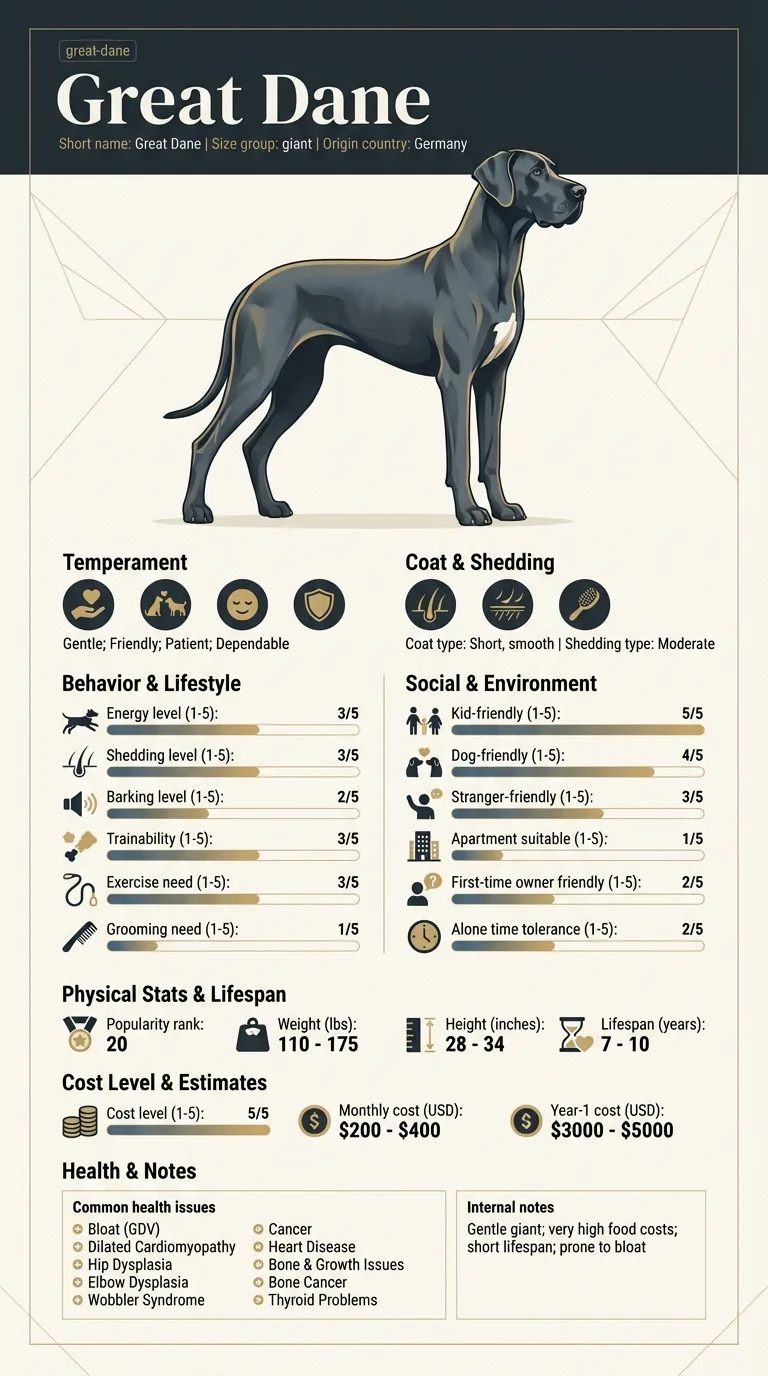
Great Dane Autoimmune Diseases: What You Need to Know infographic

Owners of Great Danes, especially first-time dog parents, often face challenges when managing these health issues. Those who may notice changes in their dog's skin or behavior should seek guidance to help their beloved pets.

Important reminder

This guide is not medical advice. If your dog shows pain, sudden behavior change, or worsening symptoms, consult a licensed veterinarian.

Some links may be affiliate links. We may earn a commission at no extra cost to you. We only suggest products we believe are helpful for dog owners.

What this problem looks like

Great Dane autoimmune diseases can significantly impact your dog's health. These conditions often manifest as skin issues, including sores and hair loss, making your Great Dane uncomfortable. Day-to-day, you may notice excessive scratching, redness, or patches of missing fur, which can lead to further complications if not addressed.

Common triggers

  • Genetic predisposition to autoimmune conditions
  • Exposure to allergens or irritants
  • Stress or changes in environment

Autoimmune diseases are relatively common in Great Danes due to their genetic background. While not every Great Dane will face these issues, owners should be aware of the signs and stay vigilant, as early intervention can make a significant difference.

Why this happens

Breed factors

Great Danes are predisposed to certain autoimmune diseases due to their genetics. These giant dogs can inherit conditions that affect their immune system, leading to skin issues, hair loss, and other health problems. Being aware of their genetic background can help owners anticipate and manage these conditions.

Environment factors

Environmental factors also play a significant role in autoimmune diseases. Stressful living conditions, poor diet, and exposure to allergens can trigger or worsen these health issues. Great Danes may face additional challenges due to their size, making it crucial to create a comfortable and healthy environment.

What you can try

At-home strategies

  • Maintain a balanced diet with high-quality dog food that supports immune health. Look for foods rich in omega-3 fatty acids, antioxidants, and vitamins.
  • Create a stress-free living space. Make sure your Great Dane has a quiet, comfortable area to relax, away from noise and chaos.
  • Monitor their skin regularly for any signs of irritation or sores. Early detection can help in managing issues before they escalate.
  • Provide regular exercise to help keep your Great Dane physically and mentally stimulated. Aim for daily walks and playtime to reduce stress.
  • Consider using natural supplements as recommended by your vet, to support immune function and overall health.

When to consider a trainer

If your Great Dane shows signs of anxiety or stress that may be impacting their health, consider consulting a professional dog trainer. They can help address behavioral issues and create a training plan tailored to your dog's needs.

When to talk to your vet

If your Great Dane experiences persistent skin problems, hair loss, or other concerning symptoms, consult your veterinarian. Early intervention can lead to better outcomes and help manage autoimmune diseases effectively.

Realistic expectations

Managing Great Dane autoimmune diseases often takes 6 to 12 months of consistent care and adjustments. Regular vet visits and monitoring are key.

Success means seeing improvements in your dog's skin condition, reduced flare-ups, and a happier, more comfortable pet.

Mistakes that make this worse

Avoiding these common pitfalls can help improve your Great Dane's health and well-being.

  • Neglecting regular vet visits: Skipping check-ups can delay the detection of autoimmune diseases. Schedule routine appointments to monitor their health.
  • Ignoring dietary needs: Feeding low-quality food can worsen autoimmune issues. Invest in high-quality, balanced dog food that supports their immune system.
  • Overlooking signs of discomfort: If your Great Dane shows signs of pain or discomfort, it's easy to dismiss them. Pay attention to changes in behavior or appetite and consult your vet.
  • Self-medicating without guidance: Some owners try to treat their dog's symptoms with over-the-counter medications. Always consult your vet before giving any medications to ensure they’re safe.
  • Failing to manage stress: Stress can exacerbate autoimmune diseases. Create a calm and safe environment for your Great Dane to reduce anxiety.
  • Forgetting about exercise: While too much exercise can strain a sick dog, not enough can weaken them. Find a balanced exercise routine that suits their energy level and health status.
  • Not seeking a second opinion: If you’re unsure about your vet's diagnosis or treatment plan, don’t hesitate to get a second opinion. It can provide more clarity and options.

When Great Dane Autoimmune Diseases Are an Emergency

Emergency situations include signs like persistent vomiting, severe lethargy, or sudden changes in behavior. If your Great Dane has swollen joints, difficulty breathing, or visible sores that are oozing or bleeding, call your vet right away. These symptoms indicate serious issues that could lead to life-threatening complications.

On the other hand, if your dog has minor symptoms like occasional itching or mild hair loss, you might not need to panic. These cases can often be managed with a care plan from your vet. Keep an eye on any changes in appetite or energy levels and report them during your next check-up.

It's important to establish a monitoring plan for mild cases. Regularly check your Great Dane's skin for changes and maintain a healthy diet to support their immune system. If symptoms worsen or new issues arise, don’t hesitate to reach out to your veterinarian. Always trust your instincts; if something feels off, it's better to err on the side of caution.

Great Dane Autoimmune Diseases: What You Need to Know - When Great Dane Autoimmune Diseases Are an Emergency

Jenna's Journey with Max's Autoimmune Issues

Jenna, a first-time Great Dane owner, noticed Max scratching excessively and developing sores. After consulting her vet, she learned Max had an autoimmune disease affecting his skin. The vet recommended a specialized diet and medication. Jenna committed to daily monitoring and adjusting Max's care plan. Over several months, she saw significant improvement in his condition. Max became more active and playful, bringing joy back into their home.

Key takeaway: Patience and proactive care can lead to significant improvements in managing Great Dane autoimmune diseases.

Frequently asked questions

Why does my Great Dane have autoimmune diseases?

Great Danes can develop autoimmune diseases due to genetic factors, environmental triggers, or underlying health issues. Regular veterinary check-ups can help identify these problems early. If you notice any unusual symptoms, consult your vet immediately. This answer relates to Great Dane autoimmune diseases.

How can I stop my Great Dane from having autoimmune diseases?

While you can't completely prevent autoimmune diseases, you can reduce risks by providing a balanced diet, regular exercise, and routine vet visits. Keeping your dog’s environment clean and stress-free also helps. Be vigilant for any signs and address them promptly.

What are the common symptoms of autoimmune diseases in Great Danes?

Symptoms may include skin lesions, hair loss, lethargy, and recurring infections. If your Great Dane shows any of these symptoms, it's crucial to see a veterinarian for diagnosis and treatment options. Early intervention can significantly improve outcomes.

Are autoimmune diseases in Great Danes hereditary?

Some autoimmune diseases can have a genetic component, making certain dogs more susceptible. Responsible breeding practices can help minimize these risks. If you're considering getting a Great Dane, research breeders who prioritize health testing.

What treatment options are available for autoimmune diseases in Great Danes?

Treatment often involves immunosuppressive medications, dietary changes, and supportive care. Your vet will recommend the best course based on your dog's specific condition. Regular monitoring is essential to adjust treatment as needed.

Can lifestyle changes help manage autoimmune diseases in Great Danes?

Yes, lifestyle changes such as a nutritious diet, regular exercise, and stress reduction can support your Great Dane's health. Creating a stable routine and avoiding known allergens can also be beneficial. Always consult your vet before making major changes.

What are the signs that my Great Dane may have an autoimmune disease?

Signs of autoimmune diseases in Great Danes can include unexplained sores, hair loss, and changes in behavior. You may also notice lethargy or swelling. If you observe any of these symptoms, consult your vet promptly.

Can autoimmune diseases be hereditary in Great Danes?

Yes, some autoimmune diseases can be hereditary in Great Danes. If you have concerns about your dog's family history, it's a good idea to discuss this with your breeder or vet. They can provide insights into potential genetic risks.

How can I manage my Great Dane's autoimmune disease at home?

Managing your Great Dane's autoimmune disease often involves a combination of diet, medication, and regular vet check-ups. A nutritious diet can support their immune system, while prescribed medications can help manage symptoms. Always follow your vet’s recommendations for the best care.

What should I do if my older Great Dane shows signs of autoimmune diseases?

If your older Great Dane displays symptoms of autoimmune diseases, it's crucial to schedule a vet appointment quickly. Older dogs may have different responses to treatments, and early intervention can lead to better outcomes and improved quality of life.

Can stress trigger autoimmune diseases in Great Danes?

Stress can potentially exacerbate autoimmune diseases in Great Danes. It's important to provide a calm and stable environment for your dog. Techniques like training, regular exercise, and creating a safe space can help reduce stress and support their overall health.

Quick answers

View more answers
Health

What are quick tips for managing Great Dane autoimmune diseases?

Ensure your Great Dane has a well-balanced diet and regular vet check-ups. Monitor for any unusual symptoms and address them early. Keeping their environment stress-free can also help manage their condition.

Costs

How much does it cost to treat autoimmune diseases in Great Danes?

Treatment costs can range from $200 to $400 per month, depending on the condition's severity and required medications. Always discuss costs with your veterinarian to plan accordingly.

Health

What are some common health issues for Great Danes?

Common health issues include bloat, heart disease, and autoimmune diseases. Regular vet visits are crucial for early detection and management of these conditions.

Living

How often should I take my Great Dane to the vet?

Annual check-ups are essential, but more frequent visits may be needed for those with known health issues. Regular monitoring can help catch problems early.

Related DogBreedCompass guides

  • Great Dane behavior problemsLearn how to manage behavior issues related to autoimmune diseases in Great Danes.
  • Great Dane separation anxiety guideDiscover effective strategies to reduce separation anxiety in Great Danes.
  • Great Dane health issuesExplore common health issues that affect Great Danes and how to address them.
  • Great Dane cost breakdownUnderstand the long-term costs of owning a Great Dane, including health management.
  • Great Dane autoimmune diseases trainingGet tips on training your Great Dane to cope with autoimmune diseases.

Related guides