Problem

Golden Retriever Legg-Calvé-Perthes Disease: What You Need to Know

Golden Retriever Legg-Calvé-Perthes disease is a serious condition affecting your dog's hip joint. It can lead to pain and mobility issues if not addressed promptly.

Golden Retriever Legg-Calvé-Perthes Disease: What You Need to Know photo

What you can try

Mistakes that make this worse

Avoiding common pitfalls can significantly aid in managing Golden Retriever legg-calvé-perthes disease. Here are some mistakes to steer clear of.

When Golden Retriever Legg-Calvé-Perthes Disease is an Emergency

Legg-Calvé-Perthes disease can sometimes present symptoms that require urgent attention. If your Golden Retriever shows severe limping, is unable to bear weight on a hind leg, or seems to be in significant pain, it's time to call your vet immediately. Other red flags include swelling in the hip area, a noticeable decrease in activity, or changes in appetite.

These signs may indicate advanced issues that need prompt treatment.

In contrast, if your dog is showing mild limping or seems to be favoring one leg but is still active and eating normally, you can monitor the situation. Keep a close watch on their behavior and activity level. If the limping persists for more than a few days or worsens, schedule a vet appointment.

It’s always better to err on the side of caution with health concerns.

Make a plan to help your Golden Retriever through this condition. Regular check-ins with your vet will help you manage their care effectively. Together, you can determine whether a wait-and-see approach is suitable or if immediate intervention is necessary.

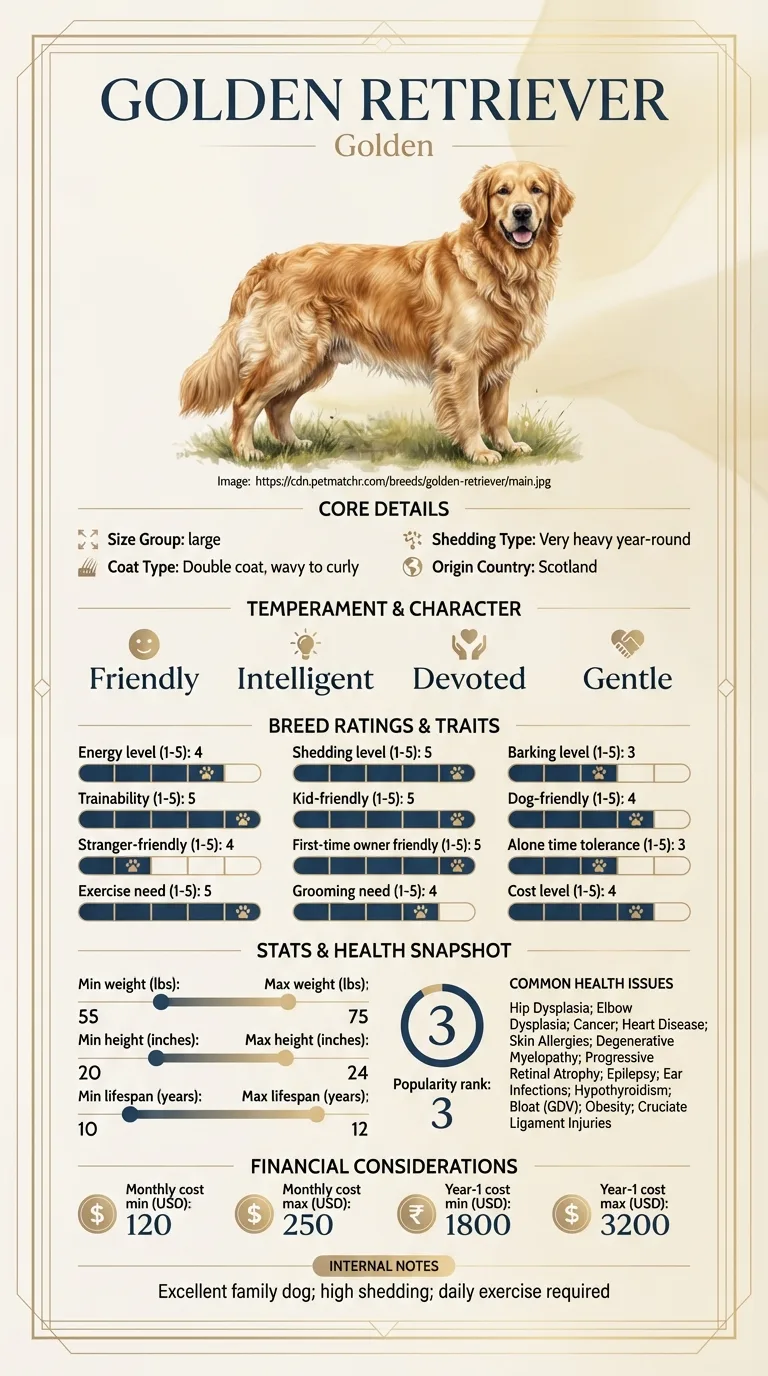
Golden Retriever Legg-Calvé-Perthes Disease: What You Need to Know - When Golden Retriever Legg-Calvé-Perthes Disease is an Emergency

Frequently asked questions

What is Golden Retriever legg-calvé-perthes disease?

Golden Retriever legg-calvé-perthes disease is a condition where the hip bone starts to deteriorate due to lack of blood flow. This can lead to pain and difficulty in mobility. Early diagnosis and treatment are crucial for managing the disease effectively.

Why does my Golden Retriever have legg-calvé-perthes disease?

The exact cause of legg-calvé-perthes disease is often unknown, but it typically affects young dogs between six months and one year. Genetic factors, obesity, or trauma may contribute to its development. Regular veterinary check-ups can help detect this issue early on.

How can I tell if my Golden Retriever has this disease?

Signs of legg-calvé-perthes disease include limping, difficulty rising, and reluctance to engage in play or exercise. If you notice any of these symptoms, schedule a visit to your vet for a proper evaluation. Early intervention can greatly improve your dog's quality of life.

How to stop Golden Retriever legg-calvé-perthes disease from worsening?

To manage legg-calvé-perthes disease, your vet might recommend a combination of medication, weight management, and physical therapy. In some cases, surgery may be necessary to relieve pain and restore mobility. Follow your vet's advice closely to ensure the best outcome.

Can training help a Golden Retriever with legg-calvé-perthes disease?

Training can be beneficial for a Golden with this condition by keeping them mentally stimulated and encouraging gentle exercise. Focus on low-impact activities and avoid strenuous exercise that could aggravate their condition. Consult a professional trainer familiar with the disease for tailored advice.

What are the early signs of Golden Retriever legg-calvé-perthes disease?

Early signs of Golden Retriever legg-calvé-perthes disease can include limping, difficulty getting up, and reluctance to play or exercise. You may notice your dog favoring one leg or showing signs of pain when touched around the hip area.

How can I manage my Golden Retriever's pain from legg-calvé-perthes disease?

Managing pain in a Golden Retriever with legg-calvé-perthes disease often involves medication prescribed by a veterinarian. Physical therapy and controlled exercise can also help improve mobility and reduce discomfort.

Is surgery necessary for Golden Retriever legg-calvé-perthes disease?

Surgery is often recommended for Golden Retrievers with severe cases of legg-calvé-perthes disease. This procedure can help relieve pain and improve the dog's quality of life, but it's important to discuss all options with your vet.

How does legg-calvé-perthes disease affect my dog's long-term health?

Legg-calvé-perthes disease can lead to arthritis and joint issues if not properly managed. Early diagnosis and treatment are crucial to minimize long-term effects and maintain your dog's mobility.

Can older Golden Retrievers get legg-calvé-perthes disease?

Legg-calvé-perthes disease typically occurs in younger dogs, especially those between 4 and 6 months old. However, older Golden Retrievers can experience hip issues, making regular vet check-ups essential for monitoring their joint health.