DogBreedCompass
← Back to breed profile

Golden Retriever Brachycephalic Obstructive Airway Syndrome (BOAS)

Golden Retrievers can suffer from Brachycephalic Obstructive Airway Syndrome (BOAS), leading to serious breathing issues. (Golden Retriever brachycephalic obstructive airway syndrome (boas))

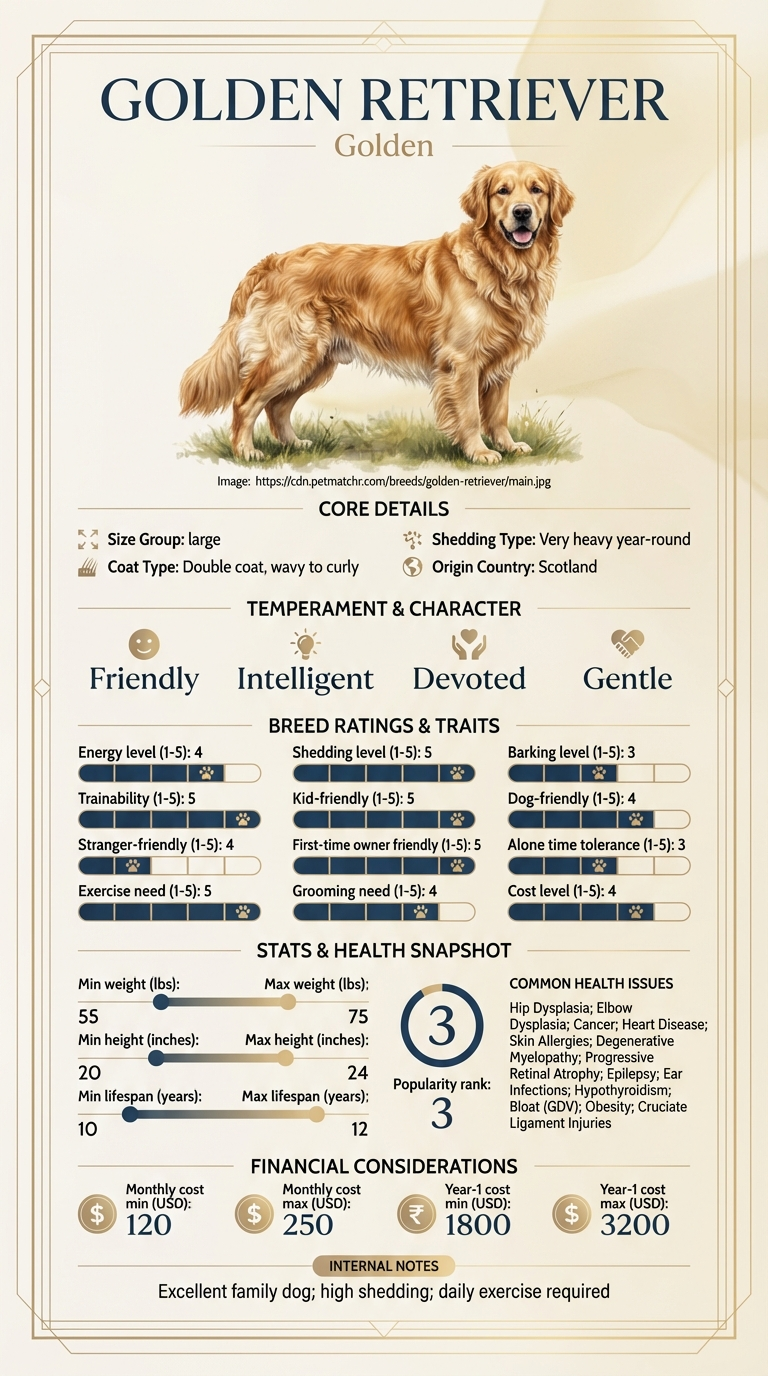
Golden Retriever Brachycephalic Obstructive Airway Syndrome (BOAS) infographic

Owners of Golden Retrievers, especially those living in warmer climates or with active lifestyles, may find this issue particularly challenging. New dog owners and families may struggle to notice subtle signs of BOAS, impacting their dog's quality of life.

Important reminder

This guide is not medical advice. If your dog shows pain, sudden behavior change, or worsening symptoms, consult a licensed veterinarian.

Some links may be affiliate links. We may earn a commission at no extra cost to you. We only suggest products we believe are helpful for dog owners.

What this problem looks like

Golden Retriever brachycephalic obstructive airway syndrome (boas) leads to breathing difficulties, especially during exercise or hot weather. This condition can cause your Golden to snore loudly or struggle to catch their breath. It's important to recognize these signs early to help your dog lead a more comfortable life.

Common triggers

  • Hot weather increases breathing challenges.
  • Overexertion during play or exercise can lead to distress.
  • Obesity can worsen breathing issues.

While Golden Retrievers are not as prone to brachycephalic issues as some flat-faced breeds, they can still develop BOAS. This condition is relatively common among certain lines, particularly those with shorter noses.

Why this happens

Breed factors

Golden Retrievers are not classified as brachycephalic breeds. However, some can develop airway issues due to their larger size and anatomy. This may lead to breathing difficulties in certain circumstances, especially if they are overweight.

Environment factors

Environmental factors can greatly impact a Golden Retriever's breathing. High heat and humidity can exacerbate airway problems. Additionally, stress or anxiety can lead to rapid breathing, making existing issues worse.

What you can try

At-home strategies

  • Maintain a healthy weight for your Golden Retriever. Regular exercise and a balanced diet can help prevent airway issues.
  • Create a stress-free environment. Calm and quiet spaces can help your dog relax, reducing anxiety-related breathing problems.
  • Keep your dog cool during hot weather. Provide plenty of water and avoid excessive exercise in the heat.
  • Encourage slow, calm breathing. Use treats or toys to divert their attention and help them stay calm if they start to pant excessively.

When to consider a trainer

If you notice persistent breathing issues or anxiety-related behaviors, consider consulting a dog trainer. A trainer can provide strategies tailored to your dog's needs, especially if anxiety is a concern.

When to talk to your vet

If your Golden Retriever shows signs of severe breathing difficulties, such as wheezing or excessive panting, consult a vet immediately. Regular check-ups are also important for monitoring any potential airway issues.

Realistic expectations

Improvement can often be seen within a few weeks of implementing changes, but full management of Golden Retriever brachycephalic obstructive airway syndrome (boas) may take several months.

Success means your Golden Retriever breathes more easily, enjoys physical activities without excessive panting, and shows fewer signs of distress during warm weather.

Mistakes that make this worse

Avoiding these common mistakes can help improve your Golden Retriever's condition linked to brachycephalic obstructive airway syndrome (BOAS).

  • Ignoring weight management: Overweight dogs often struggle more with breathing issues. Ensure your Golden Retriever maintains a healthy weight through proper diet and exercise.
  • Allowing excessive heat exposure: Brachycephalic breeds are sensitive to heat. Avoid long walks on hot days and provide plenty of water and shade during outdoor activities.
  • Neglecting exercise: While exercise is essential, too much can lead to breathing distress. Opt for shorter, more frequent walks rather than one long session.
  • Using training methods that stress the dog: Harsh training methods can cause anxiety, worsening breathing difficulties. Use positive reinforcement techniques to create a calm training environment.
  • Overlooking regular vet check-ups: Regular health check-ups can help identify and manage BOAS early. Schedule vet visits to monitor your Golden's respiratory health.
  • Ignoring signs of distress: If your Golden Retriever shows signs of breathing problems, such as excessive panting or lethargy, don't dismiss them. Consult your vet immediately.
  • Failing to provide a calm environment: Stress can exacerbate breathing issues. Create a peaceful space for your dog to relax and reduce anxiety triggers.

When Golden Retriever Brachycephalic Obstructive Airway Syndrome (BOAS) is an Emergency

It's crucial to know when Golden Retriever brachycephalic obstructive airway syndrome (BOAS) requires immediate attention. This condition can lead to serious breathing difficulties, and recognizing red flags can save your dog's life. If your Golden Retriever shows any signs of extreme distress, it's time to call your vet right away.

Look for symptoms such as excessive panting, loud or labored breathing, or a bluish tint to the gums. These are clear indicators that your dog is in trouble and needs prompt medical care. Other urgent signs include coughing, choking, or fainting, which should never be ignored.

On the other hand, if your Golden exhibits mild symptoms like occasional snoring or light panting during exercise, these can often be monitored at home. Keeping your dog cool and avoiding strenuous activities can help manage these milder cases. Establish a plan with your vet to track any changes in behavior or severity of symptoms.

Regular check-ups can also be beneficial to ensure your dog remains healthy and comfortable.

Golden Retriever Brachycephalic Obstructive Airway Syndrome (BOAS) - When Golden Retriever Brachycephalic Obstructive Airway Syndrome (BOAS) is an Emergency

Sam's Journey with Bella's Breathing Issues

Sam, a dedicated dog owner in San Diego, noticed that Bella, his Golden Retriever, was often panting heavily and snoring loudly at night. Concerned about her comfort, he took her to the vet, who diagnosed her with brachycephalic obstructive airway syndrome (boas). Sam learned that he could help Bella by managing her weight, keeping her cool during hot days, and using a harness instead of a collar. Over a few months, Bella's breathing improved significantly, and she became more active and playful, enjoying her daily walks again.

Key takeaway: With the right care and management strategies, you can significantly improve your Golden Retriever's quality of life and breathing comfort.

Frequently asked questions

Why does my Golden Retriever have brachycephalic obstructive airway syndrome (boas)?

Golden Retrievers can develop brachycephalic obstructive airway syndrome (BOAS) due to their physical structure. This condition is characterized by breathing difficulties, snoring, and heat sensitivity. Genetics play a role, so if your dog has flat features, they may be more prone to BOAS.

How to stop Golden Retriever brachycephalic obstructive airway syndrome (boas)?

To manage BOAS in your Golden Retriever, ensure they maintain a healthy weight and avoid strenuous exercise in hot weather. Regular vet check-ups can help monitor their breathing and overall health. In some cases, surgical options may be available to improve airflow.

What are the symptoms of Golden Retriever brachycephalic obstructive airway syndrome (boas)?

Common symptoms of BOAS include noisy breathing, excessive snoring, and difficulty exercising. You might also notice your dog panting excessively or struggling to cool down during warm weather. Observing these signs can help you address the issue early.

Is training effective for managing Golden Retriever brachycephalic obstructive airway syndrome (boas)?

While training won't cure BOAS, it can help your Golden learn to manage their energy levels and stay calm. Teaching commands like 'sit' and 'stay' can help control their activity. Always prioritize short, gentle walks over strenuous play.

When should I consult a vet about my Golden Retriever's breathing issues?

If your Golden Retriever shows persistent signs of breathing difficulty, such as wheezing or coughing, contact your vet. It's especially important if they seem lethargic or refuse to play. Early intervention can prevent more serious complications.

What are the signs of Golden Retriever brachycephalic obstructive airway syndrome (BOAS)?

Signs of Golden Retriever brachycephalic obstructive airway syndrome (BOAS) can include loud snoring, difficulty breathing, and excessive panting. You may also notice your dog struggling during exercise or becoming fatigued more quickly than usual.

Can older Golden Retrievers develop brachycephalic obstructive airway syndrome (BOAS)?

Yes, older Golden Retrievers can develop brachycephalic obstructive airway syndrome (BOAS) as their airways may become more restricted over time. It's essential to monitor their breathing and seek veterinary advice if you notice changes.

How can I help my Golden Retriever with brachycephalic obstructive airway syndrome (BOAS) during hot weather?

To help your Golden Retriever with BOAS during hot weather, keep them indoors in a cool environment and avoid strenuous activities. Always have fresh water available, and consider using a fan or air conditioning to maintain a comfortable temperature.

What long-term care does a dog with brachycephalic obstructive airway syndrome (BOAS) need?

Long-term care for a dog with brachycephalic obstructive airway syndrome (BOAS) includes regular vet check-ups, weight management, and avoiding extreme temperatures. Training for calm behavior can also help reduce stress on their airways.

When should I take my Golden Retriever to the vet for brachycephalic obstructive airway syndrome (BOAS)?

You should take your Golden Retriever to the vet if you notice any signs of distress, such as labored breathing, frequent coughing, or lethargy. Early intervention can help manage the symptoms and improve your dog's quality of life.

Quick answers

View more answers
Behavior

What are some quick tips for managing Golden Retriever brachycephalic obstructive airway syndrome (boas)?

Keep your Golden at a healthy weight, avoid extreme heat, and limit exercise during hot days. Regular vet visits are crucial for monitoring their condition.

Training

Can I train my Golden Retriever with boars?

Yes, using positive reinforcement for calm behavior can help. Focus on short training sessions to avoid overexertion.

Health

What should I watch for in my Golden Retriever's breathing?

Look for signs like snoring, excessive panting, or difficulty breathing. These may indicate BOAS and should prompt a vet visit.

Related DogBreedCompass guides

  • Golden Retriever behavior problemsLearn about common health issues that Golden Retrievers face.
  • Golden Retriever separation anxiety guideUnderstand how to manage separation anxiety in Golden Retrievers.
  • Golden Retriever cost breakdownExplore the costs associated with owning a Golden Retriever.
  • Golden Retriever brachycephalic obstructive airway syndrome (boas) trainingFind training tips for your Golden Retriever to help with BOAS.
  • Golden Retriever health issues overviewDiscover more about Golden Retrievers and their health needs.

Related guides