What are quick tips for Golden Retriever autoimmune diseases?
To manage autoimmune diseases in Golden Retrievers, maintain a nutritious diet, schedule regular vet visits, and watch for skin changes. Keeping stress levels low is also beneficial.
Golden Retriever autoimmune diseases can be alarming for owners. These health issues can affect your dog's skin, energy, and overall well-being.

Many owners of Golden Retrievers, especially first-timers, face struggles with autoimmune diseases. If you've noticed skin sores, hair loss, or unusual behavior in your dog, you may be feeling overwhelmed and unsure about the next steps.
This guide is not medical advice. If your dog shows pain, sudden behavior change, or worsening symptoms, consult a licensed veterinarian.
Some links may be affiliate links. We may earn a commission at no extra cost to you. We only suggest products we believe are helpful for dog owners.
Golden Retriever autoimmune diseases can lead to skin conditions that cause sores and hair loss. These issues manifest as persistent itching, redness, and inflammation, making daily life uncomfortable for your furry friend. Owners often notice their Goldens scratching excessively or developing bald patches, which can be distressing.
Autoimmune diseases are relatively common in Golden Retrievers, affecting a significant number of dogs in this breed. While not every Golden will face these issues, awareness and early intervention are crucial. Regular vet check-ups can help catch potential problems early.
Golden Retrievers are predisposed to certain autoimmune diseases due to their genetics. This breed is known for having a higher incidence of conditions like skin allergies and other immune-related disorders. Their immune system may react poorly to various environmental factors, leading to these health issues.
Environmental factors can also contribute to autoimmune diseases in Golden Retrievers. Exposure to allergens like pollen, dust mites, or certain foods can trigger immune responses. Stressful situations, such as moving to a new home or changes in routine, can also negatively impact their immune health.
If your Golden Retriever shows signs of anxiety or behavioral issues related to their autoimmune condition, consider consulting a trainer. A professional can help design a training plan to alleviate anxiety and boost your dog's confidence.
If you notice persistent symptoms like skin sores, hair loss, or changes in behavior, it's time to talk to your vet. They can provide specific tests and treatments tailored to your dog's needs. Early intervention is crucial for managing autoimmune diseases effectively.
Managing autoimmune diseases in Golden Retrievers typically takes several months. Regular vet visits and consistent treatment plans are crucial for monitoring progress.
Success includes noticeable improvement in your dog's skin condition, reduced flare-ups, and enhanced overall health. Your Golden should be more comfortable and active.
Avoiding certain behaviors can significantly worsen Golden Retriever autoimmune diseases. Here are common mistakes owners make and safer alternatives to consider.
Red-flag signs that mean you should call your vet now include severe skin lesions, sudden weight loss, persistent vomiting or diarrhea, and signs of pain like whining or refusal to move. These symptoms can indicate severe complications or worsening health issues. If you notice any of these, don’t hesitate to seek professional help.
On the other hand, symptoms like mild skin irritation, occasional itching, or minor hair loss can often be monitored at home. You can develop a plan to keep an eye on these symptoms while ensuring your dog is comfortable. If these mild signs persist or worsen over time, then it’s time to consult your vet for further evaluation.
Always trust your gut. If something feels off with your Golden Retriever, it’s better to be safe than sorry. Keeping a close eye on your dog's behavior and health can help catch any potential issues early.
But remember, when in doubt, reach out to your vet for guidance.

Sarah, a devoted Golden Retriever owner, noticed her dog Max had persistent skin issues. After several visits to the vet, they discovered he had an autoimmune disease causing his sores and hair loss. Initially, Sarah was overwhelmed, but with a clear treatment plan involving medication and special dietary changes, she began to see improvements. After three months, Max's coat was healthier, and he was back to his playful self, enjoying daily walks without discomfort.
Key takeaway: With patience and a proactive approach, managing Golden Retriever autoimmune diseases can lead to significant improvements in your dog's quality of life.
Golden Retrievers are prone to autoimmune diseases due to genetic predisposition and environmental factors. These diseases can manifest as skin conditions, causing sores and hair loss. Regular vet check-ups can help in early detection and management.
To help prevent autoimmune diseases in your Golden Retriever, maintain a healthy diet and provide regular exercise. Additionally, be attentive to their skin health and consult your vet for vaccinations and treatments that support their immune system.
Common signs include skin lesions, hair loss, and persistent itching. You may also notice lethargy or changes in appetite. If these symptoms appear, schedule a visit with your vet for a proper diagnosis.
Treatment often involves immunosuppressive medications, corticosteroids, and dietary changes. Your vet may also recommend supplements to boost their immune system. Regular monitoring and adjustments to the treatment plan are crucial.
Support your Golden Retriever by providing a balanced diet rich in nutrients. Ensure they have a stress-free environment and regular vet visits for check-ups. Training and gentle exercise can also help improve their overall well-being.
Yes, autoimmune diseases can be hereditary in Golden Retrievers. Responsible breeding practices can help reduce the risk of these diseases in future generations. Always ask breeders about health screenings for parent dogs.
Signs of autoimmune diseases in Golden Retrievers can include skin conditions, sores, hair loss, and unusual lethargy. You may also notice changes in appetite or behavior. If you observe these symptoms, it's essential to consult your vet.
Yes, older Golden Retrievers may be more susceptible to autoimmune diseases. As they age, their immune system can weaken, making them more vulnerable. Regular vet check-ups can help catch potential issues early.
Supporting a Golden Retriever with autoimmune diseases involves a balanced diet, regular vet visits, and sometimes medication. Training can also help with anxiety and stress, which may worsen their condition. Always consult your vet for tailored advice.
Yes, environmental factors like allergens, toxins, and diet can contribute to autoimmune diseases in Golden Retrievers. Keeping your dog in a clean, safe environment and monitoring their food can help. Discuss any concerns with your veterinarian.
If your Golden Retriever is diagnosed with an autoimmune disease, follow your vet's treatment plan closely. This may include medication, dietary changes, or special care routines. Staying informed and proactive is key to managing their health.
To manage autoimmune diseases in Golden Retrievers, maintain a nutritious diet, schedule regular vet visits, and watch for skin changes. Keeping stress levels low is also beneficial.
Provide a comfortable living space and gentle exercise to keep your Golden Retriever happy and healthy. Regular grooming can also help manage skin conditions.
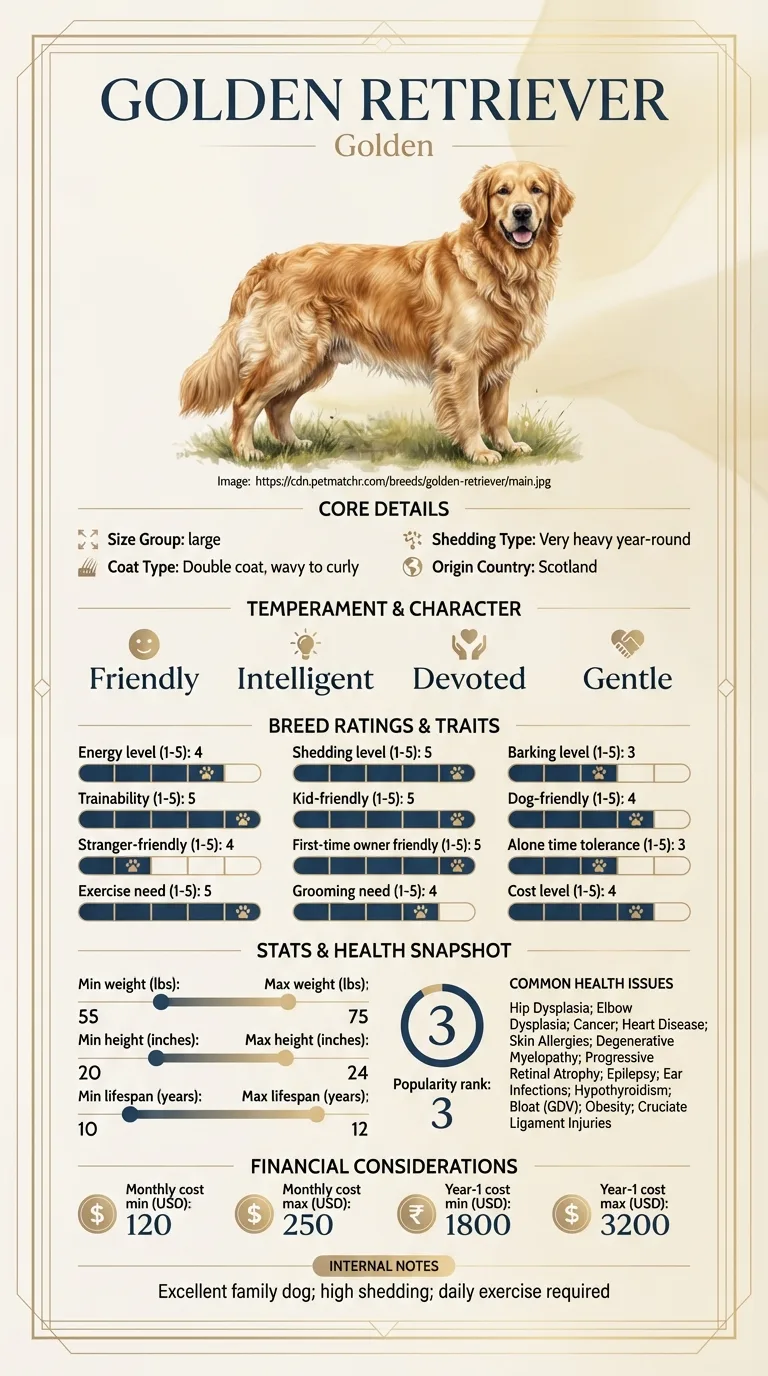
Treatment costs can vary widely but generally range from $120 to $250 monthly, depending on the severity of the condition and necessary treatments.
Training can provide mental stimulation and reduce stress, which may help improve the overall health of Golden Retrievers suffering from autoimmune diseases.