Problem

Golden Retriever Anesthesia Sensitivity: What You Need to Know

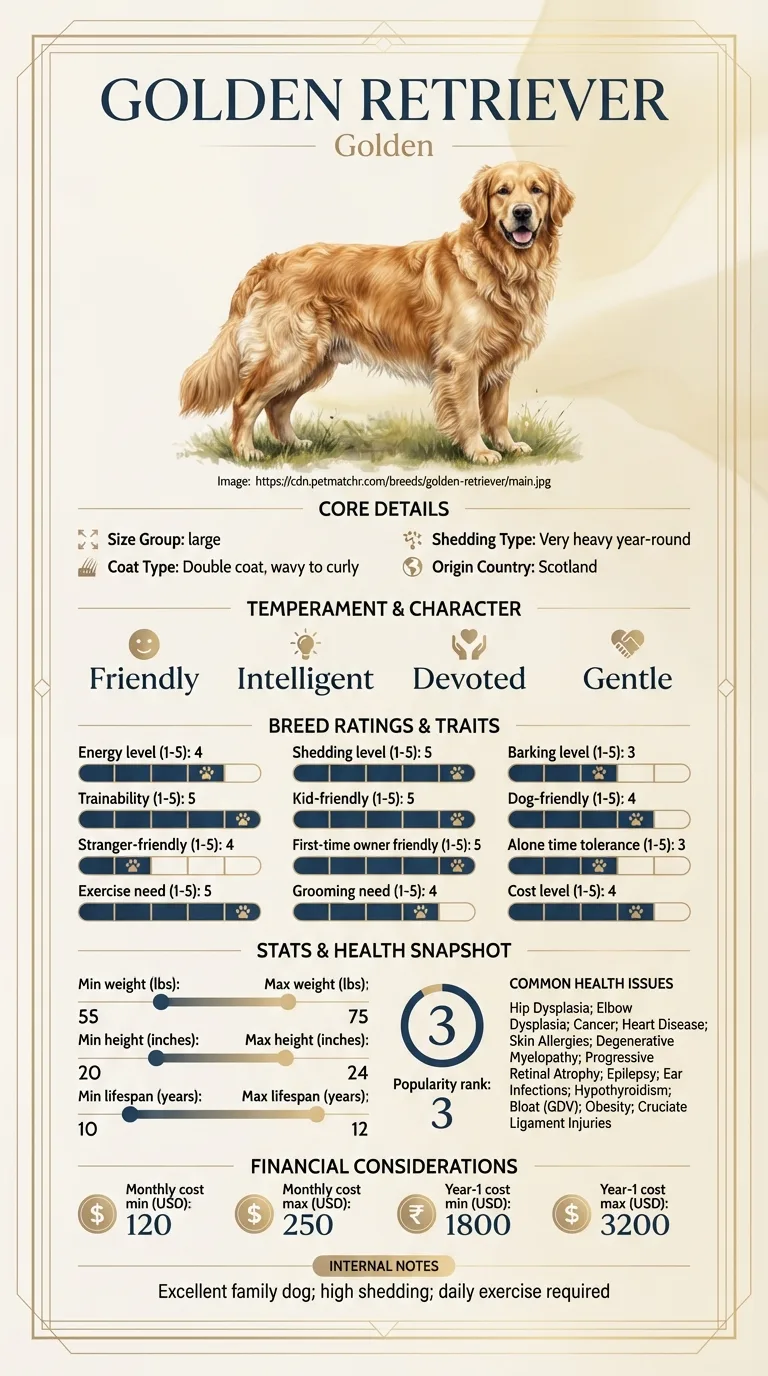
Golden Retriever anesthesia sensitivity is a serious issue that can affect your dog's health.

Golden Retriever Anesthesia Sensitivity: What You Need to Know photo

What you can try

Mistakes that make this worse

Avoiding these common mistakes can help improve your Golden Retriever's anesthesia sensitivity.

When Golden Retriever Anesthesia Sensitivity is an Emergency

If your Golden Retriever shows any of the following red flags after anesthesia, contact your vet right away:

These symptoms could signify severe complications related to anesthesia sensitivity. If you observe these, do not wait; seek veterinary assistance immediately.

In contrast, mild cases can often be monitored at home. If your Golden Retriever experiences:

In these situations, keep a close watch and maintain a log of symptoms. If the condition does not improve within a few hours or worsens, reach out to your vet for guidance. Always trust your instincts as a pet owner; if something feels off, it’s better to err on the side of caution.

Remember, your vet is there to help with any concerns you have about your dog's health.

Golden Retriever Anesthesia Sensitivity: What You Need to Know - When Golden Retriever Anesthesia Sensitivity is an Emergency

Frequently asked questions

Why does my Golden Retriever have anesthesia sensitivity?

Golden Retrievers may have anesthesia sensitivity due to their genetic makeup or existing health issues. It's important to discuss any concerns with your vet, who can assess your dog's health history and recommend the best anesthetic protocols.

How can I stop Golden Retriever anesthesia sensitivity?

To manage anesthesia sensitivity in Golden Retrievers, work closely with your veterinarian. They may use alternative medications or adjust dosages based on your dog's specific needs to minimize risks during procedures.

What signs indicate anesthesia sensitivity in Golden Retrievers?

Signs of anesthesia sensitivity include prolonged recovery times, unusual behavior post-surgery, or severe reactions to anesthetics. If you notice these signs, contact your vet immediately for guidance.

Are there specific breeds more prone to anesthesia sensitivity?

While Golden Retrievers can be sensitive, breeds with brachycephalic features, like Bulldogs, often face higher risks. It's essential to consult with your vet about your dog's breed and any potential anesthesia concerns.

What steps should I take before my Golden Retriever's surgery?

Before surgery, inform your vet about any previous reactions to anesthesia, current medications, and your dog's overall health. This transparency will help them plan the safest approach for your Golden Retriever.

Can training help with my Golden Retriever's anesthesia sensitivity?

While training can't eliminate anesthesia sensitivity, preparing your dog for visits to the vet can reduce anxiety. Positive reinforcement and desensitization can help your dog feel more comfortable during procedures.

What causes anesthesia sensitivity in Golden Retrievers?

Anesthesia sensitivity in Golden Retrievers can be due to genetic factors, health conditions, or previous reactions to anesthetics. Some breeds, including Goldens, may have a predisposition to adverse effects from certain medications. It's important to discuss your dog's history with your vet before any procedure.

How can I prepare my Golden Retriever for anesthesia?

To prepare your Golden Retriever for anesthesia, ensure they are well-hydrated and follow your vet's pre-surgery instructions. Inform your vet of any medications or health issues. Additionally, consider a pre-surgery training session to help reduce anxiety.

Are older Golden Retrievers more at risk for anesthesia sensitivity?

Yes, older Golden Retrievers may be at a higher risk for anesthesia sensitivity due to age-related health issues and decreased organ function. It's crucial to have a thorough health evaluation before any procedure to tailor anesthesia protocols to their needs.

What should I watch for after my Golden Retriever has anesthesia?

After anesthesia, monitor your Golden Retriever for unusual behavior such as excessive drooling, vomiting, or difficulty waking up. If you notice any severe symptoms or if your dog seems unwell, contact your vet immediately for advice.

Can training help with my Golden Retriever's anxiety around anesthesia?

Training can significantly help reduce anxiety related to anesthesia in Golden Retrievers. Techniques like desensitization and counter-conditioning can make them more comfortable. Consult with a professional trainer for tailored strategies to manage their anxiety.