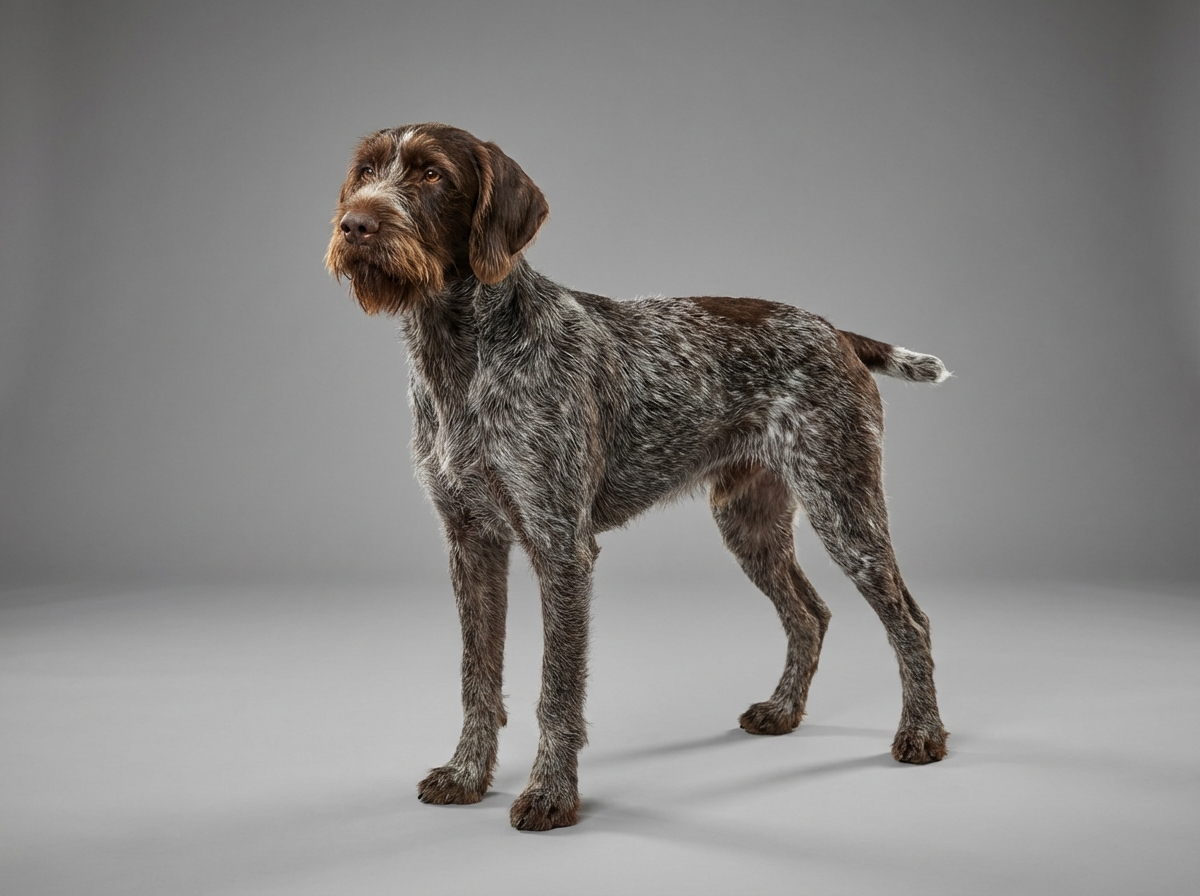
Behavior
What are quick tips for managing myotonia congenita?
Keep your German Wirehaired Pointer active with daily, gentle exercises to manage stiffness. Monitor their movements and avoid sudden activities that may strain their muscles.

Quick answer
What are quick tips for managing myotonia congenita?
Keep your German Wirehaired Pointer active with daily, gentle exercises to manage stiffness. Monitor their movements and avoid sudden activities that may strain their muscles.
German Wirehaired Pointer myotonia congenita can lead to muscle stiffness, impacting your dog's mobility and comfort.
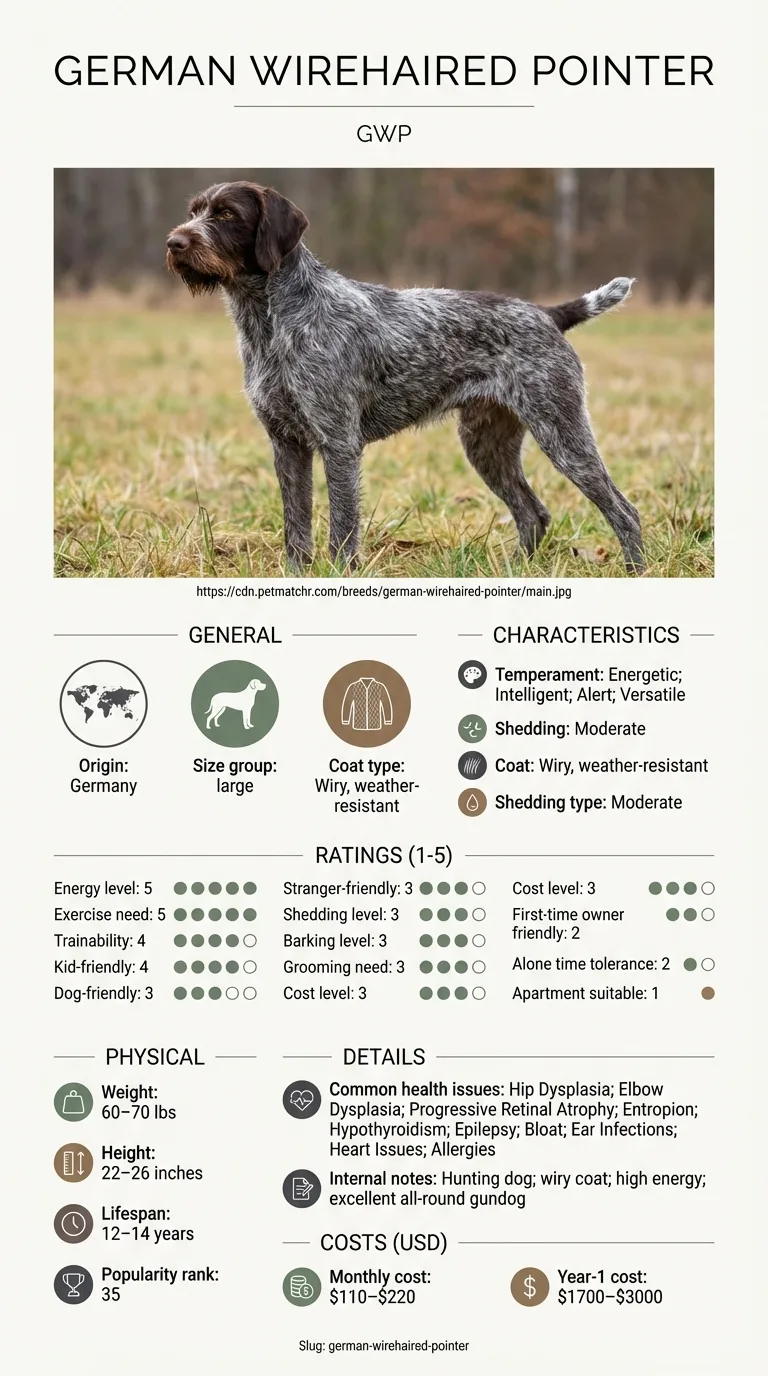
Typical owners facing this issue are those who have an energetic German Wirehaired Pointer. They want their dog to enjoy life without limitations but struggle with the impact of muscle stiffness on daily activities.
This guide is not medical advice. If your dog shows pain, sudden behavior change, or worsening symptoms, consult a licensed veterinarian.
Some links may be affiliate links. We may earn a commission at no extra cost to you. We only suggest products we believe are helpful for dog owners.
We research and check what we publish, but we do not warrant that any figure, date, price, or statement is accurate, complete, or current, and we accept no liability for any loss, cost, injury, or other harm arising from the use of this site. Use it as one reference among several. You remain responsible for your own decisions and for your dog's care - confirm anything that matters with a licensed veterinarian or another qualified professional before you act on it. Full disclaimer.
Check this first
Recognizing when your German Wirehaired Pointer's myotonia congenita requires immediate veterinary attention is crucial. If you notice severe muscle stiffness that prevents your dog from moving, or if your pet collapses or seems disoriented, these are red flags. Other urgent signs include trouble breathing, excessive drooling, or signs of pain like whimpering or restlessness. These symptoms could indicate a serious underlying issue and should be addressed by a vet without delay.
In less severe cases, you may see occasional stiffness or difficulty in getting up after resting. If your German Wirehaired Pointer seems to recover quickly after a few moments of rest, this may not be an emergency. Monitoring their activity, ensuring they don’t overexert themselves, and maintaining a consistent routine can help manage milder symptoms. Keeping a log of episodes can also be beneficial for your vet.
It's important to have a plan in place for managing myotonia congenita. Regular vet check-ups are essential to monitor your dog’s condition and adjust treatment as necessary. Understanding the difference between an emergency and a situation that can be managed at home can help you make the best decisions for your furry friend.
If any of these apply, call your vet or an emergency clinic now. The rest of this page is for the cases that are not an emergency.
German Wirehaired Pointer myotonia congenita is a condition that causes muscle stiffness. This can lead to difficulty in movement, especially after rest or exercise. Owners may notice their GWP struggling to get up or move comfortably after lying down, which can be concerning.
Myotonia congenita is relatively uncommon in German Wirehaired Pointers, but it can occur in some individuals. It's essential to monitor your GWP for signs of stiffness and consult a vet if you notice persistent issues.
Myotonia congenita in German Wirehaired Pointers is often linked to genetic factors. This condition leads to muscle stiffness and can be traced back to inherited traits. As a large breed, GWPs may experience more pronounced symptoms due to their size and muscle structure.
Environmental factors can also play a role. Stress, lack of exercise, or improper training techniques might exacerbate muscle stiffness. For instance, if your GWP isn't getting enough physical activity, it may experience more discomfort.
Consult your vet if you notice severe symptoms or if your dog's stiffness worsens. Your vet can help rule out other health issues and may recommend treatments or therapies to support your dog's muscle health.
Avoiding common pitfalls can help manage your German Wirehaired Pointer's myotonia congenita. Here are several mistakes to steer clear of.
Start here: German Wirehaired Pointer Most Common Genetic Disorders: Guide
See all German Wirehaired Pointer health problems, which breeds are prone to myotonia congenita, or the full German Wirehaired Pointer breed guide for temperament, exercise needs and ownership costs.
With consistent care and follow-up with your vet, you may see improvement in your German Wirehaired Pointer's myotonia congenita symptoms within 3 to 6 months.
Success means your dog shows less muscle stiffness, is more comfortable during activities, and can engage in regular exercise without excessive difficulty.
When Sarah adopted Max, her German Wirehaired Pointer, she quickly noticed he struggled with muscle stiffness, especially after playtime. Initially, she felt overwhelmed, unsure of how to help him with myotonia congenita. After consulting her vet, she learned about tailored training exercises and stretches that could ease his stiffness. With patience and commitment, Sarah worked on these exercises daily. Within months, Max was more agile and enjoyed his walks again, showing noticeable improvement in his energy levels.
Key takeaway: Understanding your dog's condition and sticking to a structured training plan can lead to significant improvements in their quality of life.
German Wirehaired Pointer myotonia congenita is a genetic condition that causes muscle stiffness. This can lead to difficulties in movement, especially after rest. While it can affect their play and exercise, many dogs can still lead happy lives with proper management.
To help manage myotonia congenita, focus on a regular exercise routine that includes gentle warm-ups. Avoid sudden strenuous activities, as they can exacerbate stiffness. Consult your veterinarian about any specific training and care tips tailored to your dog's needs.
While there is no cure for myotonia congenita, treatments can help manage symptoms. Your vet may suggest medications or supplements to ease muscle stiffness. Regular check-ups are important to monitor your dog's condition and adjust care as needed.
Yes, training can help improve your dog's mobility and confidence. Focus on positive reinforcement techniques and slow, consistent exercises. Working with a professional trainer experienced in dealing with health issues can also be beneficial.
Myotonia congenita in German Wirehaired Pointers is often caused by a genetic mutation. This condition leads to muscle stiffness and difficulty relaxing muscles after contraction, impacting their movement.
For older German Wirehaired Pointers with myotonia congenita, gentle and regular exercise is essential. It can help keep their muscles flexible and reduce stiffness, but always consult your vet for a tailored exercise plan.
If you notice increased stiffness, difficulty walking, or prolonged muscle contractions in your German Wirehaired Pointer, these may be signs of worsening myotonia congenita. It’s crucial to consult with your vet for an evaluation.
Yes, training can help manage myotonia congenita. Consistent, positive reinforcement training can improve your dog's muscle control and overall behavior, making daily life easier.
Myotonia congenita is not extremely common, but it can occur in German Wirehaired Pointers due to genetic factors. If you have concerns about your dog’s health, it’s best to discuss with a vet who is familiar with this breed.
Keep your German Wirehaired Pointer active with daily, gentle exercises to manage stiffness. Monitor their movements and avoid sudden activities that may strain their muscles.
Aim for short, regular exercise sessions several times a day, rather than one long session. This helps keep their muscles relaxed and reduces stiffness.
Keep an eye out for signs of discomfort or reluctance to move, which may indicate increased stiffness. If you notice these changes, consult your vet for guidance.
A one-page prep sheet for this condition: the signs, the questions to ask, what to get priced. Unlocks here.
You get: Vet visit prep sheet
No spam. One-click unsubscribe. See our privacy policy.
Preview page 1 before you decide.