Behavior
How to stop German Wirehaired Pointer genetic load?
Focus on responsible breeding and regular vet check-ups to identify and manage health issues early.

Quick answer
How to stop German Wirehaired Pointer genetic load?
Focus on responsible breeding and regular vet check-ups to identify and manage health issues early.
The German Wirehaired Pointer genetic load can impact your dog's health and behavior. Understanding this issue is crucial for any owner.
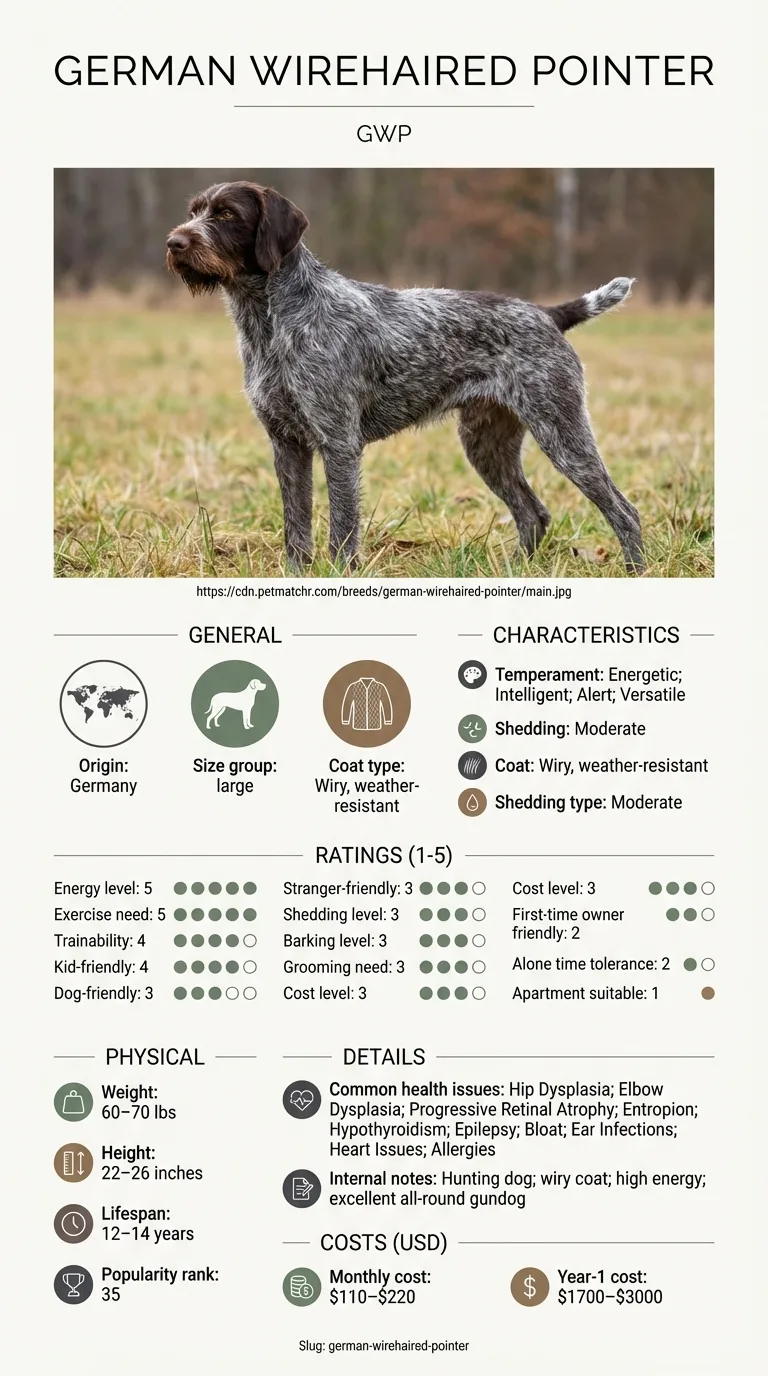
New and experienced owners alike may find themselves grappling with the genetic load of their German Wirehaired Pointer. If your dog is exhibiting unusual behaviors or health problems, you may be facing challenges related to their genetic background.
This guide is not medical advice. If your dog shows pain, sudden behavior change, or worsening symptoms, consult a licensed veterinarian.
Some links may be affiliate links. We may earn a commission at no extra cost to you. We only suggest products we believe are helpful for dog owners.
We research and check what we publish, but we do not warrant that any figure, date, price, or statement is accurate, complete, or current, and we accept no liability for any loss, cost, injury, or other harm arising from the use of this site. Use it as one reference among several. You remain responsible for your own decisions and for your dog's care - confirm anything that matters with a licensed veterinarian or another qualified professional before you act on it. Full disclaimer.
Check this first
Understanding when the genetic load of your German Wirehaired Pointer (GWP) becomes an emergency is crucial for their health. Certain signs indicate immediate veterinary care is necessary, while others can be monitored at home with a plan.
Red-Flag Signs: If your GWP shows severe symptoms such as sudden lethargy, difficulty breathing, excessive vomiting, or seizures, call your vet immediately. These could be signs of serious genetic conditions like bloat or heart issues, which require urgent attention.
Mild Cases to Watch: On the other hand, if your dog has mild symptoms like occasional vomiting, slight lethargy, or changes in appetite, it may be safe to monitor their condition for a few days. Keeping an eye on these symptoms can help you determine if a vet visit is needed later.
A good plan is to keep a journal of your dog's symptoms, noting their frequency and severity. If symptoms persist or worsen, don't hesitate to reach out to your vet for guidance. Every dog is unique, and what might be mild for one could be serious for another. Stay proactive about your GWP's health!
If any of these apply, call your vet or an emergency clinic now. The rest of this page is for the cases that are not an emergency.
The German Wirehaired Pointer genetic load refers to the accumulation of harmful genetic variants that can affect the breed's health. Owners may notice behavioral issues, frequent vet visits, or unexpected health conditions linked to this genetic predisposition. These challenges can create daily stress and uncertainty for owners who want the best for their furry friends.
Genetic load is relatively common in German Wirehaired Pointers due to their breeding history. Many dogs in this breed may show signs of genetic health issues, making awareness and proactive care essential for owners.
The German Wirehaired Pointer (GWP) has a genetic predisposition that can lead to a higher concentration of harmful genetic variants. This breed was developed for versatility in hunting, which may have contributed to a lack of genetic diversity over time. As a result, certain inherited health issues can manifest more frequently in GWPs.
Environmental factors, such as poor nutrition, lack of exercise, and inadequate socialization, can exacerbate genetic vulnerabilities. Stressful environments or inconsistent training can also increase behavioral issues related to their genetic load. These factors can lead to anxiety and other problems if not addressed properly.
If your dog shows signs of health problems or persistent anxiety, seek advice from your veterinarian. They can help determine if medical intervention is necessary or if specific tests should be conducted to assess your GWP's health.
Many owners unintentionally reinforce the genetic load issues in their German Wirehaired Pointer. Here are some common mistakes to avoid, along with safer alternatives.
Start here: German Wirehaired Pointer Most Common Genetic Disorders: Guide
See all German Wirehaired Pointer health problems, which breeds are prone to genetic load, or the full German Wirehaired Pointer breed guide for temperament, exercise needs and ownership costs.
Working on managing your German Wirehaired Pointer's genetic load can take several months to see noticeable improvements. Consistent care and routine vet check-ups are essential.
Success means your dog shows fewer health issues associated with genetic load, improved behavior, and a better overall quality of life. Regular vet visits and adherence to a training plan will help.
Sarah, a busy nurse from Denver, adopted Max, a German Wirehaired Pointer. She quickly noticed he had a high energy level and some behavior issues, which she later learned were linked to his genetic load. After consulting with her vet, she implemented a structured training regimen and began regular vet visits to monitor Max's health. Gradually, Max became more manageable, with fewer anxiety episodes and better behavior around other dogs. Sarah found that incorporating daily exercise and mental stimulation made a significant difference in their quality of life.
Key takeaway: Understanding your dog’s genetic load is crucial. With the right training and care, you can manage health and behavior challenges effectively.
The German Wirehaired Pointer may have a genetic load due to its breeding history. This breed has been subject to selective breeding, which can sometimes lead to a higher concentration of harmful genetic variants. It's important to choose responsible breeders who conduct health screenings to minimize these risks. This answer relates to German Wirehaired Pointer genetic load.
Managing genetic load involves regular health check-ups with your vet. You should also consider a balanced diet, regular exercise, and mental stimulation to promote overall well-being. Early detection of any health issues can help address problems before they become severe.
Common signs of genetic issues can include unusual behavior, difficulty with mobility, or frequent health problems like skin allergies or ear infections. If you notice any of these signs, consult your vet for a thorough evaluation.
Yes, training can alleviate some behavioral issues associated with genetic load. Consistent training can help improve behavior and strengthen the bond between you and your German Wirehaired Pointer. Focus on positive reinforcement methods to encourage good habits.
Some common health issues linked to genetic load include hip and elbow dysplasia, progressive retinal atrophy, and allergies. Regular vet visits and a proactive health plan can help manage these conditions effectively.
If your German Wirehaired Pointer exhibits unusual health issues like frequent infections, mobility problems, or changes in behavior, these could be signs of a high genetic load. Regular vet check-ups and genetic testing can help identify underlying issues.
Providing a balanced diet, regular exercise, and mental stimulation can help manage some genetic load issues. Additionally, working with a vet for tailored health plans and training can significantly improve your dog's quality of life.
While you can't change a dog's genetic background, responsible breeding practices can help reduce genetic load in future generations. Choose breeders who prioritize health testing and genetic screening for their breeding dogs.
If your dog shows persistent health issues or behavioral changes, it's essential to consult a vet. Early intervention can lead to better management of genetic load-related problems.
Yes, a higher genetic load can lead to various health issues that may impact your dog's lifespan. Regular veterinary care and proactive management can help improve their longevity and overall well-being.
Focus on responsible breeding and regular vet check-ups to identify and manage health issues early.
A balanced diet rich in nutrients can help support overall health and mitigate some genetic concerns.
Regular vet visits, ideally at least once a year, are crucial for monitoring health and addressing any genetic concerns.
Positive reinforcement techniques are effective in promoting good behavior and managing stress related to genetic load.
Stay informed about potential health issues, exercise regularly, and maintain a strong bond through training.
A one-page prep sheet for this condition: the signs, the questions to ask, what to get priced. Unlocks here.
You get: Vet visit prep sheet
No spam. One-click unsubscribe. See our privacy policy.
Preview page 1 before you decide.