Behavior
What are quick tips for managing gastrointestinal disorders in German Wirehaired Pointers?
Maintain a consistent diet, avoid sudden food changes, and monitor for any reactions to new foods.

Quick answer
What are quick tips for managing gastrointestinal disorders in German Wirehaired Pointers?
Maintain a consistent diet, avoid sudden food changes, and monitor for any reactions to new foods.
German Wirehaired Pointer gastrointestinal disorders can lead to serious discomfort and health issues. It's crucial to recognize the signs early.
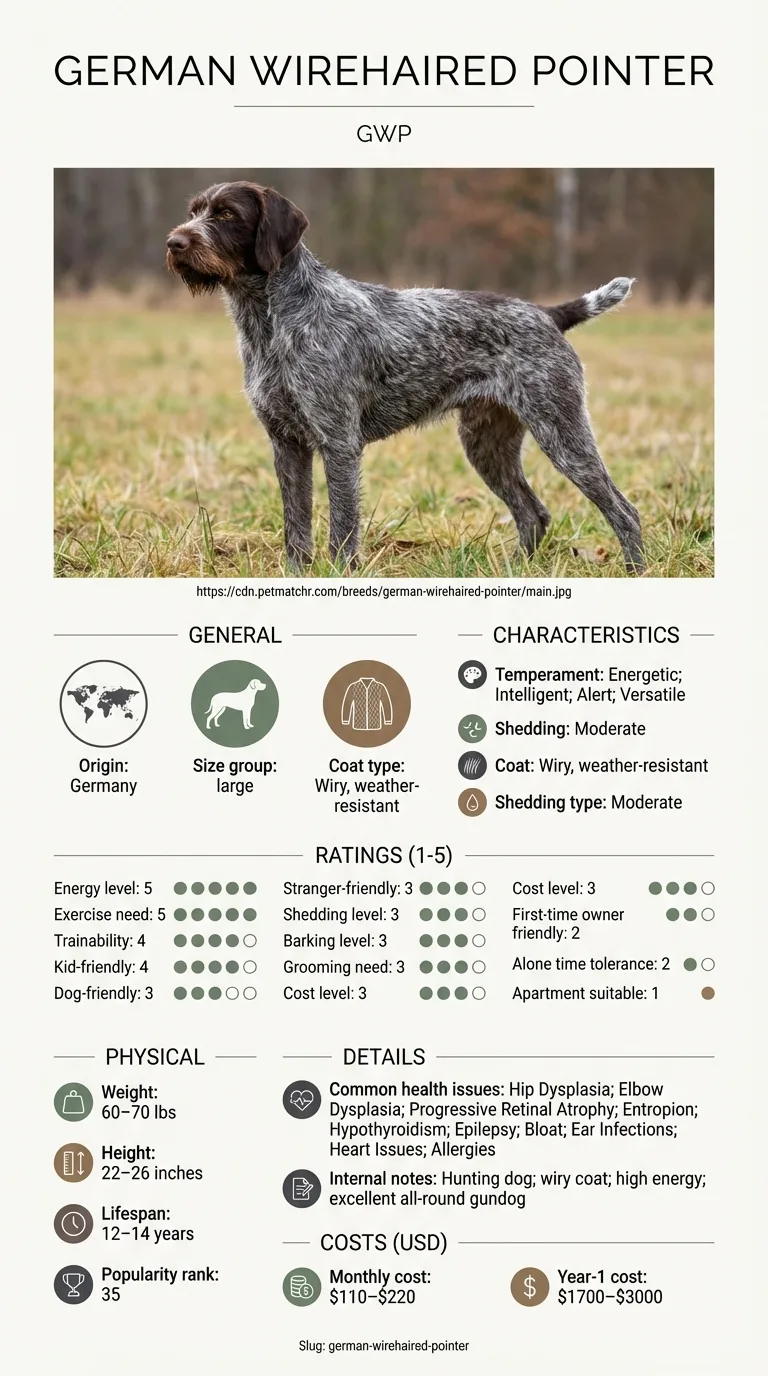
Owners of German Wirehaired Pointers, especially those with active lifestyles, may find it challenging to manage their dog's dietary needs and health. Busy families or first-time dog owners may feel overwhelmed by these potential health problems.
This guide is not medical advice. If your dog shows pain, sudden behavior change, or worsening symptoms, consult a licensed veterinarian.
Some links may be affiliate links. We may earn a commission at no extra cost to you. We only suggest products we believe are helpful for dog owners.
We research and check what we publish, but we do not warrant that any figure, date, price, or statement is accurate, complete, or current, and we accept no liability for any loss, cost, injury, or other harm arising from the use of this site. Use it as one reference among several. You remain responsible for your own decisions and for your dog's care - confirm anything that matters with a licensed veterinarian or another qualified professional before you act on it. Full disclaimer.
Check this first
Call your vet immediately if your dog shows any of these red-flag signs: - Severe vomiting or diarrhea lasting more than 24 hours. - Blood in vomit or stool, indicating a serious underlying issue. - Lethargy or weakness, which could signal dehydration or shock. - Abdominal swelling or pain, suggesting bloat or other severe conditions. These symptoms can indicate life-threatening conditions that require prompt treatment.
In contrast, if your German Wirehaired Pointer has mild gastrointestinal upset, you can monitor their condition at home. Look out for: - Occasional vomiting or diarrhea without blood or severe discomfort. - Mild lethargy that improves with rest and hydration. - Changes in appetite that last only a day or two. In these situations, you can often manage the issue with dietary adjustments or vet-recommended care.
Keep a close eye on your dog in these mild cases, and contact your vet if symptoms worsen or persist beyond a couple of days. It's better to err on the side of caution when it comes to your dog's health.
If any of these apply, call your vet or an emergency clinic now. The rest of this page is for the cases that are not an emergency.
German Wirehaired Pointer gastrointestinal disorders can manifest in various ways, such as vomiting, diarrhea, or a lack of appetite. These issues often stem from inflammatory bowel disease, pyloric stenosis, acid reflux, or hiatal hernia. Owners may notice their dog straining to pass stools or experiencing discomfort after eating.
Gastrointestinal disorders are relatively common in German Wirehaired Pointers, with many owners reporting issues at some point. Being aware of this can help in managing their diet and stress levels effectively.
German Wirehaired Pointers, like many large breeds, can be prone to gastrointestinal disorders due to their size and active lifestyle. Their energetic nature may lead them to eat quickly or consume inappropriate items, which can upset their stomachs. Additionally, genetics may play a role, as some dogs in this breed are more susceptible to conditions like bloat, inflammatory bowel disease, or acid reflux.
Environmental factors can also contribute to gastrointestinal disorders in German Wirehaired Pointers. Stress from changes in routine, moving to a new home, or improper diet can all lead to digestive issues. Poor food quality or sudden changes in diet can irritate their sensitive stomachs, making it crucial to maintain a consistent and healthy eating routine.
If your dog experiences persistent vomiting, diarrhea, or signs of pain like whining or restlessness, it's time to contact your vet. They can rule out serious health issues and suggest appropriate treatment for gastrointestinal disorders.
Avoiding these common mistakes can help your German Wirehaired Pointer with gastrointestinal disorders feel better faster.
Start here: German Wirehaired Pointer Most Common Genetic Disorders: Guide
See all German Wirehaired Pointer health problems, which breeds are prone to gastrointestinal disorders, or the full German Wirehaired Pointer breed guide for temperament, exercise needs and ownership costs.
It typically takes 4 to 6 weeks to see significant improvement in a German Wirehaired Pointer with gastrointestinal disorders after implementing dietary changes and care.
Success means your dog shows stable digestion, regular bowel movements, and decreased discomfort. You'll also notice a more energetic and happy dog.
Emily, a first-time dog owner, was excited to welcome Otto, her German Wirehaired Pointer. However, she soon discovered that he struggled with gastrointestinal disorders, often experiencing vomiting and diarrhea. After consulting her vet, Emily learned that Otto needed a specialized diet and a gradual introduction to new foods. With patience and consistency, Emily followed the vet's advice and kept a detailed food diary. Within a month, Otto's symptoms began to improve, and he became more playful and lively.
Key takeaway: With the right diet and a little patience, you can manage your German Wirehaired Pointer's gastrointestinal disorders effectively.
German Wirehaired Pointers may experience gastrointestinal disorders due to a variety of factors. Common causes include diet changes, food allergies, stress, or underlying health issues. It's essential to consult a vet to determine the exact cause and appropriate treatment. This answer relates to German Wirehaired Pointer gastrointestinal disorders.
To address gastrointestinal disorders in your German Wirehaired Pointer, start by keeping a consistent diet and avoiding sudden food changes. Gradually introduce any new foods and monitor for any adverse reactions. Regular vet check-ups and possibly specialized diets can also help manage these issues.
Yes, stress can contribute to gastrointestinal disorders in German Wirehaired Pointers. Changes in environment, schedule, or routine can trigger anxiety. Creating a stable, calm environment and using training techniques to reduce stress can be beneficial.
Introducing a high-quality, easily digestible diet can help alleviate gastrointestinal issues. Look for foods that are grain-free or have limited ingredients to identify potential allergens. Consult your veterinarian for specific recommendations based on your dog's needs.
Common signs of gastrointestinal disorders include vomiting, diarrhea, loss of appetite, and excessive gas. If your German Wirehaired Pointer shows these symptoms, it's important to monitor their condition closely.
You should take your German Wirehaired Pointer to the vet if symptoms persist for more than 24 hours, if they are lethargic, or if they show signs of dehydration. Prompt attention can help prevent serious complications.
Yes, some gastrointestinal disorders may have a genetic component. If you have concerns about your dog's health, discussing family health history with your vet can provide insights into potential risks.
Switching to a high-quality, easily digestible diet can help manage gastrointestinal disorders. It's best to consult with your vet for tailored dietary recommendations based on your dog's specific needs.
Older German Wirehaired Pointers can indeed be more prone to gastrointestinal disorders due to age-related changes in their digestive system. Regular vet check-ups are vital to catch any issues early.
Maintain a consistent diet, avoid sudden food changes, and monitor for any reactions to new foods.
Regular vet visits, at least once a year, are crucial, especially if gastrointestinal issues persist.
Yes, reducing stress through a stable environment and training can improve your dog's digestive health.
Common issues include hip dysplasia, bloat, and allergies, which can affect overall health and digestion.
A one-page prep sheet for this condition: the signs, the questions to ask, what to get priced. Unlocks here.
You get: Vet visit prep sheet
No spam. One-click unsubscribe. See our privacy policy.
Preview page 1 before you decide.