Behavior
What are quick tips for managing German Wirehaired Pointer cataracts?
Keep your dog’s environment safe by minimizing obstacles. Regular vet check-ups are crucial to monitor their eye health and overall condition.

Quick answer
What are quick tips for managing German Wirehaired Pointer cataracts?
Keep your dog’s environment safe by minimizing obstacles. Regular vet check-ups are crucial to monitor their eye health and overall condition.
Cataracts in German Wirehaired Pointers can cloud their vision and affect their quality of life.
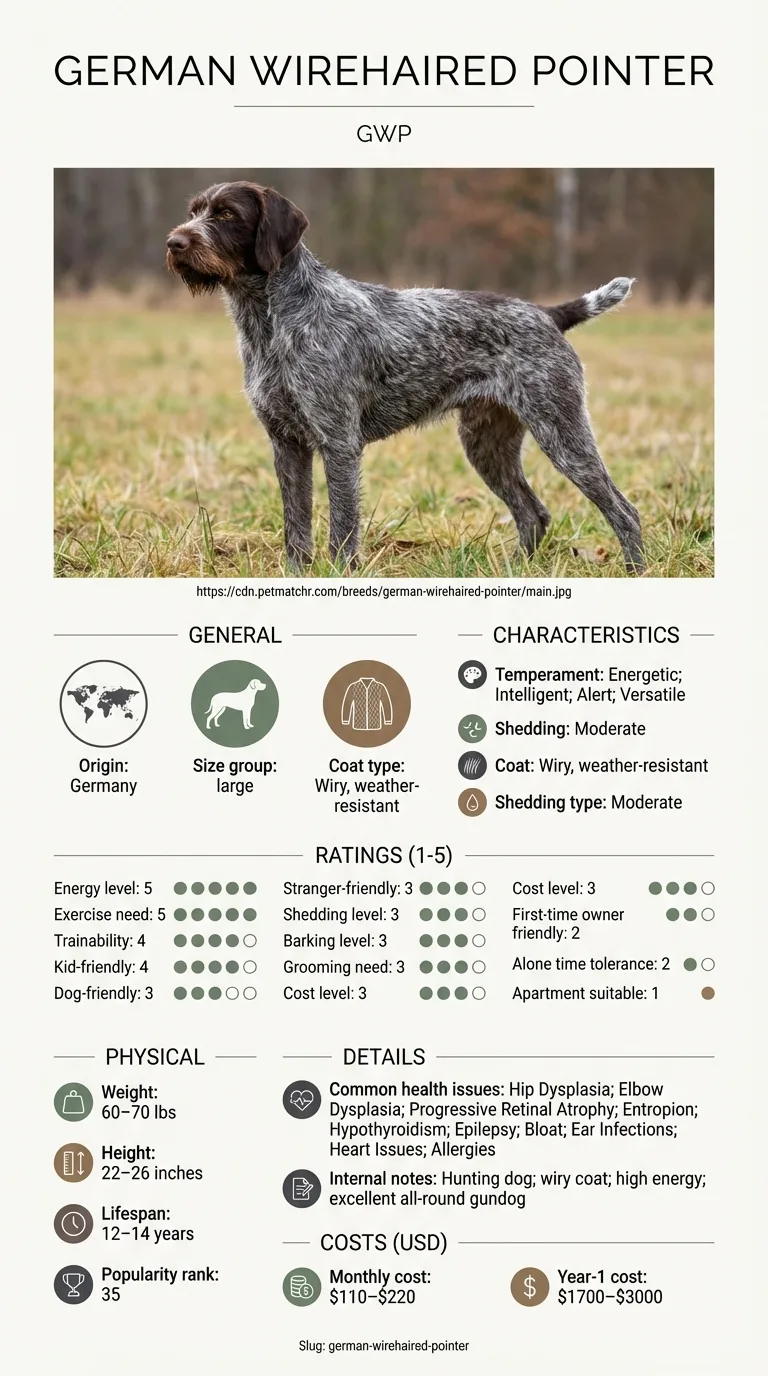
Owners of German Wirehaired Pointers, especially those who notice changes in their dog's vision or behavior, often face this issue. It's particularly concerning for first-time dog owners who may not be familiar with the signs of cataracts.
This guide is not medical advice. If your dog shows pain, sudden behavior change, or worsening symptoms, consult a licensed veterinarian.
Some links may be affiliate links. We may earn a commission at no extra cost to you. We only suggest products we believe are helpful for dog owners.
We research and check what we publish, but we do not warrant that any figure, date, price, or statement is accurate, complete, or current, and we accept no liability for any loss, cost, injury, or other harm arising from the use of this site. Use it as one reference among several. You remain responsible for your own decisions and for your dog's care - confirm anything that matters with a licensed veterinarian or another qualified professional before you act on it. Full disclaimer.
Check this first
Understanding when cataracts in your German Wirehaired Pointer require immediate veterinary attention is crucial. Not all signs of cataracts are urgent, but some red flags indicate a need for prompt medical care. If your dog shows sudden changes in vision, such as bumping into objects or appearing disoriented, it's time to call your vet. Other emergency signs include excessive squinting, watery eyes, or signs of pain like pawing at the eyes or refusing to open them. These symptoms may indicate complications that could worsen without treatment.
On the other hand, if you notice mild cloudiness in your dog's eyes but they are still eating, playing, and interacting normally, you may not need to rush to the vet. Monitor your dog closely for any changes over the next few days. If the cloudiness remains stable, schedule a routine check-up instead of an emergency visit. Keeping an eye on their behavior can help you decide if a vet visit is necessary or if you can wait and see how things develop.
If any of these apply, call your vet or an emergency clinic now. The rest of this page is for the cases that are not an emergency.
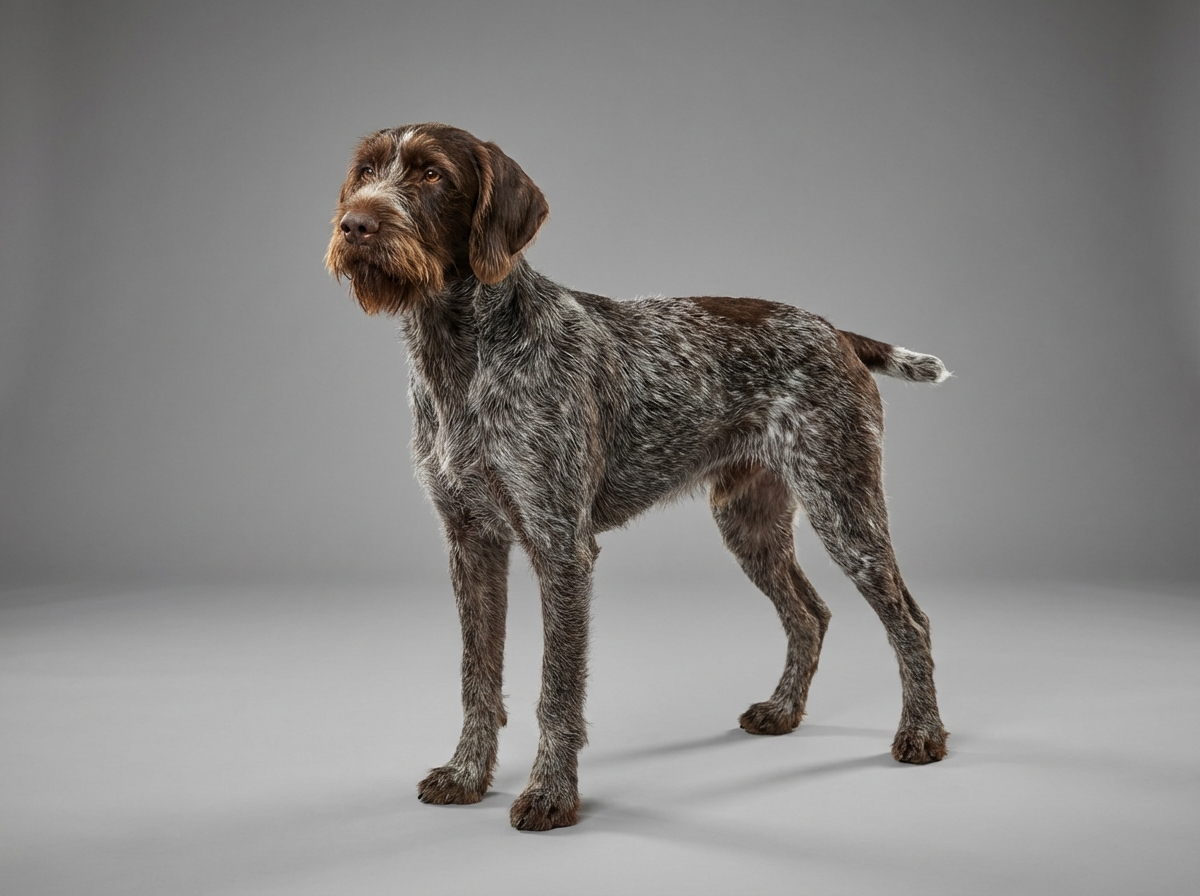
German Wirehaired Pointer cataracts are a common eye issue that affects many dogs as they age. This condition causes the lens of the eye to become cloudy, leading to vision impairment or even blindness. Owners may notice their dog having difficulty seeing in bright light or bumping into objects.
Cataracts are relatively common in German Wirehaired Pointers, especially in older dogs. While not every GWP will develop cataracts, it's essential to monitor their eye health as they age.
German Wirehaired Pointers can be prone to cataracts due to genetic factors. This breed is known to have an increased risk of eye-related conditions, including cataracts, which can develop as they age. In some cases, cataracts can be linked to inherited traits, making it essential for owners to be aware of their dog's family history.
Environmental factors can also contribute to the development of cataracts in German Wirehaired Pointers. Prolonged exposure to UV light without protection, poor nutrition lacking essential vitamins, and underlying health issues such as diabetes can all play a role. These external influences can accelerate the onset of cataracts, impacting your dog's vision.
It's crucial to talk to your vet if you notice any signs of cataracts, such as cloudy eyes or sudden changes in vision. Early intervention can prevent further complications. Your vet may recommend an eye specialist for a comprehensive assessment and treatment options.
Understanding what not to do is just as important as knowing how to help your German Wirehaired Pointer with cataracts. Here are some common mistakes to avoid.
Start here: German Wirehaired Pointer Most Common Genetic Disorders: Guide
See all German Wirehaired Pointer health problems, which breeds are prone to cataracts, or the full German Wirehaired Pointer breed guide for temperament, exercise needs and ownership costs.
If detected early, cataracts in your German Wirehaired Pointer can be managed over a few months with proper care and veterinary guidance.
Success means you will notice an improvement in your dog's vision and quality of life after treatment. Regular check-ups will help monitor the condition.
Maggie, a lively 5-year-old German Wirehaired Pointer, started bumping into furniture and seemed hesitant during walks. Her owner, Sarah, took her to the vet, who diagnosed her with cataracts. Initially overwhelmed, Sarah learned that surgery was an option but also that managing Maggie’s environment could help. They adjusted their home, using brighter lights and avoiding crowded areas. With time, Maggie adapted and thrived, and Sarah felt relieved knowing she could support her dog's needs during this challenge.
Key takeaway: Early intervention and environmental adjustments can significantly improve the quality of life for dogs with cataracts.
Cataracts in German Wirehaired Pointers can develop due to aging, genetic factors, or certain health conditions like diabetes. If you notice cloudiness in your dog's eyes, it’s essential to consult your veterinarian for a thorough examination.
Look for signs like cloudy or bluish eyes, difficulty seeing in low light, or changes in behavior such as bumping into objects. These symptoms suggest it may be time for a vet visit.
The primary treatment for cataracts is surgical removal of the cloudy lens. Your vet will guide you on the best options available based on your dog's overall health and the severity of the condition.
While not all cataracts can be prevented, maintaining a healthy diet and regular vet check-ups can help catch issues early. Managing underlying conditions like diabetes can also reduce the risk.
Many dogs adapt well to living with cataracts, but their quality of life may decline without treatment. Surgery can significantly improve their vision and overall well-being.
Schedule a vet appointment as soon as possible. Early diagnosis can lead to better management of the condition and improve your dog’s quality of life.
Yes, cataracts can lead to blindness if left untreated. It's important to monitor your dog's vision and consult a vet if you notice any significant changes.
Signs of cataracts include cloudy or opaque eyes, difficulty seeing in bright light, and bumping into objects. If you notice these symptoms, it's best to see a veterinarian.
Yes, cataracts can be hereditary in German Wirehaired Pointers. If your dog has a family history of eye problems, you should be extra vigilant about regular check-ups.
Cataracts can develop at various ages, but they are more common in older dogs, typically starting around 8 years old. However, some younger dogs may also be affected.
While not all cataracts can be prevented, maintaining a healthy diet and regular vet check-ups can help. Keeping your dog active and managing weight also plays a role in eye health.
Keep your dog’s environment safe by minimizing obstacles. Regular vet check-ups are crucial to monitor their eye health and overall condition.
Surgery is the most effective treatment for cataracts, but your vet can provide guidance on managing the condition if surgery isn't an option.
Cataract surgery can range from $2,000 to $4,000, depending on the clinic and your dog's specific needs.
Yes, untreated cataracts can lead to other eye problems, including glaucoma. Regular veterinary care is vital to prevent complications.
Adjust their routine to include more supervised activities in safe spaces. Consider avoiding high-impact play that could lead to accidents.
A one-page prep sheet for this condition: the signs, the questions to ask, what to get priced. Unlocks here.
You get: Vet visit prep sheet
No spam. One-click unsubscribe. See our privacy policy.
Preview page 1 before you decide.