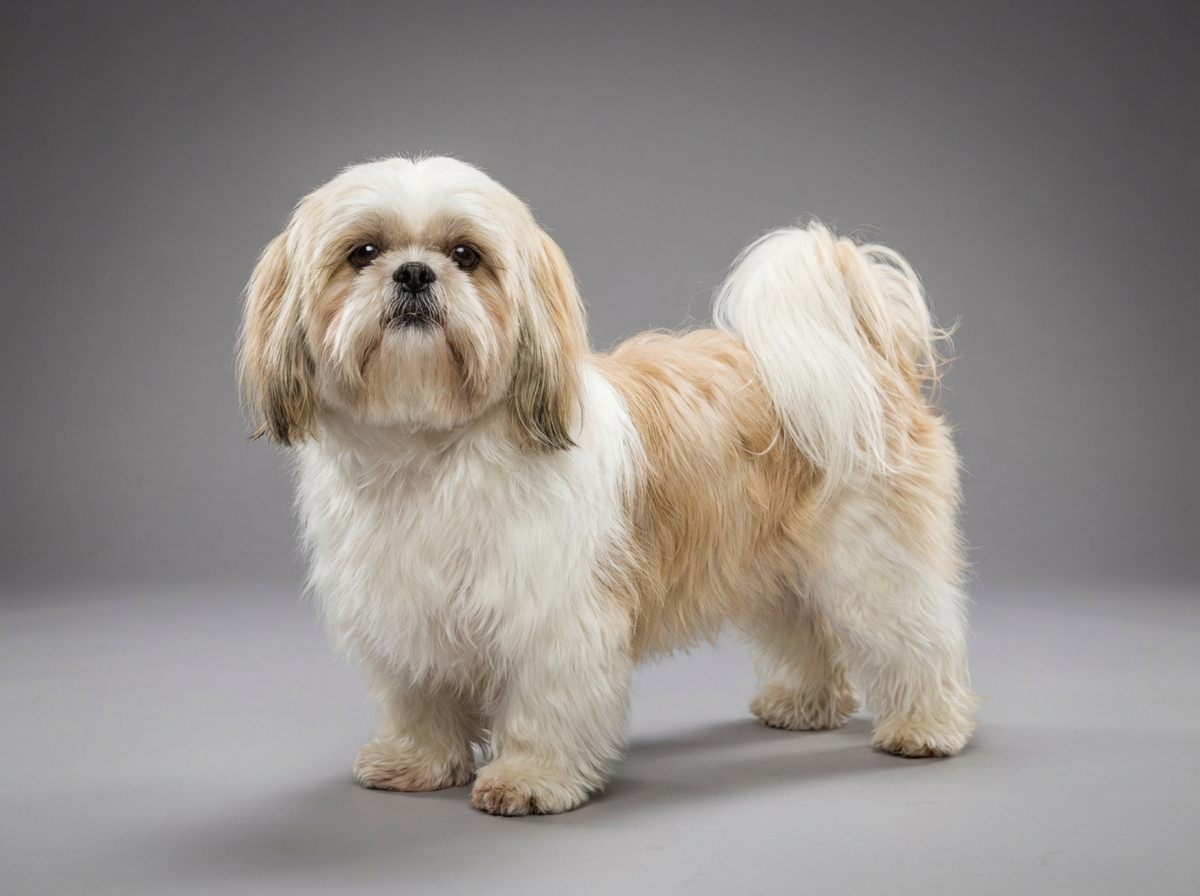
What are quick tips for managing German Wirehaired Pointer brachycephalic obstructive airway syndrome (boas)?
Keep your dog cool, limit exercise on hot days, and monitor their breathing. Regular vet check-ups are crucial for managing symptoms.
German Wirehaired Pointers can suffer from Brachycephalic Obstructive Airway Syndrome (BOAS), affecting their breathing and overall comfort. (German Wirehaired Pointer brachycephalic obstructive airway syndrome (boas))

Owners of German Wirehaired Pointers, especially those who lead active lifestyles, often face challenges managing this condition. It can be particularly concerning for first-time owners who may not recognize the signs or know how to help.
This guide is not medical advice. If your dog shows pain, sudden behavior change, or worsening symptoms, consult a licensed veterinarian.
Some links may be affiliate links. We may earn a commission at no extra cost to you. We only suggest products we believe are helpful for dog owners.
German Wirehaired Pointers (GWPs) can suffer from Brachycephalic Obstructive Airway Syndrome (BOAS), which causes breathing difficulties. This condition can lead to snoring, coughing, and even distress during exercise or hot weather. It's essential for dog owners to recognize these symptoms early to provide appropriate care.
BOAS is relatively common in breeds with shorter muzzles and can affect a notable percentage of GWPs. While not all GWPs will experience severe symptoms, awareness and proactive management are key.
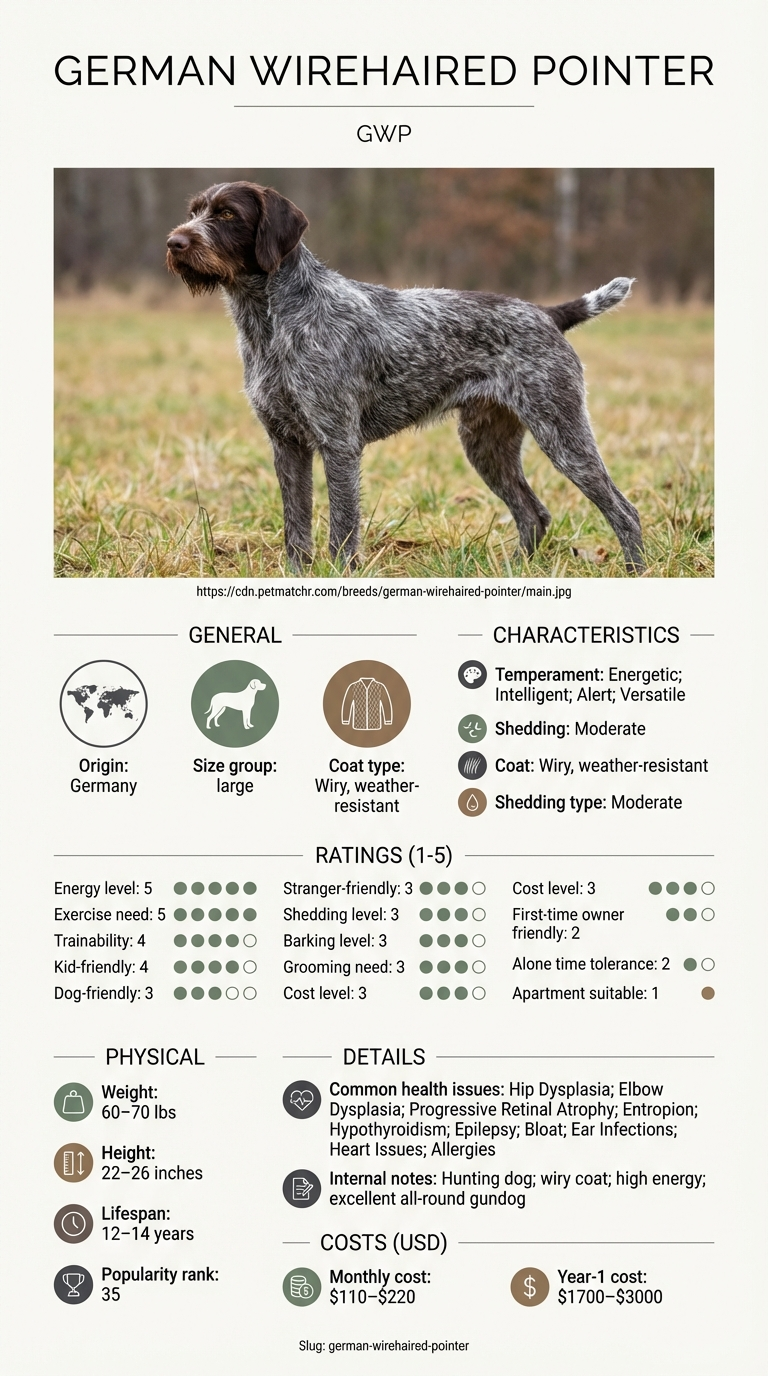
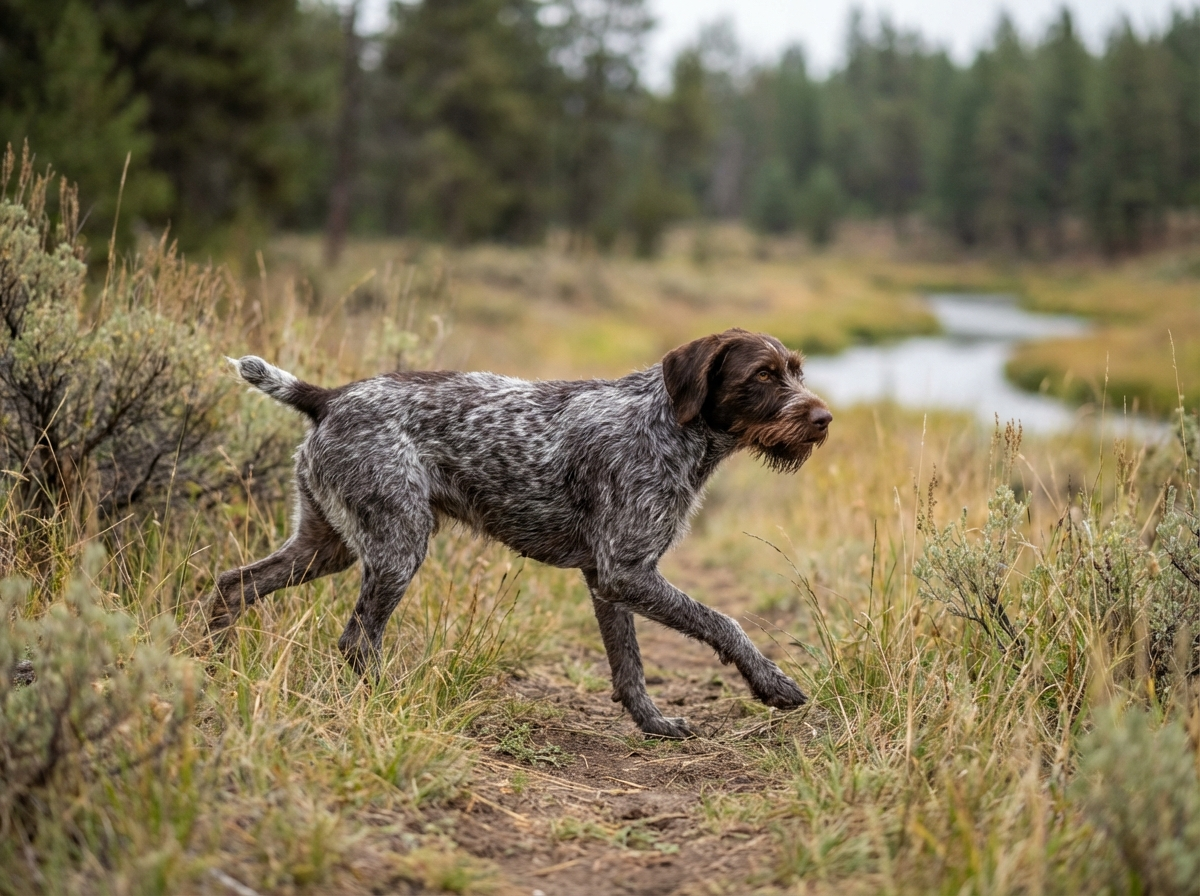
The German Wirehaired Pointer is not a brachycephalic breed; however, some individuals may have inherited traits that affect their breathing. Their larger size and unique facial structure can sometimes lead to mild respiratory issues. These traits may not be as pronounced as in true brachycephalic breeds, but they can still impact airflow.
Environmental factors can also contribute to breathing difficulties. High temperatures, high humidity, and exposure to allergens can exacerbate symptoms of Brachycephalic Obstructive Airway Syndrome (BOAS). Additionally, if your dog is overweight, it can further strain their respiratory system.
If you notice persistent breathing difficulties or excessive panting during normal activities, it may be time to consult a professional trainer. They can help you develop a tailored exercise plan that respects your dog's needs and limitations.
If your German Wirehaired Pointer shows signs of severe breathing issues, such as gasping for air or coughing frequently, contact your veterinarian immediately. They can assess the situation and recommend treatment options, which may include medication or lifestyle changes.
You can expect to see improvements in your German Wirehaired Pointer's breathing within a few weeks of consistent training and management. However, significant changes might take a few months, especially if there are underlying health issues.
Success looks like your dog breathing more easily during play and relaxation, showing less distress in warm weather, and not snoring excessively at night.
Avoid these common mistakes that can worsen your German Wirehaired Pointer's brachycephalic obstructive airway syndrome (BOAS) and delay improvement.
Brachycephalic obstructive airway syndrome (BOAS) can escalate quickly, so knowing when to call your vet is crucial. If your German Wirehaired Pointer shows severe signs such as gasping for air, bluish gums, or extreme lethargy, these are red flags. They indicate a potential emergency that requires immediate veterinary attention.

On the other hand, if your German Wirehaired Pointer has mild symptoms like snoring or occasional coughing, these may be manageable at home. Keep an eye on their behavior and ensure they rest in a cool, calm environment. Document any changes and reach out to your vet with updates to ensure you're on the right track.

Sarah adopted Max, her German Wirehaired Pointer, and quickly noticed he struggled to breathe, especially on hot days. Concerned, she researched German Wirehaired Pointer brachycephalic obstructive airway syndrome (BOAS) and consulted her vet. They developed a training plan that included controlled exercise and lessons on keeping Max cool. Over several months, Max's breathing improved significantly, allowing him to enjoy longer walks and playtime without distress. Sarah felt relieved seeing him happier and healthier.
Key takeaway: Addressing BOAS in German Wirehaired Pointers takes time and patience, but with proper training and care, you can greatly enhance your dog's quality of life.
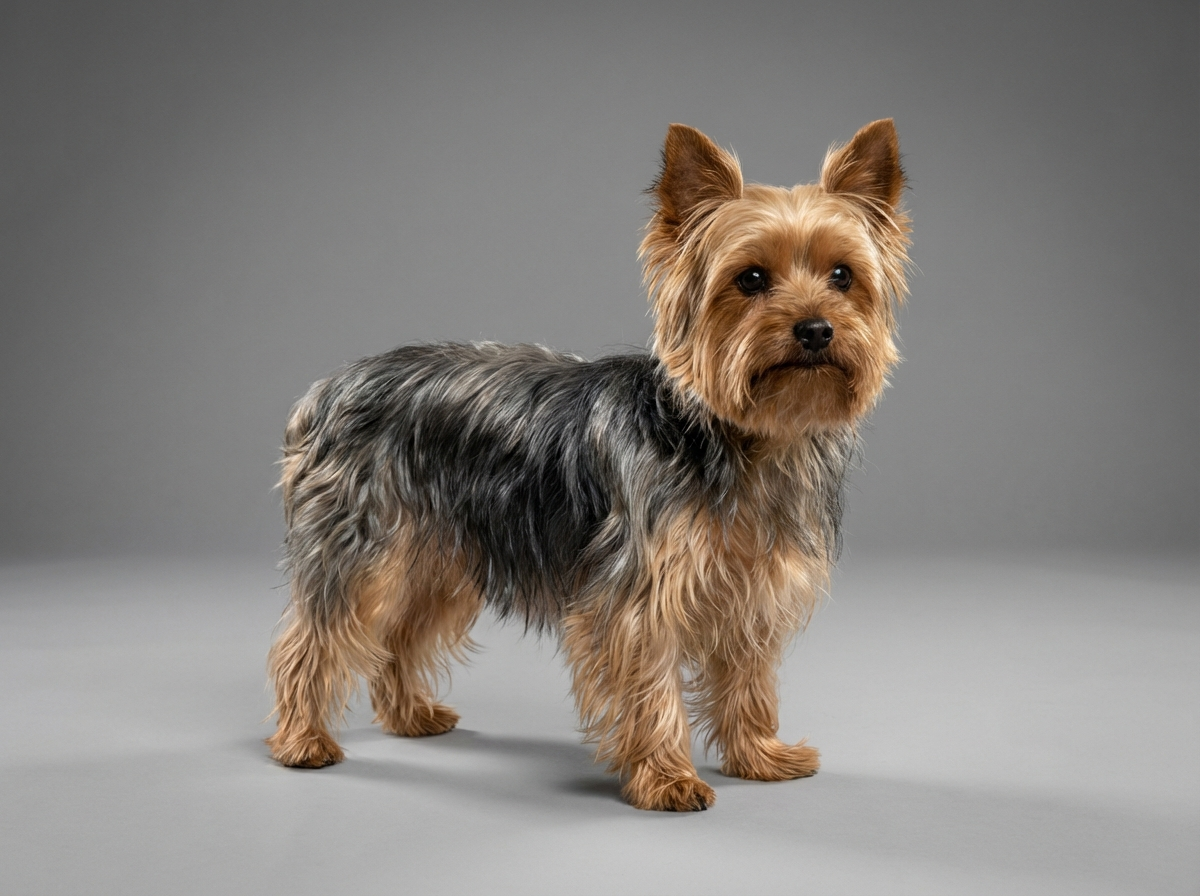
Brachycephalic obstructive airway syndrome (BOAS) occurs in dogs with short snouts, like some German Wirehaired Pointers. It can be caused by genetic factors, leading to physical abnormalities in the airway. Regular vet check-ups can help identify and manage this condition. This answer relates to German Wirehaired Pointer brachycephalic obstructive airway syndrome (boas).
To help alleviate breathing difficulties in your German Wirehaired Pointer, avoid strenuous activities, especially in hot weather. Keeping your dog calm and well-hydrated can also help. In severe cases, consult your vet about potential surgical options.
Signs of BOAS include loud snoring, difficulty breathing, and overheating. If your dog seems to tire easily during walks or has a persistent cough, it's important to consult your veterinarian for a thorough evaluation.
Yes, training can help manage BOAS by teaching your dog to remain calm and reducing stress during activities. Focus on positive reinforcement techniques to encourage relaxed behaviors. Always prioritize short, gentle exercises.
Consider creating a cool, comfortable environment for your dog. Limit exercise during hot weather and avoid situations that could cause stress or excitement. Regular vet visits are essential for monitoring their condition.
Common signs include labored breathing, snoring, and excessive heat sensitivity. If your German Wirehaired Pointer struggles to breathe, especially during exercise or in hot weather, it's important to consult your vet.
Yes, BOAS can become more pronounced as your German Wirehaired Pointer ages. Older dogs may experience increased breathing difficulties, so regular check-ups with your vet are essential to monitor their condition.
To help manage BOAS, ensure your dog maintains a healthy weight, avoid strenuous exercise in hot weather, and provide a cool, comfortable environment. Training for calm behavior can also be beneficial.
In some cases, surgery may be recommended to improve airflow. Your vet can help determine if this is the right option based on the severity of your dog's condition.
Training can help manage stress and anxiety, which may exacerbate breathing issues. Teaching calm commands and rewarding relaxed behavior can make a positive difference for your dog.
Keep your dog cool, limit exercise on hot days, and monitor their breathing. Regular vet check-ups are crucial for managing symptoms.
Hot and humid conditions can exacerbate breathing issues in dogs with BOAS. Ensure your dog has access to shade and water during outdoor activities.
Treatment costs can vary widely. Routine vet visits may range from $110 to $220 monthly, while surgical options can be significantly more expensive.
Yes, dogs with BOAS may also face other health challenges, such as heat sensitivity and exercise intolerance. Regular health monitoring is essential.