Behavior
What are quick tips for German Wirehaired Pointer bloat (gastric dilatation-volvulus/gdv)?
Feed smaller meals throughout the day and avoid exercise right after eating. Monitor for symptoms like a swollen belly and drooling.
German Wirehaired Pointer bloat is a serious condition that can be life-threatening. Understanding how to recognize and prevent it is crucial for your dog’s health. (German Wirehaired Pointer bloat (gastric dilatation-volvulus/gdv))
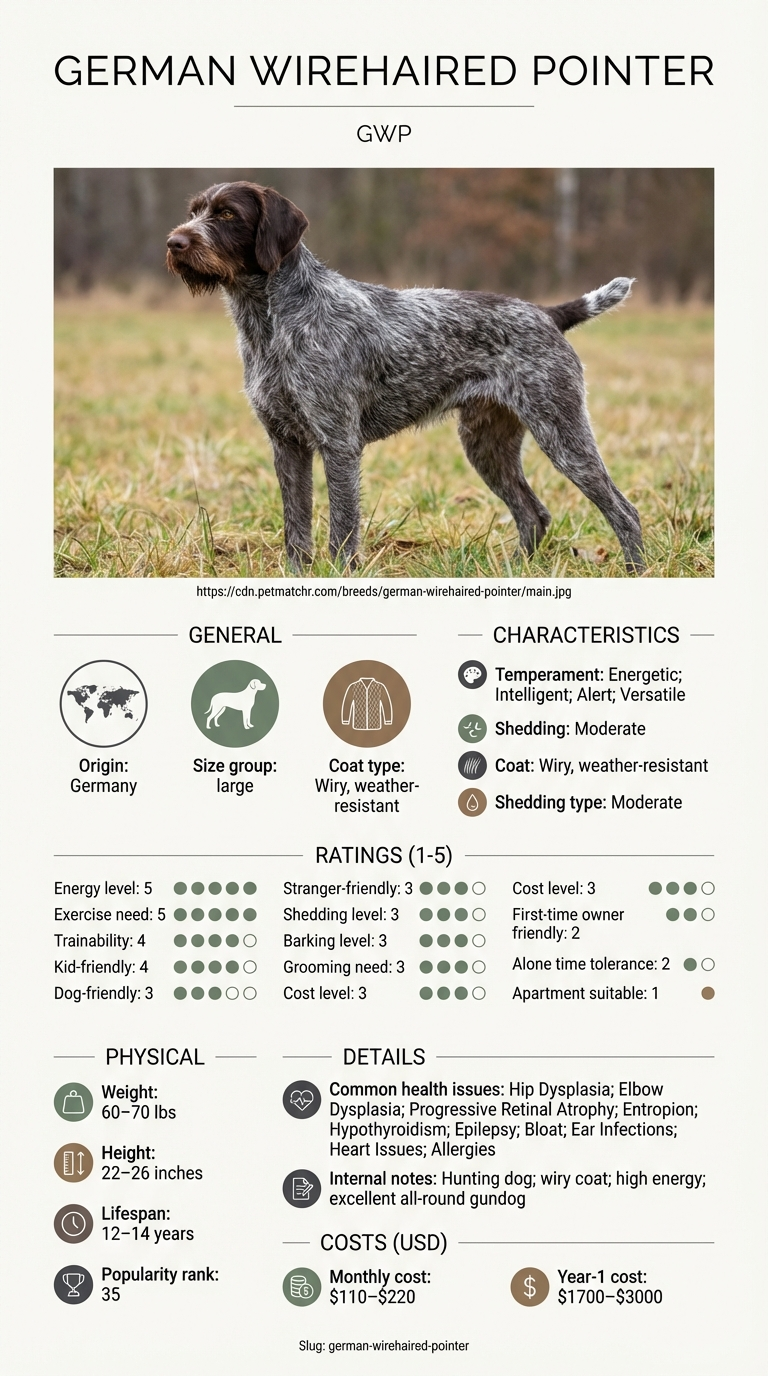
Owners of German Wirehaired Pointers or similar large breeds often face this risk, especially if their dog has a history of digestive issues or is prone to anxiety during meals. Busy families or first-time dog owners may feel overwhelmed by the signs and prevention methods.
This guide is not medical advice. If your dog shows pain, sudden behavior change, or worsening symptoms, consult a licensed veterinarian.
Some links may be affiliate links. We may earn a commission at no extra cost to you. We only suggest products we believe are helpful for dog owners.
German Wirehaired Pointer bloat, also known as gastric dilatation-volvulus (GDV), is a serious condition that can occur suddenly. It typically involves the stomach filling with gas and twisting, which can cut off blood supply and lead to shock. This can be a life-threatening situation that requires immediate veterinary attention.
Bloat is a significant risk for German Wirehaired Pointers, particularly those that are larger and have deep chests. Though not all will experience it, awareness and prevention strategies are crucial to reduce the risks.
German Wirehaired Pointers are prone to bloat because of their large size and deep chests. These traits can contribute to an increased risk of gastric dilatation-volvulus (GDV). Additionally, their energetic nature may lead them to eat quickly, which can exacerbate the problem.
Bloat can also be influenced by environmental factors like feeding practices, stress, and exercise habits. For instance, feeding your GWP large meals or allowing them to drink excessive water right after eating can trigger GDV. A stressful environment or sudden changes in routine can also increase the risk.
If you notice your German Wirehaired Pointer is consistently anxious or stressed during feeding, consider consulting a trainer. They can help with behavior modification and create a more relaxed mealtime routine.
If your GWP shows signs of bloat, such as a swollen abdomen, excessive drooling, or attempts to vomit without success, contact a vet immediately. Bloat is a serious condition that requires prompt medical attention.
If you notice signs of bloat in your German Wirehaired Pointer, immediate veterinary attention is crucial. Recovery from an episode can take days, but with proper care and preventive measures, you can significantly reduce the risk of future occurrences over weeks or months.
Success means your dog is no longer experiencing episodes of bloat and is maintaining a healthy weight. You also successfully implement feeding routines and lifestyle changes that minimize the risk of this life-threatening condition.
1. Feeding large meals: Large portions can stretch the stomach, increasing the risk of bloat. Instead, divide meals into smaller, more frequent portions.
2. Exercising immediately after meals: Engaging in intense activity right after eating can lead to bloat. Wait at least an hour after meals before exercise.
3. Allowing rapid eating: If your German Wirehaired Pointer eats too quickly, it can swallow air and lead to bloat. Consider using slow-feed bowls to help manage their eating pace.
4. Ignoring signs of distress: If your dog shows signs of discomfort, such as pacing, drooling, or restlessness, it's important to take these seriously. Early veterinary intervention can be crucial.
5. Neglecting to monitor water intake: Over-drinking right before or after meals can contribute to bloat. Ensure your dog drinks water in moderation around meal times.
6. Feeding from elevated bowls: Some studies suggest that elevated bowls can increase the risk of bloat in larger breeds. Stick to ground-level feeding to reduce this risk.
7. Not visiting the vet regularly: Regular check-ups can help catch any health issues early. Make sure to schedule annual vet visits to keep your dog healthy.
Emergency signs include a bloated stomach, excessive drooling, restlessness, or attempts to vomit without success. If your dog exhibits these symptoms, call your vet immediately. Rapid treatment is essential to prevent severe complications or even death.
In contrast, if your German Wirehaired Pointer shows mild signs like slight discomfort or a decrease in appetite without severe bloating, monitor them closely. You can encourage gentle activity and provide small, bland meals if they seem up for it. However, if their condition worsens or persists beyond a few hours, seek veterinary care.
Always trust your instincts. If you're unsure about your dog's condition, it's better to err on the side of caution and consult with a veterinarian. Their expertise can help you make the best decision for your furry friend.
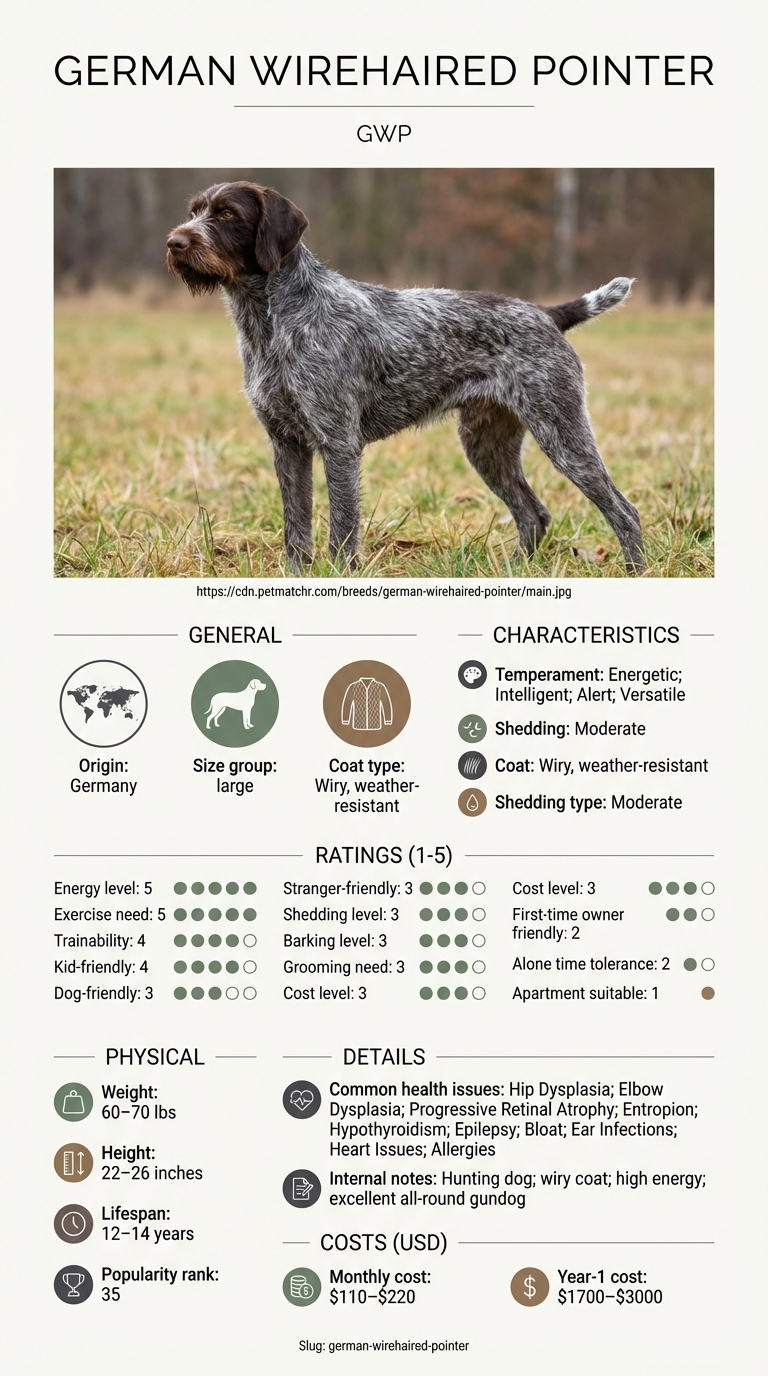
Emily had a German Wirehaired Pointer named Maggie, who suddenly bloated one evening after a big meal. After a frantic trip to the vet, she learned about the critical nature of gastric dilatation-volvulus (GDV) and realized she needed to change Maggie's feeding habits. By switching to smaller, more frequent meals and avoiding exercise right after eating, Emily managed to prevent further incidents. She also consulted a dog trainer to help Maggie cope with anxiety during mealtimes, which contributed to the reduction of bloat risk.
Key takeaway: Early intervention and consistent management can significantly reduce the chances of bloat in German Wirehaired Pointers. Knowing what to do during an emergency and making simple lifestyle adjustments can save your dog's life.
Bloat is a serious condition that can occur in German Wirehaired Pointers due to their deep chest. Factors like rapid eating, stress, or exercising too soon after meals can contribute. Always consult your vet if you suspect bloat.
To help prevent bloat, feed smaller, more frequent meals instead of one large meal. Avoid vigorous exercise immediately after eating. Providing a calm environment during meals can also reduce stress.
Symptoms include a swollen abdomen, restlessness, drooling, and attempts to vomit without success. If you notice these signs, seek emergency veterinary care immediately.
Treatment often requires emergency surgery to relieve the pressure in the stomach. Costs can range from $1,500 to $7,500 depending on the severity and required care. Early detection is crucial for a better outcome.
While training cannot prevent bloat directly, training your dog to eat slowly can help. Using slow-feed bowls or puzzle feeders can encourage more mindful eating habits, reducing the risk of bloat.
Yes, bloat is more prevalent in large, deep-chested breeds like the German Wirehaired Pointer. Awareness of this risk is essential for owners of these breeds.
Look for signs like a swollen abdomen, unproductive attempts to vomit, restlessness, and excessive drooling. If you notice these symptoms, it’s crucial to contact a vet immediately, as bloat is a medical emergency.
Yes, older German Wirehaired Pointers can develop bloat. Factors like age, diet, and stress can increase their risk. Regular vet check-ups can help monitor their health.
To reduce the risk of bloat, feed your dog smaller meals throughout the day instead of one large meal. Avoid vigorous exercise immediately after eating, and consult your vet about the best diet for your dog.
If you suspect bloat, take your dog to the vet immediately. Time is of the essence, as this condition can progress rapidly and become life-threatening.
Yes, larger breeds like the German Wirehaired Pointer are more susceptible to bloat. Their deep chests make them more prone to this condition, so be vigilant about their health and behavior.
Feed smaller meals throughout the day and avoid exercise right after eating. Monitor for symptoms like a swollen belly and drooling.
Look for signs like a hard, distended stomach, restlessness, or attempts to vomit. If you notice these symptoms, seek immediate veterinary help.
Treatment costs typically range from $1,500 to $7,500, depending on the severity and type of care needed.