Health
What are quick tips for managing German Shepherd von Willebrand's disease (vWD1)?
Regular vet visits and avoiding injury-prone activities are key. Monitor for any signs of bleeding and keep your dog calm and safe.
German Shepherd von Willebrand's disease (vWD1) is a genetic bleeding disorder that affects your dog's ability to clot blood. Understanding this condition is crucial for your dog's health and well-being.
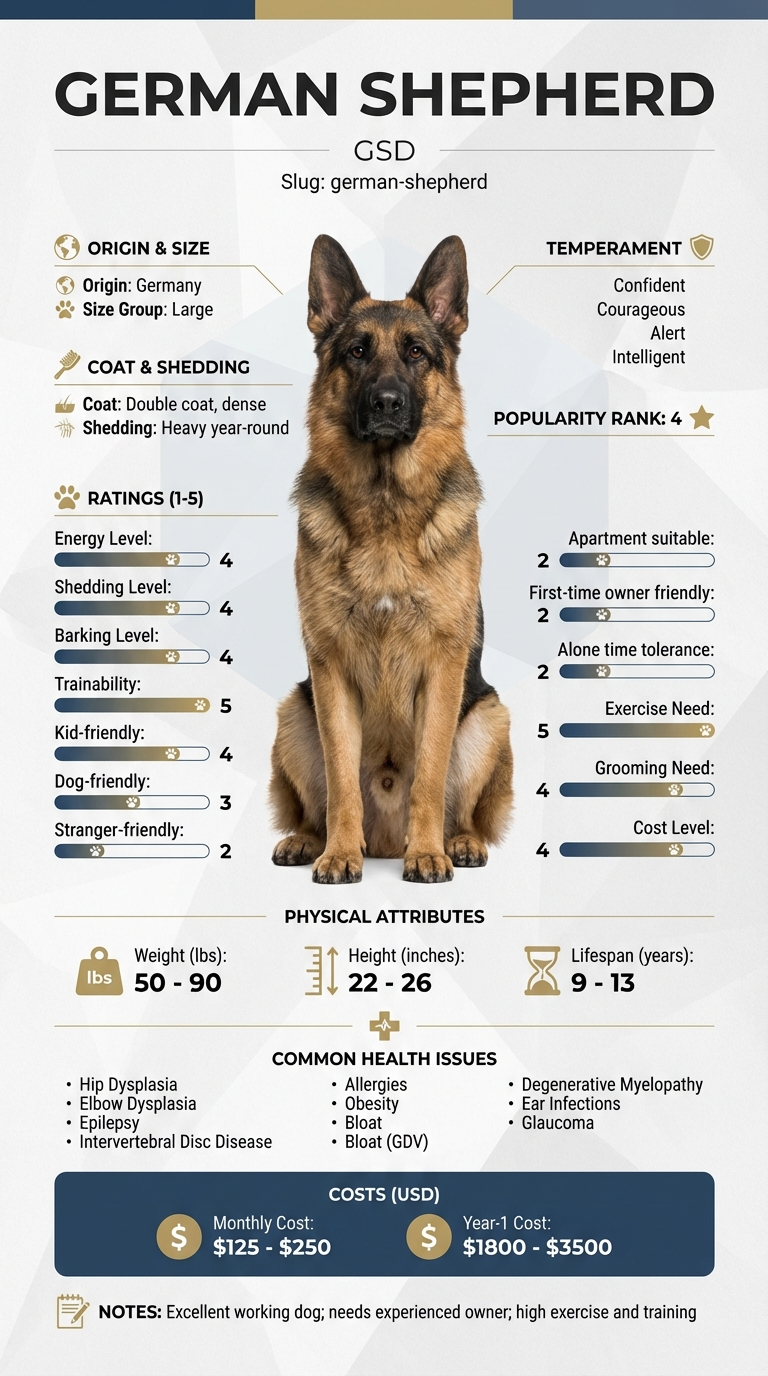
Owners of German Shepherds may face challenges with vWD1, particularly those who are first-time dog owners or those unaware of the breed's health issues. Families with active dogs, or those involved in dog sports, should be especially vigilant.
This guide is not medical advice. If your dog shows pain, sudden behavior change, or worsening symptoms, consult a licensed veterinarian.
Some links may be affiliate links. We may earn a commission at no extra cost to you. We only suggest products we believe are helpful for dog owners.
German Shepherd von Willebrand's disease (vWD1) is a genetic bleeding disorder that affects the dog's ability to clot blood. This condition can lead to excessive bleeding from wounds, during surgery, or even spontaneously. Daily life for a German Shepherd with vWD1 can involve careful monitoring of injuries and potential emergencies, which can be stressful for both the dog and owner.
Von Willebrand's disease is relatively common in German Shepherds, especially among those with a family history of the disorder. While not every German Shepherd will develop vWD1, owners should be aware of the risks and signs associated with this condition.
German Shepherds can inherit von Willebrand's disease (vWD1) due to a genetic mutation. This condition affects their blood's ability to clot, leading to excessive bleeding. If a German Shepherd has a parent with vWD1, there's a higher chance they could inherit it.
While vWD1 is primarily genetic, environmental factors can exacerbate bleeding issues. Stress, injury, or certain medications can trigger symptoms in dogs with this condition. Maintaining a calm environment can help reduce stress and potential bleeding episodes.
If your German Shepherd shows signs of anxiety or fear that may lead to injuries, consider hiring a trainer. A trainer can help with desensitization techniques and teach your dog coping strategies to manage their emotions better.
If you notice any unusual bleeding, like from the gums or nose, contact your vet immediately. It's essential to get a proper diagnosis and discuss potential treatment options for managing vWD1.
Managing German Shepherd von Willebrand's disease (vWD1) is an ongoing process. Expect to see improvement in your dog's condition with consistent care and proper management over a few months.
Success means your German Shepherd can lead an active life with fewer bleeding episodes, allowing for regular exercise and participation in training without excessive restrictions.
Avoiding certain common mistakes can greatly improve your German Shepherd's health and well-being if they have von Willebrand's disease (vWD1). Here are some key pitfalls to steer clear of, along with safer alternatives.
Recognizing when German Shepherd von Willebrand's disease (vWD1) is an emergency is crucial for your dog's well-being. Some signs indicate that immediate veterinary attention is necessary, while others can be monitored at home. Understanding these differences can save your pet's life and help you make informed decisions.
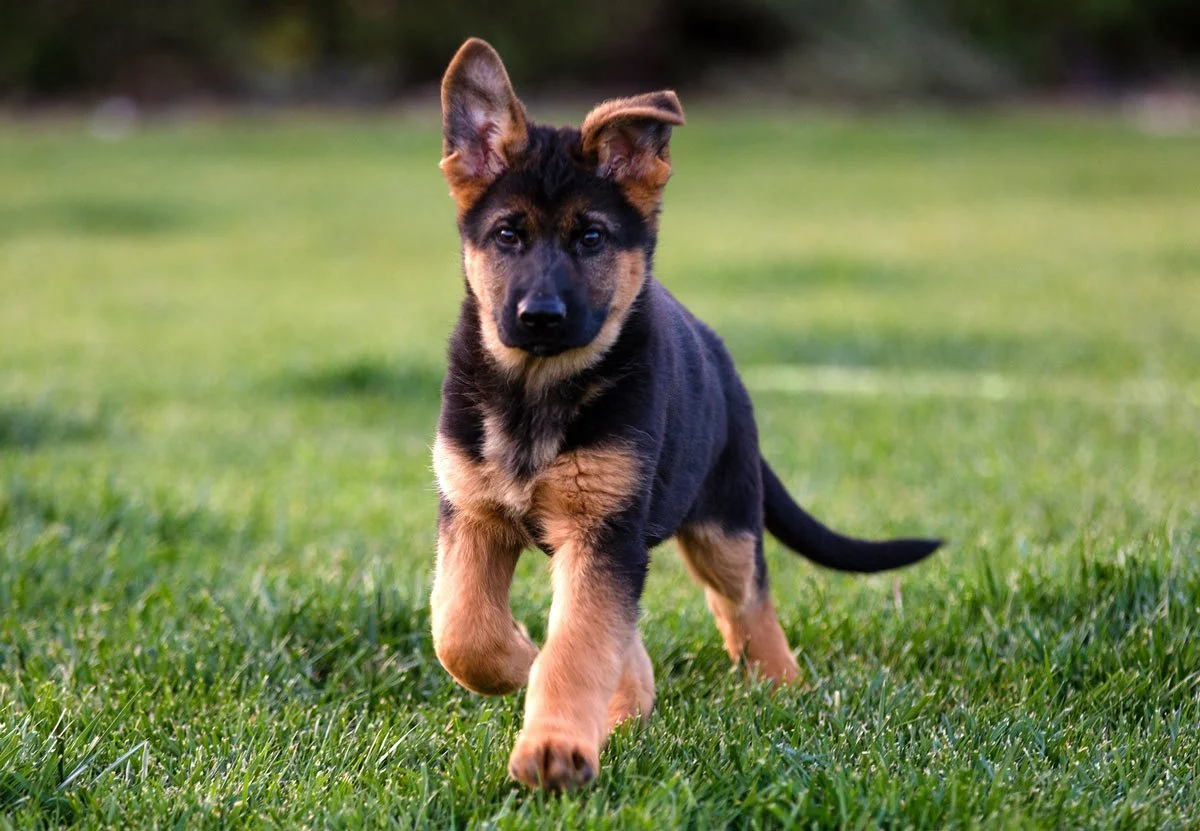
Maya, a first-time dog owner in Denver, adopted Max, a German Shepherd with von Willebrand's disease (vWD1). At first, she was overwhelmed by the prospect of managing his condition, especially when he had a bleeding episode during playtime. After consulting with a vet and joining a support group, she learned how to adjust Max's activities and trained him to be calm during his bleeding episodes. With time, patience, and consistent training, Max became more manageable, allowing Maya to enjoy their adventures together without fear.
Key takeaway: With the right support and training, you can successfully manage a German Shepherd's von Willebrand's disease (vWD1) while maintaining a fulfilling life together.
German Shepherd von Willebrand's disease (vWD1) is a genetic bleeding disorder that affects your dog's ability to clot blood. This can lead to excessive bleeding from injuries or during surgery. It's important to recognize the symptoms and consult your vet for proper diagnosis and management.
This condition is inherited and occurs when a dog has a deficiency in a specific clotting factor. German Shepherds are particularly prone to this disease due to their genetics. If you suspect your dog has it, genetic testing can confirm the diagnosis.
Management includes regular veterinary check-ups and possibly avoiding certain activities that could lead to injury. Your vet may recommend specific medications or treatments to help manage the condition. Always discuss any changes in your dog's health with your veterinarian.
Training should focus on commands that promote safety and control to prevent injuries. Avoid high-impact activities or rough play. Positive reinforcement can help your dog learn commands while keeping them calm and safe.
Watch for signs like excessive bleeding from cuts, prolonged bleeding after surgery, or nosebleeds. You might also notice bruising or blood in the urine. If you observe these symptoms, consult your vet immediately.
Signs of von Willebrand's disease (vWD1) in German Shepherds can include excessive bleeding from small cuts, frequent nosebleeds, or blood in their urine. If your dog seems to bruise easily or has prolonged bleeding after surgery, it's essential to consult a veterinarian.
Yes, older German Shepherds can develop von Willebrand's disease, but it is primarily a genetic condition. If your senior dog begins to show unusual bleeding symptoms, it's crucial to have them evaluated by a vet.
Diagnosis of von Willebrand's disease typically involves blood tests to assess clotting ability. A veterinarian may also consider your dog’s medical history and any symptoms to make a conclusive diagnosis.
Treatment options for German Shepherds with von Willebrand's disease may include medications to improve blood clotting or, in severe cases, plasma transfusions. Regular check-ups with your vet are vital to manage this condition effectively.
While von Willebrand's disease is a genetic condition and cannot be prevented, responsible breeding practices can reduce its occurrence. If you're considering getting a German Shepherd, look for breeders who screen for this and other hereditary conditions.
Regular vet visits and avoiding injury-prone activities are key. Monitor for any signs of bleeding and keep your dog calm and safe.
Focus on commands that encourage calm behavior, and avoid rough play. Use positive reinforcement to make training enjoyable and stress-free.
Apply gentle pressure to the wound and contact your vet immediately. Quick action can be crucial in managing bleeding effectively.
Yes, this genetic disorder is relatively common in German Shepherds and other breeds. Regular health screenings can help identify it early.