DogBreedCompass
← Back to breed profile

German Shepherd Small Nostrils (Stenotic Nares): What You Need to Know

German Shepherd small nostrils (stenotic nares) can cause serious breathing issues, affecting your dog's quality of life.

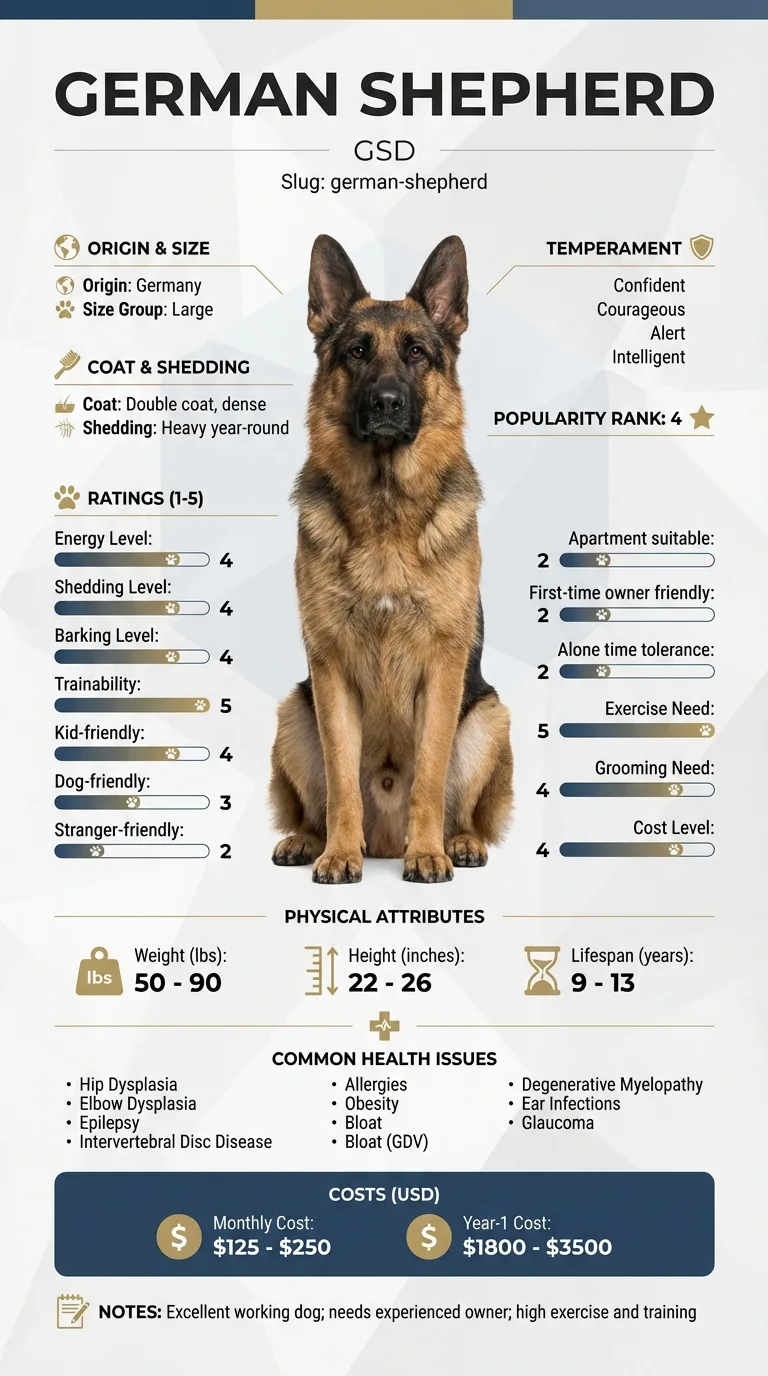
German Shepherd Small Nostrils (Stenotic Nares): What You Need to Know infographic

Owners of German Shepherds, especially first-time dog parents, may find themselves concerned when their pup shows signs of breathing difficulty. Busy families or individuals who are not familiar with dog health issues might struggle to identify and manage this condition effectively.

Important reminder

This guide is not medical advice. If your dog shows pain, sudden behavior change, or worsening symptoms, consult a licensed veterinarian.

Some links may be affiliate links. We may earn a commission at no extra cost to you. We only suggest products we believe are helpful for dog owners.

What this problem looks like

German Shepherd small nostrils, also known as stenotic nares, can lead to breathing difficulties. This condition often manifests as noisy breathing, snorting, or excessive panting, especially during exercise or in hot weather. These symptoms can make daily activities challenging for both the dog and the owner.

Common triggers

  • High temperatures or humidity
  • Intense physical activity
  • Excitement or stress

Stenotic nares are relatively common in German Shepherds due to their unique facial structure. Many owners may notice signs of this condition during the dog's early years, especially as they become more active.

Why this happens

Breed factors

German Shepherds are known for certain physical traits, including their facial structure. Some may inherit small nostrils, or stenotic nares, which can lead to breathing difficulties, especially during exercise or in hot weather. This condition is often more prevalent in breeds with brachycephalic features.

Environment factors

Environmental factors can also contribute to breathing issues. For example, high temperatures and humidity can exacerbate breathing problems in dogs with small nostrils. Additionally, smoke, allergens, or pollutants in their surroundings can lead to discomfort and respiratory issues.

What you can try

At-home strategies

  • Monitor your dog's breathing during exercise. If they seem to struggle, reduce their activity level and provide frequent breaks.
  • Keep your German Shepherd cool, especially in hot weather. Offer plenty of water and avoid strenuous activities during peak heat hours.
  • Create a clean living environment. Regularly vacuum and avoid smoke or strong odors that could irritate their airways.

When to consider a trainer

If your German Shepherd shows consistent breathing issues, consider consulting a trainer who specializes in breathing problems. They can provide specific training techniques to help your dog adapt and cope better with their condition.

When to talk to your vet

If you notice your dog has severe difficulty breathing, persistent coughing, or other concerning symptoms, it's crucial to consult your vet. They can evaluate the severity of the stenotic nares and suggest potential treatments or interventions.

Realistic expectations

You can expect to see improvements in your German Shepherd's breathing within a few weeks of consistent training and management. However, if surgery is necessary, recovery may take a few months.

Success means your German Shepherd can breathe more comfortably during exercise and everyday activities, with less panting and distress.

Mistakes that make this worse

Here are common mistakes that can worsen your German Shepherd's small nostrils (stenotic nares) issue and some safer alternatives.

  • Ignoring Signs of Distress: If your German Shepherd shows signs of breathing difficulty, such as excessive panting or coughing, it’s crucial to consult a vet. Ignoring these signs can lead to more severe health issues.
  • Overexerting During Exercise: High-energy breeds like German Shepherds need exercise, but too much can strain their breathing. Opt for shorter, more frequent walks instead of long runs, especially in hot or humid weather.
  • Using Harsh Training Methods: If you're using harsh corrections during training, it can increase stress and anxiety, worsening breathing issues. Stick to positive reinforcement methods to encourage calm behavior.
  • Neglecting Weight Management: Obesity can compound breathing problems. Ensure your German Shepherd maintains a healthy weight with a balanced diet and regular exercise to alleviate pressure on their airways.
  • Rushing to Train: Training should be gradual and patient. Rushing your dog can lead to frustration and anxiety, which may worsen their condition. Break training sessions into short, manageable segments.
  • Avoiding Vet Check-ups: Regular vet visits are essential for monitoring your dog’s health. Skipping these check-ups can delay necessary treatments for breathing issues.
  • Failing to Create a Calm Environment: Stressful environments can exacerbate breathing problems. Provide a calm, safe space for your dog to retreat to when feeling anxious.

When German Shepherd Small Nostrils (Stenotic Nares) Is an Emergency

Recognizing when your German Shepherd's small nostrils (stenotic nares) require immediate attention is crucial. While some cases may be mild and manageable, others are urgent and need a vet's care right away. Here’s how to tell the difference.

Call your vet immediately if your dog exhibits any of these red-flag signs: persistent heavy breathing, extreme lethargy, bluish gums, or fainting. These symptoms can indicate a serious blockage or respiratory distress that requires prompt treatment. If your dog seems to be struggling for air, do not wait.

On the other hand, if your German Shepherd shows mild signs like occasional snoring or slight panting during exercise, you can monitor them closely. Keep track of any changes in their breathing patterns or energy levels. If these symptoms worsen or don’t improve, it’s time to consult your vet. Developing a monitoring plan can help you stay informed about your dog's health without generating unnecessary panic.

German Shepherd Small Nostrils (Stenotic Nares): What You Need to Know - When German Shepherd Small Nostrils (Stenotic Nares) Is an Emergency

Finding Relief for Max

Emily, a first-time German Shepherd owner, noticed her dog Max often struggled to breathe, especially during walks. After researching, she discovered he had small nostrils, also known as stenotic nares. Emily consulted a vet, who suggested training techniques and lifestyle changes, like shorter walks and weight management. With patience and dedication, Max's breathing improved significantly over a few months, allowing him to enjoy longer outings without discomfort.

Key takeaway: Understanding and addressing your dog's breathing issues early can lead to a happier, healthier life for your German Shepherd.

Frequently asked questions

Why does my German Shepherd have small nostrils (stenotic nares)?

Small nostrils in German Shepherds can be due to genetics, as this breed is prone to brachycephalic traits. These traits can create breathing obstructions, making it harder for them to breathe comfortably. If you notice persistent breathing issues, it's essential to consult a veterinarian.

How can I help my German Shepherd with small nostrils (stenotic nares)?

One key step is to keep your dog at a healthy weight, as excess weight can exacerbate breathing difficulties. You can also provide a calm environment and avoid strenuous exercise in hot weather. If problems persist, consider discussing surgical options with your vet.

What are the signs of breathing issues in German Shepherds with small nostrils?

Signs include loud breathing sounds, snoring, coughing, and increased panting. If your German Shepherd is struggling to breathe during normal activities, it's crucial to seek veterinary care immediately. Early intervention can make a significant difference.

Can training help with my German Shepherd's small nostrils (stenotic nares)?

Training can help manage anxiety and encourage calm behavior, reducing stress on their breathing. Use positive reinforcement techniques to create a relaxed environment. However, training won't fix anatomical issues, so always prioritize medical advice.

Are there specific exercises for German Shepherds with small nostrils?

Gentle walks in cooler weather can be beneficial, but avoid high-intensity activities. Focus on short, manageable sessions to prevent overexertion. Always monitor your dog's breathing during exercise and adjust accordingly.

What are the signs that my German Shepherd has small nostrils (stenotic nares)?

Common signs include difficulty breathing, snoring, or wheezing. Your dog may also seem to tire easily during exercise or have a bluish tongue and gums, indicating a lack of oxygen. If you notice these symptoms, it’s important to consult a vet for an evaluation.

Can small nostrils (stenotic nares) affect my German Shepherd's exercise routine?

Yes, small nostrils can limit your dog's ability to take in enough air during physical activity. This may lead to quicker fatigue or overheating. It's crucial to monitor your German Shepherd during exercise and adjust their activity level as needed.

How can I help my older German Shepherd with small nostrils (stenotic nares)?

Older dogs with stenotic nares may benefit from gentle, shorter exercise sessions. Keeping them cool and avoiding strenuous activities in hot weather is also important. Always consult your vet for tailored advice based on your dog's health needs.

Is surgery the only solution for German Shepherd small nostrils (stenotic nares)?

While surgery is a common solution, it’s not the only option. Some owners find success with training techniques and lifestyle adjustments. However, it's best to discuss all possible treatments with your veterinarian to determine the best approach for your dog.

Why does my German Shepherd have small nostrils (stenotic nares)?

This condition can be due to genetics, as certain breeds are more prone to it. In German Shepherds, the shape of the skull can lead to narrower nostrils, making breathing more difficult. Consulting a vet can provide insights tailored to your dog's specific situation.

Quick answers

View more answers
Behavior

What are quick tips for handling German Shepherd small nostrils (stenotic nares)?

Keep your dog cool and avoid vigorous activities to reduce breathing strain. Regular vet check-ups can help monitor their condition. A healthy diet also supports their overall well-being.

Health

How can I tell if my German Shepherd's breathing is normal?

Normal breathing should be quiet and steady. If you hear wheezing or snoring sounds, or if your dog is excessively panting, consult your vet.

Health

What should I do if my German Shepherd is panting heavily?

Ensure your dog is in a cool, comfortable environment. If panting persists or is accompanied by other symptoms, contact your veterinarian for guidance.

Living

Are certain environments better for German Shepherds with breathing issues?

Yes, a calm, cool environment is ideal. Avoid hot, humid conditions that can strain their breathing further.

Related DogBreedCompass guides

Related guides