Health
How can I manage my German Shepherd's heart murmur?
Regular vet visits and a healthy lifestyle are key to managing heart murmurs. Ensure your dog has a balanced diet and appropriate exercise levels.

Quick answer
How can I manage my German Shepherd's heart murmur?
Regular vet visits and a healthy lifestyle are key to managing heart murmurs. Ensure your dog has a balanced diet and appropriate exercise levels.
German Shepherd heart murmurs are a common concern that can signal underlying health issues.
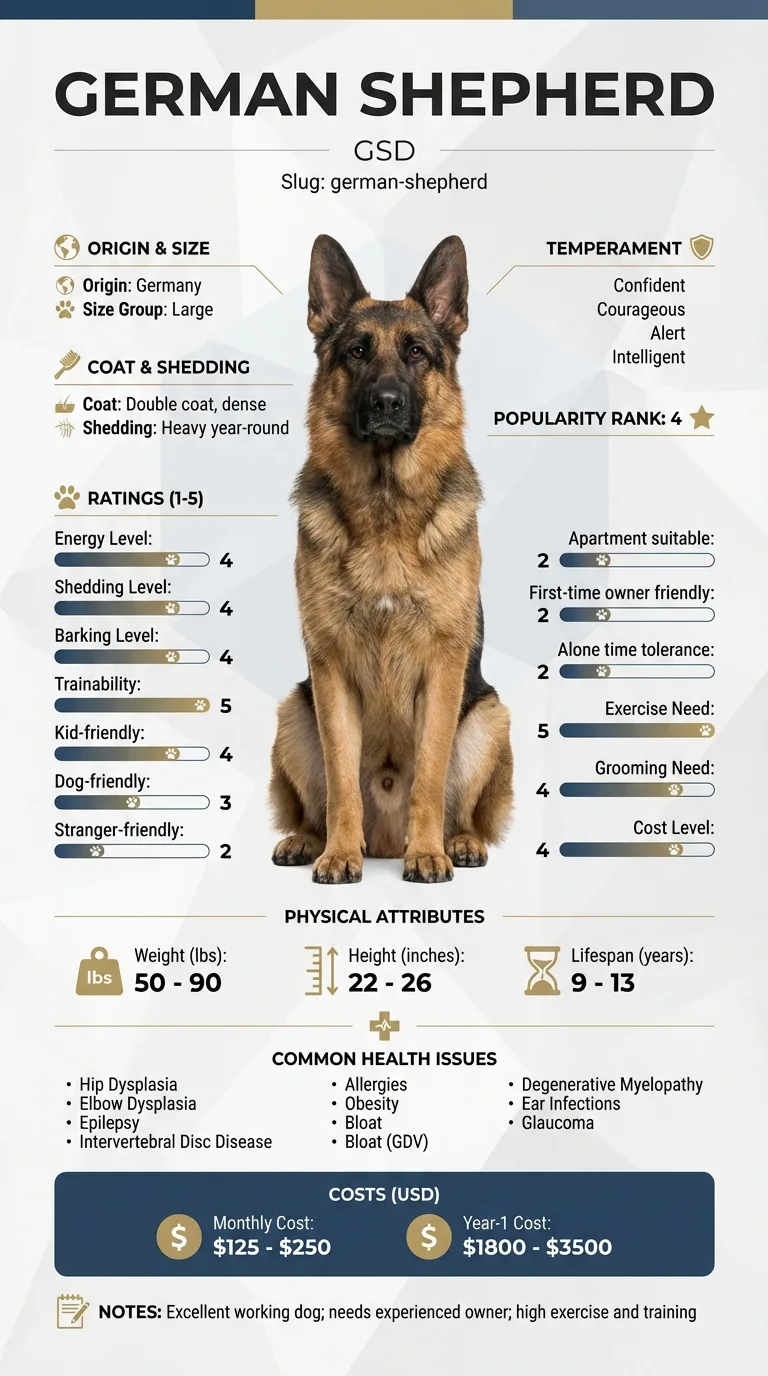
Typically, first-time dog owners or those new to the breed might struggle with recognizing and addressing heart murmurs in their German Shepherd. Additionally, pet parents noticing unusual symptoms may feel anxious about their dog's well-being.
This guide is not medical advice. If your dog shows pain, sudden behavior change, or worsening symptoms, consult a licensed veterinarian.
Some links may be affiliate links. We may earn a commission at no extra cost to you. We only suggest products we believe are helpful for dog owners.
We research and check what we publish, but we do not warrant that any figure, date, price, or statement is accurate, complete, or current, and we accept no liability for any loss, cost, injury, or other harm arising from the use of this site. Use it as one reference among several. You remain responsible for your own decisions and for your dog's care - confirm anything that matters with a licensed veterinarian or another qualified professional before you act on it. Full disclaimer.
Check this first
Recognizing when heart murmurs in your German Shepherd signal an emergency is crucial. Some signs mean you should call your vet immediately, while others may allow you to monitor the situation at home. Knowing the difference can save your dog's life and provide peace of mind.
Red flags that require immediate veterinary attention include: - Difficulty Breathing: If your dog is struggling to breathe, this can indicate serious heart issues. - Fainting or Weakness: Sudden collapse or lethargy can show that your dog's heart isn't functioning properly. - Persistent Coughing: A cough that doesn’t go away, especially if it worsens, could signify fluid in the lungs.
- Swollen Abdomen: Bloating or swelling in the abdomen may indicate heart failure or fluid build-up. - Gums Turning Blue: If your dog's gums appear pale or blue, it indicates a lack of oxygen in the blood.
If your German Shepherd shows any of these symptoms, it’s essential to seek immediate veterinary assistance.
On the other hand, mild cases of heart murmurs might only need monitoring. Signs that can be watched at home include: - Occasional Coughing: If it’s infrequent and not accompanied by other symptoms, keep an eye on it. - Mild Lethargy: Every dog has off days; if your dog seems slightly less energetic but is still eating and drinking normally, it may be okay.
- Normal Breathing Patterns: If your dog is breathing comfortably and not showing distress, this is a good sign.
In these mild cases, it’s still wise to consult your vet for guidance on monitoring and potential lifestyle adjustments. Regular check-ups can help ensure your furry friend's heart health remains stable.
If any of these apply, call your vet or an emergency clinic now. The rest of this page is for the cases that are not an emergency.
German Shepherd heart murmurs can be unsettling for both the dog and its owner. These murmurs often sound like a whooshing or swishing noise and can indicate underlying heart conditions, such as valve disease. While some murmurs are benign, others may require medical attention and monitoring, making it vital for owners to be aware of any changes in their dog's health.
Heart murmurs are relatively common in German Shepherds, especially as they age. Research suggests that about 15-30% of older German Shepherds may experience some form of heart murmur. It's essential to regularly check for signs of heart issues, as early detection can lead to better management.
German Shepherds can inherit certain genetic predispositions that lead to heart murmurs. Their size and structure may also contribute to heart valve issues, which can result in murmurs being detected during a check-up.
Environmental factors can play a role too. Poor nutrition, lack of exercise, and exposure to stressors can weaken a dog's heart over time, potentially leading to murmurs. Additionally, obesity is common in this breed and can exacerbate heart problems.
It's crucial to talk to a vet if you notice any signs of distress, such as coughing, lethargy, or difficulty breathing. If your dog is diagnosed with heart murmurs, regular veterinary check-ups are important to monitor their condition and adjust care as needed.
Avoiding these common mistakes can help your German Shepherd manage heart murmurs more effectively.
Start here: German Shepherd Most Common Genetic Disorders: Screening
See all German Shepherd health problems, which breeds are prone to heart murmurs, or the full German Shepherd breed guide for temperament, exercise needs and ownership costs.
Addressing German Shepherd heart murmurs typically takes several weeks to months, depending on the severity and underlying causes. Regular vet check-ups and consistent care can help monitor progress.
Success means your German Shepherd feels comfortable and shows fewer symptoms. They should have improved energy levels, be more active during play, and have a stable heart condition as confirmed by your veterinarian.
Maria, a dedicated dog owner in San Diego, noticed her German Shepherd, Max, was less energetic than usual. After a vet visit, she learned Max had a heart murmur. Maria felt overwhelmed but committed to helping him. She followed a specific diet recommended by the vet and incorporated gentle exercise into their daily routine. Gradually, Max's energy returned, and he started enjoying their walks again. Regular check-ups showed his heart condition stabilizing, which eased Maria's worries.
Key takeaway: With proper care and attention, you can manage your German Shepherd's heart murmur effectively. Regular vet visits and a supportive environment are key to improving their health.
German Shepherd heart murmurs can be caused by various factors, including valve disease or congenital heart defects. It's essential to have your dog evaluated by a veterinarian to determine the underlying cause. Regular check-ups can help catch any serious issues early.
While you can't directly stop heart murmurs, managing your German Shepherd's overall health is crucial. This includes a balanced diet, regular exercise, and routine veterinary check-ups. Depending on the cause, your vet may recommend specific treatments or medications.
Symptoms can vary, but common signs include coughing, difficulty breathing, fatigue, or fainting. If you notice any of these symptoms, contact your vet as soon as possible. Early detection can lead to better management of the condition.
Not all heart murmurs are serious, but some can indicate significant health issues. It's essential to consult with your veterinarian for a proper diagnosis and treatment plan. They can help determine the severity and the best course of action.
Training can help manage certain behaviors associated with anxiety or stress, but it won't fix heart murmurs themselves. However, gentle training can keep your dog mentally stimulated while ensuring they don't overexert themselves. Always follow your vet's recommendations regarding exercise and training.
German Shepherd heart murmurs can be caused by various heart conditions, including valve disease and congenital heart defects. These murmurs often indicate that there is abnormal blood flow in the heart. It's essential to have your dog evaluated by a vet to understand the underlying cause.
Yes, heart murmurs are more common in older German Shepherds due to age-related heart changes. As they age, the risk of developing heart conditions increases. Regular vet check-ups can help monitor any changes in your dog's heart health.
Managing a German Shepherd with heart murmurs often includes regular vet visits and monitoring their activity levels. Keeping them calm and avoiding excessive exercise can also help. Always consult your vet for personalized advice on managing your dog's condition.
If you notice signs like coughing, difficulty breathing, or lethargy in your German Shepherd, it's crucial to see a vet. These symptoms could indicate that the heart murmur is affecting their health. Early diagnosis and treatment can significantly improve their quality of life.
Regular vet visits and a healthy lifestyle are key to managing heart murmurs. Ensure your dog has a balanced diet and appropriate exercise levels.
Keep an eye out for signs like coughing, lethargy, or trouble breathing. If you notice any of these, contact your vet immediately.
A low-sodium diet may be beneficial for dogs with heart issues. Always consult your vet before making dietary changes.
Treatment costs can vary widely, ranging from regular vet check-ups to possible medications. Expect to spend anywhere from $125 to $250 per month depending on your dog's needs.
A one-page prep sheet for this condition: the signs, the questions to ask, what to get priced. Unlocks here.
You get: Vet visit prep sheet
No spam. One-click unsubscribe. See our privacy policy.
Preview page 1 before you decide.