Problem

German Shepherd Gastrointestinal Disorders: Causes and Solutions

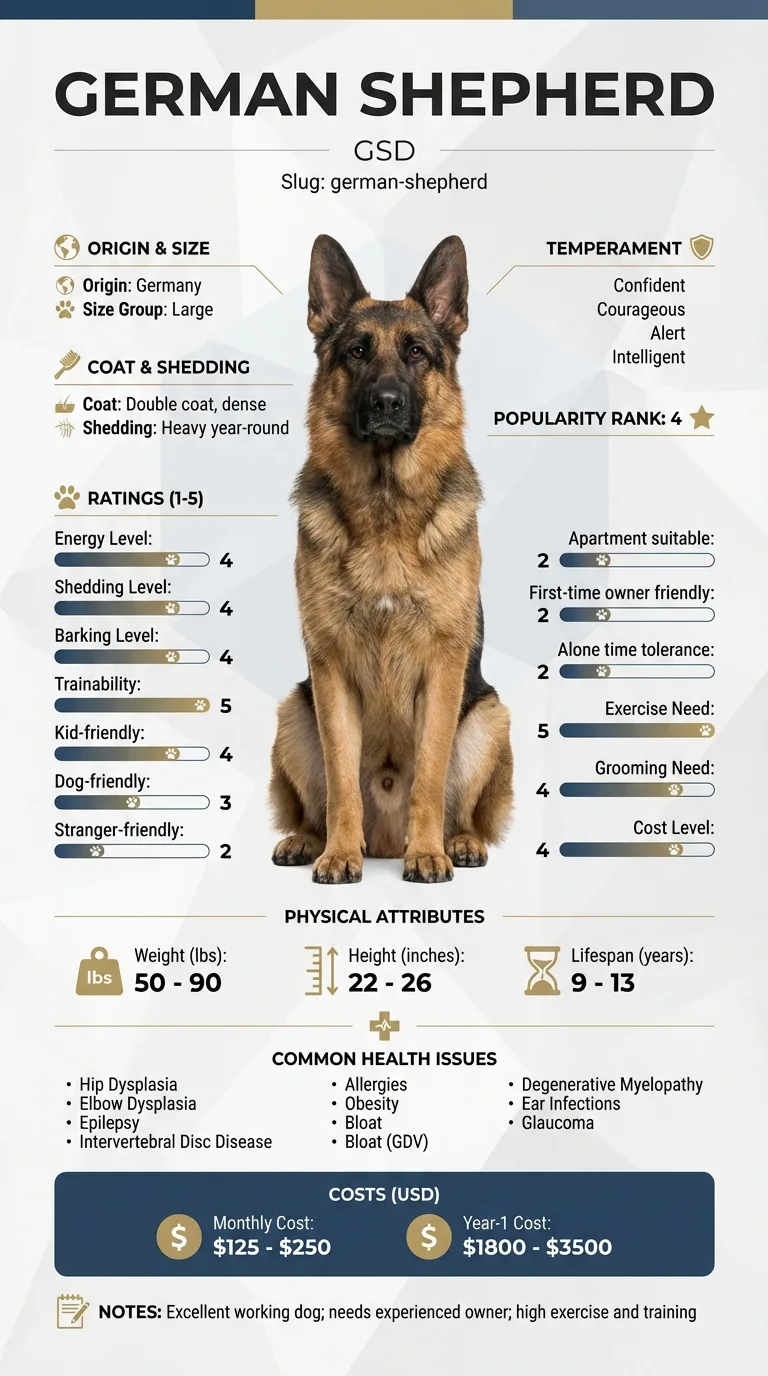
German Shepherd gastrointestinal disorders can be challenging for both dogs and their owners. These conditions often lead to discomfort and stress.

German Shepherd Gastrointestinal Disorders: Causes and Solutions photo

What you can try

Mistakes that make this worse

Avoid these common mistakes to help your German Shepherd manage gastrointestinal disorders more effectively.

When German Shepherd Gastrointestinal Disorders Are an Emergency

Call your vet right away if your German Shepherd shows severe signs like persistent vomiting, diarrhea with blood, or excessive lethargy. If your dog is bloated or in obvious pain, it's critical to seek help immediately. These can indicate serious conditions such as bloat or internal bleeding.

In less severe cases, like occasional vomiting or mild diarrhea, you can develop a plan to monitor your dog's condition. Make sure your German Shepherd stays hydrated and watch for changes in behavior or appetite. If symptoms persist for more than 24 hours, it's wise to consult your vet.

Always err on the side of caution. If you're unsure whether a symptom is serious, it's better to call your veterinarian. Quick action can prevent complications and ensure your pup gets the care they need.

German Shepherd Gastrointestinal Disorders: Causes and Solutions - When German Shepherd Gastrointestinal Disorders Are an Emergency

Frequently asked questions

Why does my German Shepherd have gastrointestinal disorders?

German Shepherd gastrointestinal disorders can be caused by various factors, including diet, stress, or genetics. Inflammatory bowel disease and acid reflux are common issues. It's essential to monitor their diet and consult with a veterinarian for a proper diagnosis.

How can I stop my German Shepherd from having gastrointestinal disorders?

To help manage German Shepherd gastrointestinal disorders, start by feeding them a balanced diet with high-quality food. Avoid table scraps and sudden diet changes. Regular vet check-ups can also help in early detection and management.

What are the symptoms of gastrointestinal disorders in German Shepherds?

Common symptoms include vomiting, diarrhea, and decreased appetite. Your German Shepherd may also exhibit lethargy or abdominal pain. If you notice any of these signs, consult your vet immediately.

Are there specific foods that can help with gastrointestinal disorders in German Shepherds?

Yes, look for dog foods formulated for sensitive stomachs or gastrointestinal health. Foods with easily digestible ingredients, like chicken and rice, can also be beneficial. Always check with your vet before making dietary changes.

How can training help with my German Shepherd's gastrointestinal issues?

Training can help reduce stress and anxiety, which can exacerbate gastrointestinal disorders. Consistent routines and positive reinforcement can create a more relaxed environment for your German Shepherd. Consider incorporating calming techniques during training sessions.

What are the signs of gastrointestinal disorders in German Shepherds?

Common signs include vomiting, diarrhea, lack of appetite, and weight loss. If your German Shepherd shows these symptoms, it’s important to consult a veterinarian for evaluation and treatment.

How can I help my German Shepherd with gastrointestinal disorders?

You can help by providing a balanced diet tailored to their needs. Gradually introducing new foods and avoiding table scraps may also improve their condition.

Are gastrointestinal disorders in older German Shepherds more common?

Yes, older German Shepherds may experience gastrointestinal disorders more frequently due to age-related changes. Regular vet check-ups become increasingly important as your dog ages.

Can stress cause gastrointestinal disorders in German Shepherds?

Absolutely. Stressful situations, like moving or loud noises, can trigger gastrointestinal issues. Implementing a calm environment and routine can help mitigate these effects.

When should I take my German Shepherd to the vet for gastrointestinal issues?

If your dog experiences persistent vomiting, diarrhea lasting more than 24 hours, or shows signs of pain, you should consult a veterinarian. Early intervention can prevent more serious health issues.