Behavior
What are quick tips for managing German Shepherd gastric dilatation-volvulus (gdv/bloat)?
Feed smaller, more frequent meals and use slow feeders to prevent rapid eating. Avoid exercise right before and after meals to reduce the risk of GDV.
German Shepherd gastric dilatation-volvulus (GDV/bloat) is a serious condition that can become life-threatening very quickly. Understanding it is crucial for every GSD owner.
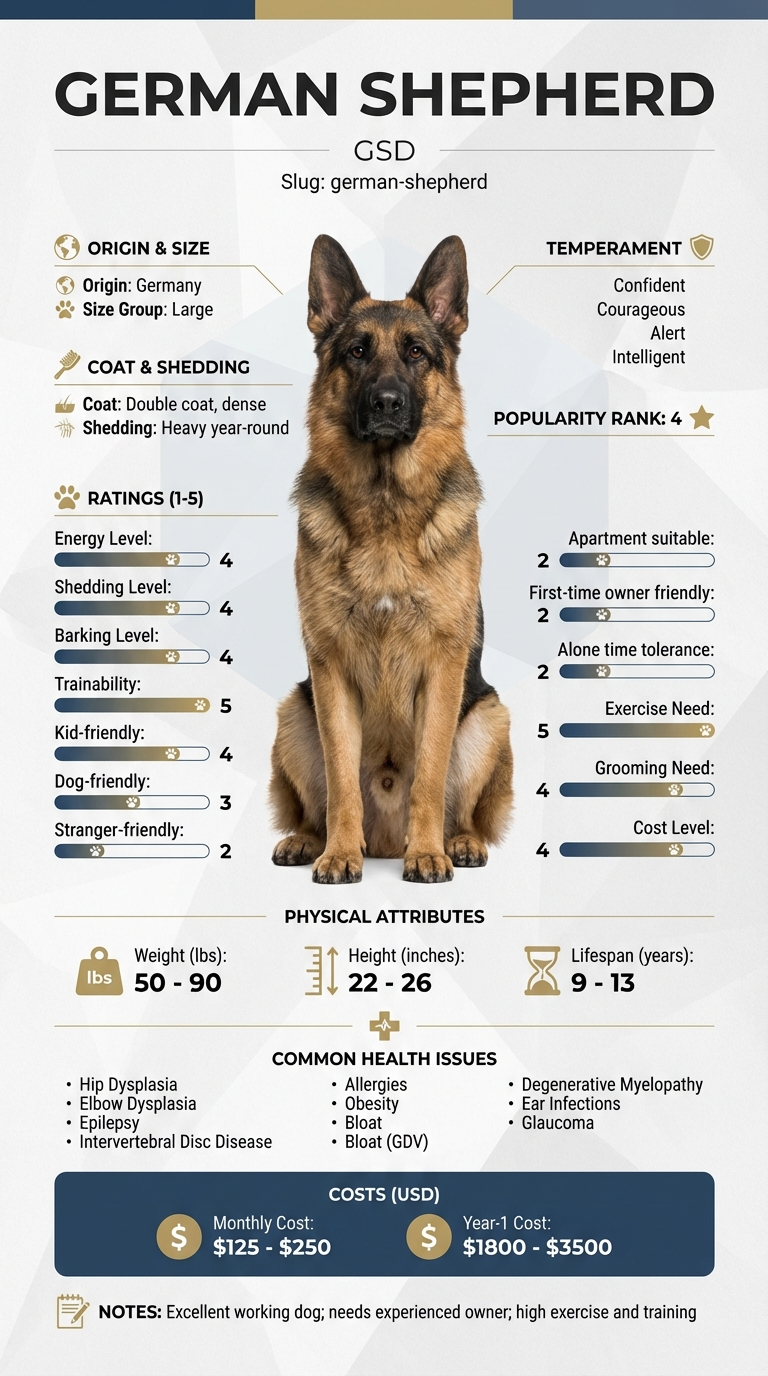
Owners of German Shepherds, especially those who are first-time dog parents or live in high-stress environments, may face challenges with GDV. This issue is particularly concerning for those who are unaware of the signs and risks associated with this breed.
This guide is not medical advice. If your dog shows pain, sudden behavior change, or worsening symptoms, consult a licensed veterinarian.
Some links may be affiliate links. We may earn a commission at no extra cost to you. We only suggest products we believe are helpful for dog owners.
German Shepherd gastric dilatation-volvulus (GDV/bloat) is a severe, life-threatening condition. It occurs when the stomach fills with gas and twists, preventing food and gas from escaping. This can lead to shock and even death if not treated immediately.
GDV is relatively common in German Shepherds, especially in older dogs or those with a family history of the condition. It's estimated that bloat affects around 30% of large breed dogs, and German Shepherds are among the breeds at higher risk.
German Shepherds are prone to gastric dilatation-volvulus (GDV) due to their deep-chested build. This structure can lead to the stomach twisting under certain conditions. Additionally, these dogs often have a strong desire to eat quickly, which can increase the risk of bloat.
Environmental factors can also contribute to GDV. Stress, such as loud noises or changes in routine, may trigger anxiety that affects digestion. Feeding practices, like giving large meals or exercising immediately after eating, can further heighten the risk.
If your German Shepherd shows signs of anxiety or stress around feeding times, consider consulting a trainer who specializes in canine behavior. They can help develop strategies to create a calm eating environment.
If you notice your German Shepherd displaying symptoms like bloating, restlessness, or attempts to vomit without success, contact your vet immediately. GDV is a medical emergency and requires prompt attention.
Managing German Shepherd gastric dilatation-volvulus (GDV/bloat) requires immediate action, but long-term prevention strategies may take several weeks or months to establish. Owners should monitor their dogs closely and consult with a vet after any incident.
Success looks like consistently preventing bloat episodes through proper feeding techniques, regular exercise, and understanding your dog's specific needs. A well-managed dog will show fewer signs of discomfort and be more active overall.
Avoid these common mistakes that can make German Shepherd gastric dilatation-volvulus (gdv/bloat) worse. Instead, try safer alternatives to help your pup stay healthy.
Recognizing when German Shepherd gastric dilatation-volvulus (GDV/bloat) is an emergency is crucial for your dog's health. If your German Shepherd shows any signs of distress, it's important to act quickly. Red-flag signs that mean you should call your vet immediately include a swollen abdomen, excessive drooling, restlessness, or attempts to vomit without success.
These symptoms can indicate that your dog's stomach is twisted and needs urgent care.
On the other hand, mild cases of bloat can be monitored at home. If your dog is experiencing minor discomfort, such as a slight stomach bloating without other severe symptoms, you can keep an eye on them. Make sure they are calm and comfortable, and avoid feeding them large meals.
Instead, break their food into smaller portions throughout the day. However, if their condition worsens or if you notice any of the aforementioned emergency signs, don’t hesitate to seek veterinary help.
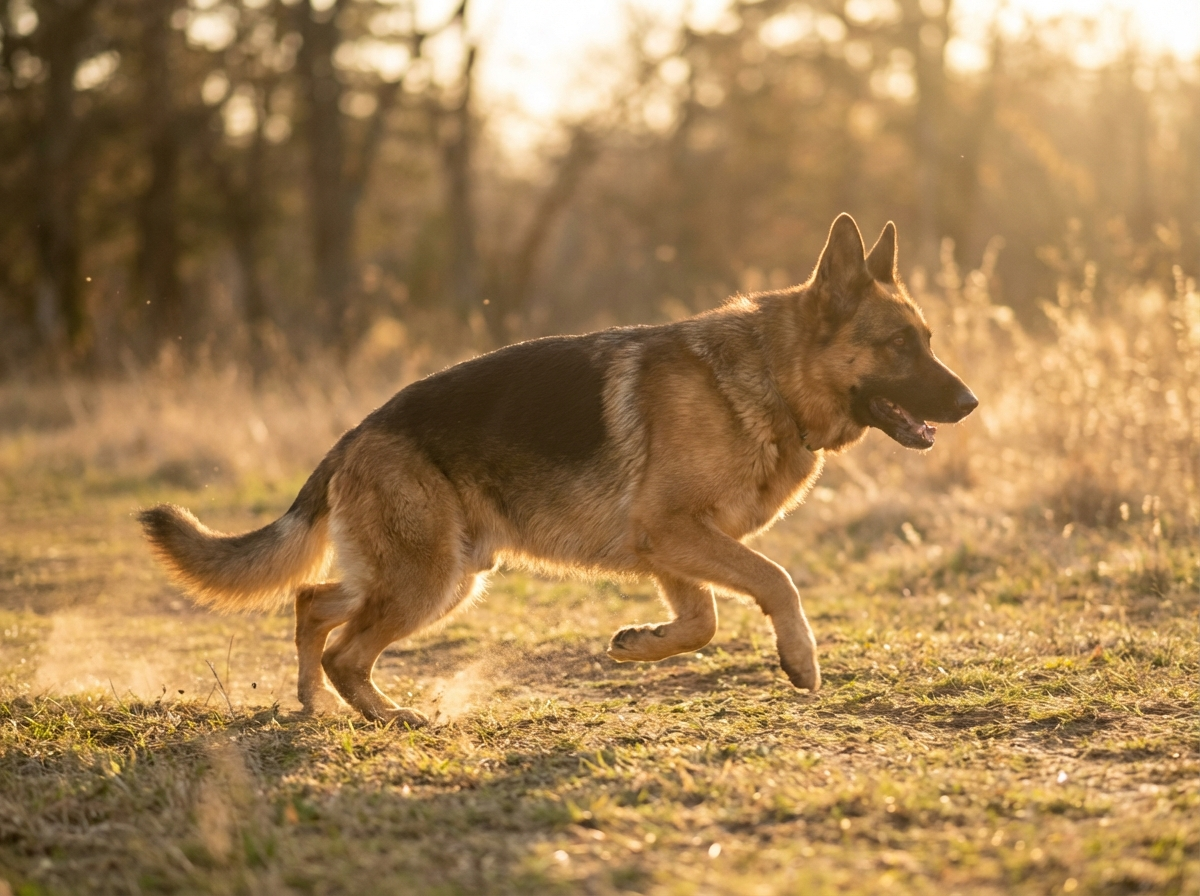
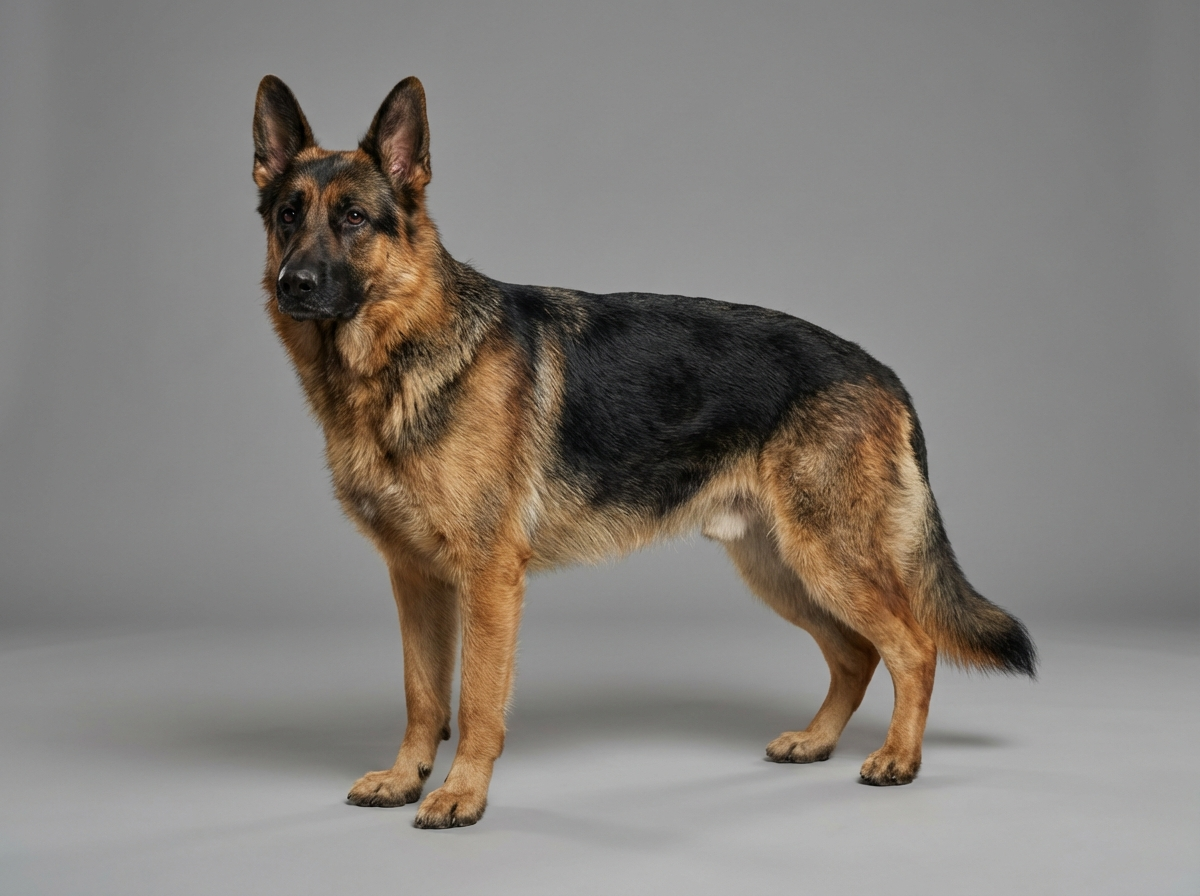
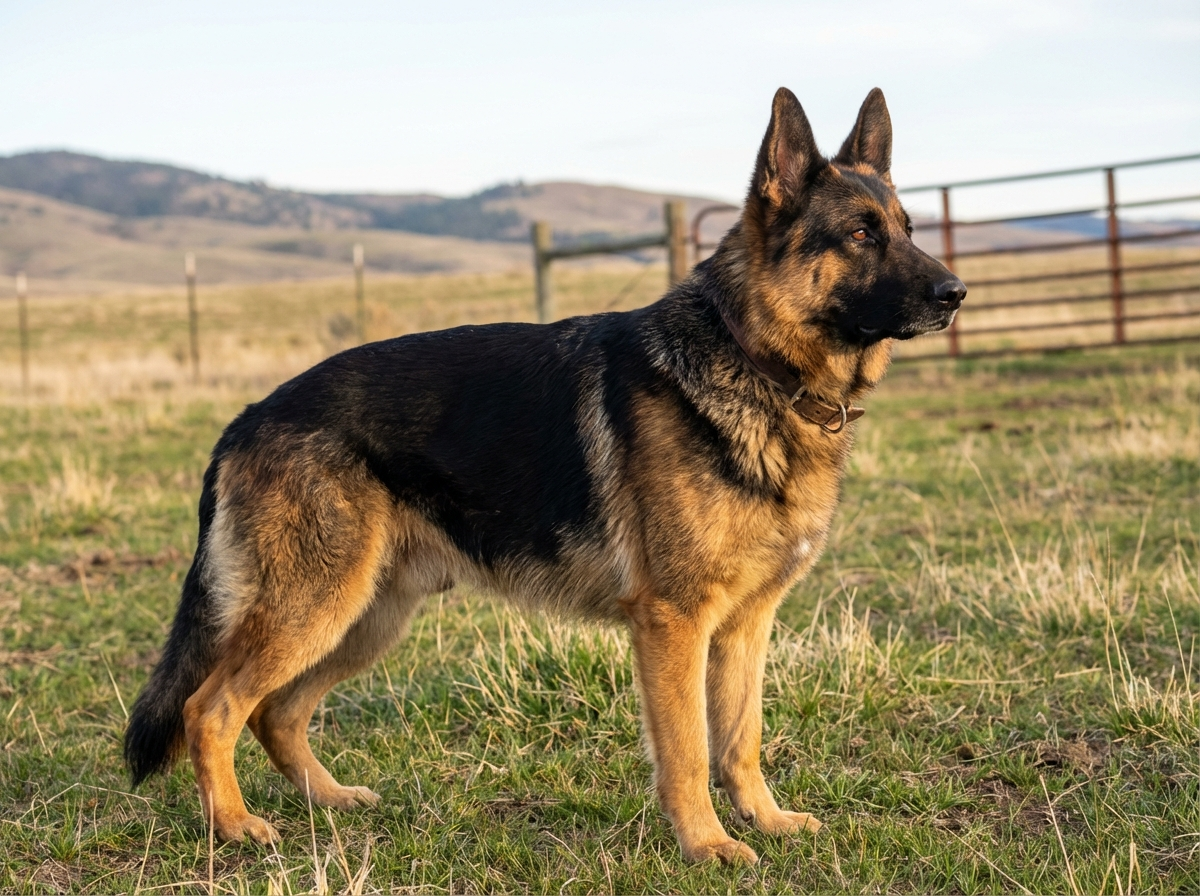
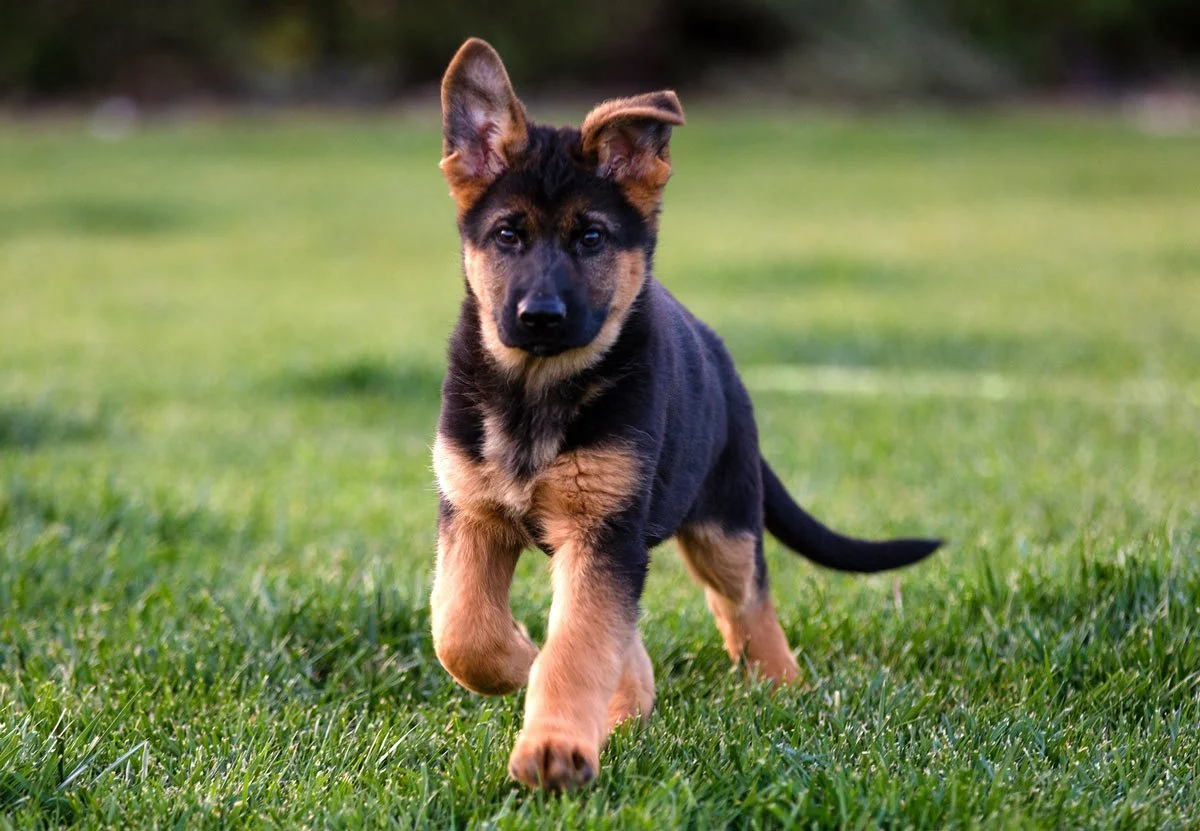
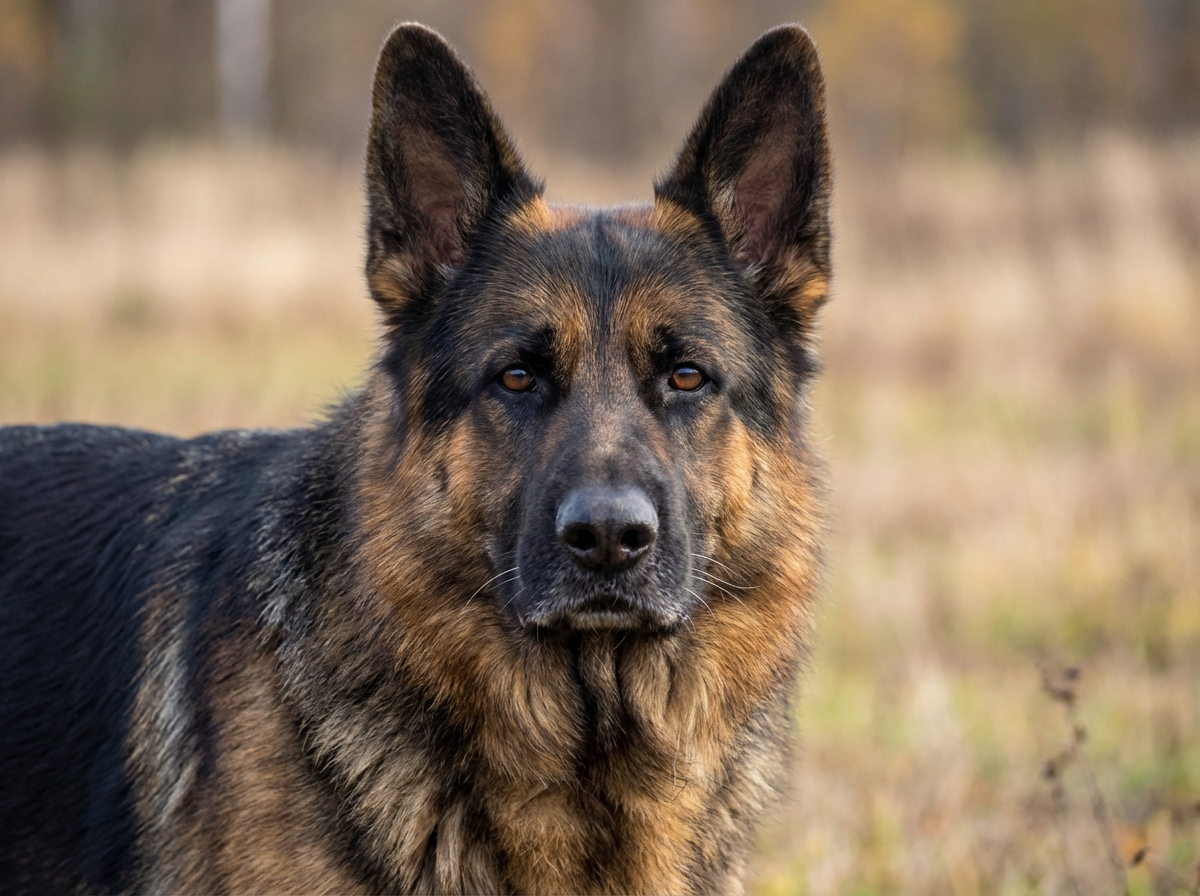
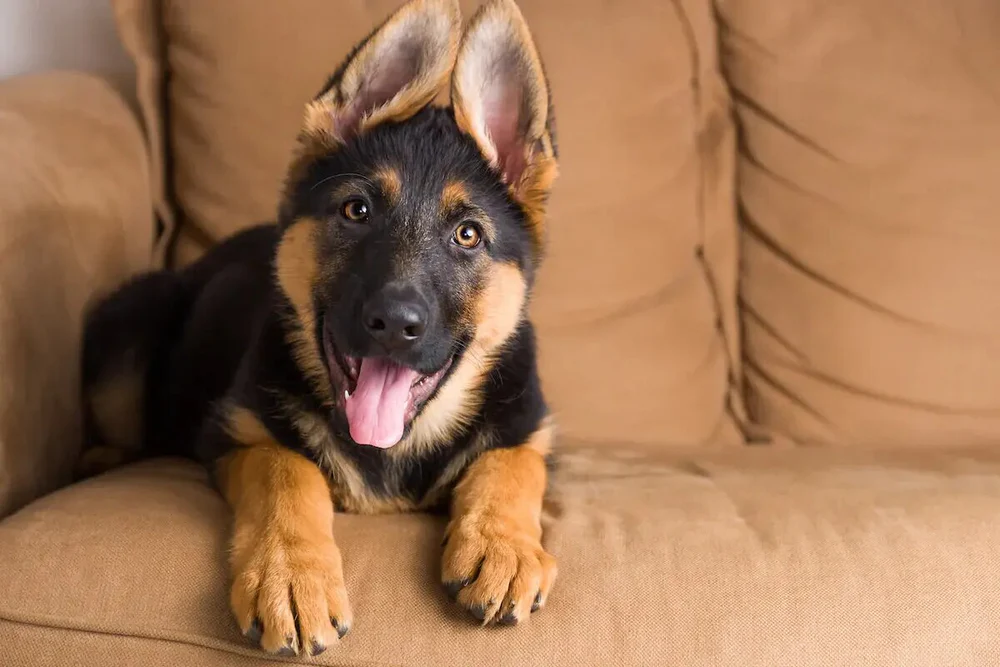
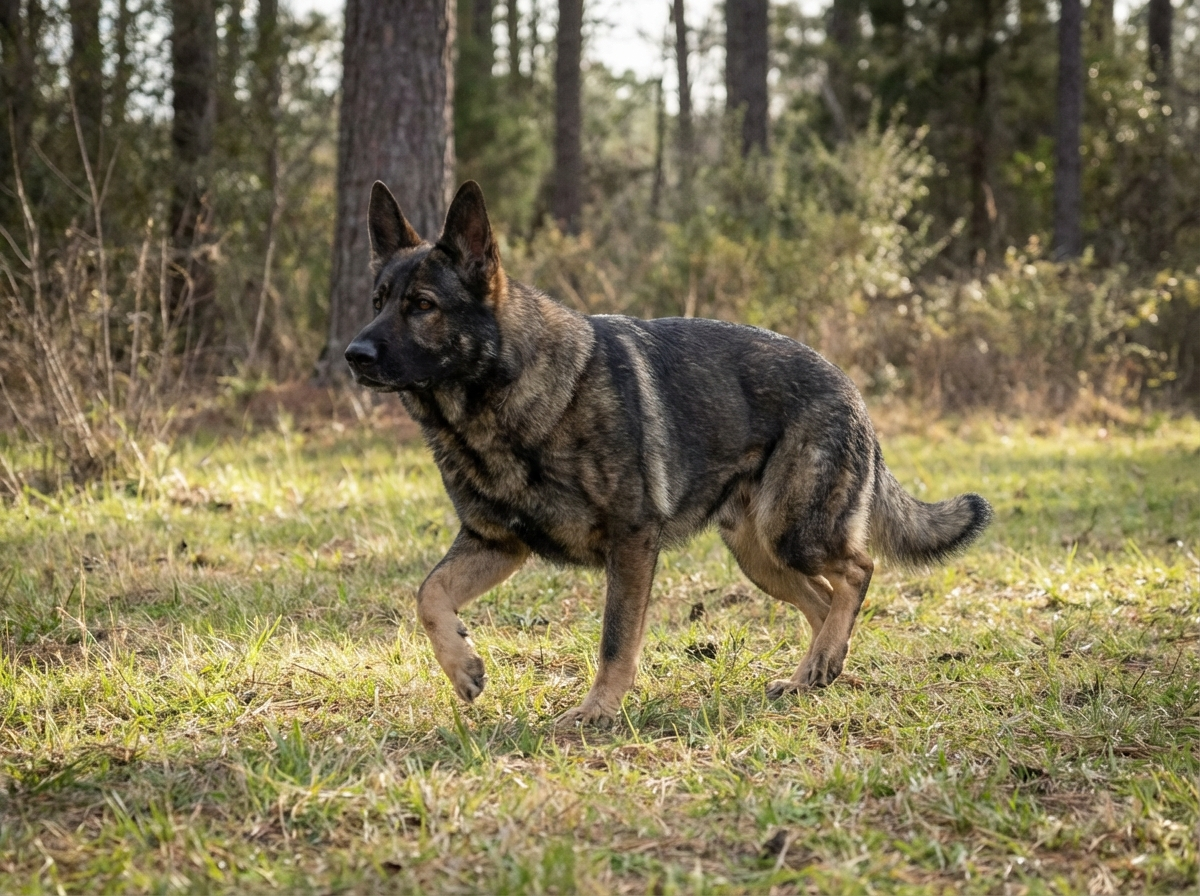
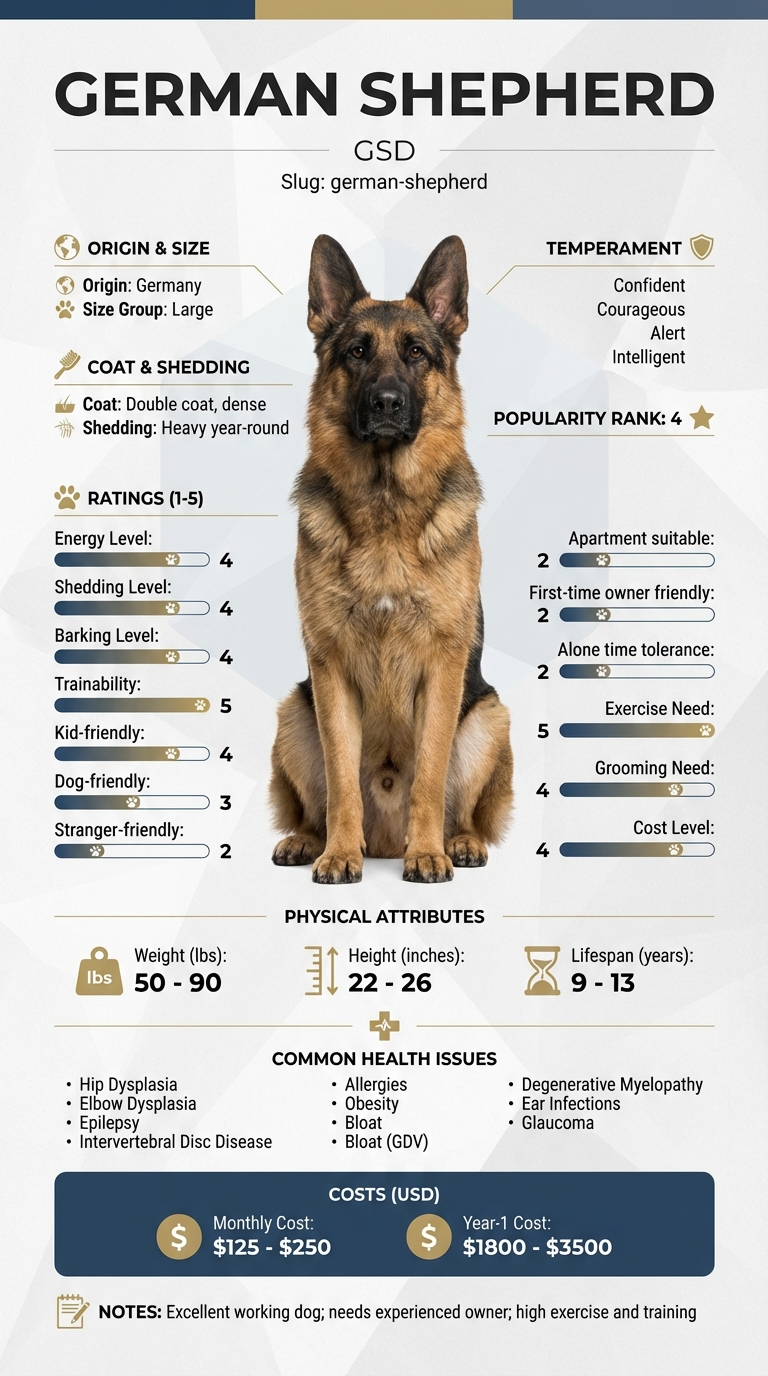
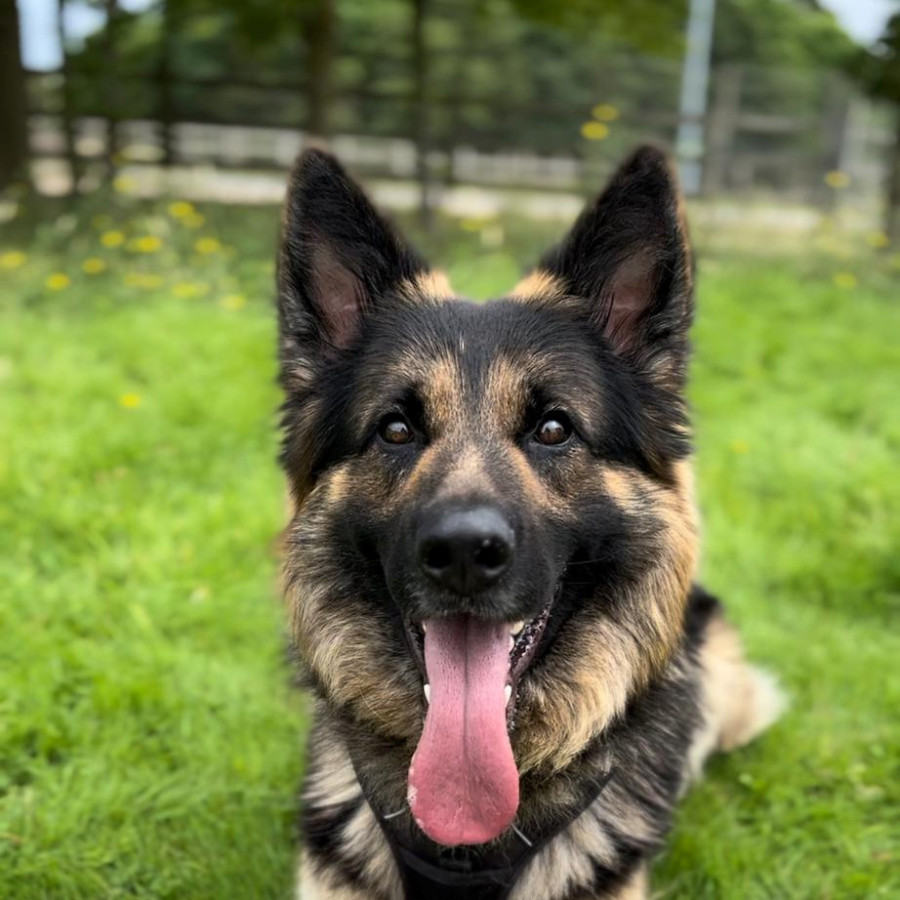
The Martinez family in Texas adored their German Shepherd, Max. After a terrifying experience where Max bloated suddenly, they knew they had to take immediate action. They consulted their veterinarian and learned about the importance of feeding smaller meals and avoiding strenuous exercise right after eating. With this knowledge, they adjusted Max's feeding schedule and adopted a regular exercise routine. Over time, they noticed fewer signs of discomfort, and Max became a happier, healthier dog.
Key takeaway: Understanding and actively managing German Shepherd gastric dilatation-volvulus (GDV/bloat) can significantly improve your dog's quality of life and reduce panic-inducing incidents.
German Shepherds are prone to gastric dilatation-volvulus (GDV) due to their deep chest structure. Factors like eating too quickly, high-stress environments, and certain genetic predispositions may increase the risk. It's important to monitor their eating habits and seek veterinary advice for prevention.
To reduce the risk of GDV in your German Shepherd, consider feeding smaller, more frequent meals instead of one large meal. Slow feeder bowls can help them eat at a slower pace. Additionally, avoid vigorous exercise immediately before or after meals.
Symptoms of GDV include a swollen abdomen, restlessness, drooling, and attempts to vomit with little success. If you notice these signs, seek emergency veterinary care immediately, as GDV can be life-threatening.
Treatment for GDV often requires emergency surgery to decompress the stomach and reposition it. Post-operative care is crucial for recovery, and your vet may recommend dietary changes to prevent recurrence.
While not all cases of GDV can be prevented, you can lower the risk by feeding smaller meals, using slow-feed bowls, and avoiding exercise around meal times. Regular vet check-ups can also help monitor their health.
Factors such as age, body type, feeding habits, and family history of GDV can increase risk. Older dogs and those with a family history of bloat are particularly susceptible, so be vigilant.
Early signs of German Shepherd gastric dilatation-volvulus (gdv/bloat) include restlessness, pacing, and an enlarged abdomen. You may also notice your dog trying to vomit without success. If you observe any of these symptoms, contact your veterinarian immediately.
Yes, older German Shepherds can develop gastric dilatation-volvulus (gdv/bloat). As dogs age, their risk factors can increase, including a history of bloat or certain dietary habits. Regular vet check-ups can help monitor and address any potential issues.
To prevent German Shepherd gastric dilatation-volvulus (gdv/bloat), feed smaller meals throughout the day instead of one large meal. Avoid vigorous exercise right after eating, and consider using a slow feeder if your dog eats too quickly. Always consult your vet for tailored advice.
While gastric dilatation-volvulus (gdv/bloat) can have genetic components, it is not strictly hereditary. Factors like diet, age, and stress levels also play a significant role. If you have concerns, discuss your dog's health history with your vet.
If your German Shepherd shows signs of gastric dilatation-volvulus (gdv/bloat), it's crucial to seek emergency veterinary care immediately. Time is of the essence, as this condition can be life-threatening. Do not attempt to treat it at home.
Feed smaller, more frequent meals and use slow feeders to prevent rapid eating. Avoid exercise right before and after meals to reduce the risk of GDV.
Yes, GDV is a common and serious condition in German Shepherds due to their deep-chested build. Awareness and preventive measures are key.
Look for a swollen abdomen, restlessness, excessive drooling, or attempts to vomit. If you notice these symptoms, seek immediate veterinary care.
Take them to an emergency vet immediately, as GDV is life-threatening and requires urgent treatment.