Problem

German Shepherd Brachycephalic Obstructive Airway Syndrome (BOAS)

German Shepherds can suffer from brachycephalic obstructive airway syndrome (BOAS), leading to serious breathing issues. (German Shepherd brachycephalic obstructive airway syndrome (boas))

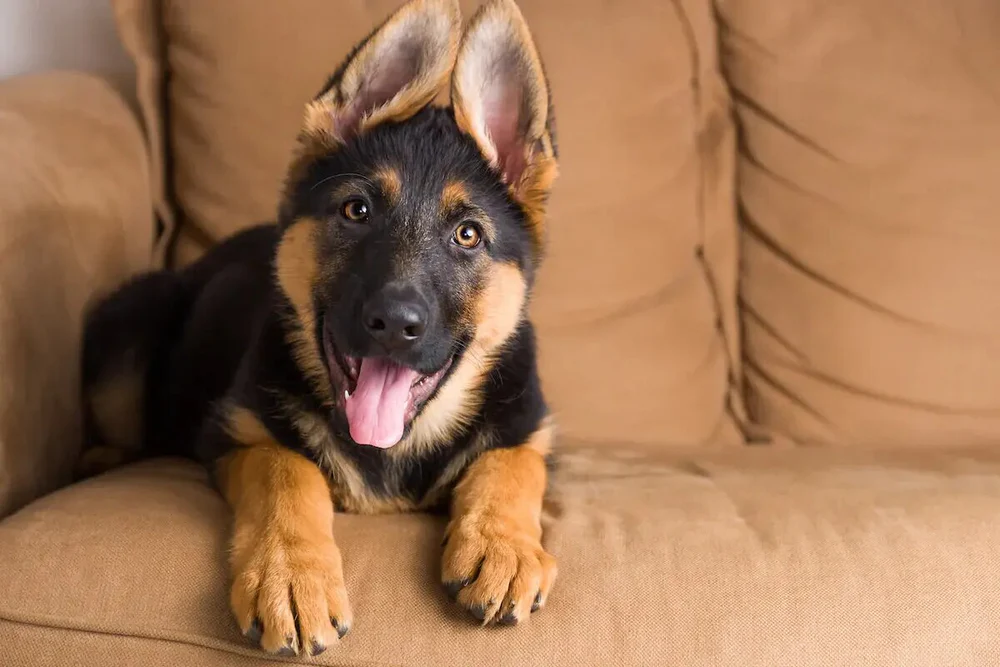
German Shepherd Brachycephalic Obstructive Airway Syndrome (BOAS) photo

What you can try

Mistakes that make this worse

Avoiding these common mistakes can help improve your German Shepherd's condition.

When German Shepherd Brachycephalic Obstructive Airway Syndrome (BOAS) is an Emergency

German Shepherd Brachycephalic Obstructive Airway Syndrome (BOAS) can lead to serious health issues. Understanding when to seek emergency care is crucial for your dog’s well-being. Here’s a breakdown of red-flag signs and milder symptoms that you can monitor at home.

German Shepherd Brachycephalic Obstructive Airway Syndrome (BOAS) - When German Shepherd Brachycephalic Obstructive Airway Syndrome (BOAS) is an Emergency

Frequently asked questions

Why does my German Shepherd have brachycephalic obstructive airway syndrome (boas)?

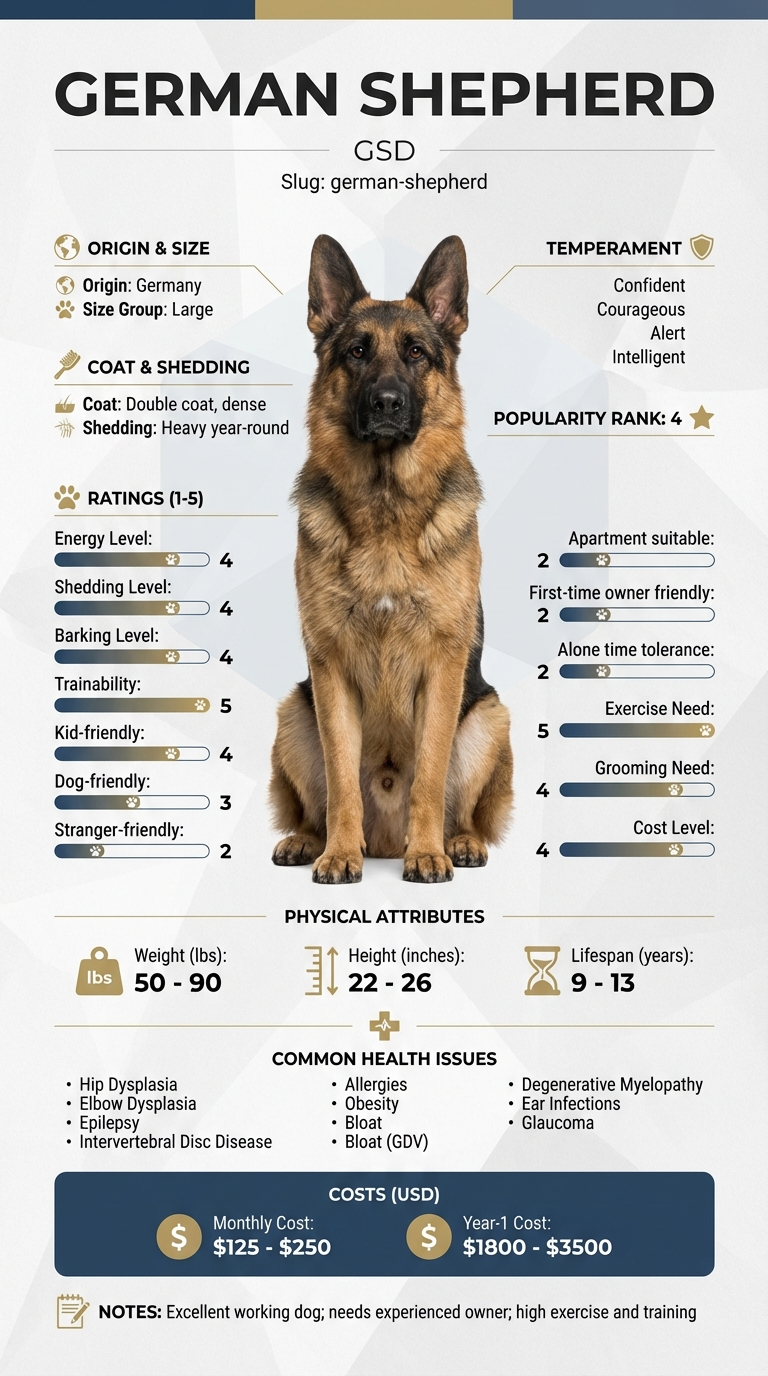
Brachycephalic obstructive airway syndrome (BOAS) can occur in German Shepherds due to their anatomical structure. While they are not classified as brachycephalic like Bulldogs, some individuals may still have obstructed airways. Factors like excessive weight, genetics, and environmental stressors can exacerbate the condition.

How can I help my German Shepherd with brachycephalic obstructive airway syndrome (boas)?

To help your German Shepherd, ensure they maintain a healthy weight and avoid strenuous exercise in hot weather. Providing a cool, calm environment can also alleviate symptoms. Consult your vet for tailored advice and potential treatments to improve their quality of life.

What are the signs of brachycephalic obstructive airway syndrome (boas) in German Shepherds?

Signs of BOAS include noisy breathing, snoring, and difficulty breathing, especially during exercise or in hot weather. You may also notice your dog becoming easily fatigued. If you observe these symptoms, it’s essential to consult your veterinarian.

Can training help my German Shepherd with brachycephalic obstructive airway syndrome (boas)?

Training can help manage your dog’s behavior and improve their overall health. Focus on basic commands and gentle activities that don’t overexert them. Avoid high-intensity training sessions as they can worsen breathing difficulties.

What treatments are available for German Shepherds with brachycephalic obstructive airway syndrome (boas)?

Treatment options for BOAS include lifestyle changes, weight management, and, in severe cases, surgical interventions to open the airways. Always discuss these options with your veterinarian to find the best fit for your dog's needs.

What are the signs of German Shepherd brachycephalic obstructive airway syndrome (boas)?

Signs of German Shepherd brachycephalic obstructive airway syndrome (boas) include noisy breathing, excessive snoring, and difficulty in breathing during exercise. You might also notice your dog struggling more in hot weather or after physical activity.

Can brachycephalic obstructive airway syndrome (boas) affect older German Shepherds differently?

Yes, older German Shepherds with brachycephalic obstructive airway syndrome (boas) may experience more severe symptoms due to decreased stamina and overall health. Monitoring their breathing and activity levels is crucial as they age.

How can I help my German Shepherd with brachycephalic obstructive airway syndrome (boas) during hot weather?

To help your German Shepherd during hot weather, ensure they have access to cool, shaded areas and plenty of fresh water. Limit their outdoor activities during peak heat times to prevent breathing difficulties.

When should I see a vet for my German Shepherd's breathing issues?

You should see a vet if your German Shepherd shows signs like labored breathing, excessive panting, or if their gums appear blue. Early intervention can help manage brachycephalic obstructive airway syndrome (boas) more effectively.

Are there specific training methods for German Shepherds with brachycephalic obstructive airway syndrome (boas)?

Training methods for German Shepherds with brachycephalic obstructive airway syndrome (boas) should focus on gentle exercises and positive reinforcement. Short, frequent training sessions are ideal to avoid overexertion.