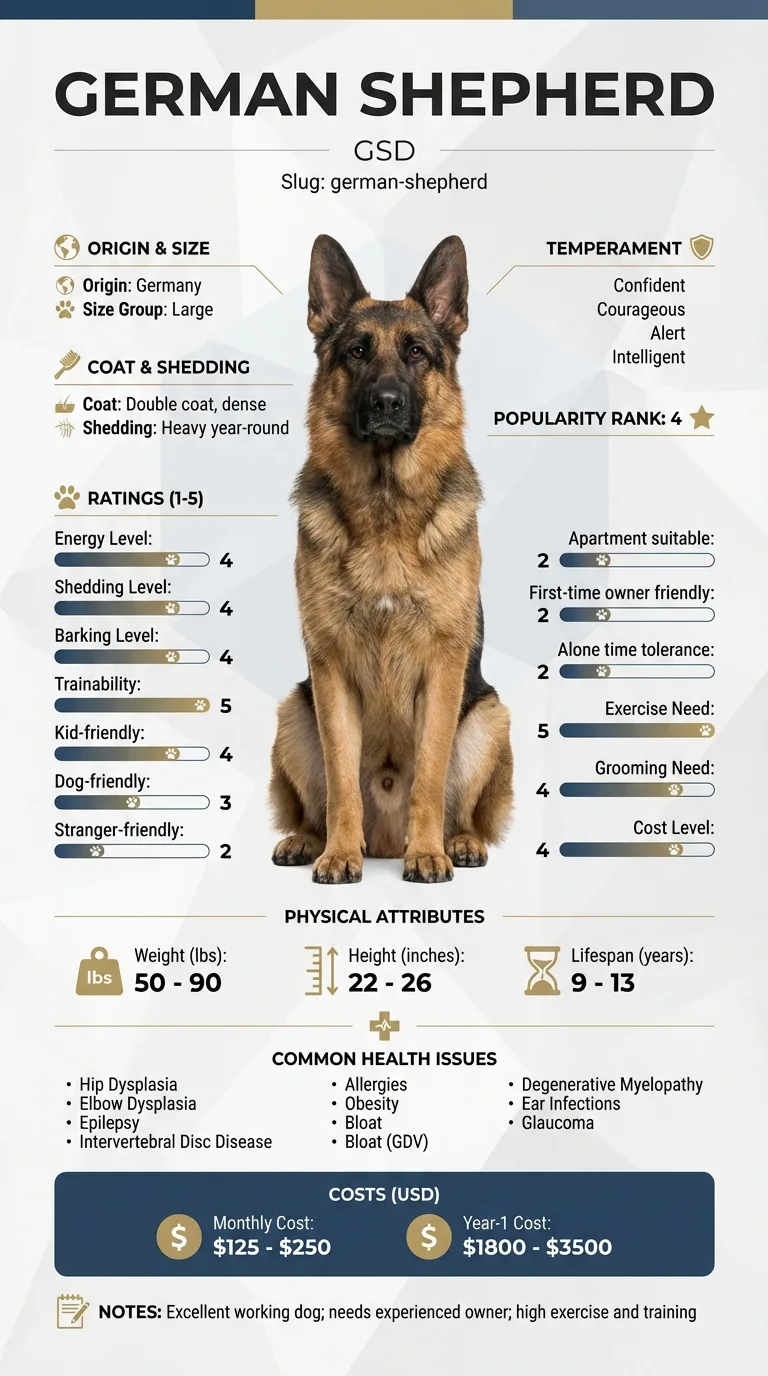
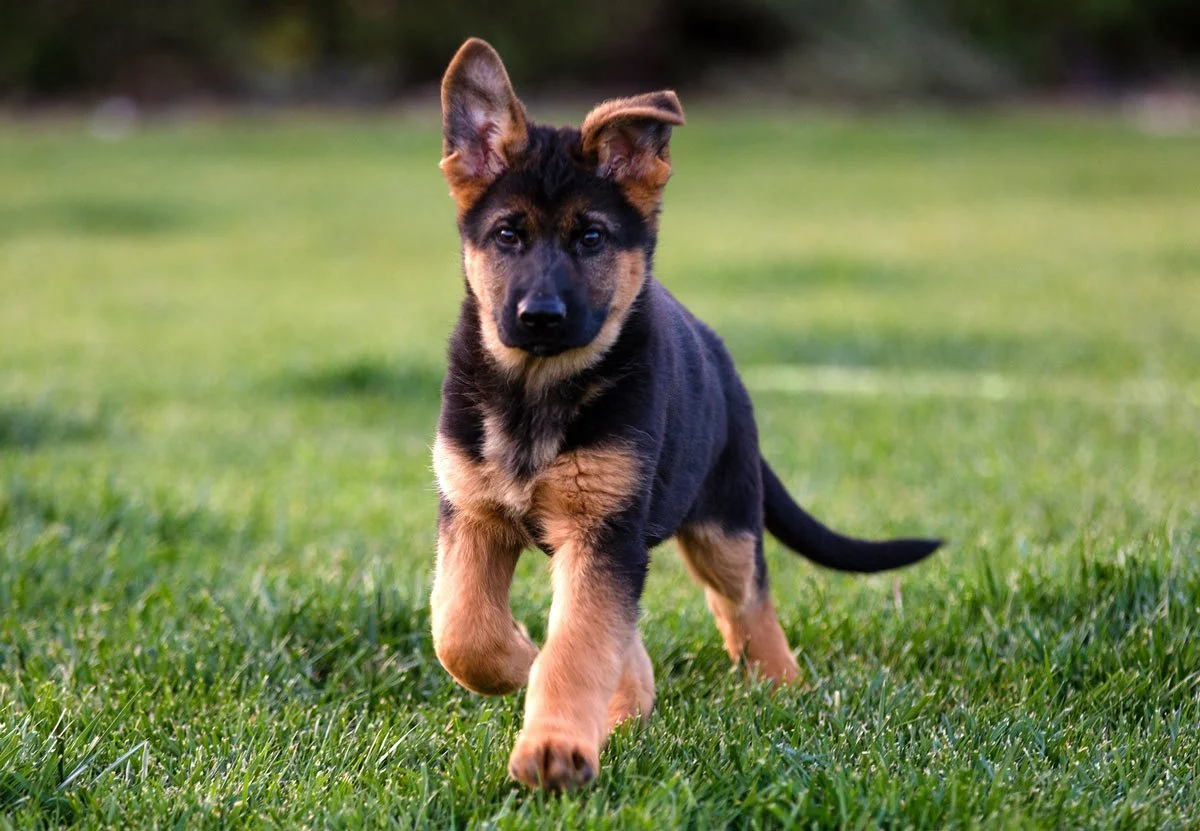
Understanding German Shepherd Arthritis and How to Manage It
German Shepherd arthritis is a common issue that affects your dog's mobility and comfort. It can lead to pain and decreased activity levels.

What you can try
- Maintain a healthy weight for your German Shepherd to reduce stress on their joints. Monitor their diet and portion sizes.
- Implement a regular, low-impact exercise routine. Activities like swimming or walking on soft surfaces can help keep their joints limber without causing strain.
- Create a comfortable resting area with supportive bedding to minimize joint pain. Ensure your home is free of slippery surfaces to prevent falls.
Mistakes that make this worse
Managing German Shepherd arthritis can be tough. Here are some common mistakes owners make that can actually worsen the condition.
- Ignoring Signs of Pain: Some owners might overlook subtle signs of pain or discomfort. If your dog is limping or hesitating to jump, it’s important to consult a vet. Addressing pain early can prevent further joint damage.
- Overexercising: While exercise is vital for maintaining joint health, too much can exacerbate arthritis. Stick to low-impact activities like walking or swimming, and avoid high-impact play that puts stress on the joints.
- Feeding Poor Quality Diets: Diets lacking in essential nutrients can lead to weight gain and worsen arthritis. Opt for high-quality dog food with joint supplements to support overall health.
- Neglecting Weight Management: Overweight dogs put extra pressure on their joints. Work with your vet to create a weight loss plan if your German Shepherd is carrying extra pounds.
- Failing to Provide Proper Bedding: Hard surfaces can increase discomfort for dogs with arthritis. Ensure your German Shepherd has a soft, supportive bed to help alleviate joint pressure.
- Skipping Regular Vet Visits: Regular check-ups are crucial for managing arthritis effectively. Your vet can adjust treatment plans as needed based on your dog's condition.
- Not Utilizing Joint Supplements: Some owners may ignore the benefits of glucosamine or omega-3 fatty acids. These supplements can help reduce inflammation and improve joint health.
When German Shepherd Arthritis is an Emergency
It's crucial to recognize when German Shepherd arthritis becomes a serious issue. Emergency signs include sudden inability to stand or walk, severe swelling in joints, or extreme pain when touched. If your dog exhibits any of these symptoms, contact your vet immediately.

When to Watch and Wait
In less severe cases, such as mild limping or occasional stiffness, you can monitor your German Shepherd's condition at home. Create a plan that includes gentle exercise, weight management, and a comfortable resting area. Keep track of any changes and reach out to your vet if symptoms worsen.

Frequently asked questions
Why does my German Shepherd have arthritis?
German Shepherds often develop arthritis due to their size and activity level. As they age, wear and tear on their joints can lead to inflammation and pain. Genetics and past injuries can also contribute to this condition.
How can I stop my German Shepherd from developing arthritis?
To help prevent arthritis, ensure your German Shepherd maintains a healthy weight and gets regular exercise. Avoid high-impact activities that could stress their joints, especially if they have a history of injuries. Regular vet check-ups can also catch early signs of joint issues.
What are the signs of arthritis in German Shepherds?
Common signs of arthritis include limping, stiffness after rest, difficulty climbing stairs, and reluctance to play. If you notice any of these symptoms, consult your vet for a thorough examination. Early intervention can help manage the condition effectively.
What treatments are available for German Shepherd arthritis?
Treatment options for arthritis in German Shepherds include weight management, anti-inflammatory medications, and joint supplements like glucosamine. Physical therapy and moderate exercise can also be beneficial. Always discuss treatment plans with your vet.
Can training help my German Shepherd with arthritis?
Training can help by teaching your German Shepherd to move carefully and avoid activities that strain their joints. Gentle training methods focused on low-impact exercises can maintain their mobility without causing pain. Consult a trainer familiar with arthritis issues for the best approach.
What are the early signs of arthritis in my German Shepherd?
Early signs of German Shepherd arthritis can include stiffness after resting, difficulty getting up, and reluctance to engage in play or exercise. You may also notice changes in their gait, like limping or favoring one leg.
Can diet help manage my German Shepherd's arthritis symptoms?
Yes, a well-balanced diet with anti-inflammatory ingredients can help manage arthritis symptoms in your German Shepherd. Consider foods rich in omega-3 fatty acids or consult your vet for specific dietary recommendations.
When should I take my German Shepherd to the vet for arthritis?
If your German Shepherd shows persistent signs of pain, difficulty moving, or changes in behavior, it's time to consult your vet. Early intervention can help manage arthritis and improve their quality of life.
Are there specific exercises recommended for German Shepherds with arthritis?
Low-impact exercises like swimming or gentle walks can be beneficial for German Shepherds with arthritis. Always consult your vet before starting a new exercise regimen to ensure it's safe for your dog.
How can I help my older German Shepherd cope with arthritis?
To help your older German Shepherd cope with arthritis, provide a comfortable resting area, maintain a healthy weight, and consider joint supplements. Regular vet check-ups are essential to monitor their condition and adjust treatment as needed.