Behavior
What are quick tips for managing French Spaniel gastric dilatation-volvulus (gdv/bloat)?
Feed smaller meals multiple times a day and discourage vigorous activity after meals. Monitor your dog's eating habits closely to prevent gulping food.
French Spaniel gastric dilatation-volvulus (GDV/bloat) is a serious condition that can be life-threatening if not treated quickly. Understanding the signs and prevention methods is crucial for your dog's health.
Owners of French Spaniels, especially those who are new to dog ownership, may struggle with recognizing the signs of GDV. Busy families, active individuals, or those with multiple pets may find it challenging to monitor their dog's behavior closely, increasing the risk of missing early symptoms.
This guide is not medical advice. If your dog shows pain, sudden behavior change, or worsening symptoms, consult a licensed veterinarian.
Some links may be affiliate links. We may earn a commission at no extra cost to you. We only suggest products we believe are helpful for dog owners.
French Spaniel gastric dilatation-volvulus (GDV/bloat) is a serious, life-threatening condition that can cause a dog's stomach to fill with gas and twist. This often happens suddenly, leading to distress and discomfort for your pet. Symptoms can include a distended abdomen, excessive drooling, restlessness, and attempts to vomit without success.
GDV is particularly common in larger breeds like the French Spaniel. While not every French Spaniel will experience this issue, it is essential for owners to be aware of the potential risks, as veterinary intervention is often needed urgently.
French Spaniels can be prone to gastric dilatation-volvulus (GDV) due to their large size and deep chests. These physical traits make them more susceptible to the stomach twisting, especially during or after vigorous activity. Additionally, their energetic nature can lead to rapid eating, which may increase the risk of bloat.
Environmental factors such as stress, rapid eating, or consuming large meals can contribute to GDV. Dogs that are anxious or excited around meal times may swallow air, further increasing the risk. Changes in routine or diet can also trigger this serious condition.
If your French Spaniel displays anxiety around meal times or is prone to overeating, consider consulting a dog trainer. They can help address behavioral issues and provide strategies to promote calmer eating habits.
If you notice signs of GDV such as a swollen belly, restlessness, or attempts to vomit without success, contact your vet immediately. This condition is life-threatening and requires urgent medical attention. Regular check-ups can also help monitor your dog's overall health and risk factors.
Managing French Spaniel gastric dilatation-volvulus (gdv/bloat) can take several weeks to months. You should see gradual improvements in your dog's eating habits and behavior within the first few weeks of implementing changes.
Success means your French Spaniel eats smaller meals without gulping, shows less anxiety around food, and has more stable energy levels. Monitoring their behavior and consulting a vet regularly will help ensure they remain healthy.
Avoiding common mistakes can help manage French Spaniel gastric dilatation-volvulus (GDV/bloat). Here are some behaviors to watch out for.
French Spaniel gastric dilatation-volvulus (GDV/bloat) can be a serious condition that requires immediate attention. Recognizing when it’s an emergency can save your dog’s life. Here are some red-flag signs that mean you should call your vet right away:
- **Distended abdomen**: If your dog's belly looks unusually swollen or hard, it could indicate bloat. - **Unproductive vomiting**: If your French Spaniel is trying to vomit but nothing comes up, this is a red flag. - **Restlessness or pacing**: If your dog is unable to settle down and appears anxious, it may be in distress. - **Rapid breathing or panting**: Increased breathing rate can indicate pain or stress. - **Weakness or lethargy**: If your dog seems unusually weak or uninterested in activity, it’s time to seek help.
In less severe cases, you can monitor your French Spaniel at home. Here are some signs that suggest you may not need immediate vet care but should still keep an eye on your dog:
- **Mild bloating**: If your dog's belly is slightly distended but not hard, monitor for changes. - **Normal appetite**: If your dog is still eating and drinking normally, it may not be a serious issue. - **Occasional gurgling sounds**: Some stomach noises can be normal, especially after eating.
Keep a watchful eye on your French Spaniel, and don’t hesitate to call your vet if you are unsure. It’s always better to err on the side of caution when it comes to your dog's health.
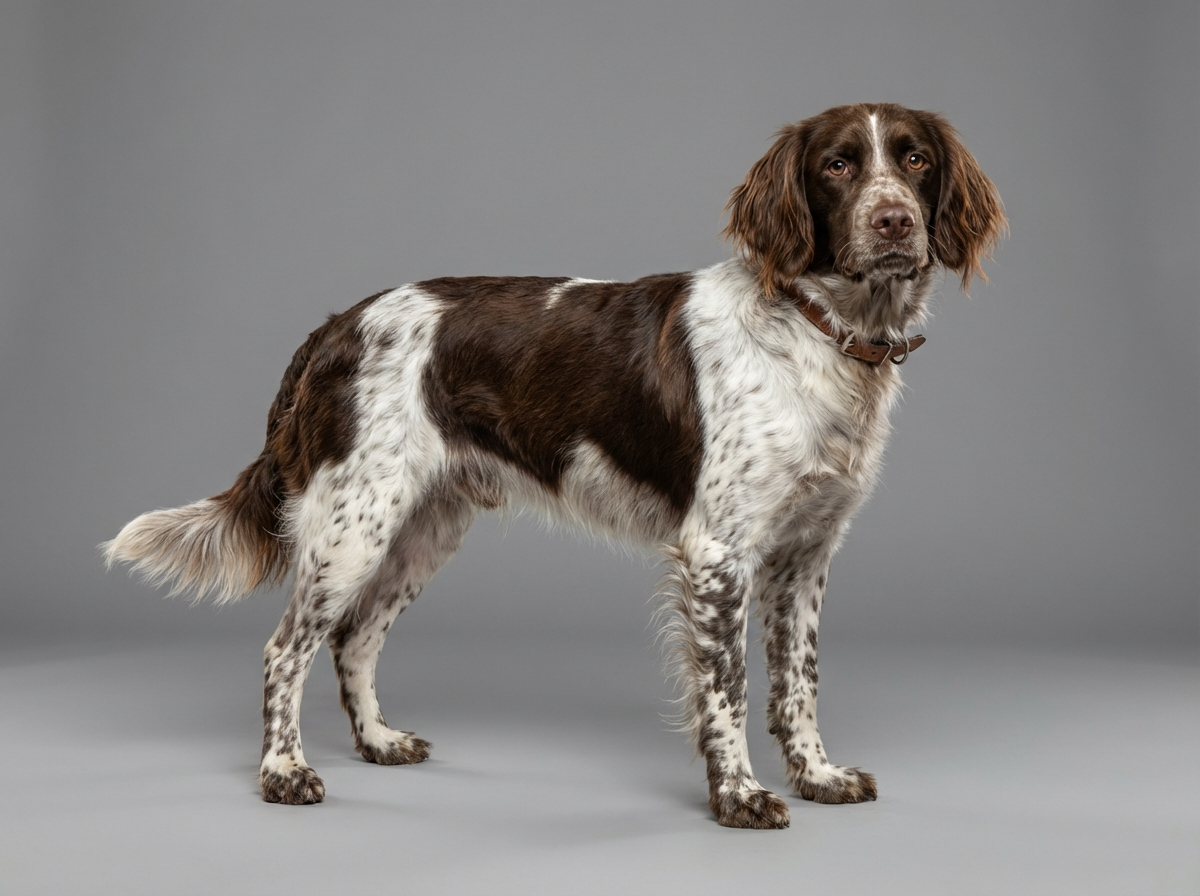
The Martins, a busy family with two kids, adopted a French Spaniel named Max. They noticed Max would sometimes eat too quickly, leading to discomfort. After researching, they learned about gastric dilatation-volvulus (gdv/bloat) and decided to implement changes. They began feeding Max smaller, more frequent meals and invested in a special slow-feeder bowl. With patience, they saw a marked improvement; Max was happier, and his anxiety around mealtimes lessened.
Key takeaway: By understanding and adjusting their dog's feeding habits, the Martins significantly improved Max's quality of life, showing that proactive measures can make a difference.
French Spaniel gastric dilatation-volvulus (gdv/bloat) is a serious condition where the stomach fills with gas and twists. This can cut off blood flow and lead to shock or death if not treated quickly. It's crucial to recognize symptoms early.
GDV can occur due to several factors, including eating too quickly, high-stress levels, or genetics. Large, deep-chested breeds like the French Spaniel are more prone to this condition. Monitoring feeding habits and stress can help reduce risks.
To prevent GDV, feed your French Spaniel smaller meals throughout the day instead of one large meal. Avoid vigorous exercise immediately after eating and consider using slow-feed bowls. Regular vet check-ups can also help monitor their health.
Symptoms include a swollen abdomen, unproductive attempts to vomit, excessive drooling, and signs of distress like pacing or restlessness. If you notice these signs, seek emergency veterinary care immediately.
Treatment usually involves immediate stabilization and surgery to untwist the stomach. Your veterinarian may also perform procedures to prevent future occurrences. Early intervention is key for a positive outcome.
While training cannot prevent GDV, teaching your French Spaniel to eat slowly through commands or using puzzle feeders can help. A calmer eating environment can also reduce anxiety that may contribute to the condition.
Early signs of GDV in your French Spaniel include restlessness, a swollen abdomen, and attempts to vomit without success. If you notice these symptoms, it's crucial to seek veterinary help immediately, as this condition can escalate quickly.
Yes, older French Spaniels may be at a higher risk for GDV due to age-related health changes. However, any dog, regardless of age, can develop this serious condition, so it's essential to monitor their behavior and diet closely.
Stress can be a factor in GDV, especially in anxious dogs. If your French Spaniel experiences separation anxiety or other stressors, addressing these behaviors may help reduce the risk of bloat.
To help prevent GDV, feed your French Spaniel smaller meals throughout the day rather than one large meal. Additionally, avoid vigorous exercise immediately after eating, and keep an eye on their water intake during meals.
If you suspect your French Spaniel has GDV, take them to a veterinarian immediately. This life-threatening condition requires prompt treatment to avoid serious complications.
Feed smaller meals multiple times a day and discourage vigorous activity after meals. Monitor your dog's eating habits closely to prevent gulping food.
If you notice signs of GDV, take your dog to the vet immediately. Time is critical in preventing serious complications.
Treating GDV can be expensive, typically ranging from $1,500 to $5,000 depending on the severity and required procedures. It's wise to consider pet insurance.
Yes, large, deep-chested breeds, including the French Spaniel, are at higher risk for GDV. Awareness of this risk is important for responsible ownership.