Behavior
What are quick tips for French Spaniel dental issues?
Brush your dog's teeth several times a week and provide dental chews regularly. Schedule annual vet check-ups for professional cleanings.

Quick answer
What are quick tips for French Spaniel dental issues?
Brush your dog's teeth several times a week and provide dental chews regularly. Schedule annual vet check-ups for professional cleanings.
Dental issues in French Spaniels can lead to serious health problems if not addressed. It's crucial for their overall well-being.
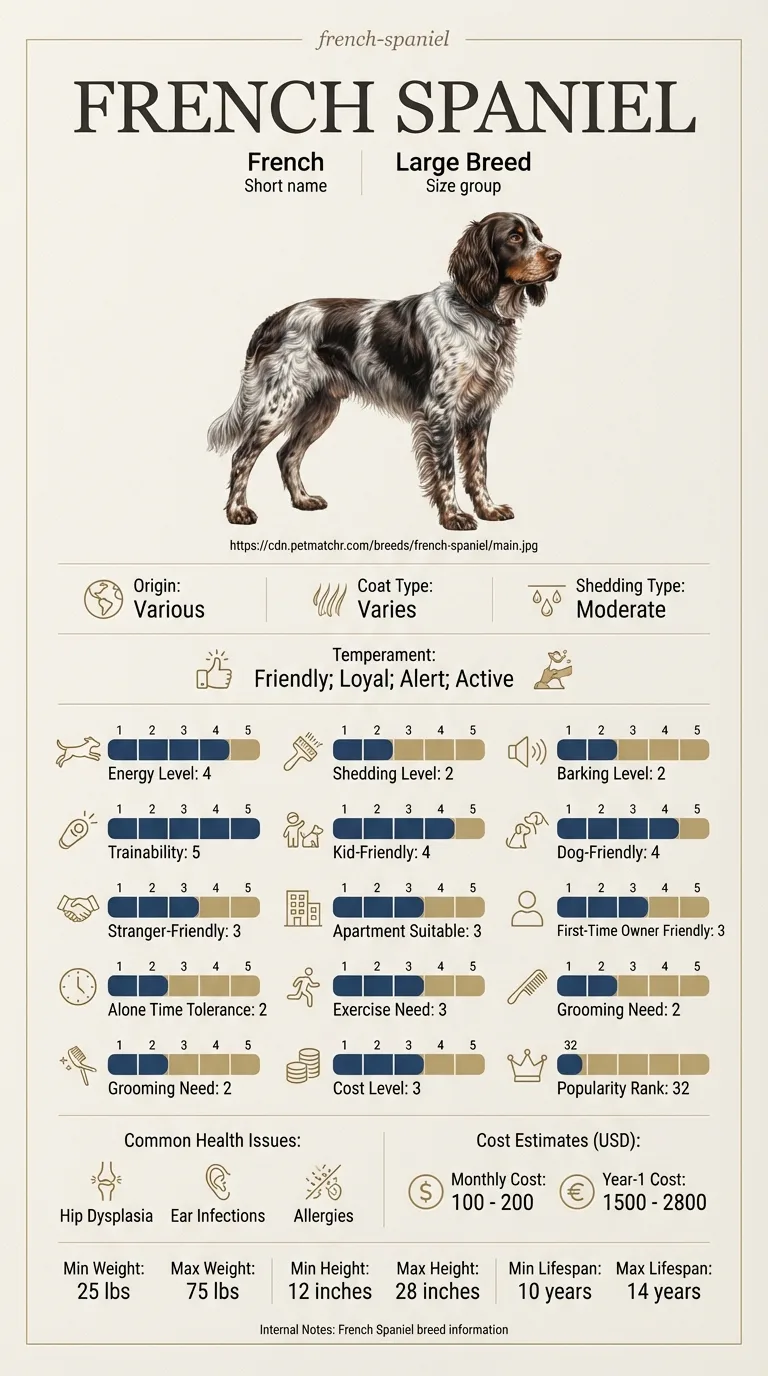
This problem often affects first-time dog owners or those unfamiliar with the dental care needs of French Spaniels. Busy families or individuals might overlook these signs, leading to more significant health concerns down the line.
This guide is not medical advice. If your dog shows pain, sudden behavior change, or worsening symptoms, consult a licensed veterinarian.
Some links may be affiliate links. We may earn a commission at no extra cost to you. We only suggest products we believe are helpful for dog owners.
We research and check what we publish, but we do not warrant that any figure, date, price, or statement is accurate, complete, or current, and we accept no liability for any loss, cost, injury, or other harm arising from the use of this site. Use it as one reference among several. You remain responsible for your own decisions and for your dog's care - confirm anything that matters with a licensed veterinarian or another qualified professional before you act on it. Full disclaimer.
Check this first
Recognizing when French Spaniel dental issues become an emergency is crucial for your dog's health. Some signs indicate that you should call your vet immediately. If your French Spaniel has severe swelling in the mouth, excessive bleeding, or is in noticeable pain while eating, these are red flags. Additionally, if you see any signs of infection, such as pus or a foul odor coming from the mouth, seek veterinary care right away.
If any of these apply, call your vet or an emergency clinic now. The rest of this page is for the cases that are not an emergency.
French Spaniel dental issues can lead to daily discomfort and health problems for your dog. Common signs include bad breath, difficulty eating, and swollen gums. These issues arise mainly due to plaque buildup, which can lead to gum disease and tooth loss if not addressed.
Dental issues are quite common among French Spaniels, affecting a significant number of them as they age. Regular dental care can help prevent these problems, but many owners overlook this crucial aspect of their dog's health.
French Spaniels may be prone to dental issues due to their size and jaw structure. Their teeth can become crowded, leading to plaque buildup and gum problems. Additionally, certain genetic factors can make them more susceptible to dental decay.
Environmental factors can play a significant role in dental health. A lack of proper dental care routines, such as regular brushing or dental chews, can lead to problems. Diet also impacts dental hygiene; feeding them low-quality food can contribute to plaque buildup.
If you notice signs of dental problems, such as bad breath, swollen gums, or difficulty eating, contact your vet. They can assess your dog's dental health and recommend treatments or interventions.
Avoiding these common mistakes can help improve your French Spaniel's dental health.
Start here: French Spaniel Most Common Genetic Disorders: Screening
See all French Spaniel health problems, which breeds are prone to dental issues, or the full French Spaniel breed guide for temperament, exercise needs and ownership costs.
You can expect to see improvements in your French Spaniel's dental health within 4 to 6 months of consistent care and follow-up with your vet.
Success looks like reduced plaque and tartar buildup, healthier gums, and your dog being more comfortable during dental check-ups.
On the other hand, not all dental issues require an emergency visit. If your French Spaniel shows mild signs of dental discomfort, such as occasional bad breath or slight tartar buildup, you can monitor these conditions at home. Implementing a dental care routine, such as regular brushing and dental chews, can help manage these issues. Keep an eye on their behavior and make a plan for a vet visit if the problems persist or worsen.

When Sarah adopted Max, her energetic French Spaniel, she quickly noticed he had bad breath and seemed uncomfortable while chewing. After a vet visit confirmed dental issues, Sarah learned about daily dental care routines. She started brushing Max's teeth regularly and introduced dental chews into his diet. Six months later, Max's breath improved, and his dental check-ups showed significant progress. Sarah felt relieved and proud to see Max happier and healthier.
Key takeaway: Consistent dental care and training can make a big difference in your French Spaniel's oral health.
Common signs of dental issues in your French Spaniel include bad breath, difficulty eating, and swollen or bleeding gums. You might also notice tartar buildup on their teeth. If you see these signs, it's a good idea to consult your vet.
To prevent dental issues, establish a regular dental care routine that includes brushing their teeth several times a week. Additionally, providing dental chews can help reduce plaque buildup. Regular vet check-ups are crucial to catch any problems early.
Yes, signs include bad breath, swollen gums, difficulty chewing, and excessive drooling. If your French Spaniel shows these signs, it's essential to take them to the vet for an evaluation. Early intervention can prevent more serious issues.
Look for dental chews that are specifically designed to promote oral health. These treats should be safe, digestible, and help reduce plaque and tartar. Always check with your vet for recommendations.
Most vets recommend professional dental cleanings at least once a year. However, your vet may suggest more frequent cleanings based on your dog's dental health. Regular at-home care is also essential.
Dental issues can lead to more severe health problems in your French Spaniel if left untreated. Bacteria from dental disease can enter the bloodstream and affect the heart, liver, and kidneys. Regular dental care is vital for maintaining your dog's overall health.
Brush your French Spaniel's teeth regularly, provide dental chews, and ensure a balanced diet. You can also use water additives designed for dogs to help with dental hygiene. Always consult your vet for tailored advice.
Preventing dental issues in older French Spaniels involves regular dental cleanings and daily tooth brushing. You can also provide dental chews designed to help reduce plaque. Always check with your vet for the best dental care routine for your senior dog.
Even with regular cleaning, some French Spaniels might still develop dental issues due to their genetic predisposition or diet. Certain breeds are more prone to dental problems, so it’s essential to monitor their dental health closely and consult your vet if problems persist.
Yes, there are dental products designed specifically for French Spaniels. Look for toothbrushes and toothpaste made for dogs, as well as dental treats that promote oral health. Always choose products that are safe and recommended by your veterinarian.
Brush your dog's teeth several times a week and provide dental chews regularly. Schedule annual vet check-ups for professional cleanings.
Aim to brush your French Spaniel's teeth at least two to three times a week for optimal dental health.
Choose high-quality dog food that promotes dental health and consider specific dental treats. Always consult your vet for recommendations.
Look for signs like persistent bad breath, swollen gums, or difficulty eating, which may indicate serious dental issues.
Yes, regular dental care, including brushing and vet check-ups, can significantly reduce the risk of dental problems.
A one-page prep sheet for this condition: the signs, the questions to ask, what to get priced. Unlocks here.
You get: Vet visit prep sheet
No spam. One-click unsubscribe. See our privacy policy.
Preview page 1 before you decide.