Health
What are quick tips for managing ventricular arrhythmias?
Keep your English Cocker Spaniel's environment calm and reduce stressors. Regular vet check-ups are key to monitor their heart health.

Quick answer
What are quick tips for managing ventricular arrhythmias?
Keep your English Cocker Spaniel's environment calm and reduce stressors. Regular vet check-ups are key to monitor their heart health.
English Cocker Spaniel ventricular arrhythmias are a serious heart issue that can affect your dog's health and well-being.
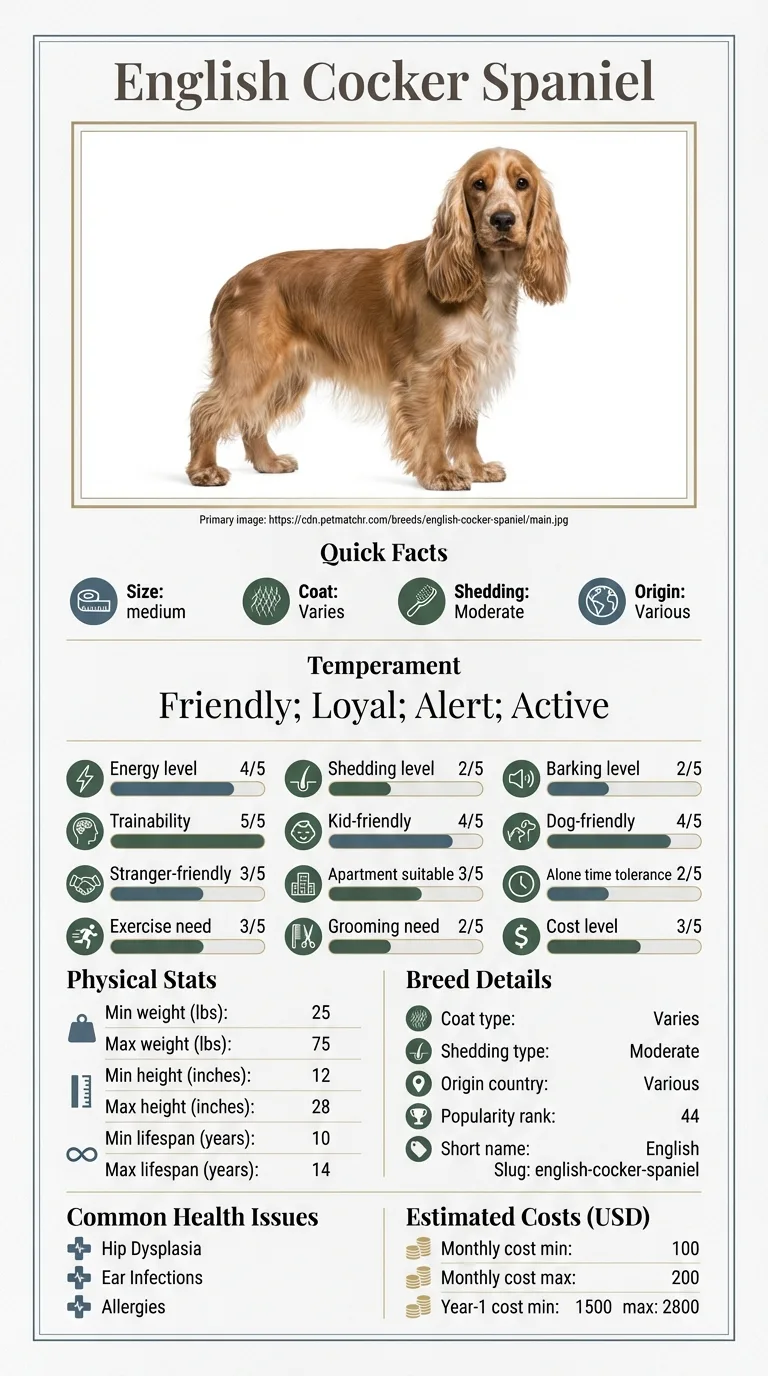
Owners of English Cocker Spaniels, particularly those who are new to this breed, often struggle with recognizing and managing ventricular arrhythmias. This condition can be alarming and confusing, especially for those unfamiliar with canine heart issues.
This guide is not medical advice. If your dog shows pain, sudden behavior change, or worsening symptoms, consult a licensed veterinarian.
Some links may be affiliate links. We may earn a commission at no extra cost to you. We only suggest products we believe are helpful for dog owners.
We research and check what we publish, but we do not warrant that any figure, date, price, or statement is accurate, complete, or current, and we accept no liability for any loss, cost, injury, or other harm arising from the use of this site. Use it as one reference among several. You remain responsible for your own decisions and for your dog's care - confirm anything that matters with a licensed veterinarian or another qualified professional before you act on it. Full disclaimer.
Check this first
Not all cases of ventricular arrhythmias in English Cocker Spaniels require immediate action. However, recognizing the signs that do necessitate a vet visit is crucial. Red flags include fainting, extreme lethargy, labored breathing, and persistent coughing.
If your dog shows any of these symptoms, it's essential to call your vet immediately.
On the other hand, if your English Cocker Spaniel has occasional irregular heartbeats but remains active and alert, you can monitor the situation at home. Keep an eye on their behavior, appetite, and exercise levels. If these remain normal, you can take a wait-and-see approach while documenting any irregularities.
Planning a vet visit for a thorough check-up is also a good idea.
Remember, your dog's health is paramount. If you're ever in doubt, it's better to err on the side of caution and consult your veterinarian. They can provide tailored advice based on your dog's specific health needs and history.
If any of these apply, call your vet or an emergency clinic now. The rest of this page is for the cases that are not an emergency.
English Cocker Spaniel ventricular arrhythmias manifest as irregular heartbeats, which can cause your dog to appear lethargic or anxious. This condition can result in symptoms like weakness, fainting, or even sudden collapse during physical activity. For many owners, witnessing their dog struggle with these episodes can be distressing and alarming.
Ventricular arrhythmias are a notable concern for English Cocker Spaniels, though not all will experience them. Regular veterinary check-ups are crucial for early detection, especially since this breed is predisposed to certain heart issues.
English Cocker Spaniels may have a genetic predisposition to ventricular arrhythmias. This breed is known for its lively and active nature, but certain hereditary factors can impact their heart health. It's essential to understand that some dogs may be more prone to heart issues due to their lineage.
Environmental factors, such as high-stress situations or lack of physical activity, can also contribute to irregular heartbeats. If your English Cocker Spaniel is not getting enough exercise or is exposed to stressful environments, it might lead to increased heart strain. Keeping their environment calm and providing regular exercise is crucial for their overall well-being.
If your English Cocker Spaniel shows persistent signs of irregular heartbeats, such as coughing, lethargy, or difficulty breathing, it's time to talk to your vet. They can perform necessary tests to assess the heart's health and recommend appropriate treatment.
Many owners unknowingly make their English Cocker Spaniel's ventricular arrhythmias worse. Here are some common mistakes and safer alternatives.
Start here: English Cocker Spaniel Most Common Genetic Disorders
See all English Cocker Spaniel health problems, which breeds are prone to ventricular arrhythmias, or the full English Cocker Spaniel breed guide for temperament, exercise needs and ownership costs.
Expect to see some improvement in your English Cocker Spaniel's ventricular arrhythmias within 4 to 6 weeks of consistent care and follow-up with your vet. However, ongoing monitoring and adjustments may be needed based on your dog's response.
Success means your dog shows fewer irregular heartbeats, increased energy levels, and a more stable temperament. You'll also feel more confident in managing their health and behavior.
Sarah, a busy nurse in Seattle, noticed her English Cocker Spaniel, Bella, had been having irregular heartbeats. After consulting with her vet, she learned about the importance of a calm environment and regular exercise. Sarah committed to a daily routine that included short walks, low-stress activities, and even some training exercises to keep Bella engaged. Over the next few weeks, she saw a remarkable change in Bella’s energy and mood. The irregular heartbeats became less frequent, giving Sarah peace of mind.
Key takeaway: Creating a consistent routine and seeking professional advice can significantly improve your English Cocker Spaniel's health and behavior.
Ventricular arrhythmias in English Cocker Spaniels can arise from various factors, including genetic predisposition, heart disease, or even stress. Identifying the underlying cause is essential for effective treatment. A vet can provide a proper diagnosis through examinations and tests. This answer relates to English Cocker Spaniel ventricular arrhythmias.
Stopping ventricular arrhythmias may involve a combination of medication, dietary changes, and regular check-ups with your vet. Reducing stress through a calm environment and consistent training can also help. Always consult your vet before making any changes to your dog's routine.
A balanced diet low in sodium and rich in omega-3 fatty acids can be beneficial for English Cocker Spaniels with ventricular arrhythmias. Always discuss dietary changes with your vet to ensure it meets your dog's specific needs. Supplements may also be recommended.
Training can help by providing mental stimulation and reducing stress, which may benefit dogs with ventricular arrhythmias. Positive reinforcement techniques are recommended, as they create a supportive environment. Consult a professional trainer if needed.
Yes, some heart conditions can be hereditary. If you have a family history of heart issues in English Cocker Spaniels, discuss this with your vet for proper screening and preventive measures.
Ensure your dog has a calm environment, reduces stress, and sticks to a regular exercise routine that's appropriate for their condition. Always follow your vet's recommendations regarding diet and activity levels.
If you notice signs like persistent coughing, difficulty breathing, or extreme fatigue, it’s time to visit your vet. Early intervention can make a significant difference in managing heart issues.
Treatment options may include medications to regulate heart rhythm and lifestyle changes. Your vet will create a tailored plan based on your dog’s specific needs and health status.
Keep your English Cocker Spaniel's environment calm and reduce stressors. Regular vet check-ups are key to monitor their heart health.
Treatment costs can vary widely, typically ranging from $100 to $500 per month depending on the severity and prescribed medications.
Gentle walks and low-impact activities are best. Avoid strenuous exercises and consult your vet for a tailored exercise plan.
A one-page prep sheet for this condition: the signs, the questions to ask, what to get priced. Unlocks here.
You get: Vet visit prep sheet
No spam. One-click unsubscribe. See our privacy policy.
Preview page 1 before you decide.