Behavior
How can I quickly recognize gdv/bloat in my English Cocker Spaniel?
Look for signs like a swollen belly, restlessness, or attempts to vomit without success. If you notice these, go to the vet right away.
English Cocker Spaniel gastric dilatation-volvulus (GDV/bloat) is a serious and potentially life-threatening condition that affects your dog's stomach.
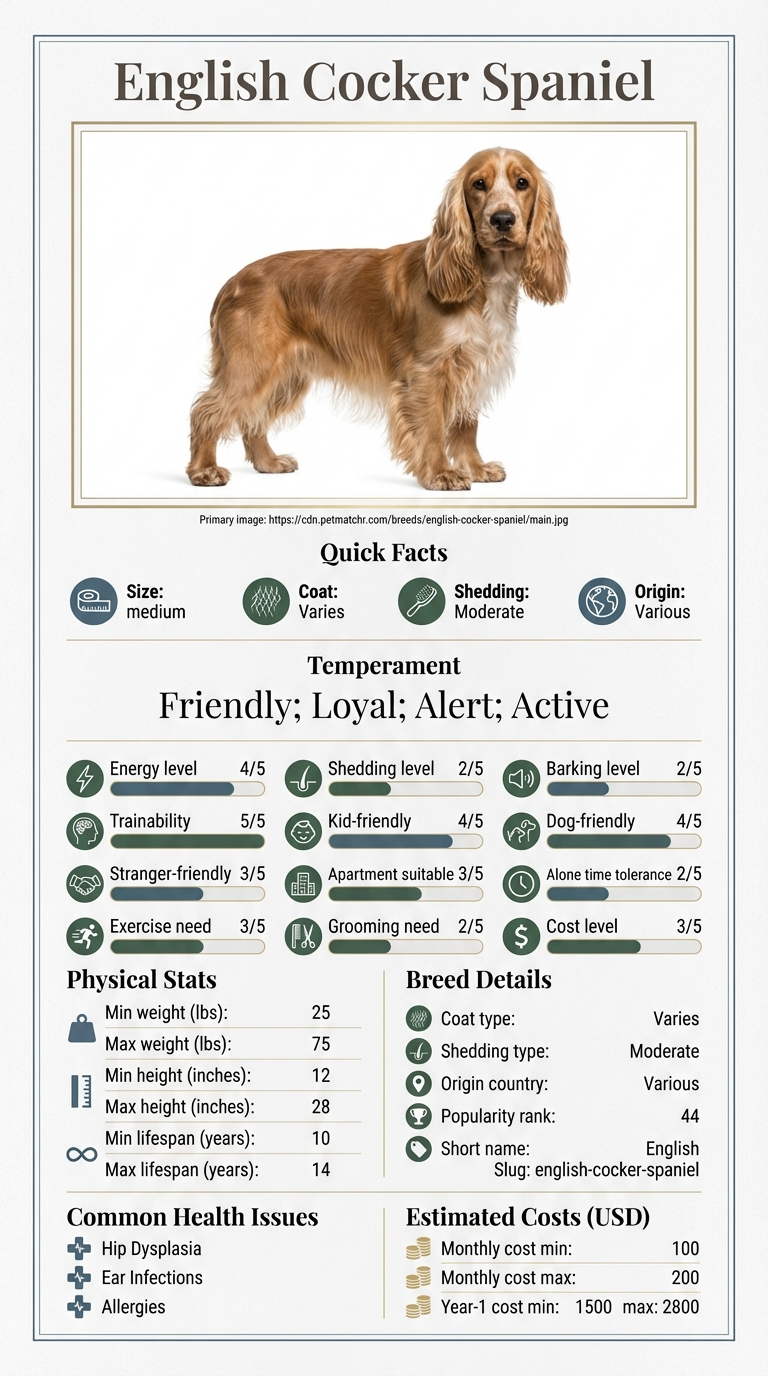
Owners of English Cocker Spaniels, particularly those who are not familiar with this breed's health issues, may find themselves facing this alarming problem. Busy pet parents or first-time dog owners may struggle to spot the symptoms before it becomes critical.
This guide is not medical advice. If your dog shows pain, sudden behavior change, or worsening symptoms, consult a licensed veterinarian.
Some links may be affiliate links. We may earn a commission at no extra cost to you. We only suggest products we believe are helpful for dog owners.
English Cocker Spaniel gastric dilatation-volvulus (gdv/bloat) is a serious and life-threatening condition. It occurs when the stomach fills with gas and twists on itself, causing extreme pain and stopping blood flow. Daily signs can include restlessness, unproductive vomiting, and a swollen abdomen, which can escalate quickly.
This condition is relatively common in breeds like the English Cocker Spaniel, especially those prone to anxiety. While not every English will experience gdv/bloat, it's essential for owners to be aware of the symptoms and act quickly if they suspect an issue.
English Cocker Spaniels have a build that makes them more susceptible to gastric dilatation-volvulus (GDV). Their deep chests can trap gas and fluid, leading to bloat. Additionally, their eating habits, such as eating quickly or consuming large meals, can increase this risk.
Stressful environments, such as loud noises or frequent changes, can contribute to bloat. If your English Cocker Spaniel is anxious or overly excited during mealtime, this can lead to gulping air while eating. Poor feeding practices, like allowing them to exercise right after eating, can also trigger GDV.
If your English Cocker Spaniel shows signs of anxiety around mealtimes or while eating, a professional trainer can help with desensitization techniques. They can also teach you how to manage your dog's behavior during feeding to reduce stress.
If you notice signs of bloat, such as a swollen abdomen, excessive drooling, or restlessness, contact your vet immediately. GDV is a life-threatening condition that requires urgent medical attention. Regular check-ups can also help monitor your dog's health and prevent potential issues.
Addressing English Cocker Spaniel gastric dilatation-volvulus (GDV/bloat) usually requires immediate veterinary attention. After treatment, owners should expect to see improvement in their dog's eating habits and behavior within a few weeks, provided they follow a proper diet and care routine.
Success means your English Cocker Spaniel is eating normally, maintaining a healthy weight, and showing no signs of distress or discomfort. Regular vet check-ups and monitoring are essential to ensure long-term health.
Avoiding these common mistakes can help your English Cocker Spaniel recover from gastric dilatation-volvulus (gdv/bloat) more effectively.
Gastric dilatation-volvulus (GDV), commonly known as bloat, is a serious condition that can affect your English Cocker Spaniel. Knowing when to seek immediate veterinary care is crucial. Red-flag signs include a distended abdomen, excessive drooling, restlessness, and signs of pain like whining or pacing.
If your dog displays these symptoms, call your vet right away.
Conversely, you may notice mild discomfort, such as a slightly bloated belly without significant distress. In these cases, observe your dog closely and monitor for changes in behavior or appetite. If symptoms persist or worsen, it’s wise to consult your vet.
Remember, it's better to err on the side of caution. GDV can progress quickly, so don't hesitate to act if you're unsure. Keeping a watchful eye on your English Cocker Spaniel's behavior can help you make informed decisions about their health.
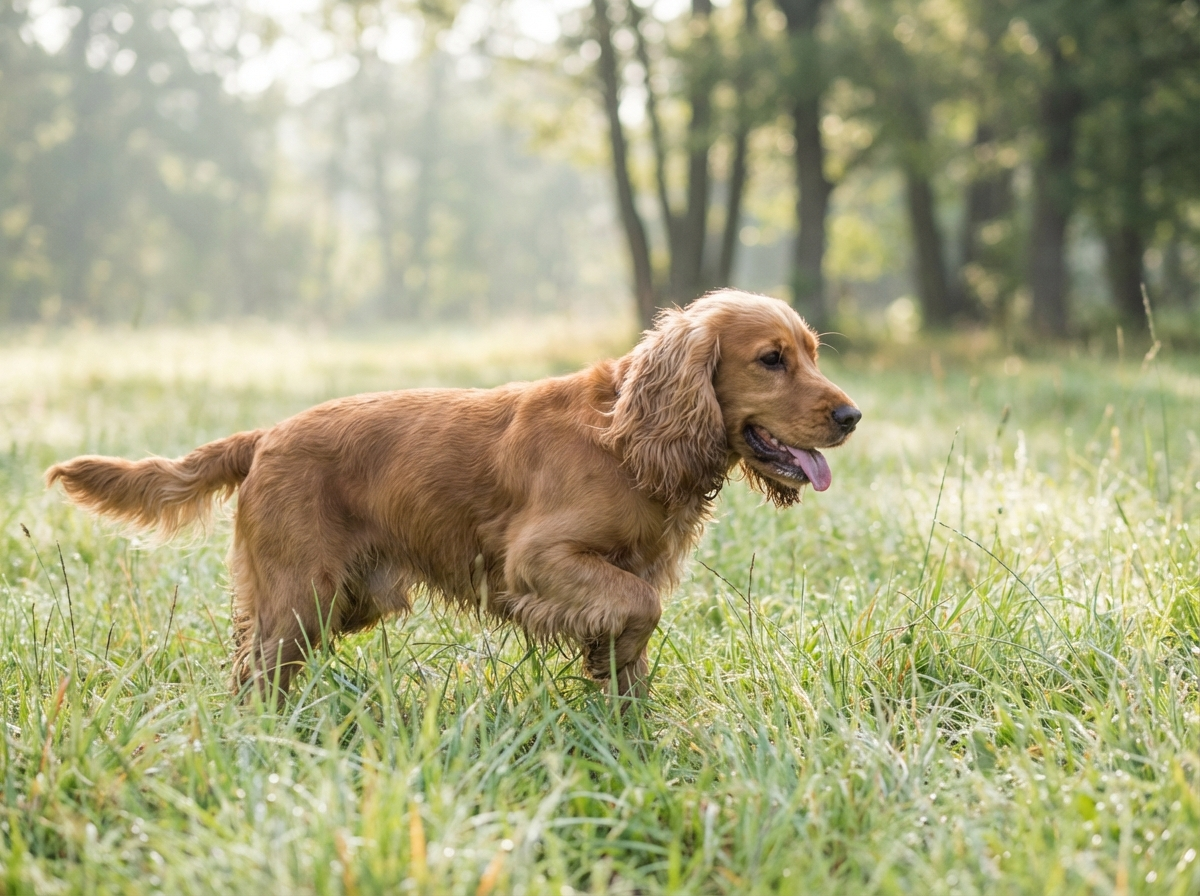
Sarah, a busy nurse in Seattle, noticed her English Cocker Spaniel, Daisy, was acting strangely after meals. After a rushed visit to the vet, she learned that Daisy had gastric dilatation-volvulus (GDV), a serious condition. The vet recommended a special feeding schedule and diet, emphasizing smaller, more frequent meals. Sarah committed to this routine, and over the next few weeks, she monitored Daisy closely. Gradually, Daisy returned to her playful self, and Sarah felt relieved and empowered by the experience.
Key takeaway: With prompt veterinary care and a dedicated feeding routine, owners can manage GDV and improve their dog's overall health.
Gastric dilatation-volvulus (GDV), commonly known as bloat, can occur for several reasons. Factors include rapid eating, drinking large amounts of water at once, or even genetic predispositions. If your English Cocker Spaniel seems restless or has a swollen abdomen, it's crucial to seek veterinary help immediately.
To prevent GDV, feed your English Cocker Spaniel smaller, more frequent meals instead of one large meal. Avoid vigorous exercise right after eating, and consider using a slow feeder bowl to reduce their eating speed. Monitoring their water intake is also important.
Signs of GDV include a distended abdomen, unproductive attempts to vomit, excessive drooling, and signs of distress or pain. If you notice these symptoms, it's vital to get your dog to a vet as soon as possible. This condition can progress rapidly and is an emergency.
If you suspect GDV, take your English Cocker Spaniel to the veterinarian immediately. Time is critical in managing this life-threatening condition. Early intervention can make a significant difference in outcomes.
While GDV can affect any dog breed, certain factors may increase the risk in English Cocker Spaniels. These include their eating habits and size. Regular vet check-ups can help monitor their overall health.
Early signs of English Cocker Spaniel gastric dilatation-volvulus (gdv/bloat) can include restlessness, pacing, and a bloated abdomen. You may also notice your dog trying to vomit without success. If you see these symptoms, contact your vet immediately.
Yes, older English Cocker Spaniels can be at risk for gastric dilatation-volvulus (gdv/bloat). Age can contribute to a slower digestive process, which may increase the likelihood of bloat. Regular veterinary check-ups are crucial to monitor their health.
To reduce the risk of English Cocker Spaniel gastric dilatation-volvulus (gdv/bloat), feed smaller meals more frequently instead of one large meal. Avoid vigorous exercise immediately before or after feeding. Additionally, consider using a slow feeder bowl.
If your English Cocker Spaniel shows signs of gastric dilatation-volvulus (gdv/bloat), it's critical to seek emergency veterinary care. This condition can progress rapidly and is life-threatening. Do not wait or try home remedies.
Gastric dilatation-volvulus (gdv/bloat) can occur in English Cocker Spaniels, though it's more common in deep-chested breeds. Awareness and proactive measures can help reduce the risk. Regular veterinary visits can also help catch any issues early.
Look for signs like a swollen belly, restlessness, or attempts to vomit without success. If you notice these, go to the vet right away.
Feed smaller meals, avoid exercise right after eating, and use slow feeder bowls to help prevent GDV.
Treatment typically involves emergency surgery to relieve pressure in the stomach and to possibly prevent future occurrences.