Behavior
What are some quick tips for English Cocker Spaniel eye problems?
Keep your dog's face clean and regularly check for any signs of irritation or injury. Regular vet check-ups are crucial for early detection of any issues.

Quick answer
What are some quick tips for English Cocker Spaniel eye problems?
Keep your dog's face clean and regularly check for any signs of irritation or injury. Regular vet check-ups are crucial for early detection of any issues.
English Cocker Spaniel eye problems can be a serious concern for owners. These issues can affect their vision and overall quality of life.
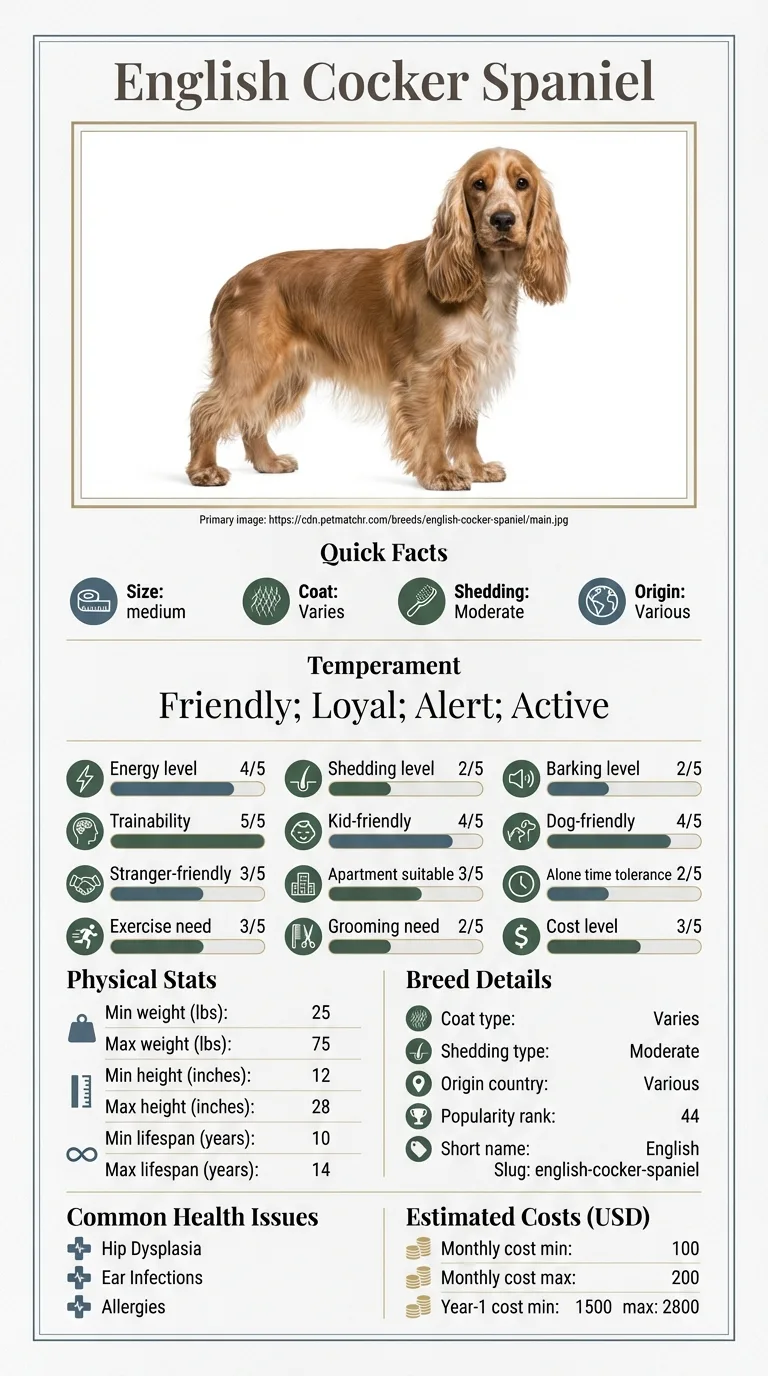
Typically, first-time dog owners or those with busy lifestyles may struggle with recognizing and managing eye problems in their English Cocker Spaniels. Additionally, families with children or other pets may find it challenging to monitor their dog's health closely.
This guide is not medical advice. If your dog shows pain, sudden behavior change, or worsening symptoms, consult a licensed veterinarian.
Some links may be affiliate links. We may earn a commission at no extra cost to you. We only suggest products we believe are helpful for dog owners.
We research and check what we publish, but we do not warrant that any figure, date, price, or statement is accurate, complete, or current, and we accept no liability for any loss, cost, injury, or other harm arising from the use of this site. Use it as one reference among several. You remain responsible for your own decisions and for your dog's care - confirm anything that matters with a licensed veterinarian or another qualified professional before you act on it. Full disclaimer.
Check this first
It's essential to know when English Cocker Spaniel eye problems require immediate veterinary attention. Red-flag signs can indicate serious issues that need swift action. If your dog shows signs of severe discomfort, such as excessive squinting, blood in the eye, or sudden blindness, you should call your vet right away.
Other urgent symptoms include swelling around the eye, discharge that is green or yellow, or if your dog is pawing at their eyes frequently. These could indicate infections or injuries that need fast treatment.
On the other hand, mild cases of eye problems can often be monitored at home. If your English Cocker Spaniel has red or watery eyes without any severe symptoms, you can observe them for a few days. Make sure they are not showing signs of pain or distress.
In these situations, keeping track of any changes can help you decide if a vet visit is necessary later. Regular cleaning of their eyes with a damp cloth can also help alleviate minor irritations. Always err on the side of caution and don’t hesitate to consult a vet if you're unsure.
If any of these apply, call your vet or an emergency clinic now. The rest of this page is for the cases that are not an emergency.
English Cocker Spaniel eye problems can manifest through symptoms like excessive tearing, redness, or cloudiness in the eyes. These issues may disrupt your dog's daily life and can lead to more severe conditions if not addressed. Regular vet check-ups are essential to catch these problems early.
Eye problems are relatively common in English Cocker Spaniels. They can affect a significant portion of the breed, especially as they age or if they have a history of allergies. Being proactive can help manage and reduce the risk of these issues.
English Cocker Spaniels are prone to certain eye problems due to their facial structure and breed genetics. Conditions like cataracts, progressive retinal atrophy, and dry eye can be more common in this breed. Their long ears can also contribute to eye issues by trapping moisture and debris.
Environmental factors can also lead to eye problems in English Cocker Spaniels. Exposure to irritants like dust, smoke, or chemicals can cause discomfort. Additionally, inadequate grooming can lead to accumulated debris around the eyes, increasing the risk of infections.
If you notice persistent redness, excessive tearing, or your dog is squinting, it's time to consult a vet. These could be signs of more serious eye problems that require professional intervention.
Understanding what not to do is just as important as knowing the right steps to take. Here are common mistakes that can worsen English Cocker Spaniel eye problems, along with safer alternatives.
Start here: English Cocker Spaniel Most Common Genetic Disorders
See all English Cocker Spaniel health problems, which breeds are prone to eye problems, or the full English Cocker Spaniel breed guide for temperament, exercise needs and ownership costs.
You can expect to see improvements in your English Cocker Spaniel's eye problems within 4 to 8 weeks of consistent care and follow-up with your vet.
Success means your dog experiences fewer eye issues, shows comfort during grooming, and has a clear, bright gaze without signs of irritation.
Sarah, a busy first-time dog owner, noticed her English Cocker Spaniel, Max, had frequent eye discharge and seemed to struggle with light sensitivity. Initially overwhelmed, Sarah spent hours researching how to stop English Cocker Spaniel eye problems. After consulting with her vet, she learned about proper grooming techniques and how to keep Max’s eyes clean. Sarah established a daily routine that included gentle wiping of Max's eyes and regular vet check-ups. With patience and dedication, she saw remarkable improvement in Max's eye condition over a few months.
Key takeaway: Consistent care and proper grooming can significantly reduce eye problems in English Cocker Spaniels, leading to a happier, healthier dog.
English Cocker Spaniels can develop eye problems due to various reasons, including genetic predisposition, allergies, or injuries. Regular check-ups can help identify issues early. If you notice symptoms like excessive tearing or squinting, consult a vet. This answer relates to English Cocker Spaniel eye problems.
To prevent eye problems, keep your dog's face clean and free of debris. Regular grooming can also help by reducing the risk of allergens. Additionally, ensure they are protected from potential injuries during playtime.
Common signs include redness, excessive tearing, squinting, or discharge from the eyes. If you notice any of these symptoms, it's essential to seek veterinary advice promptly. Early intervention can prevent more serious issues.
Training can help your English Cocker Spaniel adjust to handling around their face and eyes. Positive reinforcement techniques can make grooming sessions more comfortable. Consult a trainer for specific guidance tailored to your dog's needs.
You should see a vet if your dog shows persistent symptoms such as squinting, excessive tearing, or any changes in their vision. Quick action can lead to better treatment outcomes and prevent further complications.
Regular grooming and eye cleaning can help prevent eye problems. Additionally, keeping your dog away from potential irritants like dust and smoke is important for eye health.
Yes, older English Cocker Spaniels may develop age-related conditions, such as cataracts or glaucoma. Regular vet check-ups become increasingly important as your dog ages to monitor these issues.
If your dog's eyes appear red, swollen, or if there’s any discharge, you should see a vet. Delaying treatment can lead to more serious issues, so it’s better to be cautious.
While training won’t directly resolve eye problems, it can help manage your dog's behavior around the issue. Positive reinforcement can encourage them to avoid rubbing or pawing at their eyes.
Keep your dog's face clean and regularly check for any signs of irritation or injury. Regular vet check-ups are crucial for early detection of any issues.
Treatment costs can vary widely, often ranging from $100 to several thousand dollars depending on severity. Early intervention usually reduces overall costs.
In addition to eye problems, be on the lookout for hip dysplasia and ear infections, which are common in this breed. Regular vet visits can help catch these issues early.
Yes, training can help alleviate anxiety. Positive reinforcement can make grooming and vet visits less stressful for your dog.
A one-page prep sheet for this condition: the signs, the questions to ask, what to get priced. Unlocks here.
You get: Vet visit prep sheet
No spam. One-click unsubscribe. See our privacy policy.
Preview page 1 before you decide.