Behavior
What are quick tips for English Cocker Spaniel epilepsy?
Keep a seizure diary, maintain a consistent routine, and ensure a safe environment. Regular vet visits are crucial for effective management.

Quick answer
What are quick tips for English Cocker Spaniel epilepsy?
Keep a seizure diary, maintain a consistent routine, and ensure a safe environment. Regular vet visits are crucial for effective management.
English Cocker Spaniel epilepsy can be a challenging issue for dog owners to manage. Seizures can be scary for both the dog and the owner.
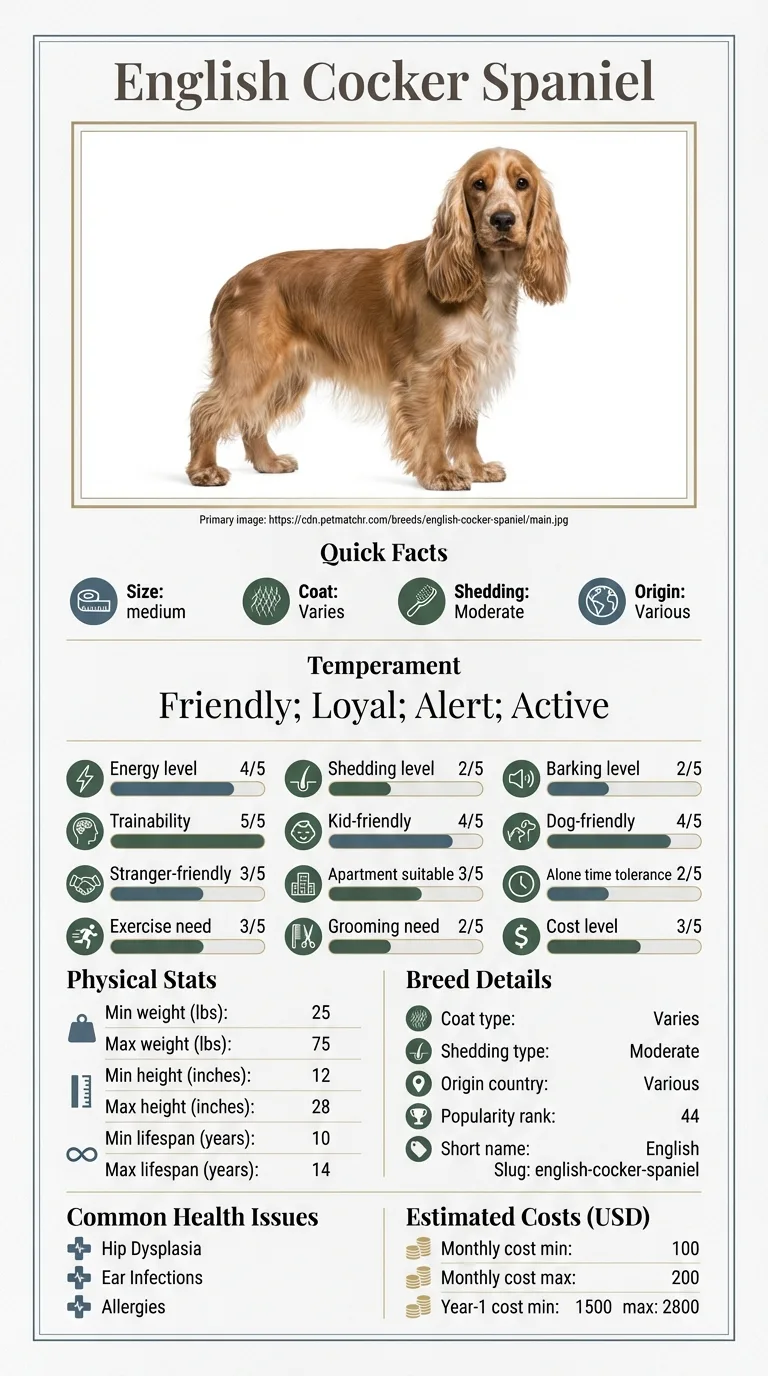
Owners of English Cocker Spaniels who experience epilepsy may feel overwhelmed, especially if they are new to dog ownership or have never faced health issues in their pets before. Busy families and first-time dog owners often find it particularly difficult to navigate the challenges that come with managing this condition.
This guide is not medical advice. If your dog shows pain, sudden behavior change, or worsening symptoms, consult a licensed veterinarian.
Some links may be affiliate links. We may earn a commission at no extra cost to you. We only suggest products we believe are helpful for dog owners.
We research and check what we publish, but we do not warrant that any figure, date, price, or statement is accurate, complete, or current, and we accept no liability for any loss, cost, injury, or other harm arising from the use of this site. Use it as one reference among several. You remain responsible for your own decisions and for your dog's care - confirm anything that matters with a licensed veterinarian or another qualified professional before you act on it. Full disclaimer.
Check this first
Recognizing when your English Cocker Spaniel's epilepsy is an emergency is crucial. If your dog experiences a seizure lasting longer than five minutes, or has multiple seizures in a short period, it's time to call your vet immediately. These signs indicate a serious situation that requires urgent medical attention.
Other red flags include difficulty breathing, extreme lethargy, or unusual behavior after a seizure. If your dog seems disoriented or unresponsive for an extended period, don’t hesitate to seek help. These symptoms can indicate complications that need immediate care.
On the other hand, if your English Cocker Spaniel has a mild seizure that lasts less than five minutes and seems to recover quickly, you may not need to rush to the vet. In such cases, monitor your dog closely and document the details of the seizure. Keeping a log of the frequency and duration of seizures can help your vet assess the situation better.
It’s also wise to have a plan in place for managing seizures at home, such as creating a safe space for your dog during an episode.
If any of these apply, call your vet or an emergency clinic now. The rest of this page is for the cases that are not an emergency.
English Cocker Spaniel epilepsy is a serious condition that can cause seizures, impacting your dog's daily life and your peace of mind. These seizures can vary in frequency and intensity, often appearing suddenly without warning. Common triggers include stress, excitement, or changes in routine, making it essential for owners to be observant and prepared.
Epilepsy is relatively common in English Cocker Spaniels, with around 1 in 100 dogs affected. While it can happen to any dog, certain lines may be more prone to this condition, making awareness and monitoring crucial.
English Cocker Spaniels can be predisposed to epilepsy due to genetic factors. A history of seizures in the breed can increase the likelihood of this condition. Some inherited conditions can affect how their brains function, leading to seizures.
Environmental factors can also play a role in triggering seizures. Stress, changes in routine, or exposure to toxins can provoke episodes. Additionally, certain health issues or injuries may increase the risk of developing epilepsy.
Consult your vet if your dog experiences frequent seizures or if they last longer than five minutes. It's crucial to discuss any changes in behavior or health. Your vet may recommend diagnostic tests or medication to manage the condition effectively.
Avoid these common mistakes to help your English Cocker Spaniel manage epilepsy more effectively.
Start here: English Cocker Spaniel Most Common Genetic Disorders
See all English Cocker Spaniel health problems, which breeds are prone to epilepsy, or the full English Cocker Spaniel breed guide for temperament, exercise needs and ownership costs.
Managing English Cocker Spaniel epilepsy typically takes several weeks to months. Initially, you'll work with your vet to find the right medication and dosage, which may require adjustments over time.
Success means reducing the frequency and severity of seizures. Ideally, your dog will experience fewer seizures, allowing for a more normal and active lifestyle.
When Sarah adopted Bella, her English Cocker Spaniel, she quickly fell in love with her playful spirit. However, after a few months, Bella began having seizures. At first, Sarah was terrified and unsure of what to do. After consulting with her veterinarian, she learned about the importance of medication and consistent care. Sarah started tracking Bella's seizure patterns and worked closely with her vet to find the right treatment plan. Over time, Bella's seizures became less frequent, and Sarah felt more confident in managing her health.
Key takeaway: Understanding and tracking your dog's condition is crucial. With the right treatment and care, you can help your English Cocker Spaniel lead a happier, healthier life.
Epilepsy in English Cocker Spaniels can be caused by genetic factors, head injuries, or infections. It's important to consult your vet to determine the underlying cause and appropriate treatment options.
Managing English Cocker Spaniel epilepsy often involves medication prescribed by a veterinarian. Regular check-ups are necessary to adjust dosages and monitor side effects.
Stay calm and clear the area around your dog to prevent injury. Time the seizure and avoid putting anything in their mouth. After it ends, comfort them and consult your vet for further advice.
While training won't stop seizures, it can help create a calm environment. Positive reinforcement techniques can also reduce overall anxiety, which may trigger seizures.
Some owners find that a high-fat, low-carb diet helps manage seizures. Consult your vet before making any dietary changes to ensure it’s safe for your dog.
If your English Cocker Spaniel has a seizure, remain calm and ensure they are in a safe space. Avoid putting your hands near their mouth, and time the seizure. If it lasts longer than five minutes or if they have multiple seizures in a row, contact your veterinarian immediately.
Support groups and online forums can provide valuable resources and emotional support. Connecting with other owners can be a great way to share experiences and tips.
Some English Cocker Spaniels may show improvement as they age, but many will need lifelong management of their epilepsy. Regular check-ups with your vet will help determine the best course of action and whether medications are still needed.
Certain triggers, such as stress, flashing lights, or specific scents, can exacerbate seizures in English Cocker Spaniels. Keeping a diary of when seizures occur can help identify potential triggers and assist your vet in managing the condition.
During a seizure, make sure your English Cocker Spaniel is in a safe area to prevent injury. Speak softly to calm them, and after the seizure, provide a quiet, comfortable space for recovery. Monitoring their behavior afterward is important, as they may be disoriented or need extra comfort.
Long-term effects of epilepsy can vary, but many dogs live fulfilling lives with proper management. Some may experience cognitive changes or fatigue due to medications, so regular veterinary check-ups are essential to ensure their well-being and adjust treatments as needed.
Keep a seizure diary, maintain a consistent routine, and ensure a safe environment. Regular vet visits are crucial for effective management.
Monthly costs for epilepsy medication and vet visits can range from $100 to $200. Budget for additional expenses for potential emergency care.
Look for signs like confusion, panting, or hiding before a seizure. Knowing your dog's behavior can help you respond quickly.
While training won’t directly stop seizures, it can help reduce anxiety which may trigger them. Use positive reinforcement techniques.
Some owners report improvements with a ketogenic diet, but always consult your vet first before making changes. Nutrition can play a role in overall health.
A one-page prep sheet for this condition: the signs, the questions to ask, what to get priced. Unlocks here.
You get: Vet visit prep sheet
No spam. One-click unsubscribe. See our privacy policy.
Preview page 1 before you decide.