DogBreedCompass
← Back to breed profile

Doberman Pinscher Patellar Luxation: What You Need to Know

Doberman Pinscher patellar luxation is a common issue where the kneecap dislocates, causing pain and mobility problems.

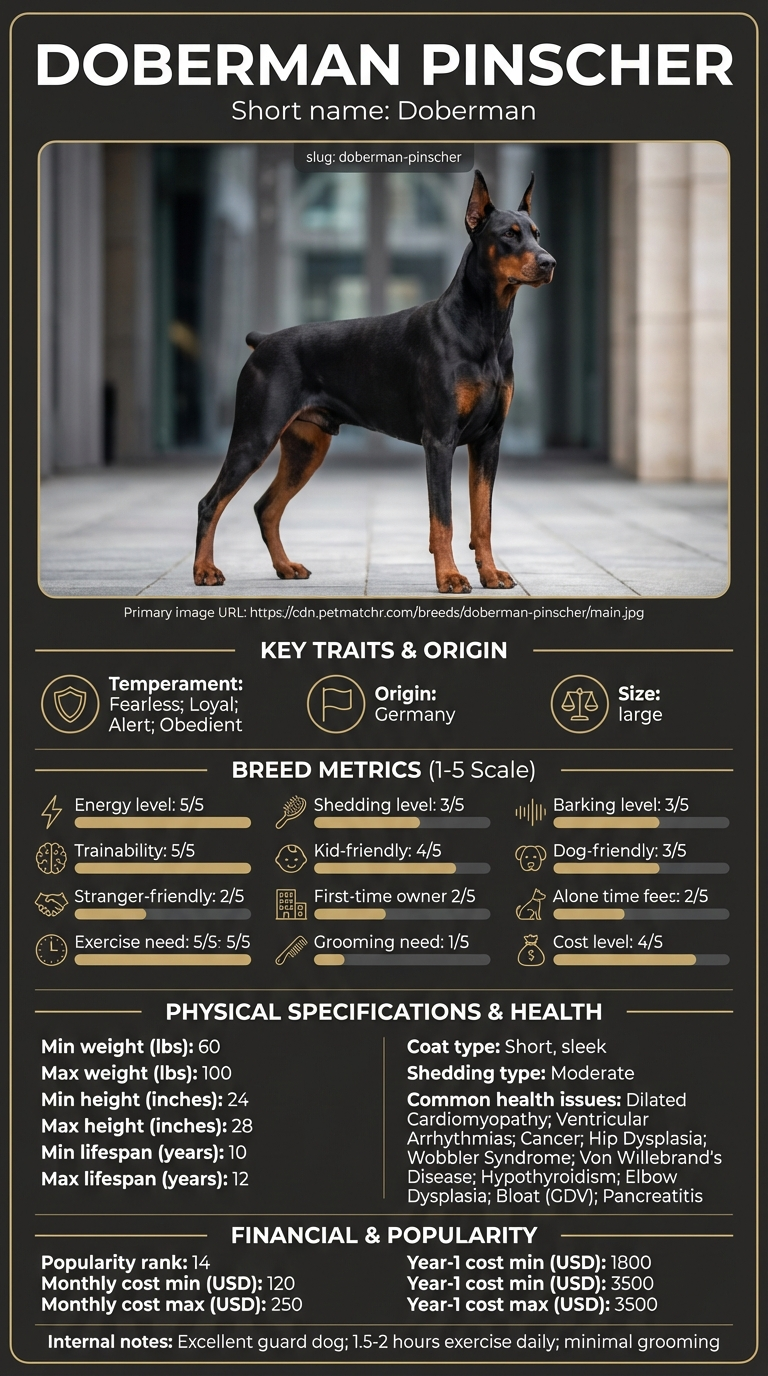
Doberman Pinscher Patellar Luxation: What You Need to Know infographic

Typical owners facing this issue may include first-time Doberman parents or busy families who may overlook early signs of discomfort. They might find it challenging to differentiate between normal activity and signs of this specific joint problem.

Important reminder

This guide is not medical advice. If your dog shows pain, sudden behavior change, or worsening symptoms, consult a licensed veterinarian.

Some links may be affiliate links. We may earn a commission at no extra cost to you. We only suggest products we believe are helpful for dog owners.

What this problem looks like

Doberman Pinscher patellar luxation is a common issue where the kneecap dislocates, causing pain and mobility problems. This condition can make your Doberman reluctant to walk, jump, or run, leading to frustration for both the dog and the owner. It often results from genetic predispositions, but can also arise from injuries or developmental issues.

Common triggers

  • Genetic factors
  • Injuries during play or exercise
  • Overweight or obesity
  • Improper exercise routines
  • Rapid growth phases in young dogs

Patellar luxation is relatively common in Doberman Pinschers, affecting approximately 15% to 20% of the breed. This means that if you have a Doberman, it's important to be vigilant about their knee health, especially as they age.

Why this happens

Breed factors

Doberman Pinschers are large, active dogs, and their physical structure can predispose them to patellar luxation. This condition often arises from genetic factors that affect the alignment of their kneecaps. Poor muscle tone, common in some Dobermans, may also contribute to the issue.

Environment factors

Environmental factors like excessive jumping, rough play, or slippery surfaces can exacerbate the risk of patellar luxation. If your Doberman is overweight, the extra weight can strain their joints, leading to dislocations. A lack of proper exercise can also weaken the muscles that support the knee.

What you can try

At-home strategies

  • Maintain a healthy weight for your Doberman to reduce stress on their knees. Monitor their diet and exercise regularly.
  • Provide a stable environment by avoiding slippery floors. Use rugs or mats to help them navigate safely.
  • Introduce gentle exercises to strengthen the muscles around their knees, such as walking on soft surfaces and controlled playtime.

When to consider a trainer

If your Doberman continues to experience issues or if their behavior changes due to discomfort, consider working with a professional trainer. They can provide specific exercises to improve your dog's strength and flexibility.

When to talk to your vet

If you notice persistent limping, difficulty in standing, or if your dog shows signs of pain, it's essential to consult your vet. They can assess the severity of the patellar luxation and discuss treatment options, including surgery if necessary.

Realistic expectations

You may see improvements in your Doberman Pinscher's patellar luxation within 6 to 12 weeks of consistent training and management. Surgery, if required, can take additional recovery time of 8 to 12 weeks.

Success means your Doberman can walk and run without noticeable pain or limping. You'll see them engaging in normal activities and enjoying playtime without discomfort.

Mistakes that make this worse – Doberman Pinscher patellar luxation

Avoiding these common mistakes can help improve your Doberman Pinscher's condition and overall well-being.

  • Ignoring the signs: Failing to notice limping or difficulty in movement can worsen the issue. Pay attention to your dog's behavior and consult a vet promptly.
  • Over-exercising: While Dobermans need exercise, too much can exacerbate patellar luxation. Opt for shorter, controlled walks instead of long runs.
  • Neglecting weight management: Excess weight puts extra strain on your dog's joints. Keep your Doberman at a healthy weight with a balanced diet.
  • Using harsh training methods: Punishment can increase anxiety and worsen behavior issues. Focus on positive reinforcement to encourage good habits.
  • Skipping veterinary check-ups: Regular vet visits are crucial for monitoring your dog's health. Don’t skip these appointments, as they can catch problems early.
  • Ignoring joint support: Not providing supplements or appropriate nutrition can delay healing. Talk to your vet about joint support options.
  • Avoiding physical therapy: Skipping rehabilitation can prolong discomfort. Consider consulting a professional for tailored exercises.

When It Is an Emergency

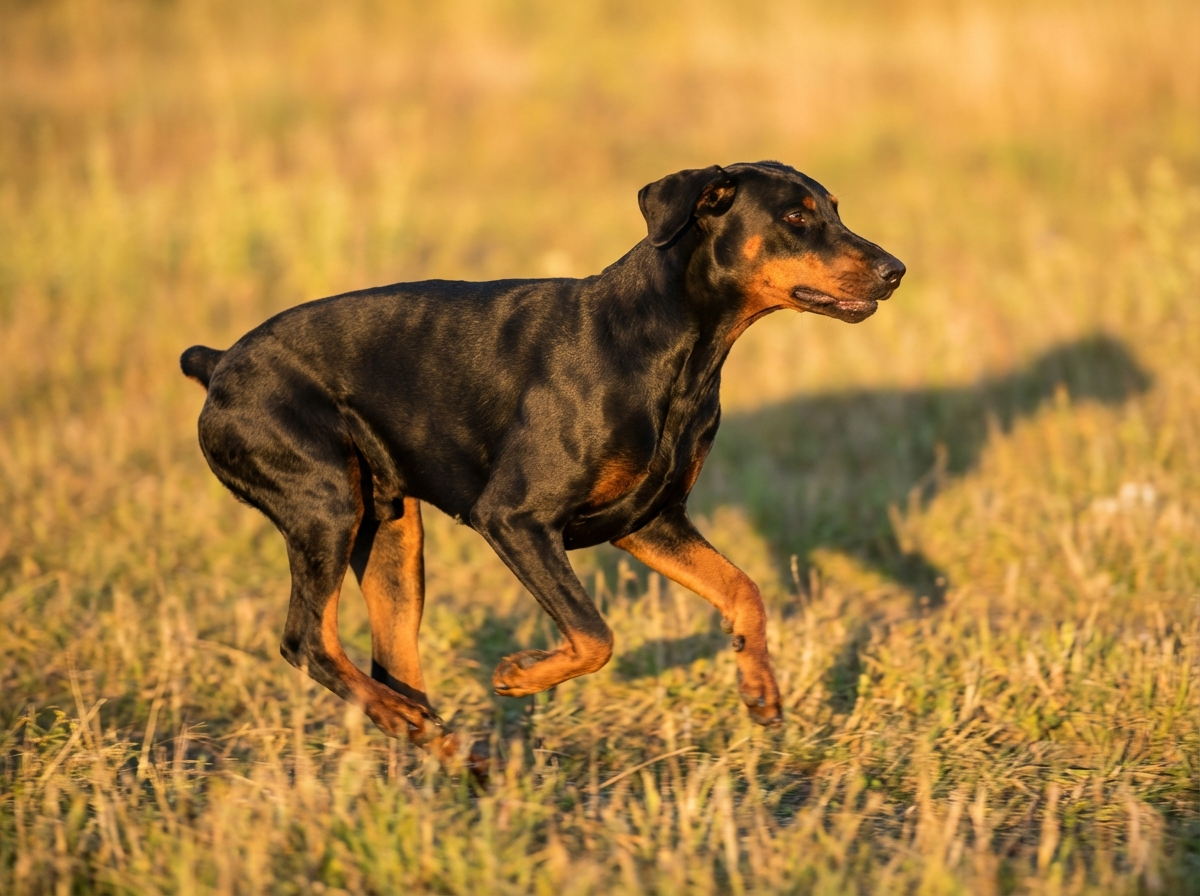
Patellar luxation in your Doberman Pinscher can range from mild to severe. Knowing when this condition is an emergency can help you act quickly. If your dog shows signs of extreme pain, inability to stand, or swelling around the knee, it's time to call your vet immediately. Also, if you notice your Doberman limping persistently or your pup seems unusually lethargic, these are red flags that require urgent attention.

Doberman Pinscher Patellar Luxation: What You Need to Know - When It Is an Emergency

Overcoming Patellar Luxation: Max's Journey

Sarah, a first-time Doberman owner in Seattle, noticed her dog Max limping after playtime. Concerned, she consulted her vet, who diagnosed him with patellar luxation. Sarah learned how to manage Max's condition with specific exercises and weight management. After 10 weeks of training and some dietary adjustments, Max was moving more freely. He could finally chase after his favorite ball without limping, bringing joy back to their daily walks.

Key takeaway: With proper management and training, you can help your Doberman Pinscher overcome patellar luxation and enjoy an active lifestyle.
Frequently asked questions

Why does my Doberman Pinscher have patellar luxation?

Patellar luxation in Doberman Pinschers often results from genetic factors, poor joint alignment, or injury. This condition causes the kneecap to dislocate, leading to pain and mobility issues. Regular vet check-ups can help catch and manage this problem early. This answer relates to Doberman Pinscher patellar luxation.

How can I stop my Doberman Pinscher's patellar luxation?

To address patellar luxation, start with a vet-recommended exercise and weight management plan. Physical therapy may also help strengthen the muscles around the knee. In severe cases, surgical options can be discussed with your veterinarian.

What are the signs of patellar luxation in Doberman Pinschers?

Common signs include limping, difficulty in standing or walking, and sudden lameness. You may also notice your Doberman occasionally holding up a leg. If you see these signs, consult your vet for an evaluation.

Is patellar luxation painful for my Doberman Pinscher?

Yes, patellar luxation can be quite painful and uncomfortable for your dog. It can lead to joint inflammation and chronic pain if left untreated. Early intervention can help manage pain and improve your dog's quality of life.

Can training help with my Doberman Pinscher's patellar luxation?

Training can assist in managing patellar luxation by promoting proper movement and strengthening surrounding muscles. It’s essential to work with a professional trainer familiar with this condition. This helps ensure that training methods are safe and effective.

What is the long-term outlook for a Doberman Pinscher with patellar luxation?

The long-term outlook varies based on the severity of the condition and the treatment approach. Many dogs respond well to conservative management, while others may require surgery. Regular monitoring and care can lead to a good quality of life.

What are the signs that my Doberman Pinscher has patellar luxation?

Common signs of patellar luxation include limping, skipping, or favoring a leg. You may also notice your Doberman suddenly locking their knee in place or having difficulty standing up. If you observe these behaviors, it's important to consult your vet.

Can patellar luxation occur in older Doberman Pinschers?

Yes, patellar luxation can occur in older Doberman Pinschers, especially if they have a history of joint issues. As dogs age, their ligaments and joints can weaken, increasing the risk of dislocation. Regular vet check-ups are essential for managing their health.

How can I help my Doberman Pinscher with patellar luxation at home?

Provide a comfortable and supportive environment for your Doberman. Ensure they have a soft place to rest and avoid excessive jumping or running on hard surfaces. Controlled exercise and maintaining a healthy weight can also help manage the condition.

Is surgery necessary for my Doberman Pinscher's patellar luxation?

Surgery may be required for severe cases of patellar luxation, especially if your dog experiences ongoing pain or mobility issues. Your veterinarian can recommend the best course of action based on the severity of the condition and your dog's overall health.

What long-term care is needed for a Doberman Pinscher with patellar luxation?

Long-term care may include regular vet visits, physical therapy, and weight management. Keeping your Doberman active with low-impact exercises can help strengthen their joints. Always follow your vet's advice to ensure the best outcome.

Quick answers

View more answers
Behavior

What are quick tips for managing Doberman Pinscher patellar luxation?

Maintain a healthy weight to reduce stress on the joints and ensure consistent, low-impact exercise to strengthen the muscles. Regular vet visits are crucial for monitoring the condition.

Costs

How much does it cost to treat patellar luxation in Doberman Pinschers?

Treatment costs can range from $1,800 to $3,500 in the first year, depending on the severity and type of treatment needed, such as surgery or physical therapy.

Health

Should I consider physical therapy for my Doberman?

Yes, physical therapy can be beneficial in managing patellar luxation by improving joint function and reducing pain. Always consult your vet about suitable programs.

Related DogBreedCompass guides

  • Doberman Pinscher behavior problemsUnderstanding the behavioral aspects can help with training your Doberman.
  • Doberman Pinscher separation anxiety guideLearn how to manage separation anxiety in Dobermans, which can affect their overall behavior.
  • Doberman Pinscher patellar luxation trainingFinding the right training methods can help alleviate patellar luxation issues.
  • Doberman Pinscher health issuesExplore common health concerns for Dobermans to keep your pet healthy and happy.
  • Doberman Pinscher cost breakdownGet a detailed cost breakdown to understand the financial commitment of owning a Doberman.

Related guides