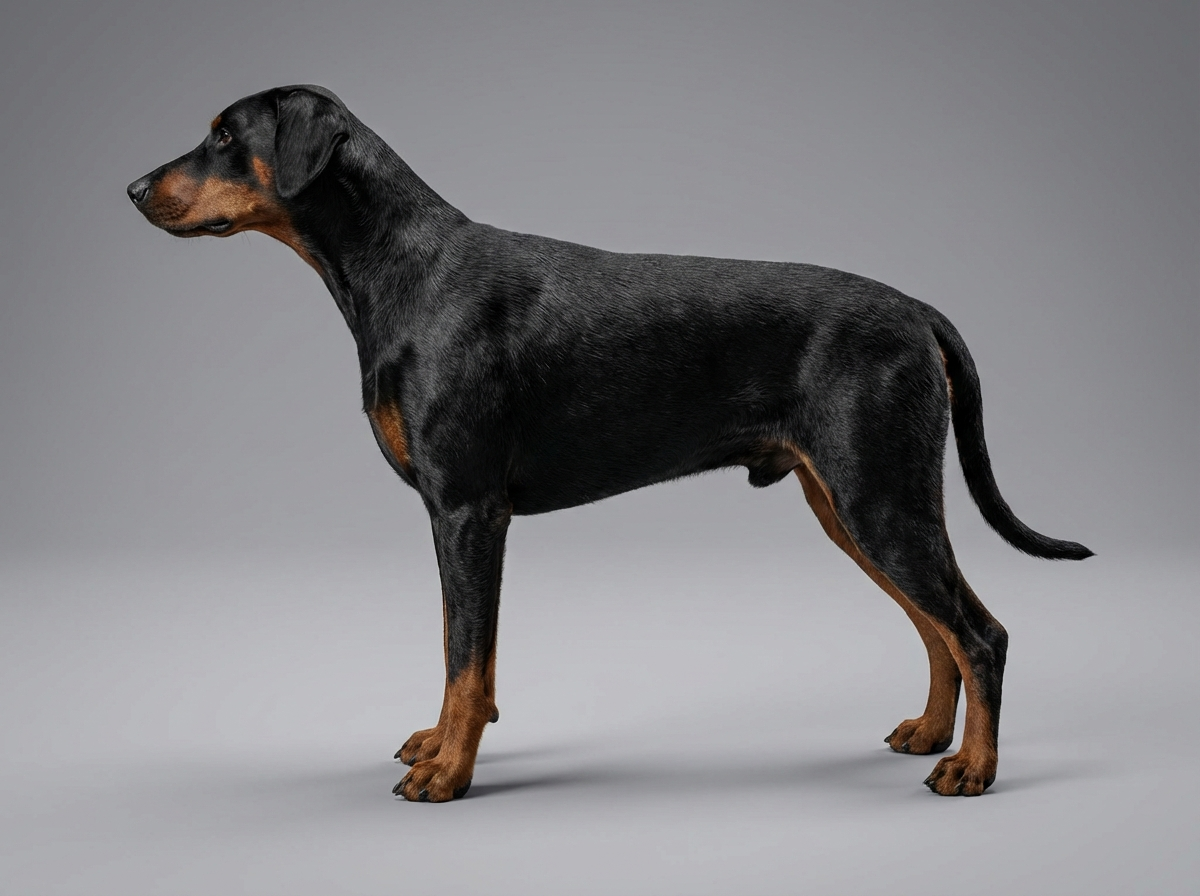
Health
What are quick tips for managing Doberman Pinscher ocular disease?
Regular vet check-ups, a balanced diet, and avoiding irritants can help manage ocular disease. Keeping your dog's eyes clean and monitoring for symptoms is crucial.

Quick answer
What are quick tips for managing Doberman Pinscher ocular disease?
Regular vet check-ups, a balanced diet, and avoiding irritants can help manage ocular disease. Keeping your dog's eyes clean and monitoring for symptoms is crucial.
Doberman Pinscher ocular disease is a serious health issue that can affect your dog's vision and overall quality of life.
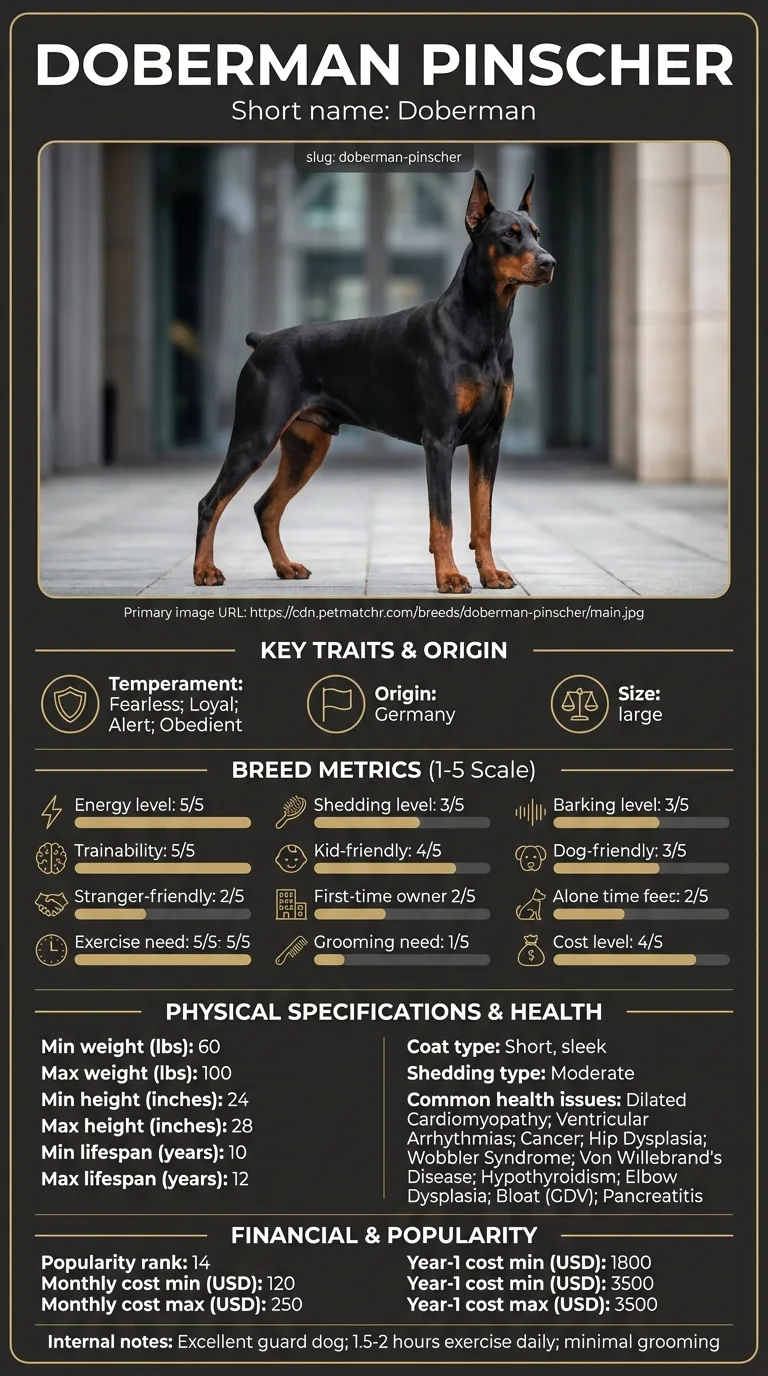
Owners of Doberman Pinschers, particularly those who may not be familiar with breed-specific health issues, often find themselves worried about their dog's eye health. If you're a first-time dog owner or have a busy lifestyle, you might struggle to identify the early signs of ocular disease.
This guide is not medical advice. If your dog shows pain, sudden behavior change, or worsening symptoms, consult a licensed veterinarian.
Some links may be affiliate links. We may earn a commission at no extra cost to you. We only suggest products we believe are helpful for dog owners.
We research and check what we publish, but we do not warrant that any figure, date, price, or statement is accurate, complete, or current, and we accept no liability for any loss, cost, injury, or other harm arising from the use of this site. Use it as one reference among several. You remain responsible for your own decisions and for your dog's care - confirm anything that matters with a licensed veterinarian or another qualified professional before you act on it. Full disclaimer.
Check this first
Recognizing when Doberman Pinscher ocular disease becomes an emergency is crucial for your dog's health. If you notice severe symptoms, it's best to contact your vet immediately. Red-flag signs include sudden vision loss, severe redness of the eye, excessive squinting or blinking, and any discharge that appears yellow or green. These could indicate serious conditions requiring urgent treatment.
If any of these apply, call your vet or an emergency clinic now. The rest of this page is for the cases that are not an emergency.
Doberman Pinscher ocular disease can manifest as various eye problems, including cataracts, progressive retinal atrophy, and other vision-related issues. Owners might notice symptoms like squinting, redness, or unusual behavior when exposed to bright lights. Given the breed's predisposition to these conditions, it's crucial for owners to stay vigilant.
Ocular disease is significantly more common in Doberman Pinschers than in many other breeds, with a staggering risk estimated to be 467% higher. This prevalence makes it crucial for Doberman owners to educate themselves and monitor their dog's eye health regularly.
Doberman Pinschers are genetically predisposed to certain ocular diseases, including progressive retinal atrophy and cataracts. These conditions can be more common due to their specific breeding history and lineage. Their large size and specific eye structure may also contribute to an increased vulnerability to eye problems.
Environmental factors can exacerbate ocular diseases in Doberman Pinschers. For instance, exposure to bright sunlight without proper eye protection can worsen conditions. Additionally, a lack of appropriate nutrition and regular veterinary care can lead to undetected or untreated eye issues.
If you notice any changes in your Doberman's vision, such as bumping into objects or reluctance to play, it's time to consult your vet. Early intervention is key in managing ocular diseases effectively.
Many Doberman Pinscher owners unintentionally worsen ocular disease symptoms. Here are some common mistakes to avoid, along with safer alternatives.
Start here: Doberman Pinscher Most Common Genetic Disorders: Screening
See all Doberman Pinscher health problems, which breeds are prone to ocular disease, or the full Doberman Pinscher breed guide for temperament, exercise needs and ownership costs.
You may start seeing improvements in your Doberman Pinscher's ocular health within 3 to 6 months of consistent care and follow-up with your vet.
Success means your Doberman experiences fewer symptoms, has a better quality of life, and is more comfortable during daily activities.
In less severe cases, you may notice mild symptoms such as slight watering, occasional squinting, or minor redness. These can often be monitored at home. To keep an eye on your Doberman's condition, track any changes in behavior or eye appearance, and consult your vet if symptoms persist for more than a few days.

Emily, a dedicated Doberman owner, noticed her five-year-old dog, Max, had started squinting and seemed less active. After a vet visit confirmed ocular disease, she felt overwhelmed. Determined, Emily researched and began a regimen of eye supplements and gentle training exercises designed to strengthen Max’s focus and comfort. Over the next few months, Max's symptoms reduced significantly, and he regained his playful spirit. The combination of proper care, regular vet checkups, and a loving environment made all the difference.
Key takeaway: With consistent care and the right training, you can improve your Doberman Pinscher's health and happiness despite ocular disease.
Doberman Pinschers are known to have a higher risk of ocular disease due to genetic predispositions. Factors like age, environmental influences, and lack of regular veterinary check-ups can also contribute. It's essential to monitor your dog for any signs of vision problems and consult your vet for proper diagnosis.
While you can't always prevent ocular disease, regular vet visits can help catch issues early. Maintaining a healthy diet, providing regular exercise, and reducing exposure to irritants can promote eye health. Additionally, consider discussing preventive care options with your veterinarian.
Common symptoms of ocular disease include squinting, redness, excessive tearing, and cloudiness in the eyes. If you notice any changes in your dog's vision or eye appearance, consult your veterinarian immediately. Early intervention can make a significant difference in treatment outcomes.
Treatment options for Doberman Pinscher ocular disease vary depending on the specific condition but may include medications, eye drops, or in severe cases, surgery. Always consult with your veterinarian for the best course of action tailored to your dog's needs.
If your Doberman loses vision, create a safe environment by removing obstacles and using consistent commands. Keeping a routine can also help your dog feel secure. Consider consulting a dog trainer for techniques to assist with navigating their new reality.
Yes, older Doberman Pinschers are more susceptible to ocular diseases due to the natural aging process. Regular veterinary check-ups are crucial for early detection and management of eye health issues as your dog ages.
Ocular disease can lead to changes in a Doberman's behavior, such as increased irritability, reluctance to play, or difficulty navigating their environment. If your Doberman shows these behavioral changes, it might be time to investigate their eye health.
While diet alone cannot prevent ocular disease, a balanced diet rich in antioxidants can support overall eye health. Consult your vet for dietary recommendations that may help reduce the risk of eye issues in your Doberman.
Regular vet check-ups, a balanced diet, and avoiding irritants can help manage ocular disease. Keeping your dog's eyes clean and monitoring for symptoms is crucial.
Positive reinforcement training can help your Doberman adapt to any changes in vision. Using sound cues and consistent commands will aid in their navigation.
Treatment costs can vary widely, ranging from $200 for basic medications to over $1,000 for surgical options. Always discuss costs with your vet beforehand.
Yes, lifestyle adjustments may include creating a safer home environment and modifying exercise routines to accommodate any vision challenges.
A one-page prep sheet for this condition: the signs, the questions to ask, what to get priced. Unlocks here.
You get: Vet visit prep sheet
No spam. One-click unsubscribe. See our privacy policy.
Preview page 1 before you decide.