Behavior
What are quick tips for managing myotonia congenita?
Focus on regular, gentle exercise and consult your vet for a tailored care plan. Monitor your dog's movements for any signs of discomfort.

Quick answer
What are quick tips for managing myotonia congenita?
Focus on regular, gentle exercise and consult your vet for a tailored care plan. Monitor your dog's movements for any signs of discomfort.
Doberman Pinscher myotonia congenita leads to muscle stiffness that can affect your dog's movement and quality of life.
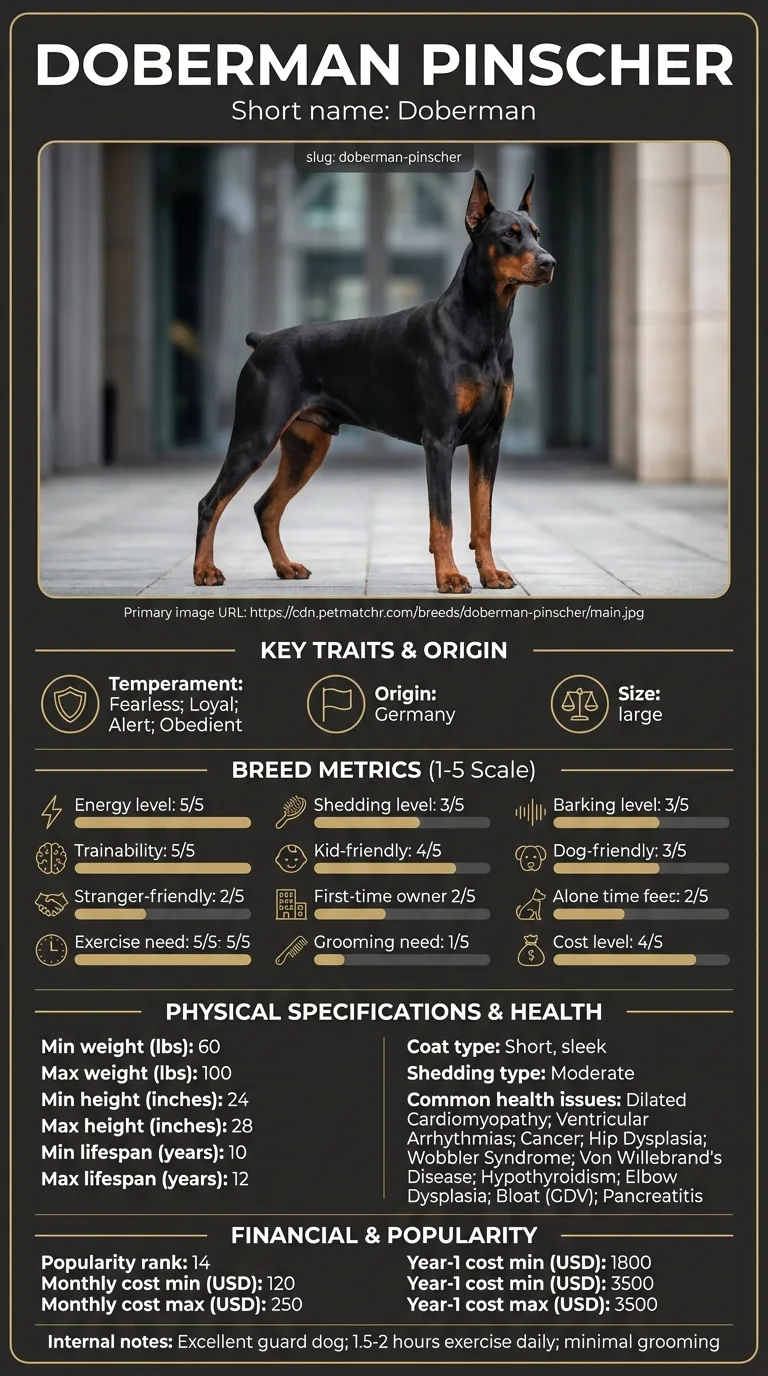
Owners of Dobermans experiencing muscle stiffness often find themselves frustrated and worried. This includes active families who want their dogs to join in on outdoor adventures or first-time owners unsure how to help their pets.
This guide is not medical advice. If your dog shows pain, sudden behavior change, or worsening symptoms, consult a licensed veterinarian.
Some links may be affiliate links. We may earn a commission at no extra cost to you. We only suggest products we believe are helpful for dog owners.
We research and check what we publish, but we do not warrant that any figure, date, price, or statement is accurate, complete, or current, and we accept no liability for any loss, cost, injury, or other harm arising from the use of this site. Use it as one reference among several. You remain responsible for your own decisions and for your dog's care - confirm anything that matters with a licensed veterinarian or another qualified professional before you act on it. Full disclaimer.
Check this first
Understanding when Doberman Pinscher myotonia congenita becomes an emergency is crucial for your dog's well-being. It's important to recognize the signs that indicate immediate veterinary attention is needed versus situations that can be monitored at home.
Call your vet right away if you notice any of the following red-flag signs: severe muscle stiffness that prevents movement, sudden weakness or collapse, difficulty breathing, or signs of pain such as whining or excessive panting. These symptoms could indicate a more serious underlying condition that requires immediate treatment.
On the other hand, mild cases of myotonia congenita can often be managed at home. If your Doberman shows occasional muscle stiffness but remains active, eating, and drinking normally, you may not need to panic. Make a note of when these symptoms occur and monitor your dog's behavior closely. Keeping track of their activity levels and any changes can help you and your vet create a management plan.
If any of these apply, call your vet or an emergency clinic now. The rest of this page is for the cases that are not an emergency.
Doberman Pinscher myotonia congenita is a genetic condition that causes muscle stiffness, making movement difficult for affected dogs. This condition can manifest as trouble getting up, difficulty walking, or stiffness after resting. Owners often notice their Doberman struggling to engage in physical activities, which can be concerning and frustrating.
Myotonia congenita is less common in Doberman Pinschers compared to other breeds, but it still poses a risk. It's estimated that a small percentage of Dobermans may carry the gene responsible for this condition. Awareness and early detection can help manage symptoms effectively.
Doberman Pinschers can inherit myotonia congenita due to a genetic mutation. This condition causes muscle stiffness, which is more pronounced in this breed. It may be more common in certain bloodlines, making genetics a key factor.
Environmental factors such as lack of exercise can exacerbate the symptoms of myotonia congenita. Stress, inadequate training, or poor nutrition may also contribute to muscle stiffness and discomfort. Observing your dog's overall lifestyle can help identify triggers.
Consult your vet if your Doberman shows severe muscle stiffness or if their condition worsens. Regular check-ups are essential to manage health issues related to myotonia congenita.
Avoiding these common mistakes can help improve your Doberman Pinscher's myotonia congenita symptoms.
Start here: Doberman Pinscher Most Common Genetic Disorders: Screening
See all Doberman Pinscher health problems, which breeds are prone to myotonia congenita, or the full Doberman Pinscher breed guide for temperament, exercise needs and ownership costs.
With consistent care and management, you may see improvement in your Doberman Pinscher's myotonia congenita symptoms within 4 to 6 months.
Success means your Doberman can move with less stiffness and has a more comfortable, active lifestyle.
Sarah, a busy nurse in Chicago, noticed her Doberman Pinscher, Rocco, struggling with muscle stiffness. At first, she felt overwhelmed, unsure about how to help him manage his myotonia congenita. After consulting with a vet and participating in a specialized training program focusing on gentle exercises and stretching, Rocco began to show improvements. Within months, he was more agile and able to enjoy their daily walks without discomfort. Sarah learned the importance of patience and consistency in helping Rocco thrive.
Key takeaway: With the right training and care, managing myotonia congenita in your Doberman can lead to happier, healthier days.
Doberman Pinscher myotonia congenita is a genetic condition that causes muscle stiffness. This condition affects how muscles relax after contracting, leading to difficulty in movement. It's essential to understand this condition to help manage your Doberman's quality of life.
Regular, gentle exercise can help manage symptoms of myotonia congenita. Structured activities, such as short walks or playtime, can keep muscles flexible. Always consult your veterinarian for tailored exercise recommendations.
There's no cure for myotonia congenita, but treatment options can help manage symptoms. Your vet may recommend medications or supplements to ease muscle stiffness. It's crucial to follow a treatment plan for the best results.
While myotonia congenita isn't extremely common, it is recognized in Doberman Pinschers. Awareness of this condition is essential for early intervention and management. Regular vet check-ups can help catch any signs early.
Training a Doberman with myotonia congenita should focus on positive reinforcement and gentle guidance. Keep training sessions short and fun to avoid muscle fatigue. Consistency and patience are key to successful training.
Yes, many Doberman Pinschers with myotonia congenita can lead fulfilling lives. However, they may need special care and training to manage muscle stiffness. Regular vet check-ups are essential to monitor their condition.
Watch for increased difficulty with movement or additional muscle stiffness. If you notice significant changes in their behavior or activity levels, it's important to consult your vet for further evaluation.
Positive reinforcement training works well for Doberman Pinschers with myotonia congenita. Focus on short, engaging sessions that limit stress on their muscles. Gradual, consistent training helps them adapt better.
While there's no specific diet for myotonia congenita, a balanced diet rich in nutrients can support overall health. Consult your vet for tailored dietary advice to ensure your Doberman's needs are met.
Focus on regular, gentle exercise and consult your vet for a tailored care plan. Monitor your dog's movements for any signs of discomfort.
A balanced diet rich in essential nutrients can support overall muscle health. Consult your vet for specific dietary recommendations.
Look for increased muscle stiffness, reluctance to move, or changes in behavior. If you notice these signs, contact your vet promptly.
Aim for short, daily exercise sessions of 15-30 minutes to keep your dog active without overexerting them.
A one-page prep sheet for this condition: the signs, the questions to ask, what to get priced. Unlocks here.
You get: Vet visit prep sheet
No spam. One-click unsubscribe. See our privacy policy.
Preview page 1 before you decide.