Behavior
What are quick tips for managing Doberman Pinscher corneal dystrophy?
Keep your dog's environment well-lit but avoid direct sunlight. Use prescribed eye drops regularly and monitor for any changes in behavior or vision.

Quick answer
What are quick tips for managing Doberman Pinscher corneal dystrophy?
Keep your dog's environment well-lit but avoid direct sunlight. Use prescribed eye drops regularly and monitor for any changes in behavior or vision.
Doberman Pinscher corneal dystrophy is a serious eye condition that can affect your dog's vision.
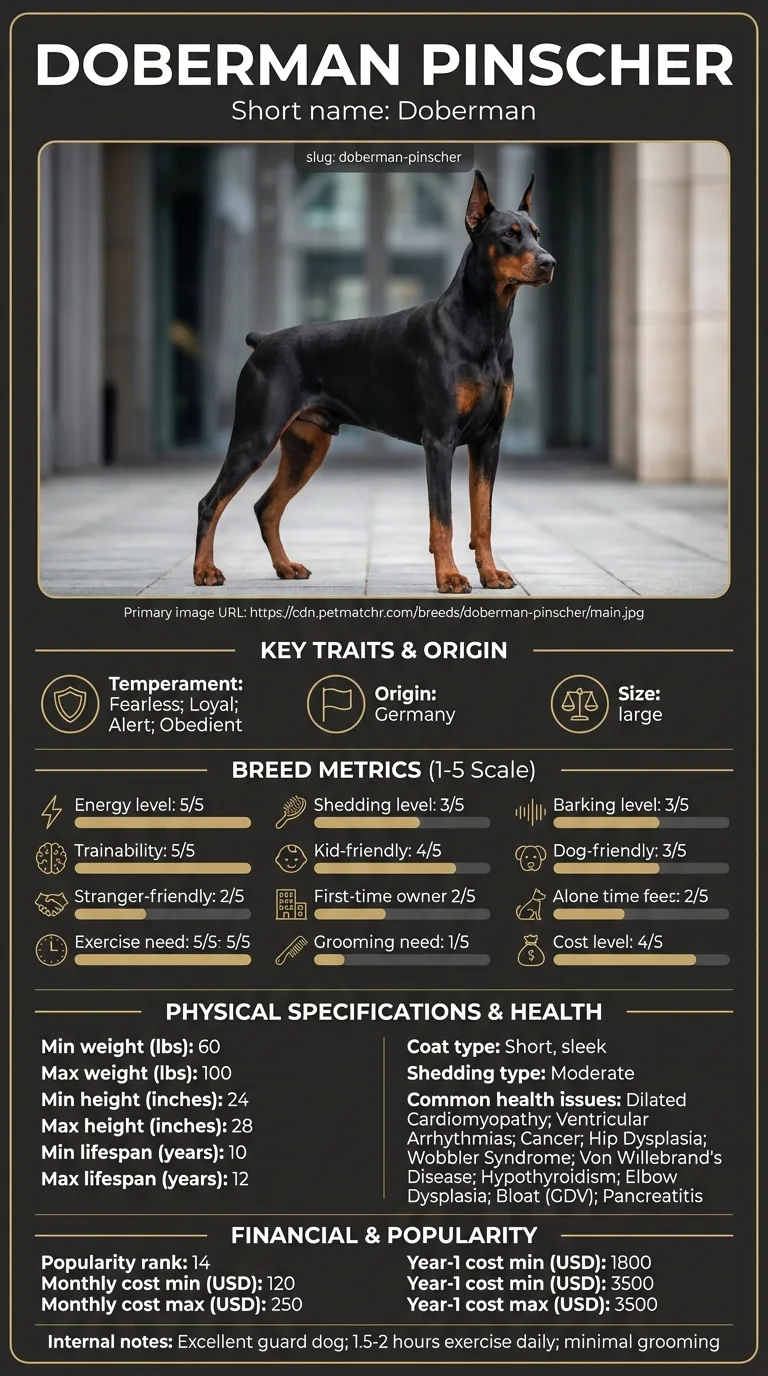
Typically, owners of Doberman Pinschers face this challenge, especially if they notice changes in their dog's eyesight or behavior. New and experienced owners alike can find this situation concerning.
This guide is not medical advice. If your dog shows pain, sudden behavior change, or worsening symptoms, consult a licensed veterinarian.
Some links may be affiliate links. We may earn a commission at no extra cost to you. We only suggest products we believe are helpful for dog owners.
We research and check what we publish, but we do not warrant that any figure, date, price, or statement is accurate, complete, or current, and we accept no liability for any loss, cost, injury, or other harm arising from the use of this site. Use it as one reference among several. You remain responsible for your own decisions and for your dog's care - confirm anything that matters with a licensed veterinarian or another qualified professional before you act on it. Full disclaimer.
Check this first
Knowing when Doberman Pinscher corneal dystrophy becomes an emergency can make a big difference in your dog's health. There are clear signs that indicate you should call your vet immediately. If you notice severe eye cloudiness, excessive tearing, or signs of pain like squinting or rubbing their eyes, these are red flags. Also, if your Doberman shows any changes in behavior, such as lethargy or unwillingness to eat, seek veterinary help right away.
On the other hand, if your dog has mild symptoms, you can monitor the situation at home. For instance, if the cloudiness is only slight and your dog is otherwise healthy and active, it’s reasonable to keep an eye on it. Regular check-ins with your vet can help determine if further action is necessary. Make sure to create a plan to track any changes in your dog's eyes or behavior, noting when symptoms worsen or improve. This information will be valuable at your vet visits.
If any of these apply, call your vet or an emergency clinic now. The rest of this page is for the cases that are not an emergency.
Doberman Pinscher corneal dystrophy is a genetic condition causing cloudiness in the corneas of the eyes. This can lead to discomfort and vision issues, affecting your dog's quality of life. Owners may notice their Doberman squinting, rubbing their eyes, or showing signs of irritation, especially in bright light.
Corneal dystrophy is relatively common in Doberman Pinschers, particularly as they age. While not every Doberman will experience this issue, it’s important for owners to be aware of the symptoms and monitor their dog's eye health regularly.
Doberman Pinschers may develop corneal dystrophy due to inherited factors. This breed is predisposed to certain genetic eye conditions, leading to cloudiness and other vision issues. Understanding your dog's lineage can help you identify potential risks.
Environmental factors can also contribute to corneal dystrophy. Exposure to irritants like smoke, dust, or harsh chemicals can worsen eye conditions. Additionally, inadequate hydration and nutrition may impact eye health.
Reach out to your vet if you notice persistent cloudiness or discomfort in your Doberman's eyes. A vet can provide a thorough examination and discuss treatment options, including medications or surgical interventions if necessary.
Avoiding these common mistakes can help manage Doberman Pinscher corneal dystrophy more effectively.
Start here: Doberman Pinscher Most Common Genetic Disorders: Screening
See all Doberman Pinscher health problems, which breeds are prone to corneal dystrophy, or the full Doberman Pinscher breed guide for temperament, exercise needs and ownership costs.
You can expect to see improvements in your Doberman Pinscher's corneal dystrophy within 3 to 6 months of proper management and care.
Success looks like your dog experiencing less discomfort and clearer vision, along with a healthy lifestyle that includes a balanced diet and regular vet check-ups.
Rachel, a dedicated Doberman owner, noticed her dog Max struggling with cloudy eyes and occasional squinting. After a trip to the vet, she learned Max had corneal dystrophy. Rachel researched how to stop Doberman Pinscher corneal dystrophy and created a plan, including daily eye drops prescribed by the vet and a diet rich in omega-3 fatty acids. Over several months, Max's eye condition improved, and he became more active, showing less discomfort during walks.
Key takeaway: With timely veterinary care and a dedicated management plan, you can significantly improve your Doberman Pinscher's quality of life despite corneal dystrophy.
Doberman Pinscher corneal dystrophy is often genetic. This condition causes cloudiness in the cornea and can lead to vision problems. Regular vet check-ups are essential to monitor any changes.
To help your Doberman Pinscher, consult your vet about treatment options. They may recommend eye drops or other medications to manage symptoms. Keeping your dog away from bright lights can also help reduce discomfort.
Signs include cloudy eyes, squinting, and sensitivity to light. You might also notice your dog being less active or reluctant to play. Early diagnosis can help in managing the condition effectively.
While corneal dystrophy primarily affects the eyes, it can lead to secondary problems like infections or discomfort. Regular vet visits are crucial to catch any additional health concerns early.
Corneal dystrophy is not curable, but it is manageable. Your vet might suggest medications or lifestyle changes to help your dog cope. Surgery is an option in severe cases, but it requires careful consideration.
Genetics play a significant role in corneal dystrophy, so breeding from healthy lines is essential. Regular eye examinations can help detect issues early, and maintaining overall health can support eye health.
If your Doberman Pinscher displays signs of corneal dystrophy, such as cloudy eyes or discomfort, it's important to consult a veterinarian. They can provide a proper diagnosis and recommend suitable treatments or management strategies.
While corneal dystrophy can cause vision issues, it doesn't always lead to blindness. Early detection and treatment can help manage the condition and maintain your dog's quality of life.
Corneal dystrophy can affect various breeds, but Doberman Pinschers are particularly prone to it. Genetic factors play a significant role, so it's essential to be aware of this risk if you're considering this breed.
For older Doberman Pinschers with corneal dystrophy, maintaining a calm and comfortable environment is crucial. Regular vet check-ups and ensuring they have proper lighting can help them navigate their surroundings better.
Surgery may be considered for severe cases of corneal dystrophy, but it's not always necessary. A vet will evaluate the severity of your dog's condition and recommend the best course of action.
Keep your dog's environment well-lit but avoid direct sunlight. Use prescribed eye drops regularly and monitor for any changes in behavior or vision.
Provide a calm environment and limit exposure to bright lights. Gentle handling and comfort items like soft beds can help.
Treatment costs may range from routine vet visits to medications, potentially totaling $100 to $300 per month depending on severity.
A one-page prep sheet for this condition: the signs, the questions to ask, what to get priced. Unlocks here.
You get: Vet visit prep sheet
No spam. One-click unsubscribe. See our privacy policy.
See a sample page before you decide.
Early access list
The free prep sheet covers the same-day warning signs, a symptom log and the questions to ask. We are considering a fuller kit that adds a cost worksheet for the usual tests and treatments (US price ranges with their sources) and a plain-English guide to ways of covering the bill. It is not built yet; this list tells us whether it is worth building.
One email, no spam, unsubscribe anytime. Information only, not veterinary advice.