Dachshund patellar luxation is a common knee issue that can cause your furry friend pain and mobility problems.
Many Dachshund owners, especially those with active dogs, notice symptoms like limping or reluctance to play. First-time dog owners may find it particularly challenging to identify and manage this issue.
Important reminder
This guide is not medical advice. If your dog shows pain, sudden behavior change, or worsening symptoms, consult a licensed veterinarian.
Some links may be affiliate links. We may earn a commission at no extra cost to you. We only suggest products we believe are helpful for dog owners.
What this problem looks like
Dachshund patellar luxation is a common knee issue where the kneecap dislocates from its normal position. This can cause your Doxie to limp or have difficulty walking. Daily activities may become challenging, leading to frustration for both the dog and owner.
Common triggers
Injury or trauma to the knee
Genetics, as some Dachshunds are more prone to this condition
Obesity, which puts extra strain on the joints
Patellar luxation is quite common among Dachshunds, affecting a significant percentage of the breed. Many Doxies experience this issue at some point in their lives, particularly as they age.
Why this happens
Breed factors
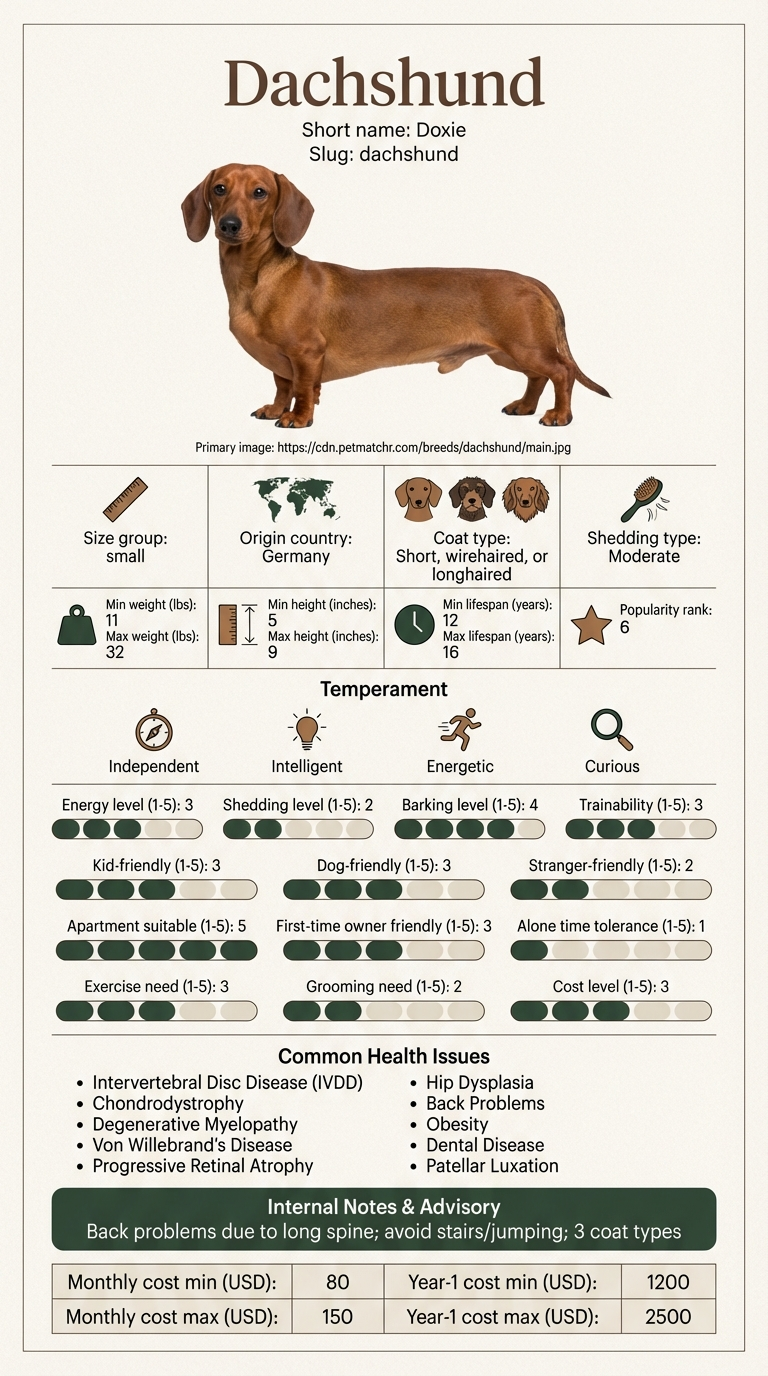
Dachshunds are prone to patellar luxation due to their unique body structure. Their short legs and elongated spine can contribute to joint issues. This breed often has a genetic predisposition to knee problems, making patellar luxation a common concern.
Environment factors
Environmental factors, such as obesity, can worsen patellar luxation. If a Dachshund is overweight, it puts extra strain on the knees. Additionally, activities like jumping from high surfaces can lead to knee injuries.
What you can try
At-home strategies
Maintain a healthy weight for your Dachshund to reduce stress on their knees. Measure food portions carefully and avoid excessive treats.
Implement a daily exercise routine that includes low-impact activities like walking or swimming. Avoid high jumps or stairs to minimize risk.
Consider using supportive gear, like a knee brace, during exercise to provide stability and help prevent luxation.
When to consider a trainer
If you notice consistent limping or difficulty walking, it might be time to consult a professional trainer. They can help adjust your Dachshund's exercise routine and suggest specific exercises to strengthen their legs.
When to talk to your vet
Reach out to your vet if your Dachshund shows signs of pain, such as whining or avoiding movement. If the luxation appears severe or frequent, your vet may recommend further evaluation or treatment options.
Realistic expectations
Addressing Dachshund patellar luxation typically takes 3 to 6 months of consistent training and management. If surgery is needed, recovery can extend this timeline by several weeks.
Success means your Dachshund experiences less pain and improved mobility. You’ll notice them playing more freely and requiring fewer interventions during walks.
Mistakes that make this worse
Avoiding these common mistakes can help improve your Dachshund's patellar luxation condition.
Ignoring signs of discomfort: If your Dachshund shows signs of pain or limping, ignoring it can worsen their condition. Always consult a vet for a check-up.
Letting them jump or climb stairs: Allowing your Dachshund to jump on furniture or navigate stairs can increase the risk of injury. Use ramps or lift them instead.
Overweight management: Not keeping your Dachshund at a healthy weight can exacerbate their joint issues. A balanced diet and regular exercise are key.
Delayed treatment: Waiting to seek veterinary care can lead to more severe issues. Early intervention can make a significant difference.
Inconsistent training: Using harsh methods or inconsistent commands can confuse your Dachshund and worsen anxiety. Positive reinforcement is more effective.
Neglecting regular check-ups: Skipping regular vet visits can prevent you from catching potential problems early. Schedule consistent follow-ups to monitor their health.
Using improper leashes: Using a standard leash for walks can put unnecessary strain on your Dachshund's joints. Opt for a harness that distributes pressure evenly.
When Dachshund Patellar Luxation is an Emergency
Understanding when Dachshund patellar luxation becomes an emergency is crucial for your pet's health. Some signs indicate that immediate veterinary assistance is necessary, while others can be monitored over time. If your Dachshund shows severe limping, is unable to put weight on the affected leg, or appears to be in significant pain, you should call your vet right away. These red-flag signs may suggest a severe injury or worsening condition.
In addition, if your dog experiences swelling around the knee, has a noticeable deformity, or shows signs of distress like excessive whining or panting, these are also reasons to seek immediate help. On the other hand, if your Dachshund is mildly limping after playtime but is still able to walk and play normally, you can monitor the situation. Keep an eye on their activity levels and behavior, as well as any signs of discomfort.
It's essential to have a plan for managing mild cases. This includes rest, limiting exercise, and possibly using joint supplements as recommended by your vet. By knowing the difference between an emergency and a situation that can be managed at home, you can better navigate your Dachshund's health needs.
Understanding Dachshund Patellar Luxation - When Dachshund Patellar Luxation is an Emergency
Riley and the Recovery Journey
When Sarah adopted Riley, her lively Dachshund, she quickly noticed him limping after playtime. After a vet visit, she learned he had patellar luxation. Determined to help him, Sarah implemented a structured exercise routine and adjusted his diet. Within months, Riley was back to his playful self, with a noticeable reduction in limping. Sarah also learned to manage his weight to prevent further issues, leading to a happier, healthier dog.
Key takeaway: Taking prompt action and making lifestyle adjustments can significantly improve a Dachshund's quality of life when dealing with patellar luxation.
Frequently asked questions
Why does my Dachshund have patellar luxation?
Dachshund patellar luxation often occurs due to a combination of genetic and anatomical factors. Their unique body structure, especially their long spine and short legs, can contribute to knee cap dislocation. Regular vet check-ups can help identify any underlying issues.
How can I stop my Dachshund from having patellar luxation?
To manage Dachshund patellar luxation, focus on maintaining a healthy weight and minimizing activities that strain their joints. Controlled exercise, like short walks, can strengthen their muscles. Consult your vet for tailored training and treatment options.
What are the signs of patellar luxation in Dachshunds?
Signs of patellar luxation include limping, difficulty walking, or sudden lameness in one leg. You may also notice your dog occasionally lifting their leg as if it's painful. Prompt veterinary evaluation is crucial if you observe these symptoms.
Is surgery necessary for Dachshund patellar luxation?
Surgery for Dachshund patellar luxation may be recommended if the condition is severe or if your dog experiences frequent pain. The vet will assess the severity of the luxation and discuss potential surgical options if needed.
Can training help with my Dachshund's patellar luxation?
Yes, Dachshund patellar luxation training can help improve muscle strength, which supports the knee joint. Focus on low-impact exercises and consult a professional trainer for methods that accommodate their specific needs.
What is the recovery time after surgery for patellar luxation?
Recovery time after surgery for Dachshund patellar luxation can range from several weeks to a few months. Follow your vet's advice on post-op care and gradually reintroduce activity to ensure a safe recovery.
What are the signs that my Dachshund has patellar luxation?
Common signs include limping, reluctance to jump or run, and the knee appearing to pop in and out of place. You might also notice your Dachshund suddenly lifting their leg while walking.
Can patellar luxation in Dachshunds be treated without surgery?
In mild cases, weight management, physical therapy, and specific exercises can help. However, severe cases often require surgical intervention to prevent further joint damage.
Is patellar luxation hereditary in Dachshunds?
Yes, patellar luxation can be hereditary and is more common in small breeds like Dachshunds. Responsible breeding practices can help reduce the incidence of this condition.
How can I help my older Dachshund with patellar luxation?
For older Dachshunds, maintaining a healthy weight and providing low-impact exercise is crucial. Consult your vet for pain management options and consider joint supplements.
When should I seek veterinary help for my Dachshund's patellar luxation?
If your Dachshund shows persistent limping, has difficulty walking, or seems to be in pain, it's time to see a vet. Early intervention can prevent more serious issues down the line.
What are quick tips for managing Dachshund patellar luxation?
To manage Dachshund patellar luxation, keep your dog at a healthy weight, limit high-impact activities, and engage in regular, gentle exercise. Regular vet check-ups are also essential.
Living
How can I help my Dachshund avoid patellar luxation?
Preventing Dachshund patellar luxation involves proper training, avoiding stairs and jumping, and ensuring a balanced diet to maintain their weight.
Health
What should I look for in a vet for patellar luxation?
Choose a vet experienced with Dachshunds and familiar with orthopedic issues. They can provide specialized care and treatment options tailored to your dog's needs.
Related DogBreedCompass guides
Dachshund separation anxiety guide – Learn how to address anxiety issues common in Dachshunds.
Dachshund behavior problems – Understand common behavior problems specific to Dachshunds.