Health
What are quick tips for managing Collie (Rough Collie) genetic disorders?
Choose a responsible breeder, schedule regular vet check-ups, and maintain a healthy diet for your Collie. Early detection is key for managing genetic disorders.

Quick answer
What are quick tips for managing Collie (Rough Collie) genetic disorders?
Choose a responsible breeder, schedule regular vet check-ups, and maintain a healthy diet for your Collie. Early detection is key for managing genetic disorders.
Collies, known for their intelligence and loyalty, can be prone to several genetic disorders. Understanding these issues is crucial for a healthy, happy dog. (Collie (Rough Collie) most common genetic disorders)
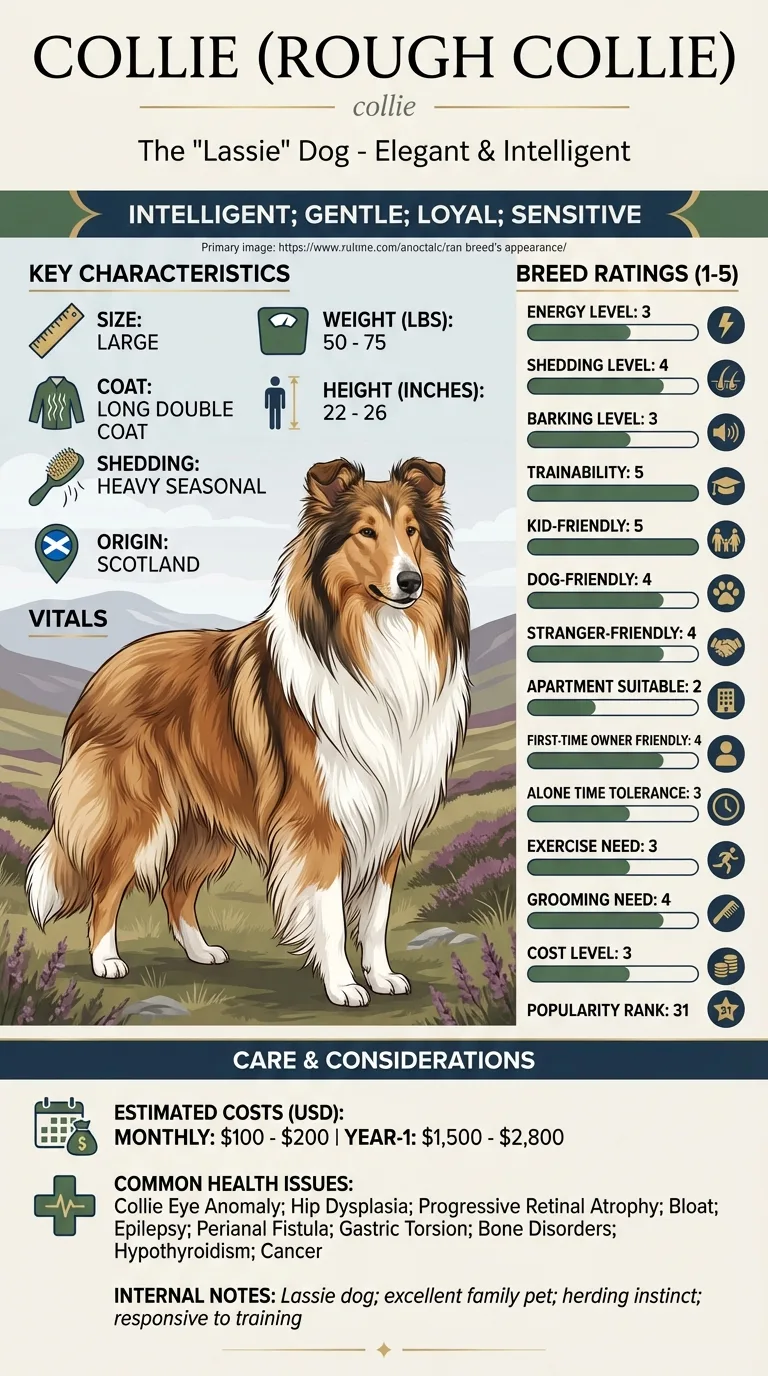
Owners of Collies often worry about their pets developing genetic conditions that could lead to long-term health problems. This includes families with children, busy professionals, or anyone who wants to ensure their furry friend remains active and healthy.
This guide is not medical advice. If your dog shows pain, sudden behavior change, or worsening symptoms, consult a licensed veterinarian.
Some links may be affiliate links. We may earn a commission at no extra cost to you. We only suggest products we believe are helpful for dog owners.
We research and check what we publish, but we do not warrant that any figure, date, price, or statement is accurate, complete, or current, and we accept no liability for any loss, cost, injury, or other harm arising from the use of this site. Use it as one reference among several. You remain responsible for your own decisions and for your dog's care - confirm anything that matters with a licensed veterinarian or another qualified professional before you act on it. Full disclaimer.
Check this first
Identifying when a health issue with your Collie is an emergency can be crucial. If your dog shows signs of severe pain, significant lethargy, or sudden changes in behavior, you should call your vet immediately. Additionally, if your Collie experiences difficulty breathing, excessive vomiting, or signs of bloat, these are red flags that require urgent attention.
If any of these apply, call your vet or an emergency clinic now. The rest of this page is for the cases that are not an emergency.
Collie (Rough Collie) most common genetic disorders can significantly impact their health and well-being. These disorders often manifest through a variety of symptoms, such as vision problems, mobility issues, and sudden health changes. Owners may notice their Collie struggling with vision or experiencing joint pain, which can be distressing.
Genetic disorders are relatively common in Collies, particularly due to their breeding history. Conditions like Collie Eye Anomaly and Hip Dysplasia are seen frequently in this breed. Being aware of these issues can help owners take preventive measures to ensure their Collie's health.
Collies, particularly Rough Collies, are prone to certain genetic disorders due to their breeding history. Conditions like Collie Eye Anomaly and Hip Dysplasia are common in this breed. These issues arise because of inherited traits that can affect their health and functionality.
Environmental factors can also contribute to genetic disorders in Collies. Poor nutrition, lack of exercise, and exposure to toxins may exacerbate pre-existing conditions. Stressful living conditions or improper care can lead to further health complications.
If you notice any symptoms of genetic disorders, such as unusual behavior, discomfort, or physical changes, consult your vet immediately. Regular check-ups can help catch genetic issues early. Remember, proactive vet visits are essential for a long, healthy life for your Collie.
Avoiding these common mistakes can help improve your Collie’s health and behavior.
See all Collie health problems, which breeds are prone to most common genetic disorders, or the full Collie breed guide for temperament, exercise needs and ownership costs.
You can start seeing improvements within 3 to 6 months with consistent care and veterinary follow-up.
Success means your Collie is showing fewer signs of discomfort and is engaging more in daily activities. Regular check-ups help monitor genetic disorders effectively.
In less severe cases, such as mild limping or occasional eye discharge, it may be appropriate to monitor your Collie at home. Keep track of any changes and maintain a record of symptoms over a few days. If the condition doesn’t improve or worsens, then it’s time to consult your veterinarian.

Sarah adopted her Rough Collie, Max, thinking he was the perfect family dog. However, she soon noticed he struggled with frequent eye problems and occasional limping. After visiting the vet, Sarah learned about common genetic disorders like Collie Eye Anomaly and hip dysplasia. With the vet's guidance, she created a care plan including regular check-ups, a balanced diet, and gentle exercise routines. Over time, Max became more active and playful, showing significant improvement in his overall health.
Key takeaway: Understanding and addressing genetic disorders early can lead to a happier, healthier life for your Collie.
Collies, particularly Rough Collies, are prone to several genetic disorders. Common health issues include Collie Eye Anomaly, Hip Dysplasia, and Progressive Retinal Atrophy. It's important to consult with a vet to monitor for these conditions. This answer relates to Collie (Rough Collie) most common genetic disorders.
Genetic disorders in Collies are often inherited due to their breeding. Responsible breeders should screen for these conditions, but not all do. Regular check-ups can help catch issues early.
While you can't entirely prevent genetic disorders, you can minimize risks. Choose a reputable breeder who tests for genetic conditions. Regular vet visits and a healthy lifestyle can also help manage their health.
Signs can vary based on the disorder but may include vision problems, difficulty moving, or unusual behaviors. If you notice any changes in your Collie's behavior or health, consult your veterinarian promptly.
Training does not prevent genetic disorders, but it can help manage behavioral issues linked to them. For example, consistent training can provide structure for a Collie with anxiety or hyperactivity related to health problems.
A comprehensive health plan for your Collie should include regular vet check-ups, a balanced diet, and exercise. It's also beneficial to monitor for common genetic disorders and keep informed about your dog's health.
If your Collie exhibits symptoms like vision problems or mobility issues, it's time to consult your vet. Early detection can lead to better management and treatment options. Regular check-ups can help catch any potential issues before they worsen.
Yes, many genetic disorders in Collies are hereditary, meaning they can be passed down from parent to offspring. Responsible breeding practices can help reduce the risk of these disorders. It's important to choose a breeder who screens for common genetic issues.
A balanced diet can support your Collie's overall health, which is crucial if they have genetic disorders. Nutritional supplements may also help manage certain conditions. Always consult your vet for dietary recommendations tailored to your dog's specific needs.
Look out for symptoms like eye problems, limping, or seizures. Changes in behavior, such as increased anxiety or lethargy, can also indicate health issues. Regular vet visits are key to monitoring your Collie's health.
Yes, training can be beneficial for managing certain behaviors linked to genetic disorders. Positive reinforcement techniques can help your Collie cope with anxiety or discomfort. Consult a professional trainer who understands your dog's unique needs.
Choose a responsible breeder, schedule regular vet check-ups, and maintain a healthy diet for your Collie. Early detection is key for managing genetic disorders.
You should take your Collie for a check-up at least once a year. More frequent visits may be needed if they show signs of health issues.
Yes, regular exercise is crucial for maintaining a healthy weight and overall well-being. Tailor their activity level to their health status.
Pet insurance can be a wise investment, especially for breeds prone to genetic disorders. It helps manage unexpected medical costs.
Training can help manage behavioral issues linked to genetic disorders. Consistent routines and positive reinforcement are effective methods.
A one-page prep sheet for this condition: the signs, the questions to ask, what to get priced. Unlocks here.
You get: Vet visit prep sheet
No spam. One-click unsubscribe. See our privacy policy.
Preview page 1 before you decide.