Collie (Rough Collie) Insurance Claims: Understanding the Issue
Quick answer
What are some quick tips for handling Collie (Rough Collie) insurance claims?
Ensure your dog has regular health check-ups and maintain a healthy diet to prevent common issues. Choose an insurance policy that covers breed-specific conditions for better financial protection.
Collie (Rough Collie) insurance claims can be a frustrating experience for owners. Understanding the patterns behind these claims is crucial for managing your dog's health and finances.
First-time dog owners or busy families may struggle with understanding insurance claims for their Collies. Additionally, those who have previously dealt with unexpected vet bills might feel overwhelmed and unsure of how to prevent future claims.
Important reminder
This guide is not medical advice. If your dog shows pain, sudden behavior change, or worsening symptoms, consult a licensed veterinarian.
Some links may be affiliate links. We may earn a commission at no extra cost to you. We only suggest products we believe are helpful for dog owners.
We research and check what we publish, but we do not warrant that any figure, date, price, or statement is accurate, complete, or current, and we accept no liability for any loss, cost, injury, or other harm arising from the use of this site. Use it as one reference among several. You remain responsible for your own decisions and for your dog's care - confirm anything that matters with a licensed veterinarian or another qualified professional before you act on it. Full disclaimer.
Check this first
When Insurance Claims is an emergency
Emergency signs for your Collie include severe lethargy, difficulty breathing, or persistent vomiting. If your Collie collapses or shows signs of extreme pain, these are red flags that mean you should call your vet immediately. Additionally, if your dog is unable to stand or has sudden changes in behavior, these are also emergencies that require urgent attention.
On the other hand, mild cases such as occasional coughing or minor limping can often be monitored at home. If your Collie seems slightly off but is still eating, drinking, and playing, it's usually safe to watch and wait. Keeping a close eye on their condition over the next day or two can help you decide if further action is necessary.
Always remember that it's better to err on the side of caution. If you are unsure about your dog's condition, don’t hesitate to reach out to your veterinarian. Quick decisions can make a significant difference in your Collie's well-being.
If any of these apply, call your vet or an emergency clinic now. The rest of this page is for the cases that are not an emergency.
What this problem looks like
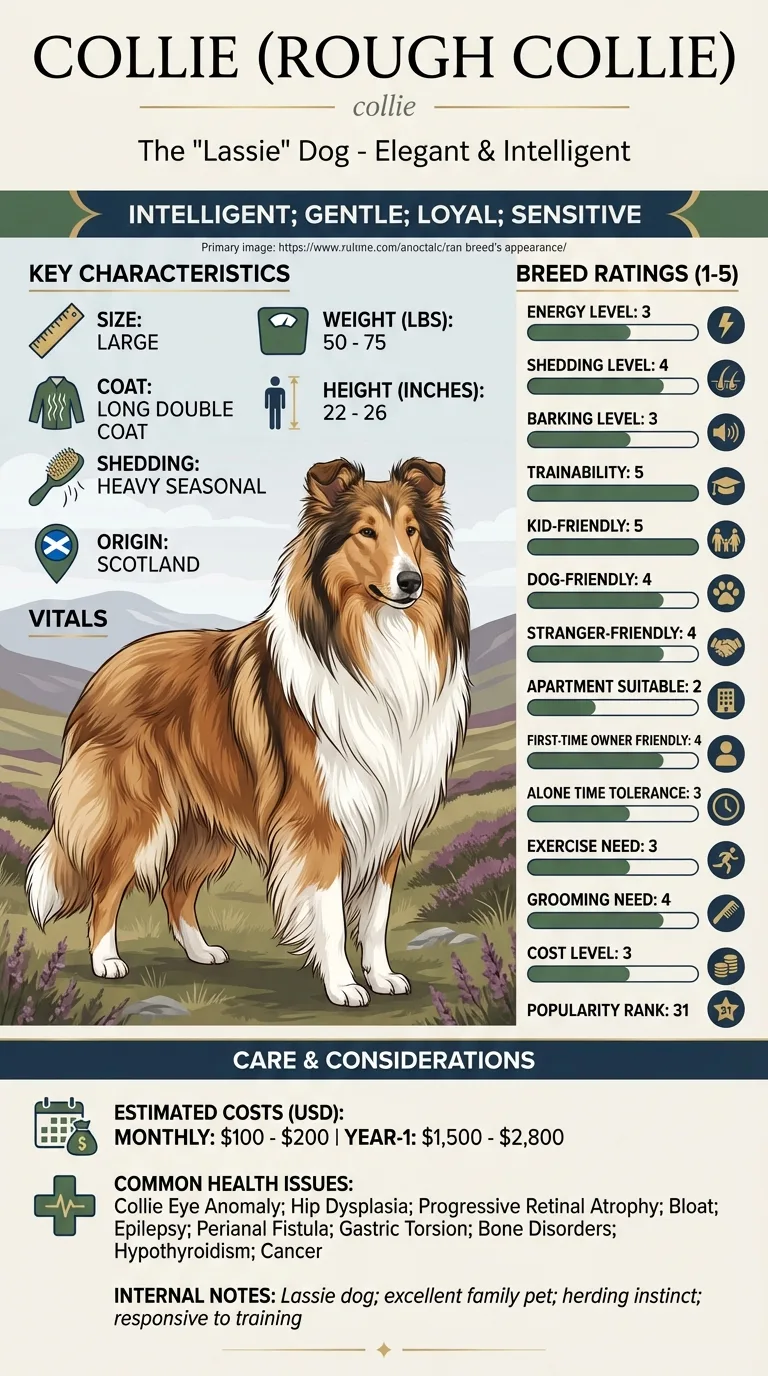
Collie (Rough Collie) insurance claims can be a real concern for owners. These dogs are prone to specific health issues that often lead to higher vet bills, which can result in more insurance claims. Common problems include Collie Eye Anomaly and hip dysplasia, both of which can be costly to treat.
Common triggers
Genetic predisposition to health issues
Accidents or injuries due to their active nature
Age-related conditions as they get older
Insurance claims for Collies are relatively common, especially compared to other breeds. Many owners may find themselves navigating the insurance maze due to the breed's susceptibility to certain health conditions.
Why this happens
Breed factors
Collies, especially Rough Collies, are prone to certain health issues like Collie Eye Anomaly and hip dysplasia. These genetic predispositions can lead to higher insurance claims as owners seek treatment for these conditions. Their large size and specific health needs can also contribute to increased medical costs.
Environment factors
The environment plays a significant role in health and well-being. Factors such as insufficient exercise, poor nutrition, or stress from being left alone can exacerbate health issues in Collies. Additionally, living in a high-stress environment might lead to anxiety, which can result in more frequent vet visits and insurance claims.
What you can do at home (once it is not an emergency)
When to talk to your vet
If your Collie frequently requires vet visits or shows signs of discomfort, a vet consultation is essential. They can provide guidance on managing specific health concerns and help adjust your pet's care plan.
At home, alongside your vet's plan
Ensure your Collie gets regular exercise to maintain a healthy weight and prevent health issues. Aim for at least an hour of physical activity each day.
Feed your Collie a balanced diet rich in nutrients to support their overall health. Consult your vet about the best food options based on their age and health status.
Create a calm environment by minimizing stressors. If your dog shows signs of anxiety, consider using calming tools like anxiety wraps or pheromone diffusers.
Mistakes that make this worse – Collie (Rough Collie) insurance claims
Avoiding these common mistakes can help reduce the frequency of Collie (Rough Collie) insurance claims.
Ignoring early signs of health issues: Not addressing symptoms quickly can lead to bigger problems later. Take your Collie to the vet at the first sign of illness.
Neglecting regular vet visits: Skipping annual check-ups can result in undiagnosed conditions. Routine vet visits can catch problems early before they escalate.
Overlooking training and socialization: Failing to train your Collie can lead to behavior issues that result in claims. Invest time in training and socializing your dog properly.
Underestimating exercise needs: A bored Collie may develop destructive behaviors. Ensure your Collie gets enough physical and mental stimulation every day.
Using ineffective training methods: Resorting to harsh discipline can increase anxiety and worsen behavior problems. Opt for positive reinforcement techniques instead.
Ignoring breed-specific health issues: Collies are prone to certain health conditions. Be knowledgeable about these risks and take preventive measures.
Failing to pet-proof your home: An unprepared home can lead to accidents and injuries. Ensure your environment is safe for your Collie to prevent unnecessary claims.
You can expect to see improvements in your Collie's behavior over 6 to 12 weeks with consistent care and attention.
Success means your Collie has fewer anxiety-related incidents, resulting in lower insurance claims and a more relaxed pet.
A Busy Family Tackles Insurance Claims with Their Collie
Meet the Johnsons, a family of four living in a bustling suburb. Their Rough Collie, Max, was sweet but struggled with anxiety, leading to unfortunate accidents that resulted in multiple insurance claims. After realizing the stress was affecting Max's health and their finances, they sought help. They implemented a consistent training regime, focusing on positive reinforcement and gradual exposure to triggers. Over several weeks, Max became more confident and relaxed, dramatically reducing his anxiety and, consequently, their insurance claims.
Key takeaway: With dedicated training and support, you can significantly reduce your Collie's anxiety and the related insurance claims.
Frequently asked questions
Why does my Collie (Rough Collie) have insurance claims?
Collies are prone to certain health issues, like Collie Eye Anomaly and hip dysplasia, which can lead to higher insurance claims. Understanding these risks can help you prepare for potential expenses and seek appropriate coverage.
How can I stop my Collie (Rough Collie) from frequent insurance claims?
To reduce insurance claims, focus on preventative care. Regular vet check-ups, a balanced diet, and appropriate exercise can mitigate health problems. Additionally, consider pet insurance that covers breed-specific conditions.
What training can help with Collie (Rough Collie) insurance claims?
Training your Collie to follow commands and behave well can prevent accidents and injuries. Programs focusing on obedience and socialization are beneficial, helping reduce the likelihood of incidents that may result in claims.
Are there specific health issues to watch for in Collies?
Yes, Collies are susceptible to conditions like bloat and epilepsy, which can result in high vet bills. Staying informed about these health risks can help you catch symptoms early and manage your dog's health proactively.
How can I choose the right insurance for my Collie (Rough Collie)?
Look for an insurance policy that covers breed-specific conditions and offers a comprehensive health plan. Compare different providers to find one that fits your budget while covering potential health issues unique to Collies.
What are the common costs associated with Collie (Rough Collie) insurance claims?
Insurance claims for Collies can vary widely but typically range from $100 to $200 monthly. It's essential to factor in potential vet bills and treatments when budgeting for your dog's care.
How often should I take my Collie (Rough Collie) for vet check-ups?
Regular vet visits, ideally every six months, are crucial for maintaining your Collie's health. This proactive approach can help identify potential issues early and reduce the chances of future insurance claims.
What common health issues can lead to Collie (Rough Collie) insurance claims?
Collie (Rough Collie) insurance claims often arise from health issues like Collie Eye Anomaly, hip dysplasia, and bloat. Being aware of these conditions can help you take preventive measures and address them early.
Should I be concerned if my older Collie (Rough Collie) has frequent insurance claims?
Yes, frequent insurance claims in older Collies can indicate underlying health problems. It's important to consult your vet to assess your dog's health and adjust their care plan as needed.
How can I reduce the likelihood of Collie (Rough Collie) insurance claims?
To reduce insurance claims, ensure your Collie receives regular vet check-ups, a balanced diet, and proper exercise. Early intervention for any health concerns can also help manage risks.
Are there specific training methods to prevent behavior-related insurance claims for Collie (Rough Collie)?
Yes, training methods focusing on positive reinforcement can help address behavior issues that might lead to insurance claims. Consistent training can help your Collie adapt better and reduce anxiety-related problems.
What should I do if my Collie (Rough Collie) has anxiety that leads to insurance claims?
If your Collie shows anxiety that results in insurance claims, consult your vet for guidance. They may recommend training resources or behavioral therapies to help your dog feel more comfortable.
What are some quick tips for handling Collie (Rough Collie) insurance claims?
Ensure your dog has regular health check-ups and maintain a healthy diet to prevent common issues. Choose an insurance policy that covers breed-specific conditions for better financial protection.
Living
How can I reduce the risk of health issues in my Collie?
Regular exercise and a balanced diet can significantly reduce health risks in Collies. Keeping up with vet visits also helps catch problems early.
Training
What training should I focus on for my Collie?
Prioritize obedience and socialization training to ensure your Collie behaves well in different situations. This can help prevent accidents that lead to insurance claims.
Costs
How much should I budget for Collie (Rough Collie) health care?
Budget between $100 to $200 monthly for your Collie's health care, including insurance. Factor in potential vet visits and treatments for breed-specific conditions.
Health
Is my Collie (Rough Collie) prone to specific health problems?
Yes, Collies are prone to issues like hip dysplasia and eye problems. Being aware of these can help you take preventive measures and choose the right insurance.
A fuller vet-visit kit for Collie Insurance Claims
The free prep sheet covers the same-day warning signs, a symptom log and the questions to ask. We are considering a fuller kit that adds a cost worksheet for the usual tests and treatments (US price ranges with their sources) and a plain-English guide to ways of covering the bill. It is not built yet; this list tells us whether it is worth building.
One email, no spam, unsubscribe anytime. Information only, not veterinary advice.