DogBreedCompass
← Back to breed profile

Cocker Spaniel Small Nostrils (Stenotic Nares) - Understanding the Issue

Cocker Spaniels often face the challenge of small nostrils, known as stenotic nares. This condition can lead to breathing difficulties. (Cocker Spaniel small nostrils (stenotic nares))

Cocker Spaniel Small Nostrils (Stenotic Nares) - Understanding the Issue infographic

New and experienced Cocker Spaniel owners alike may struggle with this issue. If you notice your dog having trouble breathing, especially during exercise or in hot weather, it's essential to seek guidance.

Important reminder

This guide is not medical advice. If your dog shows pain, sudden behavior change, or worsening symptoms, consult a licensed veterinarian.

Some links may be affiliate links. We may earn a commission at no extra cost to you. We only suggest products we believe are helpful for dog owners.

What this problem looks like

Cocker Spaniel small nostrils (stenotic nares) can cause noticeable breathing difficulties. This condition may manifest as snorting, wheezing, or labored breathing, especially during exercise or in hot weather. Owners often notice their Cocker Spaniel struggling to catch its breath, which can be alarming.

Common triggers

  • Hot or humid weather
  • Physical exertion or playtime
  • Allergies or respiratory infections

This issue is quite common in Cocker Spaniels due to their distinct facial structure. Many owners report seeing symptoms at an early age, particularly if the dog is active or exposed to stressors like heat.

Why this happens

Breed factors

Cocker Spaniels can inherit small nostrils, or stenotic nares, from their breeding. This breed is known for having a shorter snout, which can lead to breathing issues. Genetic factors can make their nostrils narrower, causing discomfort and breathing obstruction.

Environment factors

Environmental factors can exacerbate the issue of small nostrils. For example, high temperatures or allergens can make breathing more difficult for Cocker Spaniels. Stressful situations, such as loud noises or unfamiliar environments, can also trigger breathing problems.

What you can try

At-home strategies

  • Maintain a calm environment for your Cocker Spaniel. Reduce noise and distractions to help them feel secure.
  • Keep your home cool during hot weather. Use fans or air conditioning to ensure they can breathe comfortably.
  • Monitor their activity levels. Limit strenuous exercise, especially in heat, to prevent breathing difficulties.
  • Consider using a harness instead of a collar. This can reduce pressure on their throat and make breathing easier.

When to consider a trainer

If your Cocker Spaniel shows signs of anxiety or stress related to their breathing, a professional trainer can help. They can provide techniques to manage fear and anxiety, making your dog feel more at ease in various situations.

When to talk to your vet

If your Cocker Spaniel consistently struggles to breathe or shows severe signs of distress, consult your vet. They can assess the severity of the stenotic nares and discuss possible treatments, which may include surgery in extreme cases.

Realistic expectations

Improvement can generally be seen within a few weeks to a couple of months, depending on the dog's age and severity of the condition.

Success means your Cocker Spaniel can breathe more easily, showing improved energy levels and less strain during exercise.

Mistakes that make this worse

Addressing Cocker Spaniel small nostrils (stenotic nares) requires careful management. Here are common mistakes to avoid that may exacerbate the issue.

  • Ignoring Symptoms: Many owners overlook signs of breathing difficulty, assuming it’s normal. Pay attention to excessive panting or snoring, and consult a vet if these occur.
  • Overexercising: Pushing your Cocker too hard during walks can worsen breathing issues. Stick to moderate exercise and watch for signs of fatigue.
  • Neglecting Weight Management: Overweight dogs can struggle more with breathing. Keep your Cocker at a healthy weight through a balanced diet and regular activity.
  • Using Harsh Correction: Yelling or using harsh training methods can increase anxiety, making breathing worse. Opt for positive reinforcement to encourage good behavior.
  • Avoiding Vet Visits: Some owners wait too long to seek help for breathing issues. Regular veterinary check-ups can help catch problems early and provide better solutions.
  • Not Recognizing Triggers: Environmental factors like heat or smoke can aggravate breathing problems. Be mindful of your Cocker's surroundings and limit exposure to known irritants.
  • Failing to Educate Yourself: Lack of knowledge about Cocker Spaniel small nostrils (stenotic nares) can lead to poor decisions. Research and ask your vet for advice to stay informed.

When Cocker Spaniel Small Nostrils (Stenotic Nares) Are an Emergency

Recognizing when your Cocker Spaniel's small nostrils (stenotic nares) are a serious issue is crucial. If your dog shows any signs of distress, breathing difficulties, or excessive panting, it's time to call your vet immediately. These symptoms could indicate a life-threatening situation that requires urgent care.

Look out for red-flag signs like bluish gums, persistent coughing, or lethargy. If your Cocker Spaniel struggles to breathe even during rest, this is a clear indication of an emergency. In such cases, don't hesitate—reach out to your veterinarian for immediate assistance.

On the other hand, if your dog occasionally seems short of breath but is otherwise active and alert, you may monitor the situation for a while. Mild cases can often be managed with lifestyle adjustments and training. Ensure you have a plan in place to help your Cocker Spaniel breathe easier, such as avoiding strenuous activities in hot weather or keeping them calm during stressful situations.

Cocker Spaniel Small Nostrils (Stenotic Nares) - Understanding the Issue - When Cocker Spaniel Small Nostrils (Stenotic Nares) Are an Emergency

Emily and Max: Overcoming Breathing Challenges

Emily, a first-time dog owner, noticed her Cocker Spaniel, Max, was often panting and had trouble keeping up during walks. After consulting a vet, she learned that Max had small nostrils, a common issue in the breed. Emily started implementing simple training exercises to help him breathe better, like encouraging him to take slower, shorter walks. She also created a calming routine at home to reduce anxiety. Over time, Max became more active and playful, and their walks transformed into joyful adventures.

Key takeaway: With patience and the right approach, you can help your Cocker Spaniel manage small nostrils and enjoy a better quality of life.

Frequently asked questions

Why does my Cocker Spaniel have small nostrils (stenotic nares)?

Cocker Spaniels can have small nostrils due to genetics. This condition, known as stenotic nares, can lead to breathing difficulties. It's important to consult with a vet to determine the best course of action.

How can I help my Cocker Spaniel with small nostrils (stenotic nares)?

To help your Cocker Spaniel, consider using gentle training techniques to encourage deeper breathing. Ensure they have a comfortable environment with minimal stressors. Regular vet check-ups are crucial for monitoring their condition.

What are the signs of breathing problems in Cocker Spaniels with small nostrils?

Signs include labored breathing, snoring, or excessive panting. If your Cocker seems to struggle for air, consult your vet promptly. Early intervention can prevent more serious issues.

Is surgery necessary for Cocker Spaniels with small nostrils (stenotic nares)?

Surgery may be recommended if breathing issues are severe. Your vet can evaluate the condition and discuss the best options. Not all cases require surgical intervention, so it’s essential to get a professional opinion.

Can training help improve my Cocker Spaniel's breathing with small nostrils?

Yes, training can help by teaching your dog calm behaviors and reducing anxiety. Implementing relaxation techniques may also improve their overall comfort. Consistency is key in training sessions.

What causes small nostrils (stenotic nares) in Cocker Spaniels?

Cocker Spaniels can have small nostrils due to genetic factors, leading to a breathing obstruction. This condition is often seen in brachycephalic breeds and can affect their overall health.

How can I help my Cocker Spaniel with small nostrils breathe better?

To help your Cocker Spaniel breathe better, consider keeping them in a cool environment and avoiding strenuous activities in hot weather. Regular vet check-ups are crucial for managing their condition effectively.

When should I see a vet for my Cocker Spaniel's small nostrils?

If your Cocker Spaniel is having trouble breathing, coughing frequently, or showing signs of distress, it's essential to see a vet. Early intervention can prevent more serious health issues.

Can training help with Cocker Spaniel small nostrils (stenotic nares)?

While training does not directly address small nostrils, teaching your Cocker Spaniel calming techniques can help reduce anxiety related to breathing difficulties. A calm environment is beneficial for their overall well-being.

Are small nostrils (stenotic nares) common in older Cocker Spaniels?

Small nostrils can be common in Cocker Spaniels of all ages, but older dogs may experience more pronounced symptoms due to age-related respiratory issues. Regular veterinary assessments are crucial in managing their health.

Quick answers

View more answers
Behavior

What are quick tips for Cocker Spaniel small nostrils (stenotic nares)?

Keep your Cocker Spaniel calm and avoid strenuous activities during hot weather. Regular vet visits are essential for managing their breathing. Consider using a harness instead of a collar to reduce strain on their neck.

Health

How can I tell if my Cocker Spaniel's small nostrils are causing issues?

Watch for signs like snorting, coughing, or difficulty breathing. If your Cocker seems uncomfortable, consult your vet for advice and possible solutions.

Costs

What costs should I expect for Cocker Spaniel care?

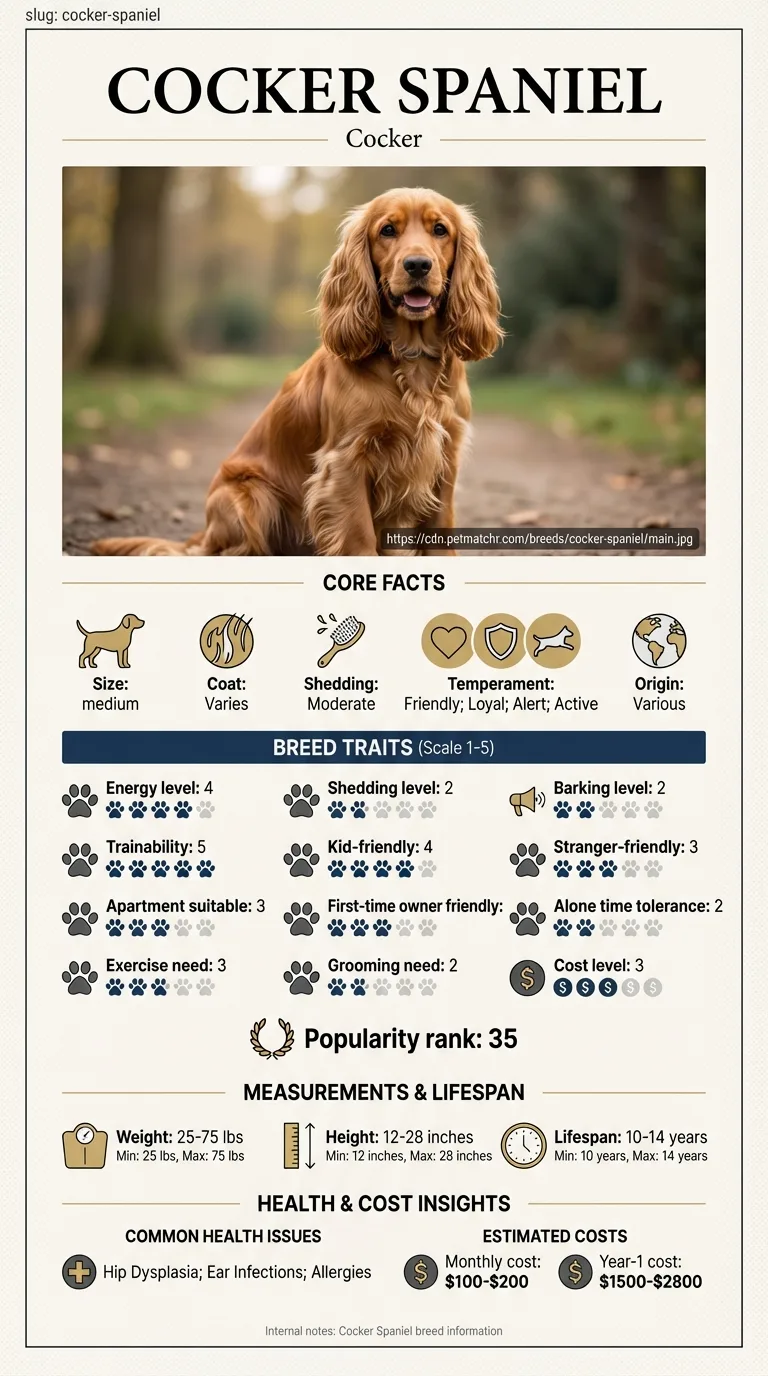
Monthly costs range from $100 to $200, including food and vet visits. Initial vet checks for breathing issues may add to the first-year cost, which can be between $1,500 and $2,800.

Related DogBreedCompass guides

  • Cocker Spaniel behavior problemsLearn about common behavior problems that Cocker Spaniels face.
  • Cocker Spaniel separation anxiety guideDiscover how to help your Cocker Spaniel with separation anxiety.
  • Cocker Spaniel cost breakdownUnderstand the costs associated with owning a Cocker Spaniel.
  • Cocker Spaniel training tipsFind tips on training your Cocker Spaniel, especially for breathing issues.
  • Cocker Spaniel health overviewExplore what to expect in terms of health for Cocker Spaniels.

Related guides