DogBreedCompass
← Back to breed profile

Understanding Cocker Spaniel Luxating Patellas

Cocker Spaniel luxating patellas can be a painful issue for your furry friend. This knee cap dislocation affects their mobility and quality of life.

Understanding Cocker Spaniel Luxating Patellas infographic

Typically, Cocker Spaniel owners who notice their dogs limping or showing signs of discomfort after exercise may face this challenge. First-time dog owners may find it particularly confusing, as they might not recognize the signs of luxating patellas right away.

Important reminder

This guide is not medical advice. If your dog shows pain, sudden behavior change, or worsening symptoms, consult a licensed veterinarian.

Some links may be affiliate links. We may earn a commission at no extra cost to you. We only suggest products we believe are helpful for dog owners.

What this problem looks like

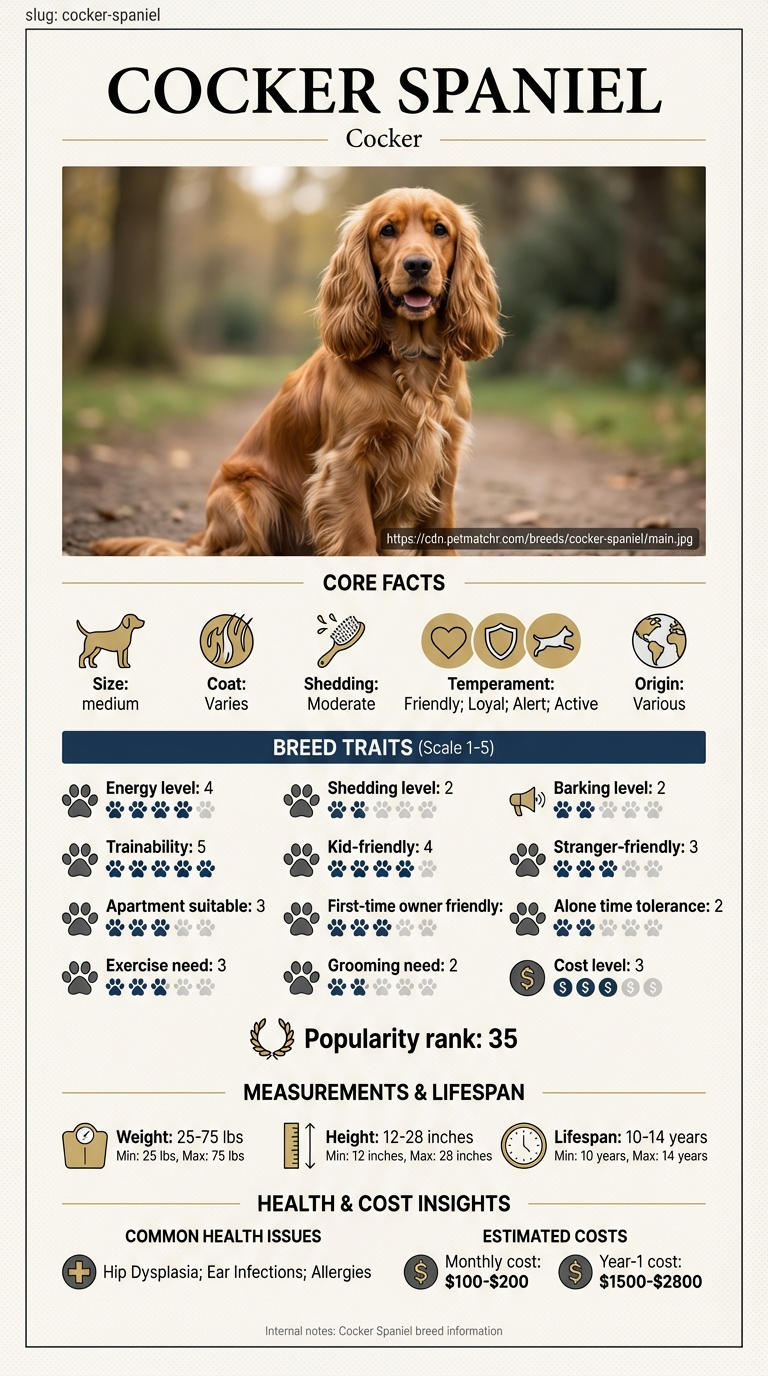
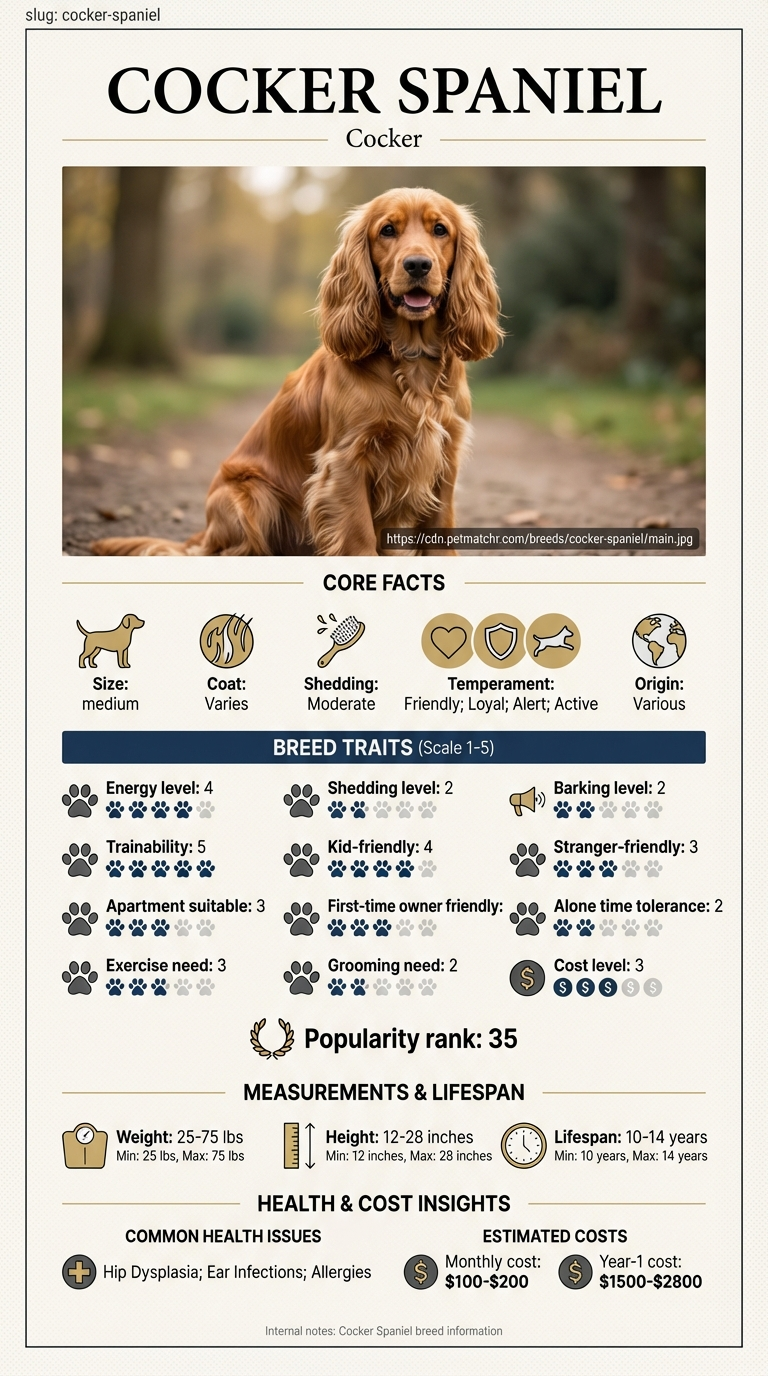
Cocker Spaniel luxating patellas is a common issue where the kneecap dislocates, causing pain and difficulty in movement. This problem can lead to limping or reluctance to exercise, which is concerning for an active breed like the Cocker Spaniel. Owners may notice their dog lifting a leg while walking or having trouble standing up after resting.

Common triggers

  • Overactive play or exercise
  • Age-related wear and tear
  • Genetic predisposition

Luxating patellas are relatively common in Cocker Spaniels, affecting up to 20% of the breed. This condition can occur at any age but is often more noticeable in younger dogs during growth spurts.

Why this happens

Breed factors

Cocker Spaniels may have a genetic predisposition to luxating patellas due to their body structure. Their medium size and unique bone alignment can make them more susceptible to this knee condition.

Environment factors

Environmental factors, such as excessive jumping or rough play on hard surfaces, can also contribute to luxating patellas. Weight gain can exacerbate the issue by putting extra stress on their knees.

What you can try

At-home strategies

  • Maintain a healthy weight for your Cocker Spaniel by controlling their diet and providing regular exercise.
  • Create a safe play area with soft surfaces to minimize impact on their joints. Avoid hard floors for playtime.
  • Incorporate gentle stretching exercises into their routine to improve flexibility and strengthen the muscles around their knees.

When to consider a trainer

If your Cocker Spaniel shows signs of pain or difficulty moving, consider consulting a trainer who specializes in joint issues. They can provide specific exercises to help strengthen your dog's legs.

When to talk to your vet

If your Cocker Spaniel frequently dislocates their kneecap or shows signs of severe discomfort, it's crucial to consult a vet. They can assess whether surgery or other medical interventions are necessary.

Realistic expectations

It usually takes 4 to 6 weeks of consistent training and care to see significant improvements in your Cocker Spaniel's comfort and mobility.

Success means your Cocker Spaniel moves more freely without signs of pain, and you're equipped with strategies to manage their luxating patellas.

Mistakes that make this worse

Avoid these common mistakes that can worsen Cocker Spaniel luxating patellas and delay improvement. Instead, adopt safer alternatives to help your dog feel better.

  • Ignoring early signs of discomfort: If your Cocker Spaniel shows limping or reluctance to jump, don’t dismiss it. Early intervention can prevent worsening conditions.
  • Overexercising your dog: While Cocker Spaniels need exercise, too much can strain their joints. Opt for shorter, more frequent walks instead of long runs.
  • Neglecting weight management: Excess weight puts added pressure on the knees. Ensure your dog maintains a healthy weight through balanced diet and regular activity.
  • Using harsh training methods: Punitive measures can increase anxiety and exacerbate physical issues. Focus on positive reinforcement techniques instead.
  • Forgetting regular vet check-ups: Skipping vet visits can lead to missed early signs of worsening luxating patellas. Schedule routine check-ups to monitor your dog’s health.
  • Allowing too much free play with other dogs: Rough play can lead to injuries. Supervise interactions and choose calmer playmates for your Cocker Spaniel.
  • Using slippery floors at home: Smooth surfaces can make it hard for your dog to get traction, leading to slips and falls. Consider adding rugs or mats for better grip.

When Cocker Spaniel Luxating Patellas is an Emergency

Recognizing when Cocker Spaniel luxating patellas becomes an emergency is crucial for your dog's health. If your dog shows severe signs such as inability to place weight on the affected leg, extreme limping, or persistent pain, you should call your vet immediately. These symptoms often indicate a more serious condition that requires prompt attention.

On the other hand, if your Cocker Spaniel occasionally skips or holds up a leg but seems otherwise comfortable and active, you can monitor the situation. Develop a plan to observe their behavior and maintain a healthy weight, as obesity can exacerbate luxating patellas. If the symptoms worsen or persist for more than a few days, it’s time to see a vet for a thorough evaluation.

Understanding Cocker Spaniel Luxating Patellas - When Cocker Spaniel Luxating Patellas is an Emergency

Finding Comfort for Bella the Cocker Spaniel

When Sarah adopted Bella, her Cocker Spaniel, she quickly noticed Bella hesitated to jump or run, often yelping in pain. After a vet visit, Sarah learned Bella had luxating patellas. Determined to help, Sarah followed a vet-recommended training plan that included gentle exercises and weight management. Over the next few weeks, Bella’s mobility improved. Sarah also learned to recognize signs of discomfort, allowing her to adjust Bella's activities accordingly.

Key takeaway: Consistent training, proper care, and understanding your dog's specific needs can significantly improve their quality of life.
Frequently asked questions

Why does my Cocker Spaniel have luxating patellas?

Cocker Spaniels can inherit luxating patellas due to genetic factors. This condition occurs when the kneecap dislocates from its normal position, which can be caused by a shallow groove in the thigh bone or weak ligaments. If your dog frequently shows signs of limping or reluctance to exercise, it's important to consult a vet.

How can I stop my Cocker Spaniel from having luxating patellas?

While you can't completely prevent luxating patellas, you can manage the condition. Ensure your Cocker stays at a healthy weight to reduce stress on their joints and engage in low-impact exercises. Regular vet check-ups can help monitor the condition and adjust treatment as needed.

What are the signs of luxating patellas in Cocker Spaniels?

Common signs include sudden limping, difficulty climbing stairs, or occasional 'skipping' of the leg. You may notice your dog holding their leg up after standing or walking. If these symptoms persist, it's essential to seek veterinary advice for a proper diagnosis.

Is surgery necessary for Cocker Spaniel luxating patellas?

Surgery may be necessary for severe cases of luxating patellas, especially if your dog experiences significant pain or mobility issues. Your vet will assess the severity and recommend the best treatment plan, which may include surgery or physical therapy.

Can training help with Cocker Spaniel luxating patellas?

Training can help strengthen your Cocker Spaniel's muscles and improve their overall stability. Focus on positive reinforcement techniques and low-impact exercises to avoid stressing their joints. Always consult your vet before starting a new training regimen.

What causes luxating patellas in Cocker Spaniels?

Cocker Spaniels can develop luxating patellas due to a combination of genetic factors and structural issues in the knee joint. This condition often occurs in breeds with a shallow groove in the thigh bone, leading to the kneecap slipping out of place.

How can I tell if my Cocker Spaniel has luxating patellas?

Signs of luxating patellas in Cocker Spaniels include skipping or limping on a leg, difficulty getting up, and reluctance to run or jump. If you notice your dog showing these symptoms, it's important to consult a vet for a thorough examination.

What is the best treatment for luxating patellas in older Cocker Spaniels?

For older Cocker Spaniels, treatment for luxating patellas may include weight management, physical therapy, and pain relief medications. In some cases, surgery might be necessary, but it's essential to discuss the risks and benefits with your vet.

Can luxating patellas be prevented in Cocker Spaniel puppies?

While you can't completely prevent luxating patellas, you can reduce the risk by selecting a reputable breeder who screens for this condition. Additionally, maintaining a healthy weight and providing proper exercise during your puppy's growth phase can help support joint health.

How can I train my Cocker Spaniel to manage luxating patellas?

Training your Cocker Spaniel to manage luxating patellas involves teaching them gentle commands for movement and avoiding high-impact activities. Focus on short, low-impact exercises and consider consulting a dog trainer experienced in working with mobility issues.

Quick answers

View more answers
Behavior

What are quick tips for managing Cocker Spaniel luxating patellas?

Keep your Cocker at a healthy weight and avoid high-impact activities. Regular vet check-ups are crucial to monitor their condition. Consider joint supplements as recommended by your vet.

Living

How can I help my Cocker Spaniel with luxating patellas at home?

Create a safe space for your Cocker to move around without obstacles. Use ramps instead of stairs when possible to reduce strain on their legs. Gentle massages can also help with discomfort.

Costs

What costs are associated with treating luxating patellas in Cocker Spaniels?

Treatment costs can vary widely based on severity. Expect to pay for regular vet visits, potential surgery, and medication, which could total between $500 to $3,000 depending on your dog's needs.

Related DogBreedCompass guides

  • Cocker Spaniel separation anxiety guideUnderstanding the impact of separation anxiety can help you better manage your Cocker Spaniel's overall behavior.
  • Cocker Spaniel behavior problemsLearn about common behavior problems in Cocker Spaniels to address issues early.
  • Cocker Spaniel cost breakdownExplore costs associated with Cocker Spaniels to budget for potential health issues like luxating patellas.
  • Cocker Spaniel luxating patellas trainingTraining tips can assist in preventing and managing luxating patellas in your Cocker Spaniel.
  • How to stop Cocker Spaniel luxating patellasUnderstanding how to stop luxating patellas can improve your Cocker Spaniel's quality of life.

Related guides