Behavior
What are quick tips for Cocker Spaniel exercise intolerance?
Start with short walks and gradually increase the time. Always choose cooler times of the day for exercise. Keep an eye on their breathing and energy levels.

Quick answer
What are quick tips for Cocker Spaniel exercise intolerance?
Start with short walks and gradually increase the time. Always choose cooler times of the day for exercise. Keep an eye on their breathing and energy levels.
Cocker Spaniel exercise intolerance can be a real concern for many owners. This issue can lead to overheating and overexertion risks, impacting your dog's health and happiness.
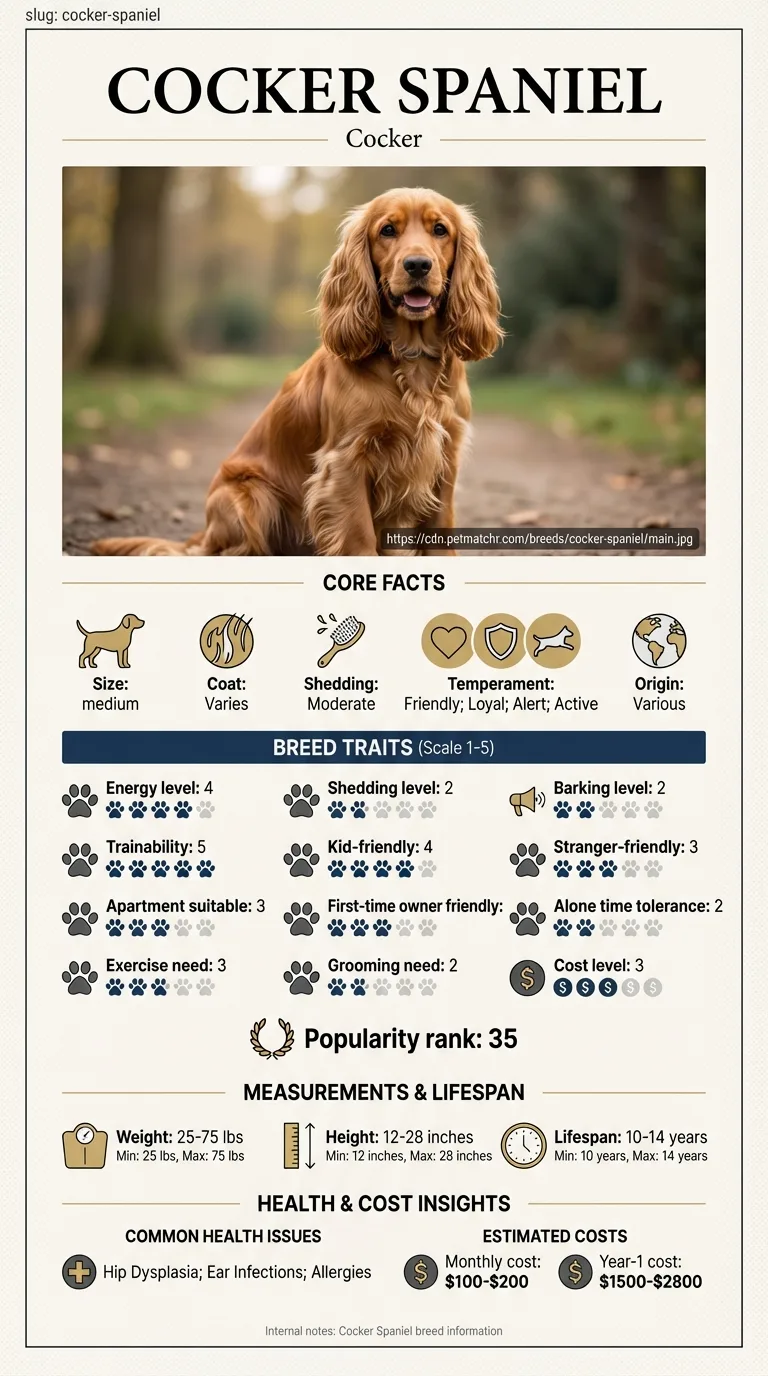
First-time Cocker Spaniel owners, busy families, and anyone living in warmer climates may find this issue particularly challenging. If your Cocker seems hesitant during walks or plays less than expected, you are not alone in facing this concern.
This guide is not medical advice. If your dog shows pain, sudden behavior change, or worsening symptoms, consult a licensed veterinarian.
Some links may be affiliate links. We may earn a commission at no extra cost to you. We only suggest products we believe are helpful for dog owners.
We research and check what we publish, but we do not warrant that any figure, date, price, or statement is accurate, complete, or current, and we accept no liability for any loss, cost, injury, or other harm arising from the use of this site. Use it as one reference among several. You remain responsible for your own decisions and for your dog's care - confirm anything that matters with a licensed veterinarian or another qualified professional before you act on it. Full disclaimer.
Check this first
It's crucial to recognize the signs of serious exercise intolerance in your Cocker Spaniel. If you notice any of the following red flags, call your vet immediately. These include persistent vomiting, difficulty breathing, extreme lethargy, or signs of distress such as whining or trembling. These symptoms can indicate a serious underlying issue that requires urgent attention.
On the other hand, mild cases of exercise intolerance might not require immediate vet visits. If your Cocker shows slight fatigue after moderate exercise or seems to struggle a bit but recovers quickly, it’s worth monitoring at home. You can create a plan to gradually increase their activity level while keeping a close eye on their condition.
Remember to allow for rest periods during exercise. If your dog enjoys playtime but shows signs of fatigue, it might be time to adjust their routine. Keep in mind that every dog is different. If you’re ever unsure about your Cocker Spaniel’s health, it’s always best to consult with your veterinarian for guidance.
If any of these apply, call your vet or an emergency clinic now. The rest of this page is for the cases that are not an emergency.
Cocker Spaniel exercise intolerance can manifest as a reluctance to engage in physical activities or a noticeable fatigue after short bursts of play. Owners may find their Cocker becomes easily winded or overheated, impacting their ability to enjoy daily walks or playtime. This issue can be particularly concerning because Cocker Spaniels are generally active dogs that enjoy exercise.
Exercise intolerance is a common issue among Cocker Spaniels, especially as they age or if they are not acclimated to regular exercise. Many owners report noticing this problem, particularly during warmer months or after periods of inactivity.
Cocker Spaniels, while generally active and friendly, can be prone to exercise intolerance due to their medium size and energy levels. Factors like hip dysplasia or other inherited conditions may make exercise more challenging for them. Additionally, their ear structure can lead to discomfort during prolonged activity, which may cause them to tire quickly.
Environmental factors also play a significant role in exercise intolerance. For instance, hot or humid weather can exacerbate their tendency to overheat. A lack of proper outdoor space or safe areas to run can lead to insufficient exercise, making them less accustomed to physical activity, which may result in fatigue.
If you notice persistent signs of fatigue, difficulty breathing, or excessive panting, it’s essential to talk to your vet. They can rule out underlying health issues that might be contributing to your Cocker Spaniel's exercise intolerance, such as hip dysplasia or other medical conditions.
Avoiding these common mistakes can help your Cocker Spaniel manage exercise intolerance more effectively.
Start here: Cocker Spaniel Most Common Genetic Disorders: Screening
See all Cocker Spaniel health problems, which breeds are prone to exercise intolerance, or the full Cocker Spaniel breed guide for temperament, exercise needs and ownership costs.
With consistent care and adjustments, you can see improvements in your Cocker Spaniel's exercise tolerance within 2 to 3 months.
Success means your Cocker can engage in moderate exercise without signs of distress, such as excessive panting or reluctance to continue.
Emma, a first-time dog owner, noticed that her Cocker Spaniel, Max, struggled during walks. He would become easily fatigued, panting heavily after just a few blocks. Concerned, Emma consulted her vet, who ruled out any serious health issues but suggested a gradual approach to building Max's stamina. Emma started with short 10-minute walks, slowly increasing the distance as Max adjusted. She also made sure to keep walks during cooler hours and to allow rest breaks. Over several weeks, Max became more energetic and could enjoy longer walks without distress. Emma's patience paid off, and Max now happily keeps up with his playful nature.
Key takeaway: Start slowly and be patient; with time and consistent training, your Cocker Spaniel can overcome exercise intolerance.
Cocker Spaniel exercise intolerance can be caused by several factors including age, heat sensitivity, and underlying health issues. Older dogs may tire more quickly, while younger ones might overexert themselves. Always consult your vet to rule out serious medical conditions.
To manage Cocker Spaniel exercise intolerance, adjust the duration and intensity of exercise sessions. Short, frequent walks in cooler weather can be beneficial. Gradually increase activity levels and monitor your dog closely for signs of fatigue.
Signs of exercise intolerance in Cocker Spaniels include excessive panting, lethargy, or reluctance to continue walking. If your Cocker seems unusually tired or struggles to keep up, it may be time to reassess their activity level.
Yes, you can train your Cocker Spaniel to increase their exercise tolerance gradually. Start with short, low-impact activities, and slowly build up the duration and intensity. Always keep an eye on their energy levels to avoid overdoing it.
Common health issues like hip dysplasia and allergies can contribute to exercise intolerance in Cocker Spaniels. Regular vet check-ups are important to identify any underlying conditions that may affect their ability to exercise.
Yes, exercise intolerance can be linked to health problems like hip dysplasia or heart conditions. If your Cocker Spaniel consistently shows signs of exhaustion, consult your vet to rule out any underlying issues.
For older Cocker Spaniels, it's important to adjust their exercise routine. Opt for shorter, more frequent walks and incorporate gentle play to keep them active without overexertion.
Yes, Cocker Spaniels can be particularly sensitive to heat. During hot weather, limit exercise to cooler times of the day and ensure they have plenty of water to stay hydrated.
If your Cocker Spaniel shows persistent signs of exercise intolerance, it's best to consult a vet. Early intervention can help address potential health issues before they become serious.
Start with short walks and gradually increase the time. Always choose cooler times of the day for exercise. Keep an eye on their breathing and energy levels.
Signs of overheating include excessive panting, drooling, and a bright red tongue. If you notice these, provide water and a cool place immediately.
Aim for 30 minutes of moderate exercise daily, split into shorter sessions. Activities like walking or gentle fetch can be ideal.
Costs can vary, but expect to spend on vet visits and possibly specialized foods or supplements. Budget around $100-$200 monthly for ongoing care.
Yes, training aids like harnesses can help manage exercise safely. They provide support and control, making walks easier for your Cocker.
A one-page prep sheet for this condition: the signs, the questions to ask, what to get priced. Unlocks here.
You get: Vet visit prep sheet
No spam. One-click unsubscribe. See our privacy policy.
Preview page 1 before you decide.