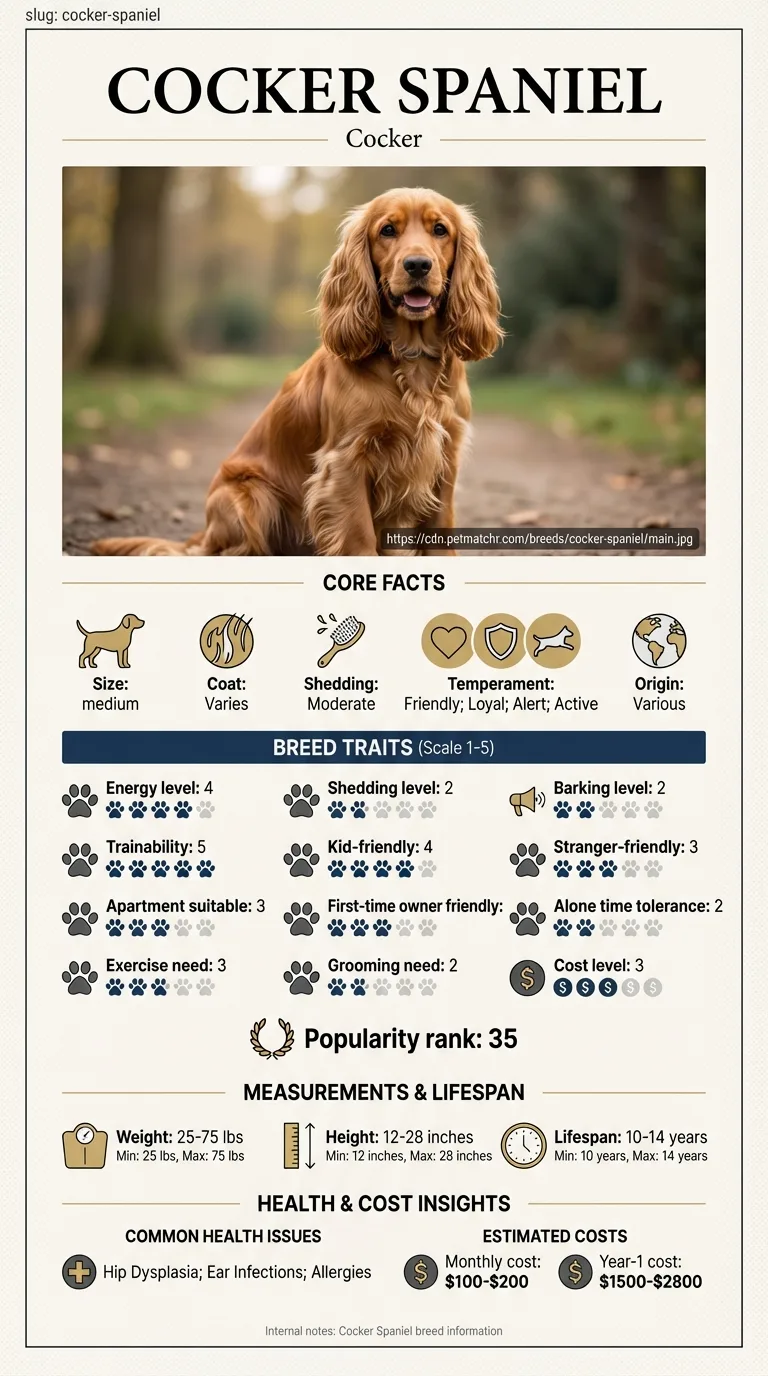
Cocker Spaniel elongated soft palate can lead to breathing difficulties and discomfort for your dog. It's crucial to understand this condition to help your furry friend breathe easier.
Owners of Cocker Spaniels, especially those noticing breathing issues or snoring, often face this challenge. First-time dog owners may feel overwhelmed trying to navigate the health concerns related to their pet's elongated soft palate.
Important reminder
This guide is not medical advice. If your dog shows pain, sudden behavior change, or worsening symptoms, consult a licensed veterinarian.
Some links may be affiliate links. We may earn a commission at no extra cost to you. We only suggest products we believe are helpful for dog owners.
What this problem looks like
Cocker Spaniel elongated soft palate is a common issue that affects their breathing. This condition occurs when the soft palate is longer than normal, leading to airway obstruction. Daily life may involve your Cocker struggling for breath, especially during exercise or when excited.
Common triggers
Physical activity or excitement
Hot weather
Obesity or weight gain
This problem is fairly common in Cocker Spaniels, particularly in individuals that are overweight or have other respiratory issues. Many owners may notice symptoms, but not all cases are severe.
Why this happens
Breed factors
Cocker Spaniels often inherit physical traits that can lead to an elongated soft palate. This breed has a shorter muzzle, which can create breathing issues. It's a common anatomical concern among breeds with similar facial structures.
Environment factors
Environmental factors can also contribute to the problem. Allergens, stress, and obesity can exacerbate breathing difficulties. Additionally, a lack of exercise can lead to weight gain, which puts further strain on their airway.
What you can try
At-home strategies
Maintain a healthy weight by feeding your Cocker Spaniel a balanced diet and ensuring regular exercise.
Keep your home free of allergens such as dust and pollen, using air purifiers if necessary.
Practice controlled breathing exercises with your dog to help them relax and manage stress.
Consider training techniques that encourage calm behavior, especially in stressful environments.
When to consider a trainer
If your Cocker Spaniel exhibits severe anxiety or behavioral issues related to breathing, a professional trainer can provide specialized guidance. They can help you develop training strategies tailored to your dog's needs.
When to talk to your vet
Consult your vet if your Cocker Spaniel shows signs of serious breathing difficulties, such as wheezing or excessive panting. It's also important to discuss any weight concerns or if you notice changes in their exercise tolerance.
Realistic expectations
It may take several weeks to months to see significant improvement, depending on the severity of the Cocker Spaniel's elongated soft palate.
Success looks like your dog breathing more easily, showing less distress during exercise, and having fewer episodes of coughing or gagging.
Mistakes that make this worse
Addressing a Cocker Spaniel's elongated soft palate can be challenging. Here are common mistakes to avoid that can worsen the situation.
Ignoring signs of distress: Many owners overlook coughing or labored breathing as normal behaviors. It's vital to recognize these signs as potential issues and consult your vet promptly.
Overexerting your dog: Some owners may push their Cocker Spaniel to exercise hard, even when they show signs of fatigue. Instead, provide frequent breaks and tailor exercise to their comfort level.
Using harsh training methods: Negative reinforcement can create stress and exacerbate breathing problems. Focus on positive reinforcement techniques to encourage good behavior without added pressure.
Allowing obesity to develop: Extra weight can strain your Cocker Spaniel's breathing. Monitor their diet and ensure they maintain a healthy weight through balanced meals and regular exercise.
Neglecting regular vet check-ups: Skipping vet visits can lead to unnoticed complications. Schedule regular check-ups to keep track of your dog's health and manage any issues early.
Not providing a calm environment: A noisy, chaotic home may heighten anxiety and breathing issues. Create a peaceful space where your dog can relax and feel secure.
Ignoring hydration: Dehydration can worsen breathing problems. Always have fresh water available and encourage your dog to drink, especially during hot weather.
When Cocker Spaniel Elongated Soft Palate is an Emergency
Recognizing when your Cocker Spaniel's elongated soft palate becomes an emergency is critical. If your dog shows signs of severe breathing difficulties, such as gasping for air, blue-tinged gums, or excessive panting, you need to call your vet immediately. These are red-flag signs that indicate a potentially life-threatening airway obstruction.
Other emergency symptoms include persistent coughing, gagging, or choking sounds, especially during eating or drinking. If your dog seems lethargic or collapses, don’t hesitate; urgent veterinary care is essential. These situations require immediate intervention to ensure your furry friend’s safety.
On the other hand, mild cases of elongated soft palate can often be monitored at home. If your Cocker Spaniel occasionally coughs or seems slightly less energetic but still eats and drinks normally, you can watch and wait. It’s important to keep track of these symptoms and have a plan in place. Regular check-ups with your vet can help manage the condition effectively, allowing you to address any worsening signs promptly.

Understanding Cocker Spaniel Elongated Soft Palate - When Cocker Spaniel Elongated Soft Palate is an Emergency
Emma's Journey with Max
Emma, a first-time Cocker Spaniel owner, noticed that her dog Max often struggled to breathe, especially during playtime. After consulting with her vet, she learned about Cocker Spaniel elongated soft palate and the importance of managing it. Emma started training Max with short, controlled exercise sessions and focused on keeping him calm during high-energy moments. She also explored products designed for easy breathing, like a specially designed harness. Over a few months, Max's breathing improved significantly, allowing him to enjoy walks without distress.
Key takeaway: Patience and consistent training can greatly enhance a Cocker Spaniel's quality of life when dealing with elongated soft palate issues.
Frequently asked questions
Why does my Cocker Spaniel have an elongated soft palate?
An elongated soft palate in Cocker Spaniels can occur due to genetics. This condition can cause airway obstruction, leading to breathing difficulties. If you notice issues like snoring or labored breathing, it's important to consult your vet.
How can I stop my Cocker Spaniel's elongated soft palate problems?
To manage your Cocker Spaniel's elongated soft palate, start by maintaining a healthy weight. Keeping them at an ideal weight reduces pressure on their airways. Regular vet check-ups can help monitor their condition and recommend treatments if necessary.
What training techniques can help with Cocker Spaniel elongated soft palate?
Training your Cocker Spaniel to stay calm during stressful situations can improve their breathing. Practice positive reinforcement techniques to reward calm behavior. Avoiding extreme temperatures and stressful environments can also help.
When should I seek veterinary help for my Cocker Spaniel's breathing issues?
If your Cocker Spaniel shows signs of distress, like excessive panting or difficulty breathing, contact your vet immediately. Early intervention can prevent more serious health issues. Regular check-ups are essential for managing ongoing conditions.
Are there surgical options for an elongated soft palate in Cocker Spaniels?
Yes, surgery can be an option for severe cases of elongated soft palate. A veterinarian can assess your dog's specific situation and recommend the best course of action. Surgery may improve their quality of life significantly.
What causes elongated soft palate in Cocker Spaniels?
Elongated soft palate in Cocker Spaniels often occurs due to their unique anatomy. It can lead to airway obstruction, making breathing difficult, especially during exercise or in hot weather. Genetics also play a significant role in this condition.
How can I help my older Cocker Spaniel with an elongated soft palate?
For older Cocker Spaniels, it's essential to provide a calm environment and avoid strenuous activities that can exacerbate breathing issues. Regular vet visits are critical to monitor their condition and adjust care as needed. Weight management is also vital to reduce stress on their respiratory system.
When should I take my Cocker Spaniel to the vet for breathing problems?
If your Cocker Spaniel shows signs of severe labored breathing, excessive panting, or coughing, it's time to see the vet. Also, if your dog appears lethargic or has difficulty eating, these may be indicators of a more serious issue that needs professional attention.
Are there specific training methods to help a Cocker Spaniel with an elongated soft palate?
Yes, training methods that promote calmness and reduce anxiety can be beneficial. Focus on positive reinforcement techniques, such as rewards for quiet behavior, to help your Cocker Spaniel feel more at ease. Consulting a professional trainer experienced with breathing issues can also provide tailored strategies.
Can surgery fix an elongated soft palate in Cocker Spaniels?
Surgery may be an option for Cocker Spaniels with severe elongated soft palate issues. This procedure can help open the airway and improve breathing. However, it's essential to discuss the risks and benefits with your vet to determine the best course of action for your dog.
What are quick tips for managing Cocker Spaniel elongated soft palate?
Keep your Cocker Spaniel at a healthy weight and avoid strenuous activities on hot days. Regular vet visits are crucial for monitoring their condition. Use a harness instead of a collar to reduce throat pressure.
Health
How can I identify signs of an elongated soft palate in my Cocker Spaniel?
Look for signs like snoring, coughing, or labored breathing. If your dog struggles during exercise or shows fatigue, it may indicate airway issues. Always consult a vet for a proper diagnosis.
Training
What training is effective for Cocker Spaniels with breathing issues?
Focus on calm training techniques, rewarding your dog for being relaxed. Gradual desensitization to stressors can help them cope better. Consistent training will improve their overall behavior.
Related DogBreedCompass guides
Cocker Spaniel behavior problems – Learn about the common issues that Cocker Spaniels face, including how to manage them effectively.
Cocker Spaniel separation anxiety guide – Understand how to address separation anxiety in Cocker Spaniels, which can affect their wellbeing.
Cocker Spaniel cost breakdown – Explore the costs associated with owning a Cocker Spaniel, from initial expenses to ongoing care.