Health
What are quick tips for managing Cocker Spaniel cataracts?
Ensure regular vet check-ups and a balanced diet to support eye health. Keep your Cocker Spaniel's environment safe to prevent injury while they navigate vision changes.

Quick answer
What are quick tips for managing Cocker Spaniel cataracts?
Ensure regular vet check-ups and a balanced diet to support eye health. Keep your Cocker Spaniel's environment safe to prevent injury while they navigate vision changes.
Cocker Spaniel cataracts can cloud your dog's vision, impacting their quality of life.
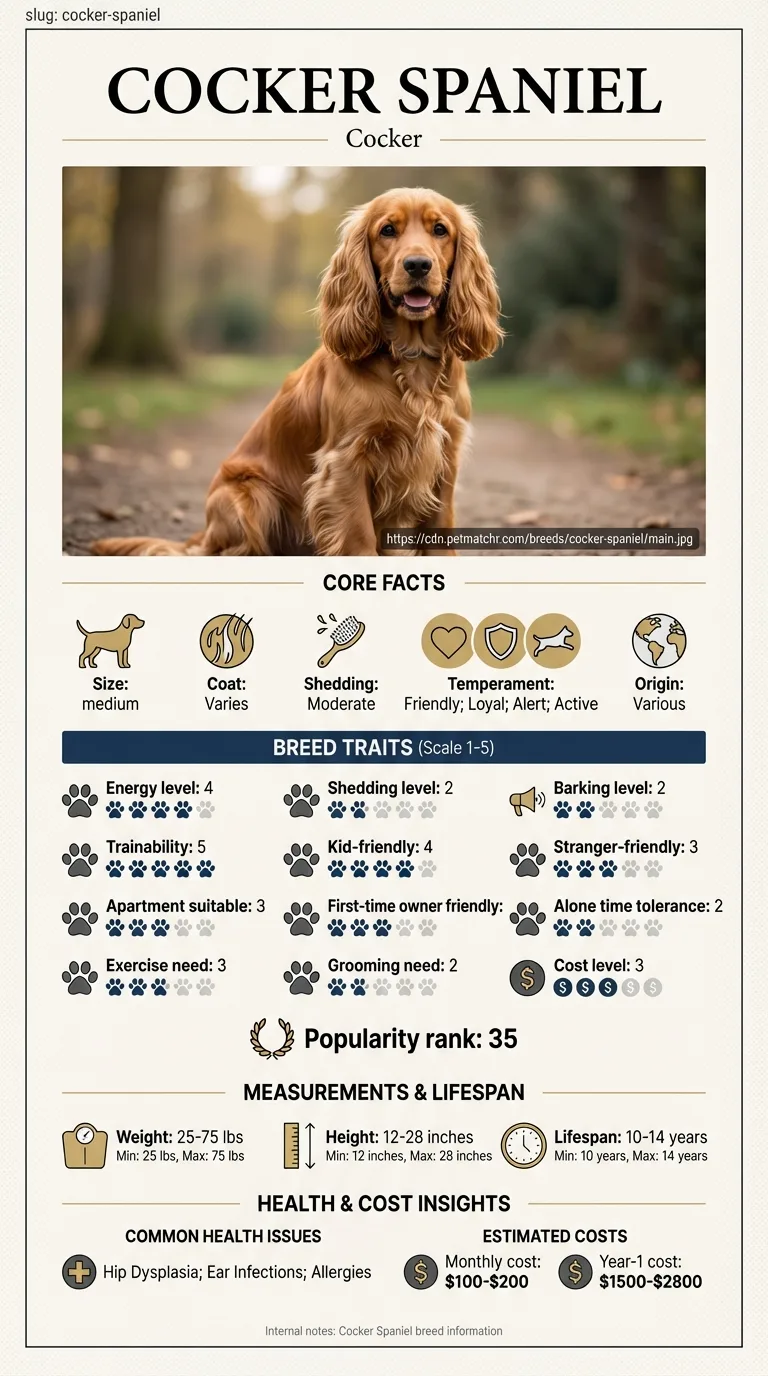
Owners of Cocker Spaniels, especially those who notice their dog bumping into objects or struggling to see in bright light, often face this challenge. First-time dog owners may feel overwhelmed by the diagnosis and unsure of the next steps.
This guide is not medical advice. If your dog shows pain, sudden behavior change, or worsening symptoms, consult a licensed veterinarian.
Some links may be affiliate links. We may earn a commission at no extra cost to you. We only suggest products we believe are helpful for dog owners.
We research and check what we publish, but we do not warrant that any figure, date, price, or statement is accurate, complete, or current, and we accept no liability for any loss, cost, injury, or other harm arising from the use of this site. Use it as one reference among several. You remain responsible for your own decisions and for your dog's care - confirm anything that matters with a licensed veterinarian or another qualified professional before you act on it. Full disclaimer.
Check this first
Cocker Spaniel cataracts can be a serious issue. Recognizing when it’s an emergency versus a situation you can monitor is crucial. If you notice any of the following red-flag signs, call your vet immediately.
If any of these apply, call your vet or an emergency clinic now. The rest of this page is for the cases that are not an emergency.
Cocker Spaniel cataracts commonly present as cloudiness in the eye lens, which can lead to vision impairment. Day-to-day, you might notice your Cocker struggling to navigate familiar spaces or bumping into objects. This can be particularly concerning as their behavior changes; they may appear more anxious or hesitant in new environments.
Cocker Spaniel cataracts are relatively common, especially in older dogs. Many Cocker owners report noticing signs of cataracts by the age of 8 or 9. While not all Cocker Spaniels will develop them, it's a significant health concern for this breed.
Cocker Spaniels are prone to cataracts due to their genetics. This medium-sized breed often inherits a tendency for eye issues, making them more susceptible to cataract formation as they age. Their friendly and loyal nature can sometimes mask discomfort, leading to unnoticed symptoms.
Environmental factors can also contribute to cataracts in Cocker Spaniels. Poor nutrition, exposure to harmful UV rays, and underlying health conditions like diabetes can increase the risk. Additionally, a lack of regular veterinary check-ups may delay the detection of early cataract symptoms.
It's important to consult your vet if you notice any changes in your Cocker's vision or behavior. Early intervention can help manage cataracts effectively. If your dog is squinting, showing reluctance to move, or has cloudy eyes, schedule a vet visit as soon as possible.
Avoiding these common mistakes can help manage Cocker Spaniel cataracts effectively. Here are some behaviors to steer clear of, along with safer alternatives.
Start here: Cocker Spaniel Most Common Genetic Disorders: Screening
See all Cocker Spaniel health problems, which breeds are prone to cataracts, or the full Cocker Spaniel breed guide for temperament, exercise needs and ownership costs.
You can expect to see positive changes within a few weeks to a few months with consistent care and follow-up with your vet.
Success means your Cocker Spaniel will have improved vision and comfort, allowing them to navigate their environment more easily.
In less severe cases, you can monitor your Cocker Spaniel’s cataracts at home. Look for symptoms that are stable and not causing significant distress. If your dog is still able to navigate their environment and shows no signs of pain or discomfort, you can create a watchful waiting plan.

Sarah, a busy nurse in Seattle, noticed her Cocker Spaniel, Max, was bumping into furniture and struggling to find his favorite toys. Concerned, she took him to the vet, where they diagnosed him with cataracts. Sarah learned that while surgery might be necessary later, she could start with simple adjustments like keeping the home well-lit and using commands to guide Max. With a consistent routine of training and care, Max gradually became more confident. Over time, he adapted to his limited vision, and their bond grew stronger as they navigated this challenge together.
Key takeaway: With patience and proactive adjustments, you can help your Cocker Spaniel live a fulfilling life, even with cataracts.
Cocker Spaniel cataracts can occur due to genetics, aging, or underlying health issues. Regular vet check-ups are essential to catch these problems early. If you notice cloudy eyes or changes in vision, consult your vet promptly.
While you can't always prevent cataracts, maintaining a healthy diet and regular veterinary care can reduce the risk. Protect your Cocker's eyes from sun exposure and ensure they stay hydrated. Early intervention is key, so keep an eye on their vision.
Treatment for Cocker Spaniel cataracts typically involves surgery to remove the cloudy lens. Your vet will guide you through this process. Post-surgery care is crucial, including follow-up appointments and possibly medication for recovery.
Yes, Cocker Spaniels are relatively prone to cataracts compared to other breeds. Their genetics and common health issues like diabetes can increase the likelihood. Regular screenings can help manage and treat any developing issues.
Look for signs like cloudy or blue-tinged eyes, difficulty seeing in low light, or changes in behavior like bumping into objects. If you notice any of these symptoms, it's important to consult your vet for a proper diagnosis.
Yes, cataracts in older Cocker Spaniels can often be treated with surgery. However, the decision should be based on the dog's overall health and the severity of the cataracts.
While not all cataracts can be prevented, maintaining a healthy diet and regular vet visits can help. Early intervention for any health issues may also reduce the risk of cataracts.
To help your Cocker Spaniel adjust, keep their environment consistent and free of obstacles. Using verbal cues and hand signals can also assist in guiding them safely.
Ensure regular vet check-ups and a balanced diet to support eye health. Keep your Cocker Spaniel's environment safe to prevent injury while they navigate vision changes.
Cataract surgery for a Cocker Spaniel can range from $2,500 to $4,000, depending on the vet and location. It's wise to check with your vet for a detailed estimate.
Training can assist in helping your Cocker navigate their environment safely. Use positive reinforcement to help them adapt to any vision challenges.
A one-page prep sheet for this condition: the signs, the questions to ask, what to get priced. Unlocks here.
You get: Vet visit prep sheet
No spam. One-click unsubscribe. See our privacy policy.
Preview page 1 before you decide.