Behavior
What are quick tips for Cavalier King Charles Spaniel heat sensitivity?
Always provide fresh water and shade, limit exercise during hot days, and watch for signs of overheating.
Cavalier King Charles Spaniel heat sensitivity can be a serious concern for owners. These loving dogs are at risk of heat-related health issues.
Many Cavalier owners, especially those in warmer climates, find themselves worried about their dog's comfort and safety during hot days. First-time dog owners may feel particularly stressed about recognizing the signs of heat sensitivity.
This guide is not medical advice. If your dog shows pain, sudden behavior change, or worsening symptoms, consult a licensed veterinarian.
Some links may be affiliate links. We may earn a commission at no extra cost to you. We only suggest products we believe are helpful for dog owners.
Cavalier King Charles Spaniels are lovely companions, but they can struggle with heat sensitivity. Day-to-day, this might look like excessive panting, lethargy, or even refusal to play when temperatures rise. Their small size and moderate energy levels make them particularly vulnerable to overheating, especially in warm climates or during the summer months.
Heat sensitivity is quite common among Cavalier King Charles Spaniels. Many owners notice their pets struggling during hot days, making it vital to keep an eye on them to prevent heat-related illnesses.
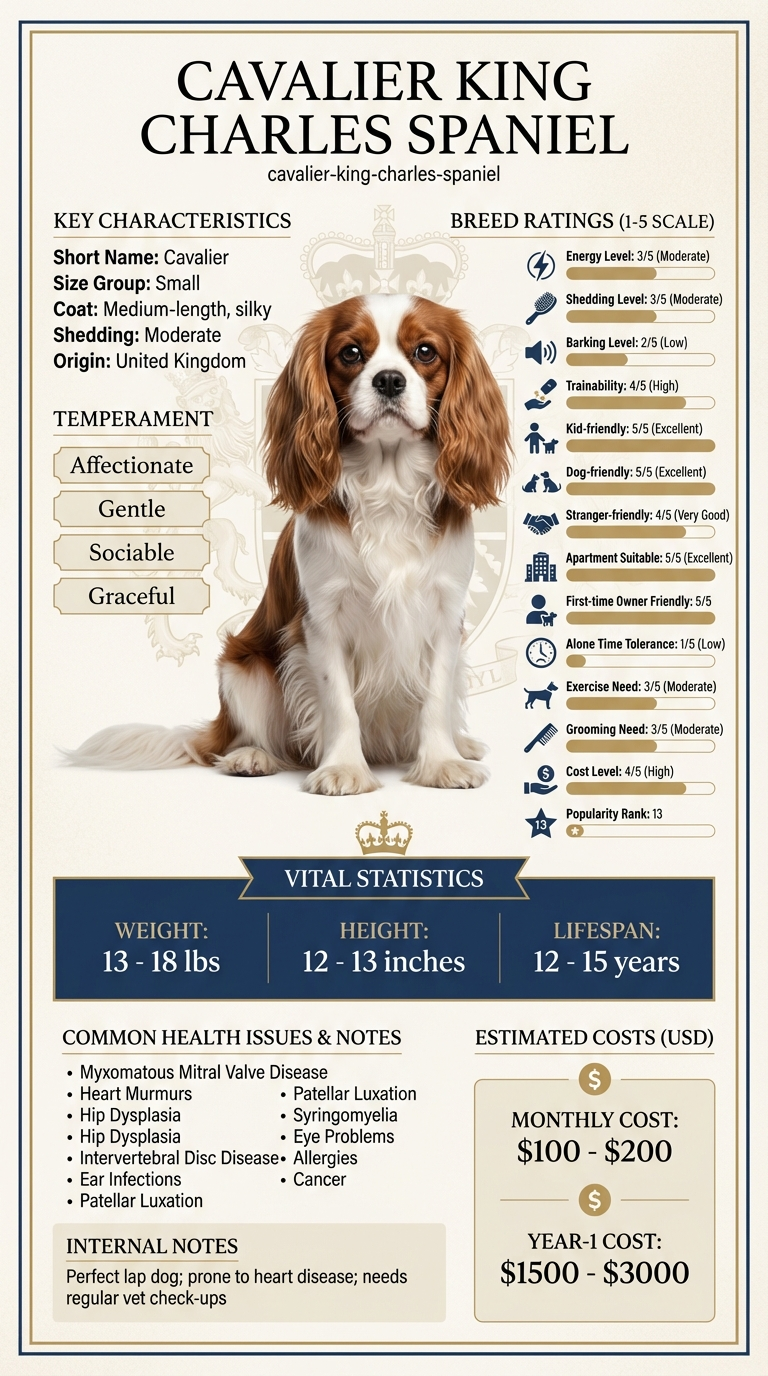
Cavalier King Charles Spaniels are small dogs with moderate energy levels. Their compact size and silky coat can make them more susceptible to overheating. Additionally, some individual dogs may have a genetic predisposition to heat sensitivity.
Heat sensitivity can also be influenced by environmental factors. High temperatures, humidity, and lack of shade can exacerbate the risk of overheating. Stressful situations, like crowded places or loud noises, can also make them more vulnerable to heat-related issues.
If your Cavalier shows persistent anxiety or fear during hot weather, a trainer can help with behavior modification techniques. Look for someone experienced with small breeds and anxiety issues.
If your dog experiences severe heat sensitivity symptoms like vomiting, collapse, or excessive drooling, contact your vet right away. Regular check-ups can also help manage underlying health conditions that may contribute to their sensitivity.
You can expect to see improvements in your Cavalier King Charles Spaniel's heat sensitivity within 4 to 6 weeks of consistent training and care.
Success means your Cavalier can enjoy outdoor activities comfortably during moderate temperatures and shows fewer signs of distress in warm weather.
Avoiding certain mistakes can help manage your Cavalier King Charles Spaniel's heat sensitivity effectively. Here are some common errors to steer clear of, along with safer alternatives.
If your Cavalier shows any of the following red-flag signs, it’s time to call your vet immediately:
- Extreme panting or difficulty breathing - Excessive drooling or drooling that suddenly increases - Confusion or disorientation - Vomiting or diarrhea - Weakness or collapse - Body temperature over 104°F (40°C)
In these situations, your dog may be experiencing heatstroke, which can be life-threatening. On the other hand, if your Cavalier exhibits mild heat sensitivity, you can monitor them at home. Look for signs such as:
- Slight panting or restlessness - A little drooling without other symptoms - Mild lethargy but still responsive
In these cases, provide plenty of water and keep your dog in a cool, shaded area. If symptoms worsen or persist for more than an hour, it’s best to consult your vet for guidance. Always remember, it’s better to err on the side of caution. Keeping your Cavalier cool is essential to their health, so pay attention to their behavior during hot weather.
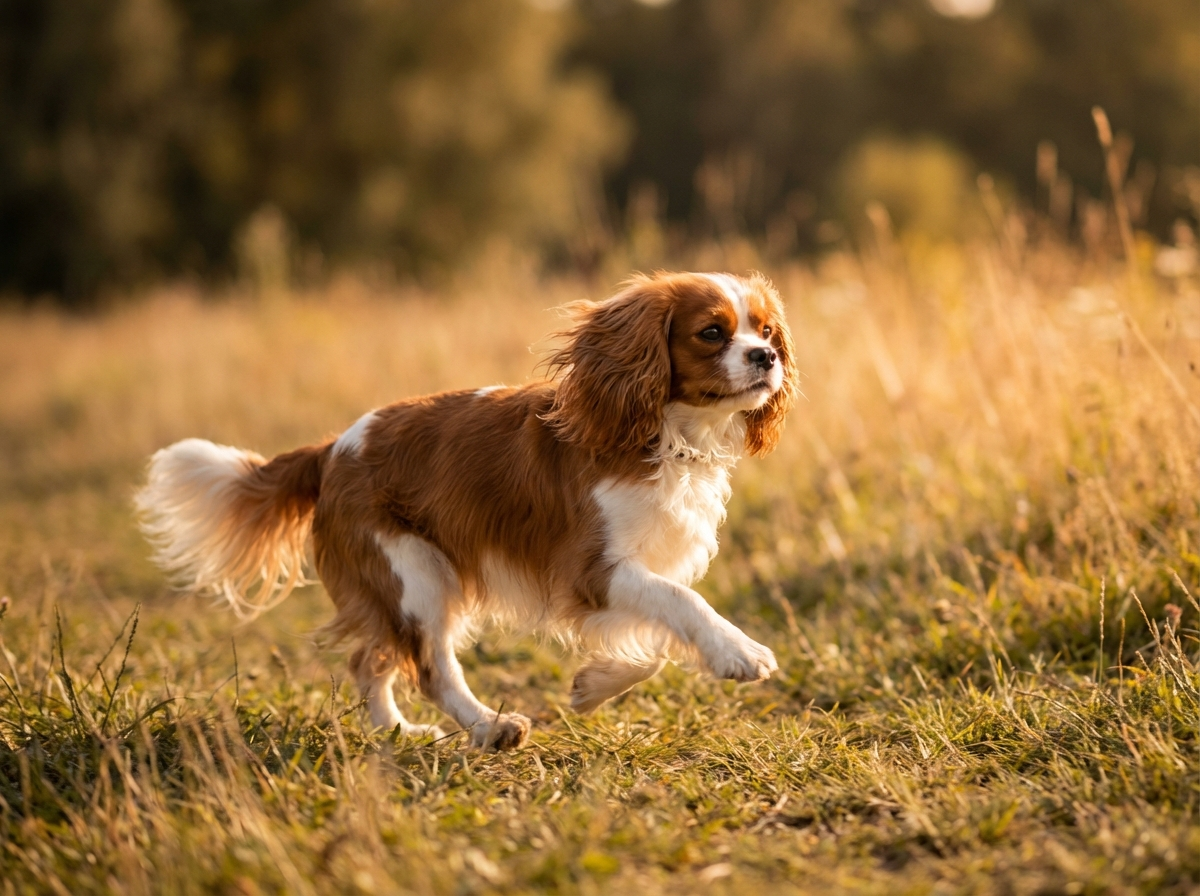
When Sarah adopted Max, her Cavalier King Charles Spaniel, she quickly noticed his struggle with heat sensitivity. During their first summer together, Max often refused to go outside, panting heavily even in mild temperatures. Sarah learned about the importance of acclimatizing Max to heat and started training him gradually. She introduced short, shaded walks and provided plenty of fresh water. Over the summer, Max became more comfortable outdoors, enjoying his walks and even playing in the yard. They ended the season with a fun trip to the park, where Max was happily running around with other dogs.
Key takeaway: With patience and gradual exposure, you can help your Cavalier King Charles Spaniel manage heat sensitivity effectively.
Cavalier King Charles Spaniels are small dogs with a medium-length coat, which can make them more susceptible to heat. Their short muzzles can also hinder their ability to cool down effectively. It's important to monitor their behavior during hot weather and take precautionary measures.
To help your Cavalier manage heat sensitivity, ensure they have access to cool, shaded areas and plenty of fresh water. Limit outdoor activities during peak heat hours, and consider using cooling vests or mats designed for dogs.
Signs of heatstroke include excessive panting, drooling, weakness, and lethargy. If your Cavalier shows these symptoms, move them to a cooler place and provide water immediately. Seek veterinary assistance if symptoms persist.
While they can tolerate mild temperatures, prolonged exposure to heat can be dangerous. It's best to keep them indoors during hot days and engage in early morning or evening walks when it's cooler.
Preventing heat sensitivity involves managing their environment and habits. Provide plenty of water, avoid strenuous exercise in heat, and be aware of their body language to prevent overheating.
Yes, heat sensitivity is relatively common in this breed due to their physical characteristics. Awareness and proactive measures can help keep them safe during warmer months.
During summer, keep your Cavalier hydrated, limit outdoor time during heat, and provide shade. Consider using doggy pools or misters for added cooling during playtime.
If your Cavalier is panting heavily, drooling excessively, or seems lethargic, these could be signs of overheating. You may also notice excessive thirst or difficulty breathing. It's crucial to cool them down immediately to prevent heatstroke.
To help your Cavalier with heat sensitivity, provide plenty of water and shade when outdoors. Avoid walks during the hottest parts of the day and consider using cooling mats or vests. Training them to stay calm in cooler environments can also be beneficial.
Yes, older Cavaliers may be more susceptible to heat sensitivity due to health issues or decreased energy levels. Regular vet check-ups are essential to monitor their health, especially during warmer months.
If you suspect heatstroke, immediately move your dog to a cooler area and apply cool (not cold) water to their body. Offer them small amounts of water, and contact your veterinarian as soon as possible for further assistance.
While you can't change their natural sensitivity to heat, you can train your Cavalier to recognize and avoid heat exposure. Gradual acclimatization and positive reinforcement can help them learn to seek cooler areas or refuse to engage in play when it's too hot.
Always provide fresh water and shade, limit exercise during hot days, and watch for signs of overheating.
It's best to avoid walks during high heat; early morning or late evening walks are safer options.
Look for excessive panting, drooling, or lethargy as signs that your Cavalier is overheating.
Cooling vests, mats, and portable water bowls can help keep your Cavalier comfortable in hot weather.

