Behavior
What are quick tips for Cane Corso wobbler syndrome?
Monitor your dog's weight and avoid high-impact activities to reduce strain on their neck. Regular vet check-ups are essential for early detection and management.

Quick answer
What are quick tips for Cane Corso wobbler syndrome?
Monitor your dog's weight and avoid high-impact activities to reduce strain on their neck. Regular vet check-ups are essential for early detection and management.
Cane Corso wobbler syndrome is a serious health issue that affects this magnificent breed. It can cause instability and mobility challenges, impacting your dog's quality of life.
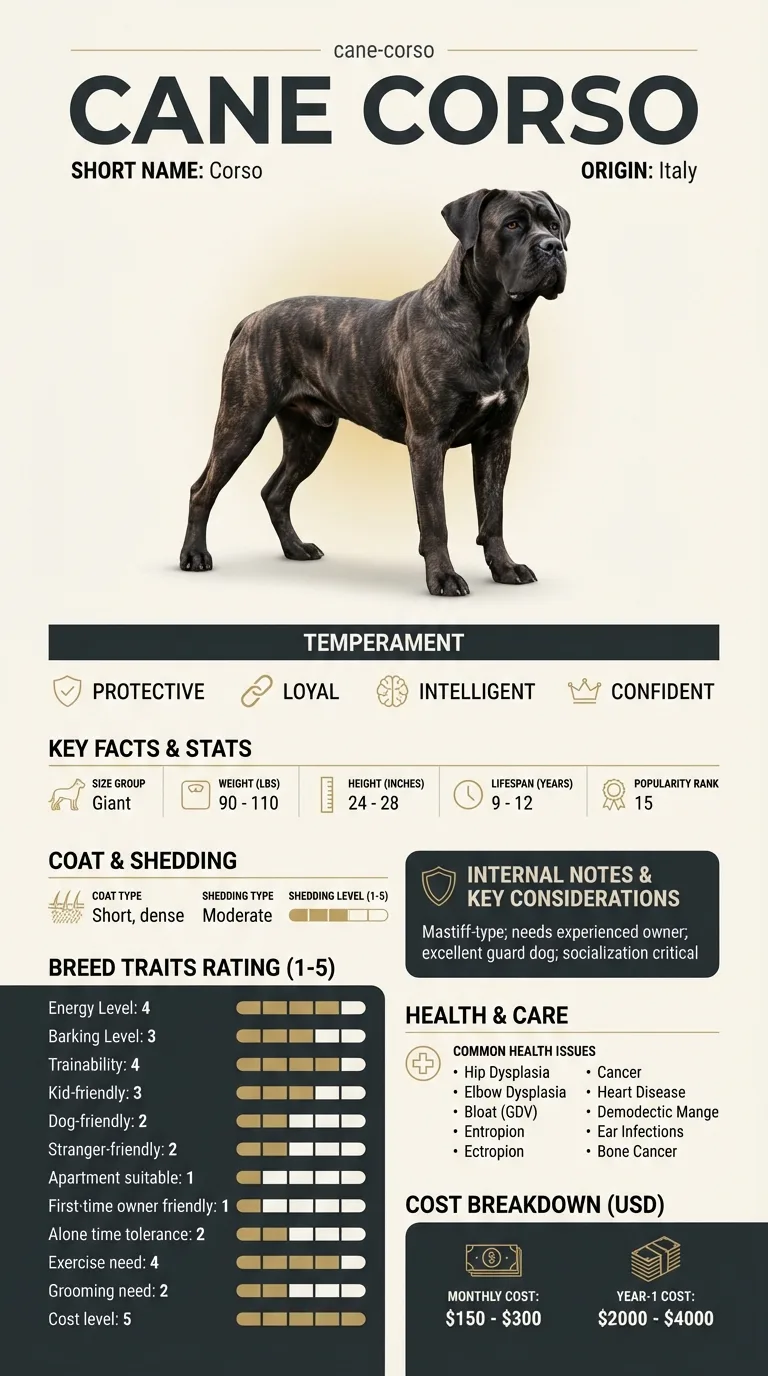
This problem often affects owners of Cane Corsos, especially those who may not be aware of the breed's specific health risks. First-time dog owners or busy families might find it challenging to identify and manage these symptoms effectively.
This guide is not medical advice. If your dog shows pain, sudden behavior change, or worsening symptoms, consult a licensed veterinarian.
Some links may be affiliate links. We may earn a commission at no extra cost to you. We only suggest products we believe are helpful for dog owners.
We research and check what we publish, but we do not warrant that any figure, date, price, or statement is accurate, complete, or current, and we accept no liability for any loss, cost, injury, or other harm arising from the use of this site. Use it as one reference among several. You remain responsible for your own decisions and for your dog's care - confirm anything that matters with a licensed veterinarian or another qualified professional before you act on it. Full disclaimer.
Check this first
Recognizing when Cane Corso wobbler syndrome becomes an emergency is crucial for your dog's health. If your dog exhibits severe symptoms like paralysis, inability to walk, or extreme pain, call your vet immediately. These signs indicate a serious condition that requires urgent care.
Mild cases may include wobbling or unsteady movements that can be monitored at home. In these situations, keep a close eye on your dog's behavior and consult your vet for a management plan. If your dog is still able to walk and play, it may be possible to wait and see how things progress, but don’t ignore any changes in their condition.
If any of these apply, call your vet or an emergency clinic now. The rest of this page is for the cases that are not an emergency.
Cane Corso wobbler syndrome is a neurological condition that affects the dog's ability to walk steadily. It often shows up as a wobbly gait, where your Corso may stumble or have difficulty running or jumping. This condition can be distressing for both the dog and the owner, as it impacts their mobility and quality of life.
Wobbler syndrome is relatively common in Cane Corsos, especially those with a family history of the condition. It's important to be vigilant, as early detection can help manage the symptoms effectively.
Cane Corso wobbler syndrome primarily affects large breeds, especially those with heavy builds. Their size can lead to cervical vertebral instability, which causes pressure on the spinal cord. This condition often develops due to genetic factors or developmental issues in the breed.
Environmental factors can also contribute to wobbler syndrome. Excessive weight or lack of proper exercise can strain a Cane Corso's neck and spine. Additionally, improper training techniques or rough play can exacerbate the condition.
If you notice persistent wobbling, difficulty walking, or signs of pain, it's crucial to consult your veterinarian. They may recommend imaging tests to assess the severity of the condition and suggest appropriate treatment options.
Avoiding common mistakes can help your Cane Corso with wobbler syndrome improve more effectively. Here are some pitfalls to steer clear of, along with safer alternatives.
Start here: Cane Corso Most Common Genetic Disorders: What to Screen For
See all Cane Corso health problems, which breeds are prone to wobbler syndrome, or the full Cane Corso breed guide for temperament, exercise needs and ownership costs.
It may take several weeks to months to see improvements in your Cane Corso's mobility and comfort. Consistent care and veterinary follow-up are essential during this period.
Success means your Cane Corso can move more freely without excessive wobbling, showing increased confidence and less discomfort. You'll also notice better coordination and a more active lifestyle.
Emily, a first-time dog owner, adopted Max, her Cane Corso, who soon showed signs of wobbler syndrome. At first, she was overwhelmed, unsure of how to help him. After consulting with her veterinarian and joining a local training group, she learned effective exercises to improve Max's balance and mobility. With patience and dedication, Emily noticed a significant difference in Max's ability to walk without wobbling. Over the months, his strength returned, and their bond deepened as they worked together to overcome this challenge.
Key takeaway: With the right support and training, even challenging conditions like Cane Corso wobbler syndrome can improve, showcasing the importance of patience and proactive care.
Cane Corso wobbler syndrome is often due to cervical vertebral instability, which can affect balance and coordination. Genetic factors, age, and certain injuries may contribute to this condition. If your dog shows signs of wobbling, it's crucial to consult your veterinarian for a proper diagnosis.
While you can't entirely prevent wobbler syndrome, you can manage it with proper care. Regular veterinary check-ups and maintaining a healthy weight can help reduce stress on the spine. Additionally, gentle exercises can strengthen your dog’s muscles and improve stability.
Treatment often includes a combination of rest, medication, and in severe cases, surgery. Consult your vet to discuss the most suitable options for your Cane Corso. Physical therapy may also be recommended to aid recovery.
Common symptoms include lack of coordination, difficulty walking, and a wobbly gait. If your Cane Corso is hesitant to move or shows signs of pain, it’s time to see a vet. Early intervention can significantly improve your dog’s quality of life.
Training can help improve your Cane Corso's confidence and coordination. Focus on low-impact exercises and use positive reinforcement to encourage gradual improvements. Always follow your vet’s recommendations for safe activities.
Early signs of Cane Corso wobbler syndrome can include wobbly gait, difficulty walking, and weakness in the hind legs. You might also notice your dog having trouble getting up or climbing stairs. If you see these symptoms, it's important to consult your veterinarian for an evaluation.
Yes, Cane Corso wobbler syndrome can worsen if not treated properly. As the condition progresses, your dog may experience increased pain, reduced mobility, and a greater risk of injury. Regular vet check-ups and timely intervention are crucial to manage the symptoms effectively.
Wobbler syndrome can have a hereditary component, especially in large breeds like the Cane Corso. Factors such as genetics, growth rate, and body structure can contribute to the development of this condition. Responsible breeding practices can help reduce the risk of passing it on to future generations.
A balanced diet is essential for managing Cane Corso wobbler syndrome. Proper nutrition can help maintain a healthy weight, which reduces stress on your dog's joints. Consult your vet for dietary recommendations that support your dog's overall health and mobility.
Surgery for Cane Corso wobbler syndrome may be considered if your dog is in severe pain or if conservative treatments aren't effective. Your vet will assess your dog's condition and mobility to determine if surgery is the best option. Early intervention can lead to better outcomes.
Monitor your dog's weight and avoid high-impact activities to reduce strain on their neck. Regular vet check-ups are essential for early detection and management.
Treatment costs can range from $500 to $7,000 depending on the severity and type of care required. Always discuss financial options with your veterinarian.
Provide a comfortable, supportive environment and follow your vet’s guidelines for activity and medication. Gentle physical therapy can also aid in recovery.
A one-page prep sheet for this condition: the signs, the questions to ask, what to get priced. Unlocks here.
You get: Vet visit prep sheet
No spam. One-click unsubscribe. See our privacy policy.
See a sample page before you decide.
Early access list
The free prep sheet covers the same-day warning signs, a symptom log and the questions to ask. We are considering a fuller kit that adds a cost worksheet for the usual tests and treatments (US price ranges with their sources) and a plain-English guide to ways of covering the bill. It is not built yet; this list tells us whether it is worth building.
One email, no spam, unsubscribe anytime. Information only, not veterinary advice.