DogBreedCompass
← Back to breed profile

Understanding Cane Corso Immune-Mediated Thyroiditis

Cane Corso immune-mediated thyroiditis is an autoimmune condition affecting the thyroid gland. This issue can lead to serious health problems if not managed properly.

Understanding Cane Corso Immune-Mediated Thyroiditis infographic

Typically, first-time Cane Corso owners or those unfamiliar with autoimmune diseases face challenges in recognizing and addressing this health issue. Additionally, busy families may struggle to provide the necessary medical care and attention required.

Important reminder

This guide is not medical advice. If your dog shows pain, sudden behavior change, or worsening symptoms, consult a licensed veterinarian.

Some links may be affiliate links. We may earn a commission at no extra cost to you. We only suggest products we believe are helpful for dog owners.

What this problem looks like

Cane Corso immune-mediated thyroiditis is an autoimmune disease affecting the thyroid gland. It can lead to symptoms like lethargy, weight gain, and a dull coat. Owners may notice their dogs becoming less active or having trouble maintaining a healthy weight.

Common triggers

  • Genetic predisposition
  • Stressful environments
  • Poor diet or nutrition

This condition is relatively common among Cane Corsos, particularly in middle-aged dogs. Owners should be aware that while not every Cane Corso will develop this issue, it is a significant health concern that can affect their overall quality of life.

Why this happens

Breed factors

Cane Corsos are large, powerful dogs that can be prone to specific health issues, including immune-mediated thyroiditis. This breed's genetics can predispose them to autoimmune diseases, impacting their thyroid function. As a result, they may experience fluctuations in energy and overall health.

Environment factors

Environmental factors can also contribute to immune-mediated thyroiditis in Cane Corsos. Stressful situations, poor diet, and exposure to toxins can affect their immune system. A lack of proper exercise and socialization may lead to increased anxiety, further complicating their health.

What you can try

At-home strategies

  • Maintain a balanced diet rich in nutrients. Consult with a vet to find the best food for your Cane Corso's specific needs.
  • Ensure regular exercise to keep their immune system healthy. Aim for daily walks and active playtime.
  • Create a calm environment. Minimize stressors by establishing a routine and providing a safe space for your Corso.
  • Monitor their behavior and energy levels closely. Keep track of any changes and be proactive in adjusting their care.

When to consider a trainer

If your Cane Corso shows signs of anxiety or behavioral issues related to their condition, consider hiring a professional trainer. Look for someone experienced with large breeds and health-related challenges. They can help you implement effective training techniques.

When to talk to your vet

If you notice severe weight loss, lethargy, or changes in appetite, it's crucial to talk to a vet. They can run tests to diagnose immune-mediated thyroiditis and recommend appropriate treatments. Regular check-ups are also essential to monitor any ongoing health concerns.

Realistic expectations

It typically takes 3 to 6 months to see significant improvement in your Cane Corso's condition with proper management.

Success means your dog shows improved energy levels, a healthier coat, and stable weight, indicating better thyroid function.

Mistakes that make this worse

Here are common mistakes that can worsen your Cane Corso's immune-mediated thyroiditis. Avoiding these can help improve your dog's health and well-being.

  • Ignoring symptoms: Failing to recognize signs like weight changes or lethargy can delay treatment. Early detection is crucial for managing this condition.
  • Inconsistent medication: Skipping doses or changing medications without vet guidance can lead to complications. Stick to the prescribed treatment plan and consult your vet for any adjustments.
  • Poor diet choices: Feeding low-quality food can negatively impact your dog's immune system. Choose a balanced diet specifically formulated for large breeds to support overall health.
  • Neglecting regular vet visits: Skipping check-ups can prevent timely adjustments to treatment. Schedule regular appointments to monitor your Cane Corso's thyroid levels.
  • Overexerting during exercise: Pushing your dog too hard can cause stress and fatigue. Opt for moderate, low-impact activities that suit their energy level and condition.
  • Lack of mental stimulation: Boredom can lead to anxiety and behavioral issues. Provide mental challenges through training games and interactive toys to keep their mind engaged.
  • Avoiding socialization: Isolating your Cane Corso can increase anxiety and worsen health issues. Gradually introduce them to new environments and social situations to promote confidence.

When Cane Corso Immune-Mediated Thyroiditis Is an Emergency

It's crucial to know when Cane Corso immune-mediated thyroiditis requires immediate veterinary attention. If your dog shows severe symptoms, such as sudden weight loss, excessive lethargy, or uncontrollable vomiting, these are red flags. Additionally, if they develop a swollen neck or exhibit signs of distress, such as difficulty breathing or swallowing, call your vet right away. These symptoms could indicate a significant health crisis that needs urgent care.

On the other hand, if your Cane Corso is experiencing mild symptoms, like slight fatigue or occasional changes in appetite, you may monitor them at home. Keep a detailed record of their food intake, energy levels, and any changes in behavior. It's wise to consult your vet about these observations, but they may not be indicative of an immediate emergency. Developing a plan with your veterinarian can help you understand what to watch for and when to escalate care.

Always trust your instincts as a responsible owner. If something doesn’t feel right, it’s better to err on the side of caution. Your Cane Corso's health is worth every call to the vet, especially when it comes to conditions like immune-mediated thyroiditis.

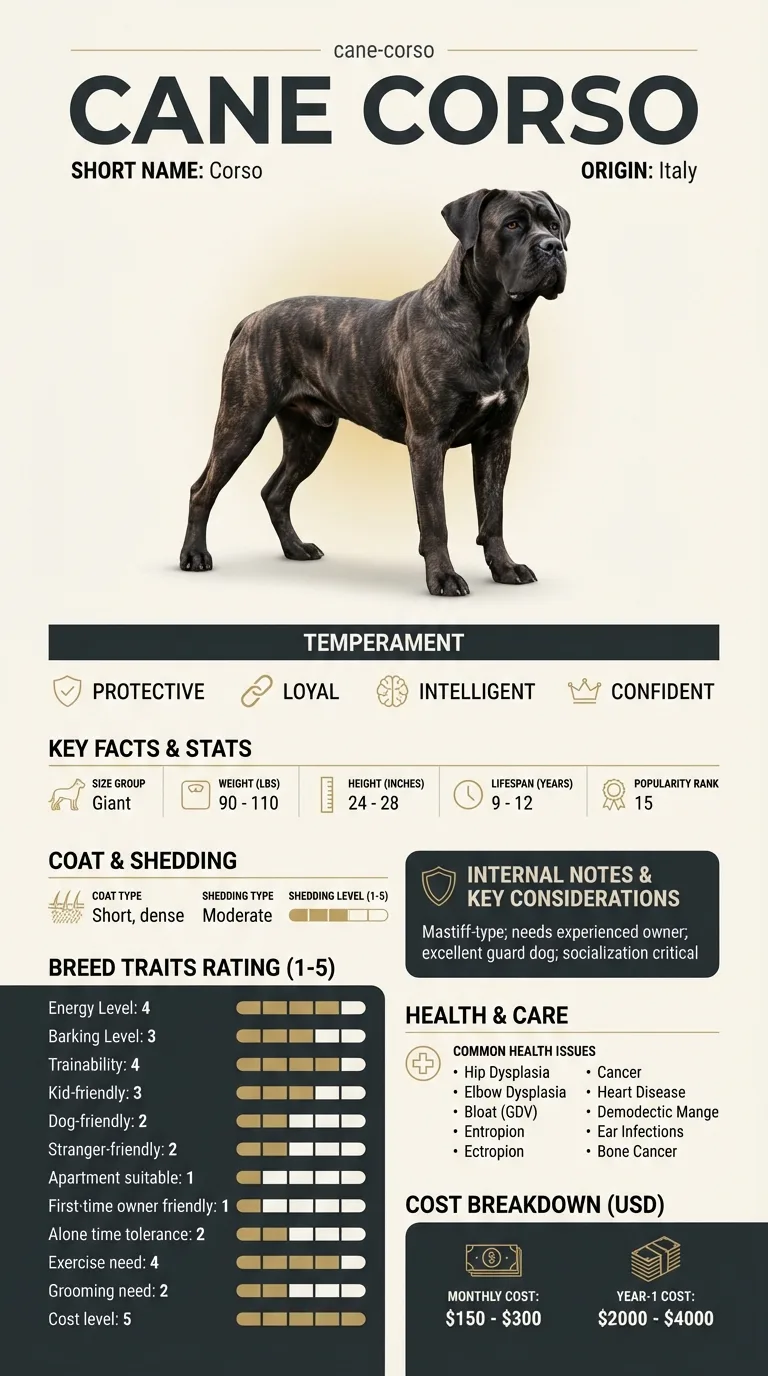
Understanding Cane Corso Immune-Mediated Thyroiditis - When Cane Corso Immune-Mediated Thyroiditis Is an Emergency

Maria and Her Cane Corso, Bruno

Maria adopted Bruno, a Cane Corso, who started showing symptoms of immune-mediated thyroiditis shortly after. At first, she was overwhelmed by his lethargy and weight gain. With guidance from a vet, she adjusted Bruno's diet, added supplements, and developed a consistent medication routine. After several months of dedication, Bruno regained his energy, and his coat became shinier. Maria felt relieved and grateful for the support she found online and from her vet.

Key takeaway: With proper veterinary guidance and commitment, managing Cane Corso immune-mediated thyroiditis can lead to a healthier, happier dog.

Frequently asked questions

Why does my Cane Corso have immune-mediated thyroiditis?

Cane Corso immune-mediated thyroiditis occurs when the immune system mistakenly attacks the thyroid gland. Genetic predispositions and environmental factors may contribute to this condition. It's crucial to consult a vet for accurate diagnosis and treatment options.

How can I treat my Cane Corso's immune-mediated thyroiditis?

Treatment usually involves medication to regulate thyroid hormone levels and manage symptoms. Your vet may prescribe hormone replacement therapy. Regular check-ups will help monitor your dog's condition and adjust treatments as necessary.

Can diet affect my Cane Corso with immune-mediated thyroiditis?

Yes, diet can play a role in managing this condition. A balanced diet rich in nutrients may support overall health. Consider consulting with your vet about specific dietary changes that could benefit your dog.

What are the signs of immune-mediated thyroiditis in a Cane Corso?

Common signs include lethargy, weight gain, and changes in coat condition. Your Cane Corso may also experience increased sensitivity to cold. If you notice these signs, it's essential to consult your vet promptly.

How can I help my Cane Corso cope with this condition?

Providing a stress-free environment is critical. Regular exercise, a consistent routine, and positive reinforcement training can help your Cane Corso feel more secure. Always keep communication open with your vet for tailored strategies.

What are the signs of Cane Corso immune-mediated thyroiditis?

Signs of Cane Corso immune-mediated thyroiditis can include weight gain, lethargy, and changes in coat quality. You may also notice increased sensitivity to cold or skin issues. If you observe these symptoms, consult your vet for a proper diagnosis.

Can diet affect Cane Corso immune-mediated thyroiditis?

Yes, diet can play a role in managing Cane Corso immune-mediated thyroiditis. A balanced diet with essential nutrients can help support your dog's immune system. Always consult your vet before making significant changes to their diet.

How is Cane Corso immune-mediated thyroiditis diagnosed?

Diagnosis typically involves a combination of blood tests to check hormone levels and thyroid function. Your vet may also perform physical examinations to rule out other health issues. Early diagnosis is crucial for effective management.

Is Cane Corso immune-mediated thyroiditis hereditary?

There is some evidence suggesting that immune-mediated thyroiditis may have a genetic component. Breeding practices can influence the likelihood of this condition. Responsible breeding and regular health screenings are essential to reduce risks.

What treatments are available for Cane Corso immune-mediated thyroiditis?

Treatment options generally include hormone replacement therapy and dietary modifications. Your vet may recommend regular monitoring to adjust dosages as needed. Consistent care is vital to keep your Cane Corso healthy and comfortable.

Quick answers

View more answers
Health

What are quick tips for Cane Corso immune-mediated thyroiditis?

Regular vet check-ups and adhering to prescribed medications are essential for managing Cane Corso immune-mediated thyroiditis. A balanced diet and a low-stress environment also support their health.

Living

How can I support my Cane Corso's immune system?

A nutritious diet, regular exercise, and avoiding stressors can help strengthen your Cane Corso's immune system. Consider supplements recommended by your vet.

Behavior

What should I monitor in my Cane Corso's behavior?

Watch for changes in energy levels, appetite, and coat condition. Any sudden changes should prompt a vet visit.

Related DogBreedCompass guides

  • Cane Corso common health issuesLearn more about common health issues affecting the Cane Corso to better understand their care needs.
  • Cane Corso separation anxiety guideIf your Cane Corso is showing signs of anxiety, this guide offers strategies tailored for the breed.
  • Cane Corso behavior problemsUnderstanding behavior problems in Cane Corsos can help you manage issues like immune-mediated thyroiditis effectively.
  • Cane Corso ownership costsExplore the costs associated with owning a Cane Corso to plan for ongoing expenses related to health issues.
  • Cane Corso immune-mediated thyroiditis trainingFind out how training can help manage your Cane Corso's health issues, including immune-mediated thyroiditis.

Related guides