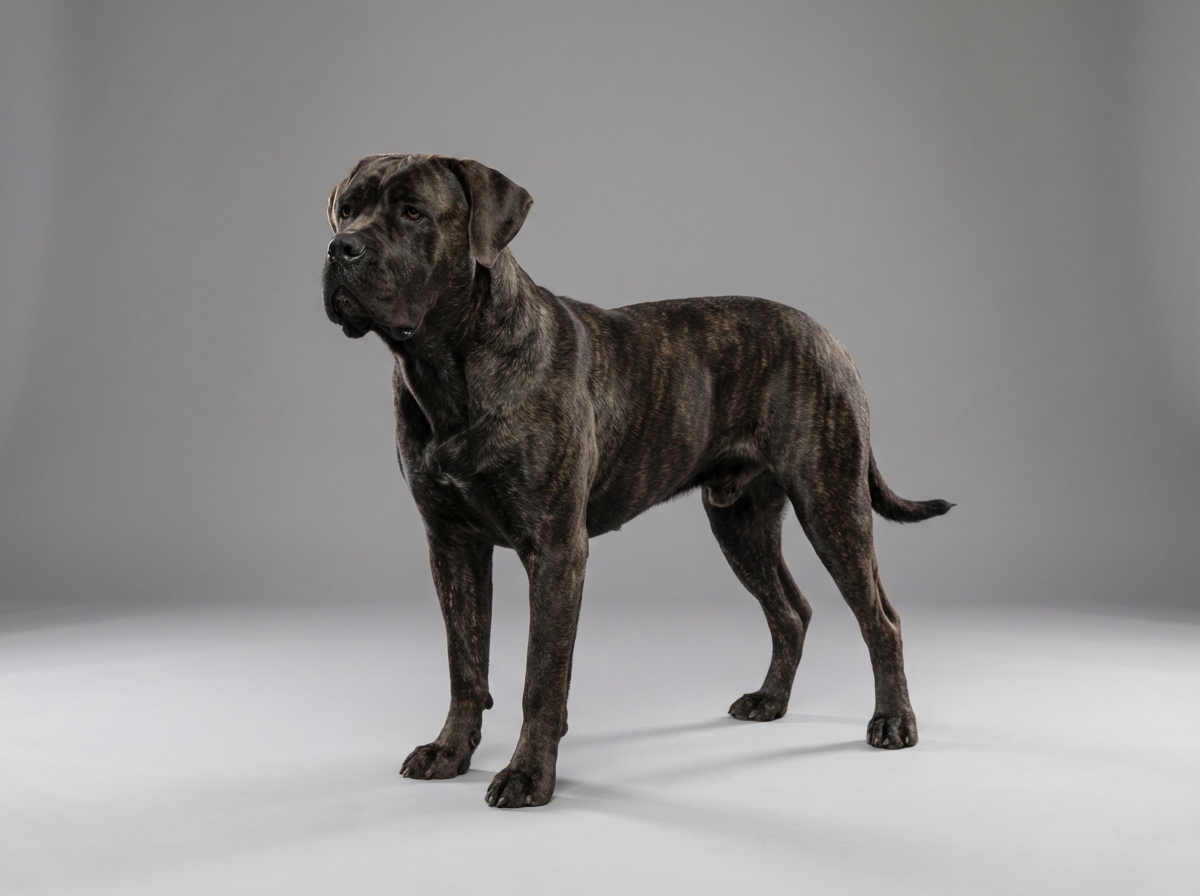
Behavior
What are quick tips for Cane Corso hip dysplasia?
Maintain a healthy weight and provide low-impact exercise. Regular vet check-ups are essential for monitoring their condition.

Quick answer
What are quick tips for Cane Corso hip dysplasia?
Maintain a healthy weight and provide low-impact exercise. Regular vet check-ups are essential for monitoring their condition.
Cane Corso hip dysplasia can lead to serious mobility issues, affecting your dog's quality of life.
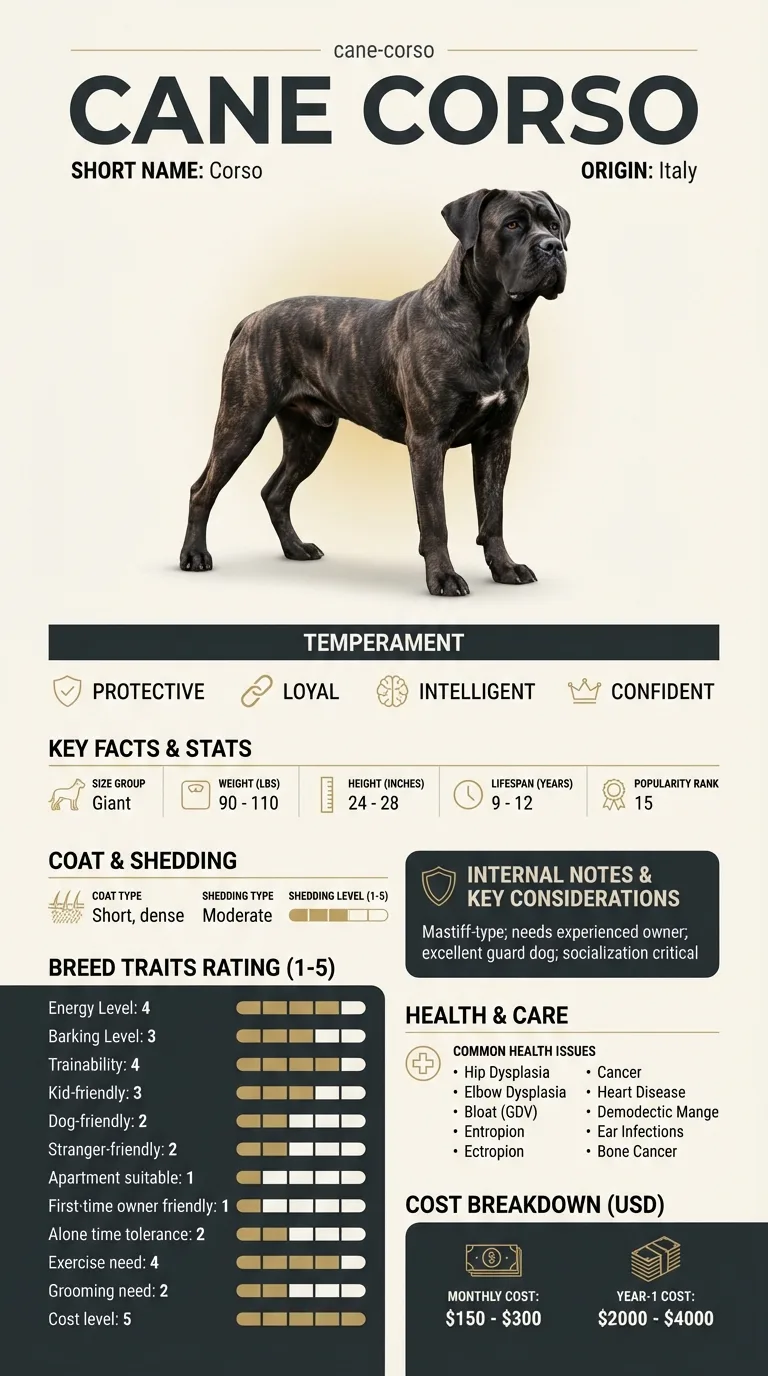
Many Cane Corso owners, especially first-time dog parents or those living in apartments, may face challenges dealing with this condition. Owners who want an active lifestyle with their dogs often worry about how hip dysplasia might affect their pet's mobility and happiness.
This guide is not medical advice. If your dog shows pain, sudden behavior change, or worsening symptoms, consult a licensed veterinarian.
Some links may be affiliate links. We may earn a commission at no extra cost to you. We only suggest products we believe are helpful for dog owners.
We research and check what we publish, but we do not warrant that any figure, date, price, or statement is accurate, complete, or current, and we accept no liability for any loss, cost, injury, or other harm arising from the use of this site. Use it as one reference among several. You remain responsible for your own decisions and for your dog's care - confirm anything that matters with a licensed veterinarian or another qualified professional before you act on it. Full disclaimer.
Check this first
Recognizing when Cane Corso hip dysplasia becomes an emergency is crucial for your dog's health. If your dog exhibits severe pain, sudden inability to move, or signs of distress, it's time to call your vet immediately. Other red flags include swelling around the hip joints, difficulty standing or walking, or noticeable changes in appetite or behavior. These symptoms can indicate serious complications that require prompt veterinary attention.
On the other hand, if your Cane Corso shows mild limping or stiffness but is still able to move around and engage in normal activities, you may monitor the situation at home. Keep an eye out for any changes in behavior or worsening symptoms. Regular vet check-ups, along with a tailored exercise and training plan, can also help manage the condition effectively.
Understanding the difference between an emergency and a manageable situation can help you respond appropriately. If any red flags arise, don’t hesitate—your dog's well-being is your top priority.
If any of these apply, call your vet or an emergency clinic now. The rest of this page is for the cases that are not an emergency.
Cane Corso hip dysplasia is a painful condition that affects their hip joints, leading to arthritis and mobility difficulties. Owners may notice their dog limping, struggling to stand up, or being less active. These signs can become more apparent as the dog ages, but the issues often begin in their first few years.
Hip dysplasia is quite common in Cane Corsos, with studies showing that a significant percentage of this breed can be affected. It's crucial for potential owners to be aware of this issue, as early intervention can help manage the condition and improve their dog's quality of life.
Cane Corsos are a giant breed with a heavy build, making them more prone to hip dysplasia. Their genetic background plays a significant role, as certain lines may carry a higher risk for this condition. Additionally, rapid growth in puppies can contribute to joint issues, which is common in large breeds like the Corso.
Environmental factors, such as excessive weight gain and lack of exercise, can exacerbate hip dysplasia. Poor nutrition during the early developmental stages can also lead to improper joint formation. Furthermore, high-impact activities or rough play in young dogs may increase the risk of developing hip problems.
Talk to your vet if you notice persistent limping, difficulty rising, or reluctance to play. Early intervention is crucial for managing Cane Corso hip dysplasia effectively.
Avoiding common pitfalls can significantly improve your Cane Corso's hip dysplasia. Here are some mistakes to steer clear of and healthier alternatives.
Start here: Cane Corso Most Common Genetic Disorders: What to Screen For
See all Cane Corso health problems, which breeds are prone to hip dysplasia, or the full Cane Corso breed guide for temperament, exercise needs and ownership costs.
You can expect to see improvements in your Cane Corso's mobility within 3 to 6 months of consistent care and management.
Success looks like your dog moving more comfortably, engaging in activities they enjoy, and showing less pain or discomfort during daily routines.
Lisa, a first-time Cane Corso owner, noticed her dog Max was struggling to get up after lying down. Concerned, she visited the vet and learned about Cane Corso hip dysplasia. With guidance, Lisa started a tailored exercise routine focusing on low-impact activities alongside weight management. She also incorporated joint supplements and adjusted Max's diet. Over several months, Max became more active, and Lisa was thrilled to see him play with his favorite toys again.
Key takeaway: With the right approach and patience, managing Cane Corso hip dysplasia can lead to a happier, more active dog.
Signs of hip dysplasia include difficulty rising, limping, reluctance to jump or run, and decreased activity levels. You might also notice that your Cane Corso shows signs of pain when their hips are touched. If you observe these symptoms, consult your veterinarian for evaluation.
To manage Cane Corso hip dysplasia, focus on maintaining a healthy weight and ensuring proper nutrition. Regular, low-impact exercise can also help strengthen the muscles around the hips. Consult your vet for specific training and dietary recommendations.
Yes, training can help manage Cane Corso hip dysplasia by encouraging low-impact activities that strengthen their muscles. Focus on obedience training and use positive reinforcement methods. However, avoid high-impact exercises that could worsen their condition.
Treatment for Cane Corso hip dysplasia can include weight management, physical therapy, and medications for pain relief. In severe cases, surgical options may be considered. Always discuss treatment plans with your veterinarian to determine the best approach for your dog.
Yes, hip dysplasia can be hereditary in Cane Corsos and other large breeds. Responsible breeding practices can help reduce the risk of passing on this condition. Always ask breeders about health screenings for the parents.
Cane Corso hip dysplasia can be caused by genetic factors, improper nutrition, and rapid growth during puppyhood. Environmental factors, like excessive exercise on hard surfaces, can also contribute to the development of this condition.
Managing Cane Corso hip dysplasia often involves a combination of weight management, low-impact exercise, and medications prescribed by a vet. Regular vet check-ups are essential to monitor the dog's health and adjust treatment as needed.
Yes, hip dysplasia is more commonly diagnosed in older Cane Corsos. As they age, the condition may worsen, leading to arthritis and increased discomfort, making regular vet visits crucial for managing their health.
If you notice your Cane Corso limping, struggling to stand, or showing signs of pain, it's time to consult a vet. Early intervention can prevent further joint damage and improve your dog's quality of life.
Maintain a healthy weight and provide low-impact exercise. Regular vet check-ups are essential for monitoring their condition.
Use joint supplements and consider physical therapy to support their mobility. Avoid activities that put excessive strain on their joints.
Feed a balanced diet with appropriate amounts of calcium and phosphorus to support healthy growth. Consult your vet for specific dietary recommendations.
Begin training your Cane Corso as a puppy to establish good habits early. Focus on socialization and basic commands to promote a well-rounded dog.
A one-page prep sheet for this condition: the signs, the questions to ask, what to get priced. Unlocks here.
You get: Vet visit prep sheet
No spam. One-click unsubscribe. See our privacy policy.
Preview page 1 before you decide.
Early access list
The free prep sheet covers the same-day warning signs, a symptom log and the questions to ask. We are considering a fuller kit that adds a cost worksheet for the usual tests and treatments (US price ranges with their sources) and a plain-English guide to ways of covering the bill. It is not built yet; this list tells us whether it is worth building.
One email, no spam, unsubscribe anytime. Information only, not veterinary advice.