Behavior
How can I tell if my Cane Corso is overheating?
Look for signs like excessive panting, drooling, or lethargy. If they seem confused or unsteady, it's crucial to cool them down immediately.
Cane Corso heat sensitivity is a serious issue that can lead to heatstroke if not managed properly.
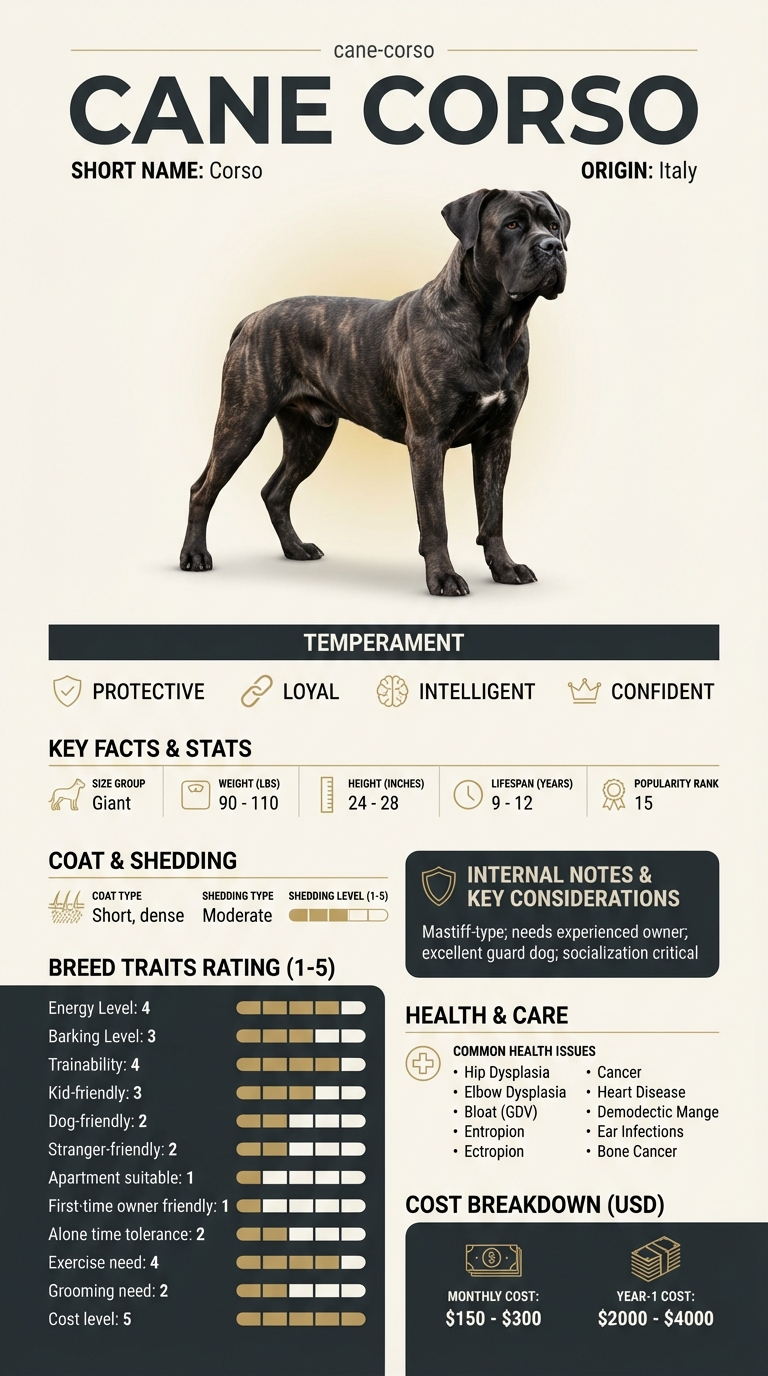
Owners of Cane Corsos, particularly those in warmer climates or those who enjoy outdoor activities, may find themselves struggling with heat sensitivity in their dogs. This issue is especially concerning for first-time owners who may not recognize the signs of overheating.
This guide is not medical advice. If your dog shows pain, sudden behavior change, or worsening symptoms, consult a licensed veterinarian.
Some links may be affiliate links. We may earn a commission at no extra cost to you. We only suggest products we believe are helpful for dog owners.
Cane Corso heat sensitivity can be a serious concern for owners, especially during the warmer months. These giant dogs may struggle with heat due to their dense coats and large size, leading to potential heatstroke. Owners often notice their Corso panting excessively, becoming lethargic, or refusing to exercise in hot weather.
Heat sensitivity is fairly common in Cane Corsos due to their size and coat type. Many owners report experiencing challenges with their dog's comfort during hot weather, especially if they live in warmer climates.
Cane Corsos are large, muscular dogs with short coats. Their size makes it harder for them to cool down effectively in hot weather. This breed is also known for being more prone to heat sensitivity due to their body structure and dense musculature.
Heat sensitivity can worsen in certain environments, such as urban areas with concrete and limited shade. Additionally, factors like high humidity and lack of airflow can increase the risk of overheating for your Cane Corso.
If your Cane Corso shows signs of anxiety or stress when exposed to heat, consulting a trainer experienced with large breeds can help. They can guide you on desensitization techniques and proper training strategies.
If your dog experiences severe heat sensitivity symptoms, like excessive panting, lethargy, or vomiting, contact your vet immediately. They can assess for heatstroke or other underlying health issues.
It typically takes several weeks to a few months to effectively address Cane Corso heat sensitivity through training and environmental adjustments.
Success means your Cane Corso can enjoy outdoor activities in cooler weather without distress and shows improved comfort levels in warm environments.
Avoiding these common mistakes can help alleviate Cane Corso heat sensitivity and keep your dog comfortable.
Understanding when Cane Corso heat sensitivity becomes an emergency is crucial for their safety. If your Corso shows signs of severe distress such as excessive panting, drooling, rapid heart rate, or lethargy, you should call your vet immediately. These symptoms can indicate heatstroke, which can be life-threatening and requires prompt medical attention.
In contrast, if your Cane Corso is simply panting in warmer weather but still shows interest in activities and is responsive, you can monitor the situation. Make sure they have access to cool water and shade. If they seem a bit uncomfortable but not in distress, it’s usually safe to keep an eye on them while taking preventative measures against overheating.
Always trust your instincts. If something doesn’t seem right, it's better to err on the side of caution and consult your vet for advice on how to manage your Cane Corso's heat sensitivity.
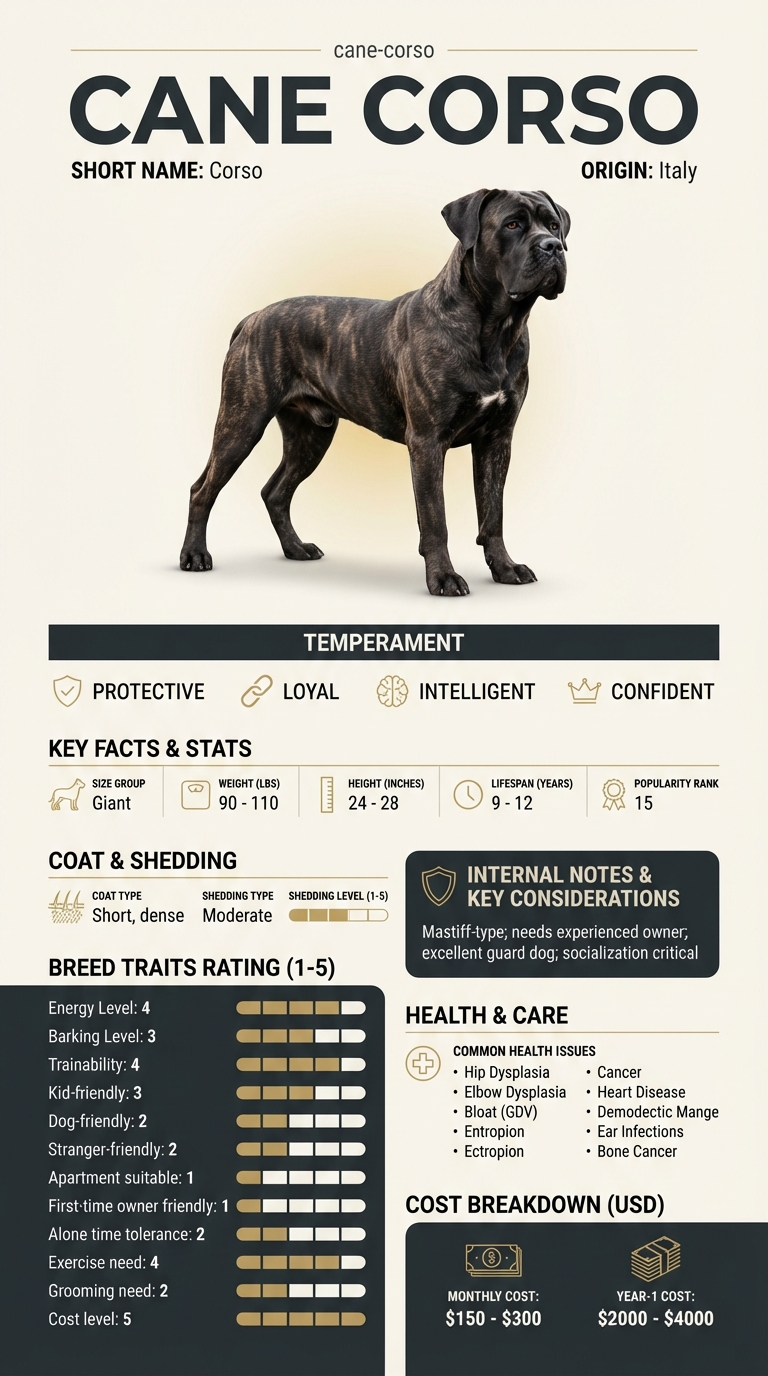
Mia, a nurse in Phoenix, adopted Rocky, a young Cane Corso, hoping for a loyal companion. However, she quickly noticed he struggled during the hot summers. After a few days of watching Rocky pant excessively and refuse to play outside, Mia decided to take action. She consulted a vet about how to stop Cane Corso heat sensitivity and learned about keeping him cool and hydrated. Mia created a shaded outdoor space, set up a kiddie pool, and adjusted their walking schedule to early mornings. Slowly, Rocky became more comfortable outside. With patience and consistent training, he learned to enjoy his outdoor time without suffering.
Key takeaway: Understanding your Cane Corso's heat sensitivity and making small changes can greatly improve their comfort and quality of life.
Cane Corsos have a short, dense coat that can trap heat, making them more susceptible to overheating. Their large size and muscular build also contribute to this sensitivity. It's crucial to monitor them in hot weather to prevent heat-related illnesses. This answer relates to Cane Corso heat sensitivity.
Ensure your Cane Corso has access to plenty of cool water and shade during hot days. Limit exercise to cooler parts of the day, like early morning or late evening, and consider using cooling mats or vests. Always watch for signs of overheating, like excessive panting or lethargy.
Signs of heatstroke include heavy panting, drooling, confusion, and weakness. You may also notice a rapid heartbeat or vomiting. If you see these symptoms, immediately move your dog to a cooler area and contact a vet.
While training won't eliminate heat sensitivity, it can help you manage your dog's behavior in hot weather. Teaching commands like 'stay' can help keep them calm indoors when it's hot outside. Consistent training can also reinforce the importance of hydration.
Yes, products like cooling vests, mats, and bandanas can help regulate your Cane Corso's body temperature. Look for items designed specifically for larger breeds, as they may provide better coverage. Always ensure they are comfortable and not too constricting.
Signs of heat sensitivity in a Cane Corso may include excessive panting, drooling, lethargy, and difficulty breathing. If your Corso shows these signs, it's important to move them to a cooler area immediately.
Senior Cane Corsos are more vulnerable to heat sensitivity. To help them, provide plenty of shade, fresh water, and avoid exercise during the hottest parts of the day. Keeping their indoor environment cool can also make a significant difference.
If your Cane Corso exhibits severe symptoms like vomiting, confusion, or collapse due to heat sensitivity, you should see a vet immediately. Heatstroke can be life-threatening and requires prompt medical attention.
While you can't change their breed-specific heat sensitivity, proper conditioning can help. Gradually acclimating them to warmer temperatures during exercise and ensuring they have plenty of breaks and hydration can improve their comfort level.
If your Cane Corso overheats, move them to a cool place immediately and offer water. Apply cool, damp cloths to their neck and belly, and fan them to help lower their temperature. If they don't improve quickly, seek veterinary care.
Look for signs like excessive panting, drooling, or lethargy. If they seem confused or unsteady, it's crucial to cool them down immediately.
Generally, temperatures above 80°F can be risky for Cane Corsos. Always consider humidity levels, as they can make it feel hotter.
Yes, but do it early in the morning or late in the evening when it's cooler. Keep sessions short and allow plenty of breaks.
While there's no specific diet for heat sensitivity, providing a balanced diet helps maintain overall health. Consult your vet for tailored advice.