Behavior
What are some Cane Corso brachycephalic obstructive airway syndrome (boas) quick tips?
To manage boas in your Cane Corso, keep them cool and avoid exercise in heat. Regular vet check-ups are essential to monitor their health.
Cane Corso brachycephalic obstructive airway syndrome (BOAS) can lead to serious breathing issues.
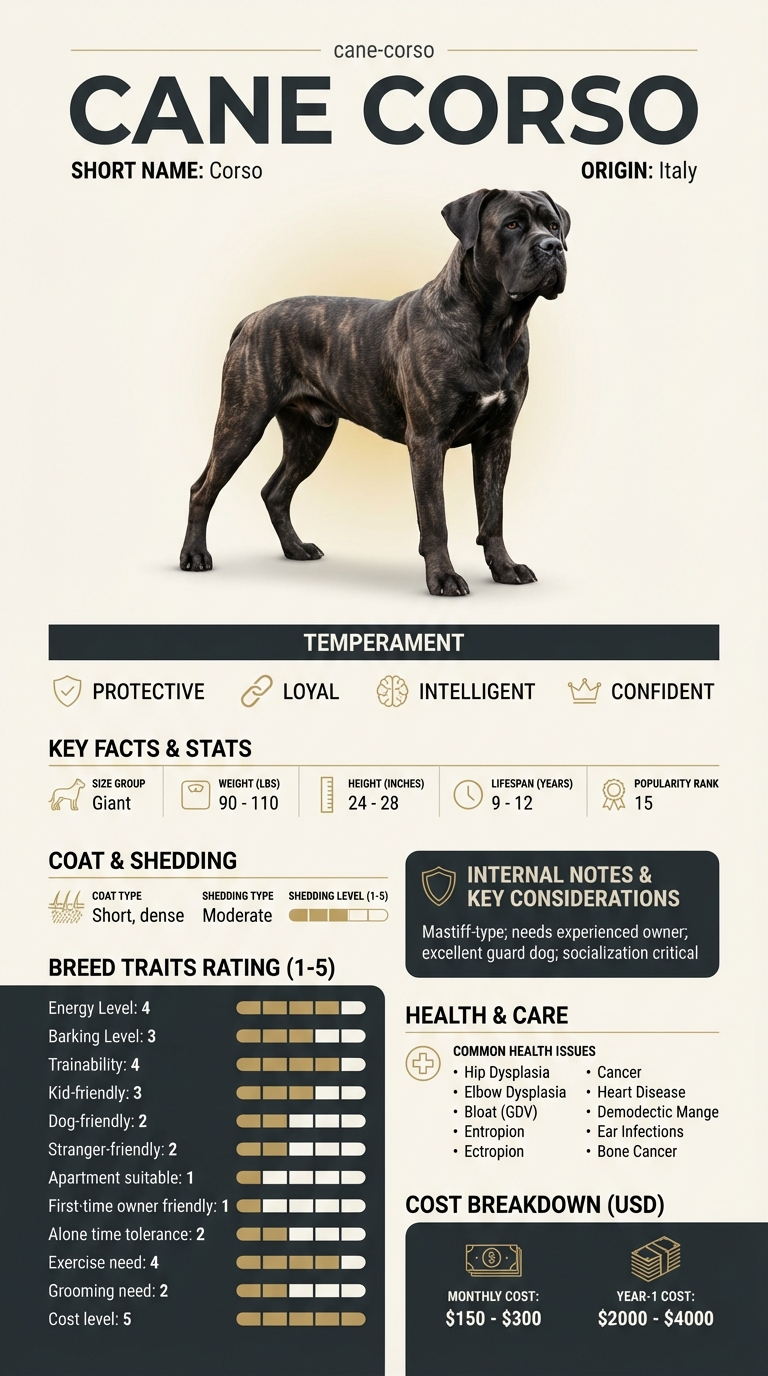
Owners of Cane Corsos often face this challenge, especially those new to the breed or those living in warmer climates. If you're noticing your Corso struggling to breathe or becoming easily fatigued, this page is for you.
This guide is not medical advice. If your dog shows pain, sudden behavior change, or worsening symptoms, consult a licensed veterinarian.
Some links may be affiliate links. We may earn a commission at no extra cost to you. We only suggest products we believe are helpful for dog owners.
Cane Corso brachycephalic obstructive airway syndrome (BOAS) is a serious breathing problem common in breeds with short muzzles. Day-to-day, this may look like loud snoring, difficulty breathing during exercise, and heat sensitivity. These symptoms can be distressing for both the dog and the owner.
BOAS is quite common in Cane Corsos due to their brachycephalic build. Many owners report varying degrees of breathing issues, which can range from mild to severe.
Cane Corsos are a brachycephalic breed, meaning they have short muzzles and flat faces. This structure can lead to narrow airways, making it harder for them to breathe. These physical traits can also cause snoring, snorting, and increased sensitivity to heat.
Environmental factors can worsen BOAS symptoms. Excessive heat, high humidity, or strenuous exercise can put extra stress on their breathing. Additionally, obesity can intensify airway obstruction, making it crucial to maintain a healthy weight.
If your Cane Corso shows signs of anxiety or distress during training or exercise, consider hiring a professional trainer. A trainer experienced with brachycephalic breeds can provide tailored strategies to help manage their behavior and improve obedience.
If your Cane Corso experiences severe breathing difficulties, persistent coughing, or lethargy, consult your vet immediately. Regular check-ups are essential to monitor their respiratory health and prevent complications related to BOAS.
With consistent training and management, you can see improvements in your Cane Corso's breathing within a few weeks. Long-term changes may take several months.
Success means your Cane Corso breathes more easily, participates in daily activities without excessive panting, and enjoys a better quality of life.
Many owners unknowingly contribute to their Cane Corso's breathing problems. Here are some common mistakes and safer alternatives.
Cane Corsos are prone to brachycephalic obstructive airway syndrome (BOAS), and it's crucial to recognize when to act quickly. Red flags indicate that you need to call your vet immediately. If your dog is struggling to breathe, has blue-tinged gums, or collapses, these are serious signs of an emergency that require prompt veterinary attention.
On the other hand, if your Cane Corso occasionally snores, coughs lightly, or seems to have mild breathing issues during exercise, you might be able to monitor these symptoms at home. Keeping track of their behavior and noting any changes can help you determine if a vet visit is necessary later on. Develop a plan for gradual monitoring, ensuring you stay vigilant about any worsening symptoms.
It's essential to stay aware of your dog's condition and not dismiss minor symptoms as normal. If your Cane Corso's breathing seems more labored than usual or if you notice frequent episodes of fatigue, it's worth discussing with your vet. Understanding the difference between a minor issue and a critical situation can help ensure your dog stays healthy and happy.
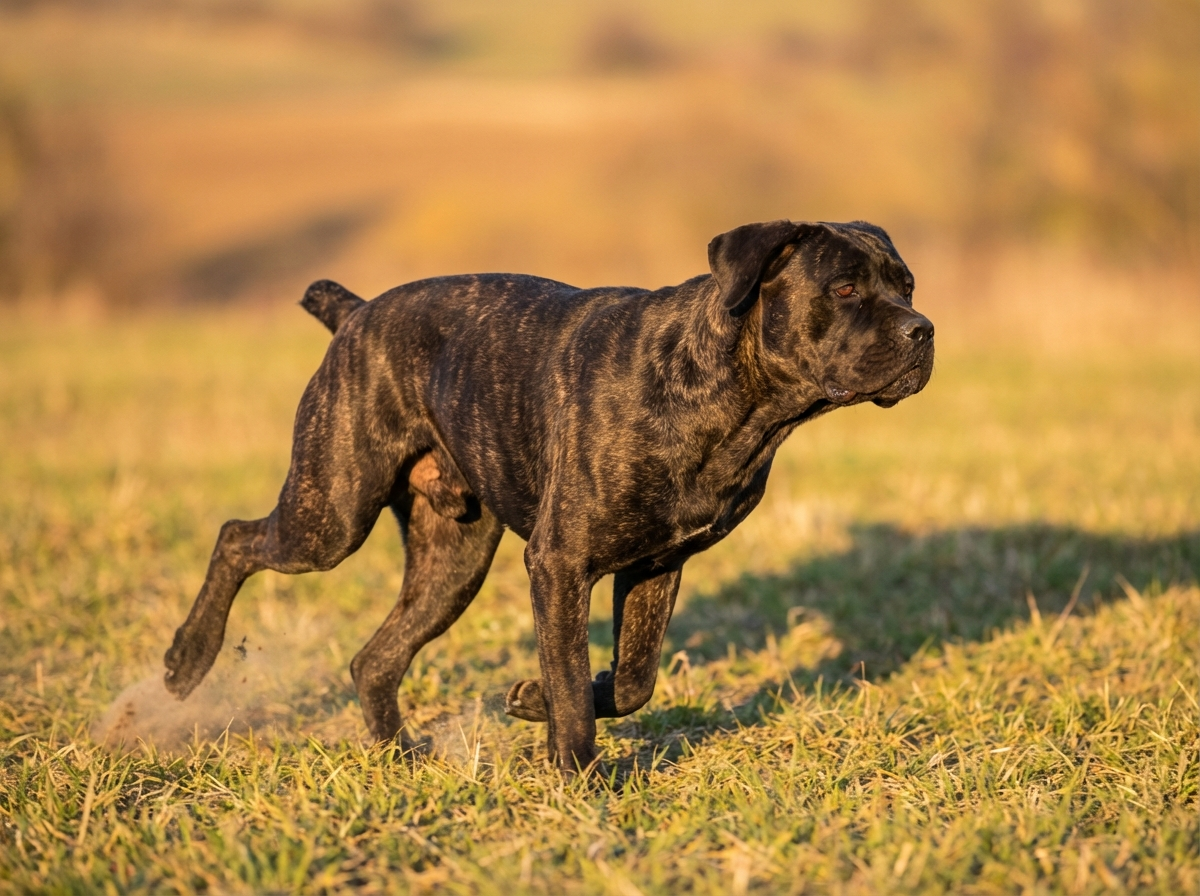
When Sarah adopted Max, her Cane Corso, she quickly noticed his heavy breathing, especially during walks. After a vet visit, she learned he had brachycephalic obstructive airway syndrome (BOAS). Determined to help him, she implemented a training routine focused on calm behavior and controlled exercise. Over time, Max's breathing improved, allowing him to enjoy his walks and playtime without distress.
Key takeaway: With the right training and management, Cane Corsos with BOAS can lead happier, healthier lives.
Cane Corsos have brachycephalic obstructive airway syndrome (boas) due to their short skull structure. This can lead to breathing difficulties, snoring, and heat sensitivity. Genetics plays a significant role, as this condition is common in breeds with flat faces.
Signs of boas in your Cane Corso include loud snoring, difficulty breathing, and excessive panting, especially in warm weather. If your dog struggles during exercise or seems lethargic, these could also be signs. A vet can provide a proper diagnosis.
While you can't fully cure boas, you can manage it through weight control and regular vet check-ups. Keeping your Cane Corso cool and avoiding strenuous activities during hot weather are also crucial. If severe, surgical options may be available.
Training can help minimize stress during breathing difficulties. Focus on commands that encourage calm behavior, and reward your dog for relaxed responses. Gentle leash training can prevent excessive pulling, which may worsen breathing issues.
Yes, provide a cool environment, avoid long walks in hot weather, and limit strenuous activities. Regular vet visits are essential to monitor your dog's condition. A healthy diet will also help maintain a proper weight.
Common signs of BOAS in Cane Corsos include loud snoring, difficulty breathing, and overheating during exercise. If your dog seems to struggle for air, especially after light activity, it's essential to consult a vet.
Yes, BOAS can potentially worsen as your Cane Corso ages due to the natural decline in respiratory function. Regular vet check-ups are crucial to monitor their breathing and overall health.
While training won't cure BOAS, you can focus on gentle training methods that minimize stress and encourage calm behavior. Avoid high-energy activities and aim for short, controlled training sessions.
If you notice any sudden changes in breathing, increased snoring, or signs of distress, it's time to see a vet. Early intervention can help manage the condition and improve your dog's quality of life.
While genetics play a significant role, ensuring your Cane Corso maintains a healthy weight and avoids extreme heat can help reduce the risk. Regular veterinary care is key to prevention.
To manage boas in your Cane Corso, keep them cool and avoid exercise in heat. Regular vet check-ups are essential to monitor their health.
Yes, maintaining a healthy weight can significantly improve breathing and overall health in Cane Corsos with boas. Work with a vet to create a suitable diet plan.
It’s best to have regular vet check-ups every 6 to 12 months for your Cane Corso with boas to monitor any changes in their condition.