Behavior
How to stop Cane Corso brachycephalic features?
While you can't change their genetic traits, you can manage symptoms through proper care and training. Ensure they are in a cool environment and avoid excessive exercise.

Quick answer
How to stop Cane Corso brachycephalic features?
While you can't change their genetic traits, you can manage symptoms through proper care and training. Ensure they are in a cool environment and avoid excessive exercise.
Cane Corso brachycephalic features can lead to breathing difficulties, which is crucial for their overall health.
Owners who have active lifestyles or live in warmer climates may find it challenging to manage their Cane Corso's breathing, especially if they participate in outdoor activities.
This guide is not medical advice. If your dog shows pain, sudden behavior change, or worsening symptoms, consult a licensed veterinarian.
Some links may be affiliate links. We may earn a commission at no extra cost to you. We only suggest products we believe are helpful for dog owners.
We research and check what we publish, but we do not warrant that any figure, date, price, or statement is accurate, complete, or current, and we accept no liability for any loss, cost, injury, or other harm arising from the use of this site. Use it as one reference among several. You remain responsible for your own decisions and for your dog's care - confirm anything that matters with a licensed veterinarian or another qualified professional before you act on it. Full disclaimer.
Check this first
Understanding when your Cane Corso's brachycephalic features become an emergency is crucial for their health. If your dog experiences severe breathing difficulties, such as gasping for air, blue-tinged gums, or excessive panting, you should call your vet immediately. These signs indicate that your pet might be in distress and requires urgent medical attention.
On the other hand, if your Cane Corso shows mild symptoms like occasional snorting or a slight wheeze during play, you can often monitor them at home. Keeping an eye on their behavior and ensuring they stay calm can help. If these symptoms persist or worsen, consult your veterinarian for guidance.
Emergency signs include: - Gasping for air: This indicates serious breathing trouble. - Blue-tinged gums or tongue: This is a sign of oxygen deprivation. - Excessive panting or restlessness: If your dog can't settle down, it may be a sign of distress.
Mild symptoms that can be monitored include: - Occasional snorting: This can happen during play or excitement. - Mild wheezing: If it happens infrequently, it may not be a cause for concern. - Light coughing: This could be allergies or mild irritation, but watch for changes.
Always err on the side of caution. If you're unsure, it's better to reach out to your vet for advice. Keeping your Cane Corso comfortable and safe is the top priority. Regular check-ups can help prevent emergencies related to their brachycephalic features.
If any of these apply, call your vet or an emergency clinic now. The rest of this page is for the cases that are not an emergency.
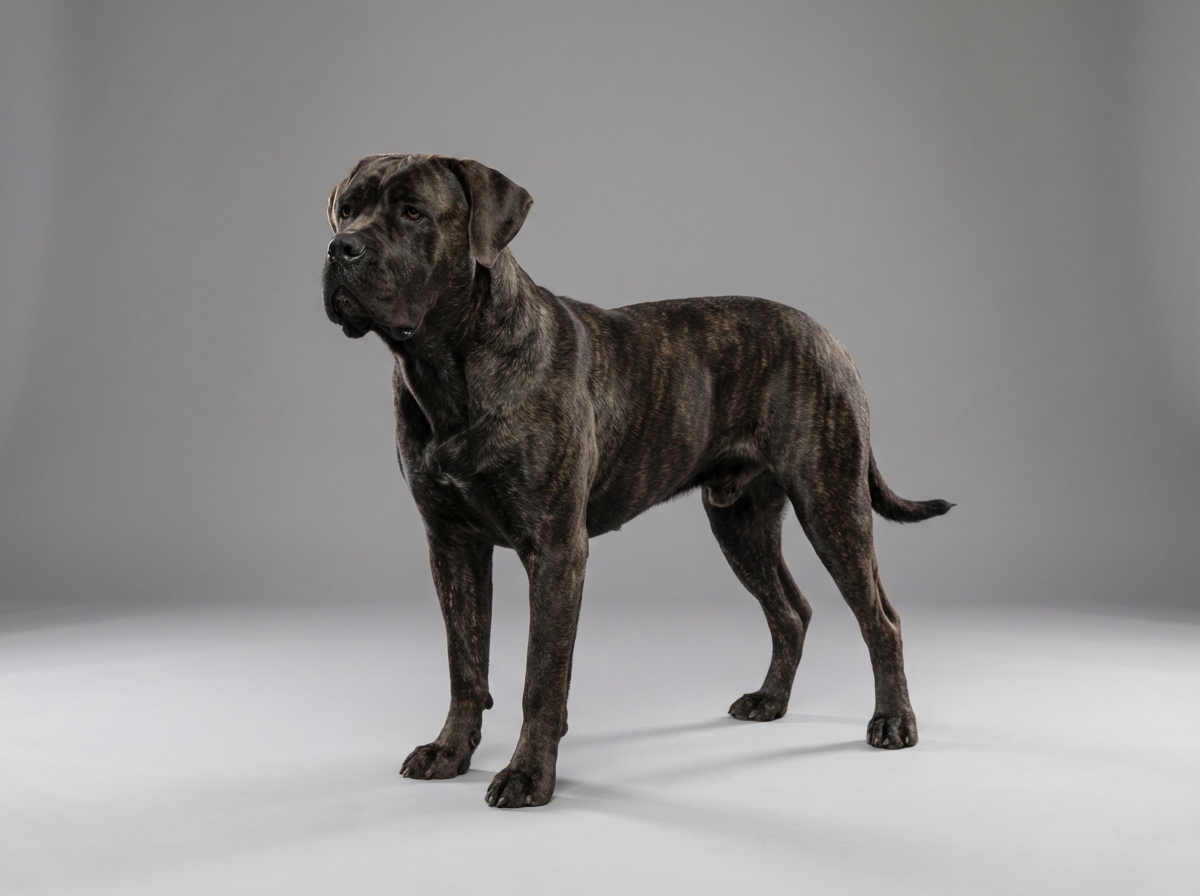
Cane Corso brachycephalic features refer to their short muzzles and flat faces, which can lead to breathing difficulties, especially during exercise or in hot weather. Daily life with a Cane Corso exhibiting these features may include heavy panting, snoring, and potential anxiety when breathing becomes labored. Owners often notice their dogs struggling to keep up during walks or becoming easily fatigued.
Brachycephalic features are relatively common in Cane Corsos due to their physical structure. While not every Corso will experience severe issues, many will show some level of breathing difficulty, especially as they age or if they are not properly conditioned.
Cane Corsos are not traditionally brachycephalic, but some may develop flat facial features due to genetic variation. These traits can lead to breathing difficulties, especially in hotter weather or during intense exercise.
Environmental factors like obesity, poor air quality, or heat can worsen any existing brachycephalic features. Lack of proper exercise or training can also contribute to these issues, making it harder for your Corso to breathe comfortably.
If you notice persistent coughing, labored breathing, or lethargy, it’s crucial to consult your vet. These could be signs of more serious health issues related to brachycephalic features and require professional intervention.
Avoiding certain behaviors can help improve your Cane Corso's brachycephalic features. Here are common mistakes owners make and safer alternatives to consider.
Start here: Cane Corso Most Common Genetic Disorders: What to Screen For
See all Cane Corso health problems, which breeds are prone to brachycephalic features, or the full Cane Corso breed guide for temperament, exercise needs and ownership costs.
You can expect to see some improvement in your Cane Corso's breathing within a few weeks of consistent care and management. Full adjustment may take several months, especially if the dog has developed habits around their brachycephalic features.
Success looks like a Cane Corso that breathes more easily during exercise, shows reduced anxiety during stressful situations, and can adapt to training sessions without excessive panting or discomfort.
Jenna adopted Max, a Cane Corso, who struggled with breathing issues due to his brachycephalic features. Initially, Jenna was overwhelmed by Max's panting, especially during walks. She consulted a trainer who advised her to focus on short, gentle exercise and to teach Max calming techniques. Over six months, with patience and consistency, Max improved significantly. Jenna learned the importance of recognizing his limits and adjusting their routine accordingly.
Key takeaway: Understanding your Cane Corso's needs and adjusting activities can make a big difference in managing brachycephalic features.
Cane Corsos can have brachycephalic features due to their genetic lineage. These traits lead to a shorter skull shape, which can cause breathing difficulties. It's important to monitor their breathing, especially during exercise or in hot weather. This answer relates to Cane Corso brachycephalic features.
To help your Cane Corso, ensure they stay cool and avoid strenuous exercise in hot weather. Regular vet check-ups can help monitor any respiratory issues. You might also consider using a harness instead of a collar to reduce pressure on their throat.
Training should focus on positive reinforcement techniques. Short, frequent training sessions work best to prevent your Cane Corso from becoming overly tired. Keep training sessions engaging and reward them for good behavior.
Yes, Cane Corsos with brachycephalic features can be more susceptible to respiratory problems. They might also face issues like heat stress. Regular veterinary care is essential to catch any potential health problems early.
If your Cane Corso shows signs of difficulty breathing, like excessive panting or lethargy, seek veterinary help immediately. Keeping them calm and cool can help until you reach the vet. Don't hesitate to call for emergency assistance if needed.
Signs of brachycephalic features in your Cane Corso include snoring, labored breathing, and difficulty exercising. These dogs may also show signs of distress in hot weather. If you notice any of these symptoms, it's essential to monitor their breathing closely.
Older Cane Corsos with brachycephalic features may need more frequent breaks during walks and a cooler environment. Consider using a harness for better control and to reduce pressure on their neck. Always consult your vet for tailored advice based on your dog's health.
If your Cane Corso shows persistent signs of difficulty breathing, such as excessive panting or wheezing, it's time to visit the vet. Emergency signs include a blue-tinged tongue or collapse. Your vet can evaluate their condition and recommend treatment options.
Yes, training techniques for Cane Corsos with brachycephalic features should focus on gentle commands and short training sessions. Too much exertion can exacerbate breathing issues. Positive reinforcement is key to motivating them without overwhelming them.
The long-term outlook for a Cane Corso with brachycephalic features largely depends on their overall health and how well you manage their condition. Regular vet check-ups and a controlled lifestyle can help maintain their quality of life. Early intervention is crucial in addressing any health issues.
While you can't change their genetic traits, you can manage symptoms through proper care and training. Ensure they are in a cool environment and avoid excessive exercise.
Monitor their breathing, provide a cool environment, and use a harness. Regular vet check-ups are crucial to keep them healthy.
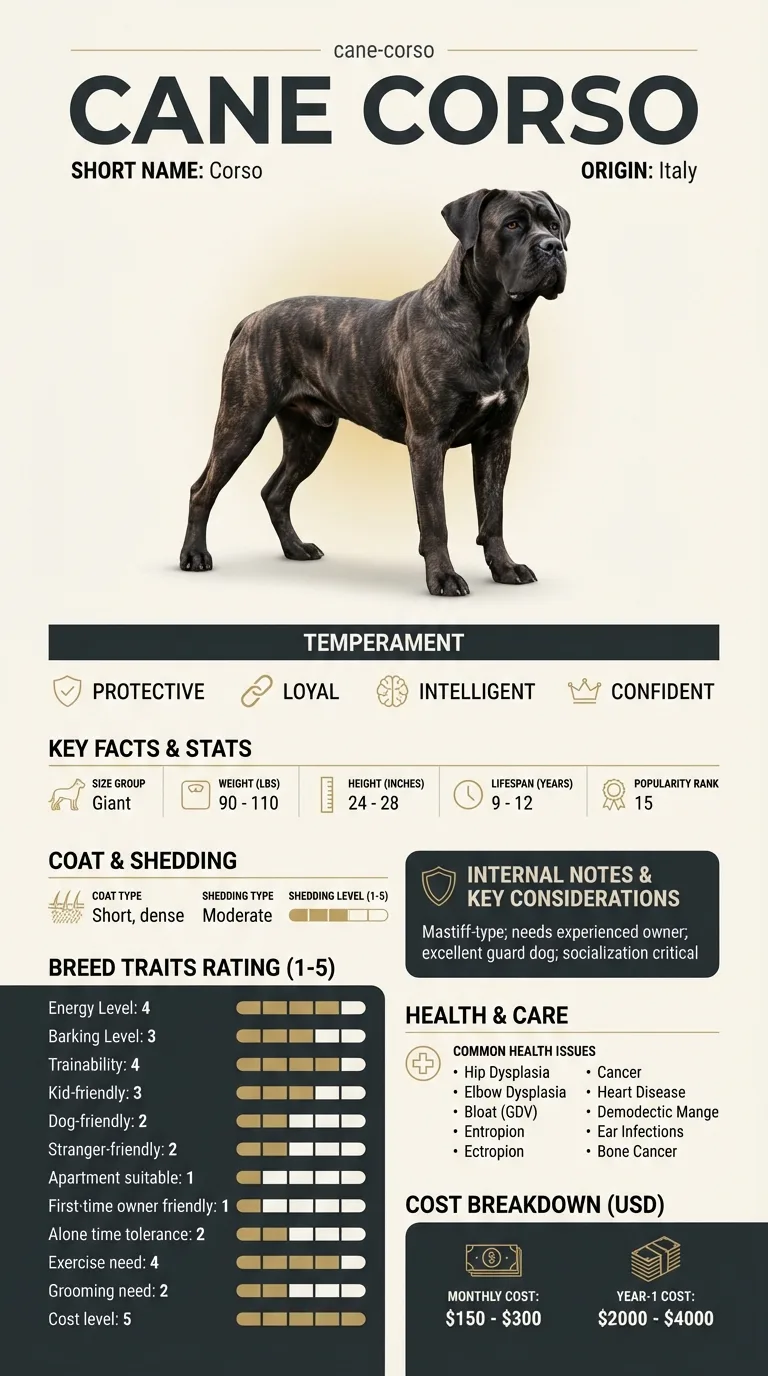
The monthly cost for a Cane Corso ranges from $150 to $300, depending on care and health needs. Yearly expenses can be between $2,000 and $4,000.
A one-page prep sheet for this condition: the signs, the questions to ask, what to get priced. Unlocks here.
You get: Vet visit prep sheet
No spam. One-click unsubscribe. See our privacy policy.
Preview page 1 before you decide.