DogBreedCompass
← Back to breed profile

Understanding Cane Corso Anesthesia Sensitivity

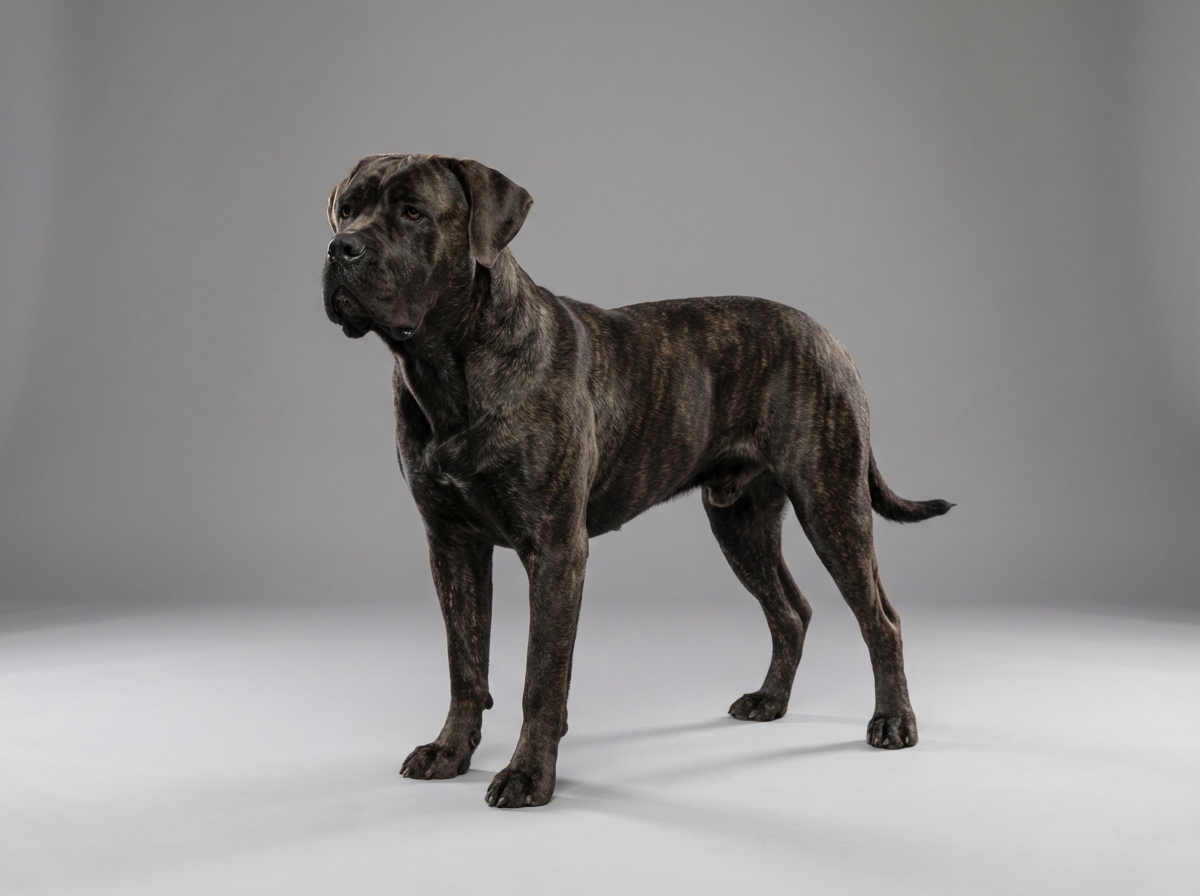
Cane Corso anesthesia sensitivity is a serious concern for dog owners. It can complicate necessary medical procedures and change how we approach their care.

Understanding Cane Corso Anesthesia Sensitivity infographic

Typically, owners of Cane Corsos face this challenge, especially if they are planning for surgeries or routine procedures. Those who may not be familiar with the breed's specific health needs can find this particularly stressful.

Important reminder

This guide is not medical advice. If your dog shows pain, sudden behavior change, or worsening symptoms, consult a licensed veterinarian.

Some links may be affiliate links. We may earn a commission at no extra cost to you. We only suggest products we believe are helpful for dog owners.

What this problem looks like

Cane Corso anesthesia sensitivity refers to a heightened reaction to anesthetic drugs that can occur during medical procedures. This problem manifests through excessive sedation or prolonged recovery times after anesthesia, making it a serious concern for owners and veterinarians alike. For a dog as large and strong as the Cane Corso, this sensitivity can lead to complications that require careful monitoring.

Common triggers

  • Genetic predisposition to anesthesia sensitivity
  • Existing health issues, such as heart disease or obesity
  • Age-related factors, especially in older Corsos

Anesthesia sensitivity in Cane Corsos is relatively common, particularly among those with underlying health issues. Many owners notice this sensitivity during routine surgeries or dental cleanings, which can complicate their dog's medical care.

Why this happens

Breed factors

Cane Corsos are a giant breed with unique physical traits. Their size and body structure can affect how they process anesthesia. Additionally, some genetic factors may make them more sensitive to anesthetic drugs.

Environment factors

Environmental factors also play a role in anesthesia sensitivity. Stress during vet visits or exposure to certain chemicals can heighten their sensitivity. A lack of proper socialization can lead to anxiety, which may increase their reactions to anesthesia.

What you can try

At-home strategies

  • Familiarize your Cane Corso with the vet's office by visiting for non-medical reasons. This can help reduce anxiety during actual visits.
  • Use positive reinforcement, like treats or praise, to create a positive association with handling and restraint. This may lessen their stress when anesthesia is needed.
  • Maintain a calm environment at home, especially before vet visits. Consider calming products like pheromone diffusers or anxiety wraps.

When to consider a trainer

If your Cane Corso shows severe anxiety or fear during vet visits, consider consulting a professional dog trainer. A trainer can help you implement effective desensitization techniques and improve your dog's overall behavior.

When to talk to your vet

Always discuss any concerns about your Cane Corso's anesthesia sensitivity with your vet. If your dog has had a previous negative reaction to anesthesia or shows unusual behavior, it's crucial to seek veterinary advice before any procedures.

Realistic expectations

You can expect to see improvements in your Cane Corso's sensitivity to anesthesia within 3 to 6 months of consistent training and preparation.

Success means your Cane Corso can undergo necessary procedures with reduced anxiety and a lower risk of complications related to anesthesia.

Mistakes that make this worse

Understanding anesthesia sensitivity in Cane Corsos can be tricky. Owners sometimes inadvertently make the situation worse by reinforcing anxiety or misunderstanding their dog's needs. Here are common mistakes to avoid.

  • Neglecting to inform the veterinarian about past reactions to anesthesia. Always discuss any previous experiences with anesthesia to help the vet choose the safest options.
  • Skipping pre-anesthetic tests. These tests are crucial for identifying potential issues and ensuring your Cane Corso is fit for anesthesia.
  • Overlooking proper socialization. A lack of positive experiences can increase anxiety. Gradually expose your dog to different environments, people, and situations.
  • Using harsh training methods. Punitive approaches can heighten stress. Opt for positive reinforcement to build trust and confidence.
  • Failing to create a calm post-anesthesia environment. After the procedure, ensure your dog has a quiet space to recover. A stressful environment can lead to anxiety.
  • Ignoring behavioral signs of anxiety. Be attentive to your dog's body language. If they seem stressed, address it with soothing techniques rather than dismissing it.
  • Postponing follow-ups. If your Cane Corso has had an anesthesia episode, follow up with your vet to discuss any concerns and adjustments needed for future procedures.

When Cane Corso Anesthesia Sensitivity is an Emergency

Understanding when Cane Corso anesthesia sensitivity becomes an emergency is crucial for your pet's safety. If your Corso shows severe reactions to anesthesia, such as difficulty breathing, excessive drooling, or a rapid heart rate, call your vet immediately. These symptoms indicate a serious issue that requires urgent medical attention.

On the other hand, if your Cane Corso experiences mild reactions like mild lethargy or slight disorientation, you can generally monitor them at home. Keep a close eye on their behavior and ensure they are comfortable. If these symptoms persist for more than a few hours, contact your vet for guidance.

Additionally, any significant changes in appetite or hydration levels should prompt a phone call to your veterinarian. Always err on the side of caution. Remember, it's better to seek help sooner rather than later when it comes to your pet's health.

Understanding Cane Corso Anesthesia Sensitivity - When Cane Corso Anesthesia Sensitivity is an Emergency

Sam's Journey with Luna the Cane Corso

Sam, a first-time dog owner in Seattle, was shocked to learn that his Cane Corso, Luna, exhibited an unusual sensitivity to anesthesia. After a routine check-up, the vet warned Sam that Luna might face risks during any necessary surgeries. Determined to help his beloved companion, Sam researched how to stop Cane Corso anesthesia sensitivity and found a training program focused on desensitization techniques. Over several months, he worked with Luna, gradually exposing her to positive experiences around vet visits and handling. He even practiced calming exercises at home. When the time came for Luna’s spay surgery, she was noticeably calmer and more relaxed than before. The procedure went smoothly, and Luna recovered well.

Key takeaway: With patience and consistent training, even a sensitive Cane Corso can learn to manage their anxiety, making medical procedures much safer and easier.


Frequently asked questions

Why does my Cane Corso have anesthesia sensitivity?

Cane Corsos are known to be sensitive to anesthesia due to their unique physiology and large size. This breed may metabolize drugs differently, leading to longer recovery times or adverse reactions. It's crucial to discuss your dog's history with your vet before any procedure requiring anesthesia. This answer relates to Cane Corso anesthesia sensitivity.

How can I manage my Cane Corso's anesthesia sensitivity?

To manage anesthesia sensitivity in your Cane Corso, work closely with your veterinarian. They may recommend blood tests to check for any specific sensitivities and adjust the anesthetic plan accordingly. It's also helpful to ensure your dog is healthy and well-hydrated before any surgery.

What are the signs of anesthesia sensitivity in a Cane Corso?

Signs of anesthesia sensitivity can include prolonged drowsiness, difficulty waking up, or disorientation after a procedure. If you notice these symptoms, contact your vet immediately. Understanding your Cane Corso's individual response to anesthesia is key for future treatments.

Is anesthesia sensitivity common in Cane Corsos?

While anesthesia sensitivity isn't exclusive to Cane Corsos, this breed may be more prone due to their size and health issues. Regular check-ups and open communication with your vet can help identify any potential risks before anesthesia is necessary.

What are the risks of anesthesia for Cane Corsos?

The risks of anesthesia for Cane Corsos can include respiratory complications, prolonged recovery, and in rare cases, allergic reactions. Ensuring your vet is experienced with large breeds can help mitigate these risks. Always discuss your concerns before any procedure.

What signs indicate my Cane Corso might have anesthesia sensitivity?

If your Cane Corso shows unusual reactions to anesthesia, such as excessive drowsiness, confusion, or prolonged recovery times, these could be signs of anesthesia sensitivity. It's crucial to monitor your dog closely after any procedure requiring anesthesia and consult your vet if you notice these symptoms.

Is anesthesia sensitivity common in older Cane Corsos?

Yes, older Cane Corsos can be more susceptible to anesthesia sensitivity due to age-related health issues. Always inform your veterinarian about your dog's age and any existing health conditions to ensure they adjust the anesthesia accordingly.

How can I prepare my Cane Corso for surgery if they have anesthesia sensitivity?

To prepare your Cane Corso for surgery, discuss their anesthesia sensitivity with your vet. They may recommend a pre-surgical assessment or specific medications that can help reduce risk and improve safety during the procedure.

When should I take my Cane Corso to the vet regarding anesthesia sensitivity?

If your Cane Corso has a known history of anesthesia sensitivity or exhibits concerning reactions after anesthesia, a vet visit is essential. Early intervention can help address potential complications and improve your dog's health outcomes.

Can training help reduce anesthesia sensitivity in Cane Corsos?

While training alone may not eliminate anesthesia sensitivity, it can help your Cane Corso become more accustomed to being handled by veterinarians. Positive reinforcement training can create a better experience during vet visits, reducing anxiety around procedures.

Quick answers

View more answers
Behavior

What are quick tips for Cane Corso anesthesia sensitivity?

Before any procedure, ensure your Cane Corso is well-hydrated and at a healthy weight. Discuss any past reactions to anesthesia with your vet to tailor a safe plan. Post-surgery, monitor your dog closely for any unusual behavior.

Living

How can I prepare my Cane Corso for surgery?

To prepare your Cane Corso for surgery, schedule a pre-op vet visit for health checks. Follow your vet's fasting instructions, and keep your dog calm on the day of the procedure. This can help reduce stress and enhance recovery.

Health

Are there alternative anesthesia options for Cane Corsos?

Yes, there are alternative anesthesia options that may be safer for Cane Corsos. Discussing these options with your vet can provide insights into what may work best for your dog's specific needs.

Related DogBreedCompass guides

  • Cane Corso separation anxiety guideLearn how to manage and reduce anxiety in your Cane Corso, which can help with anesthesia sensitivity.
  • Cane Corso behavior problemsUnderstanding common behavior problems in Cane Corsos can help address anesthesia sensitivity issues.
  • Cane Corso cost breakdownExplore the costs associated with owning a Cane Corso, including potential medical expenses related to anesthesia sensitivity.
  • Cane Corso anesthesia sensitivity trainingFind helpful training tips specifically for Cane Corsos to help mitigate their anesthesia sensitivity.
  • Cane Corso breed overviewGet insights into the Cane Corso breed, including their health issues and how that relates to anesthesia sensitivity.

Related guides