DogBreedCompass
← Back to breed profile

Understanding Bulldog (English) von Willebrand's Disease

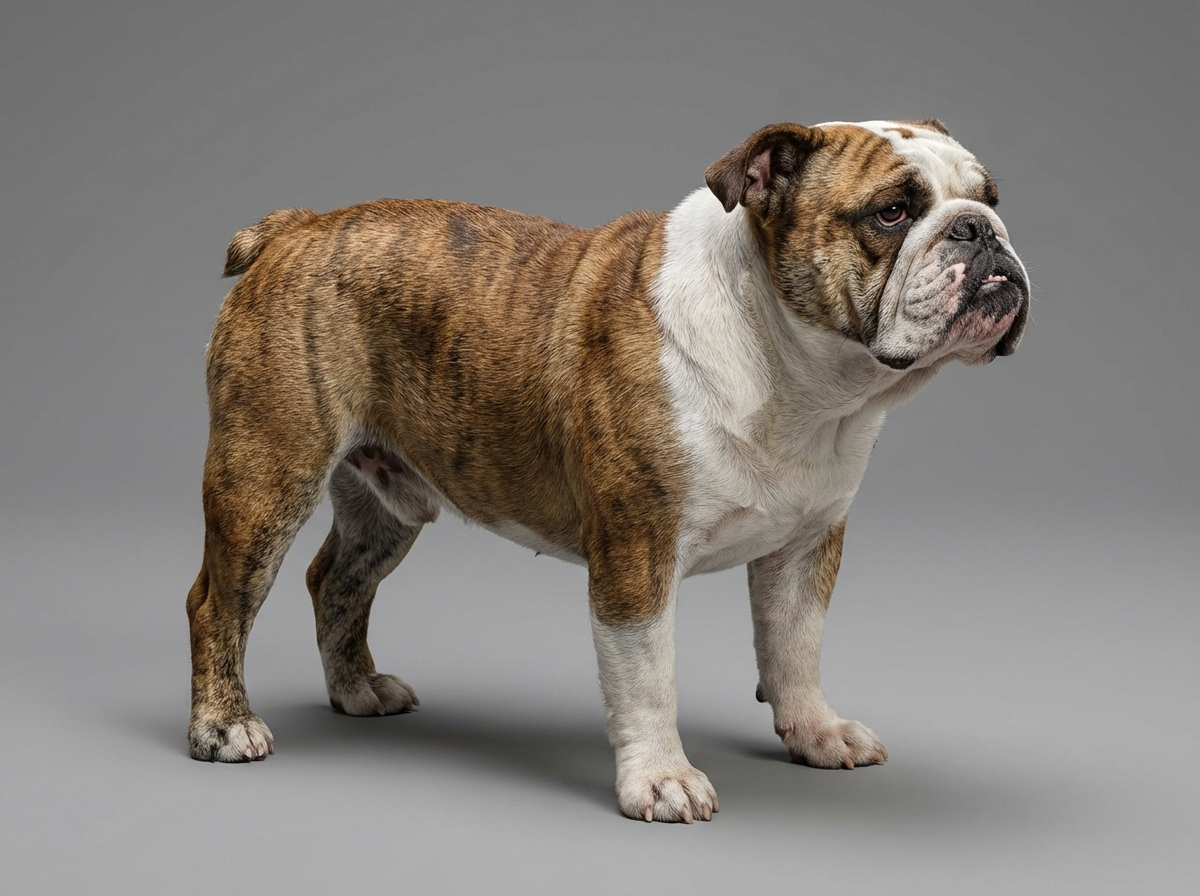
Bulldog (English) von Willebrand's disease is a serious bleeding disorder that can impact your dog's health and quality of life.

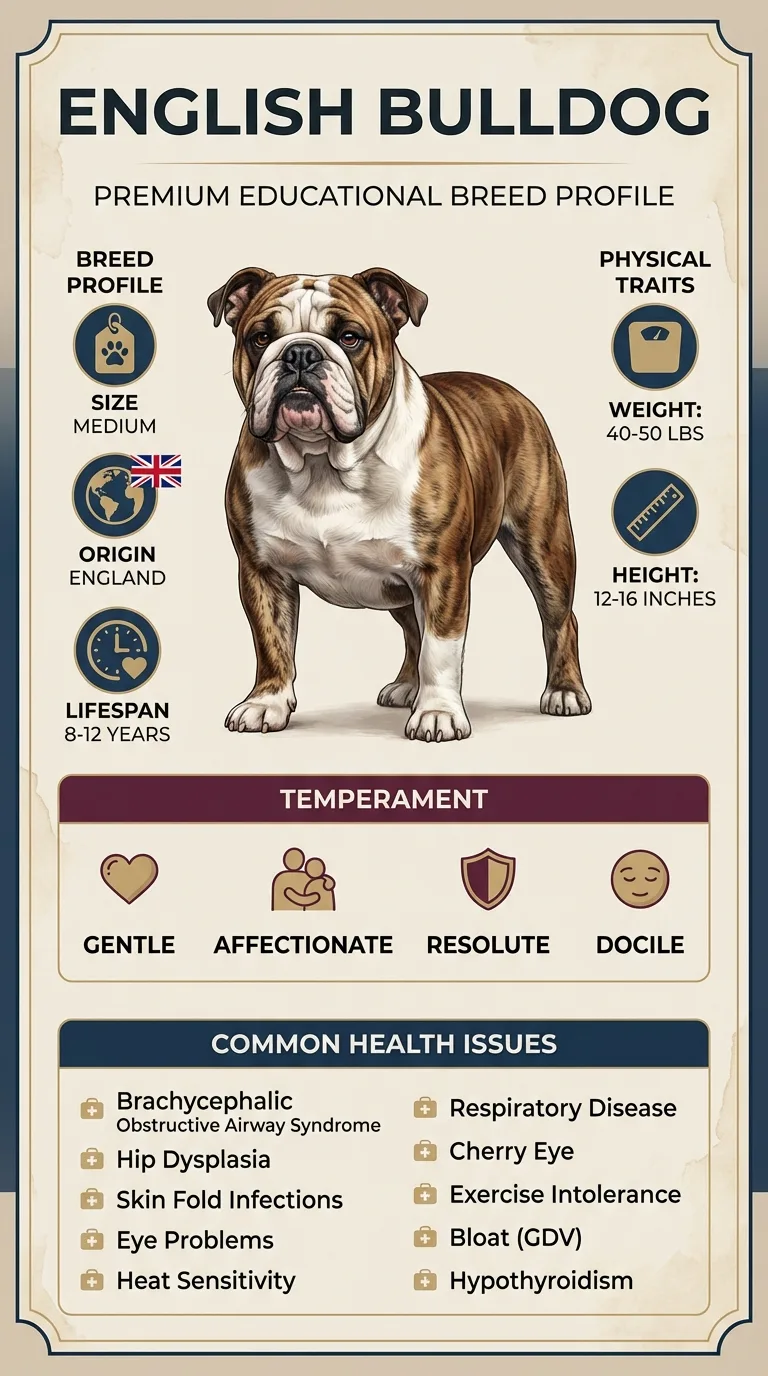
Owners of Bulldogs may face this challenge, especially those who are first-time dog parents or those unaware of the breed's health issues. It's particularly concerning for families with active lifestyles, where injuries may occur more often.

Important reminder

This guide is not medical advice. If your dog shows pain, sudden behavior change, or worsening symptoms, consult a licensed veterinarian.

Some links may be affiliate links. We may earn a commission at no extra cost to you. We only suggest products we believe are helpful for dog owners.

What this problem looks like

Bulldogs (English) can be affected by von Willebrand's disease, a bleeding disorder that affects blood clotting. This condition can lead to excessive bleeding from minor injuries or surgical procedures, causing concern for owners. Day-to-day, this means owners need to monitor their Bulldog closely, especially during play or after vet visits.

Common triggers

  • Injuries or cuts
  • Surgical procedures
  • Stress or excitement

Von Willebrand's disease is relatively common in Bulldogs (English), as this breed is genetically predisposed to it. While not all Bulldogs will develop this condition, it's important for potential owners to be aware and prepared.

Why this happens

Breed factors

Bulldogs (English) are prone to von Willebrand's disease due to genetic factors. This bleeding disorder is more common in certain breeds, and Bulldogs can inherit the gene that causes it. Their unique body structure and blood composition also play a role in the disease's prevalence.

Environment factors

Environmental factors can contribute to the severity of von Willebrand's disease symptoms. Stressful situations, such as changes in routine or exposure to extreme heat, can aggravate bleeding issues. Additionally, inadequate veterinary care or poorly managed health conditions can lead to complications.

What you can try

At-home strategies

  • Monitor your Bulldog's activity level and avoid overly strenuous exercise. This helps prevent injuries that could lead to bleeding.
  • Create a calm environment for your Bulldog, reducing stressors that can trigger symptoms. Provide a safe space where they can retreat when feeling anxious.
  • Keep track of any bleeding incidents and their triggers. This information can be helpful for your vet to identify patterns and tailor care.

When to consider a trainer

If your Bulldog displays anxiety or stress behaviors, it may be beneficial to consult a professional trainer. They can provide strategies to help your dog cope with anxiety. This is especially important if your dog reacts negatively to changes in their environment.

When to talk to your vet

If you notice excessive bleeding or bruising, consult your vet immediately. It's crucial to address these symptoms as they may indicate a worsening condition. Regular check-ups are also important for managing your Bulldog's overall health and any complications related to von Willebrand's disease.

Realistic expectations

Managing Bulldog (English) von Willebrand's disease usually takes several months of consistent care and monitoring. Regular vet check-ups and potential lifestyle adjustments will be necessary.

Success means your Bulldog has a stable condition with minimized bleeding episodes. You'll be able to manage their lifestyle with tailored activities that keep them healthy and happy.

Mistakes that make this worse Bulldog (English) von willebrand's disease

Avoiding common pitfalls can greatly improve your Bulldog's health and wellbeing. Here are some mistakes to steer clear of.

  • Ignoring Symptoms: If your Bulldog shows signs of bleeding or unusual bruising, don't dismiss it as normal. Consult a vet promptly to get a proper diagnosis and care.
  • Delaying Treatment: Some owners think they can manage von Willebrand's disease at home. This can worsen the condition. Follow your vet's treatment plan and keep up with regular check-ups.
  • Not Managing Stress: Stress can exacerbate health issues. Make sure your Bulldog has a calm environment and regular routines to minimize anxiety.
  • Overexerting Your Dog: While exercise is essential, overdoing it can lead to injuries. Balance activity with rest, especially if your Bulldog is showing any signs of fatigue.
  • Neglecting Diet: A poor diet can weaken your Bulldog's overall health. Invest in high-quality dog food that supports their specific health needs.
  • Skipping Regular Vet Visits: Some owners may feel their dog is healthy enough without check-ups. Regular vet visits are crucial for monitoring health and catching issues early.
  • Failing to Educate Yourself: Many owners don't learn enough about von Willebrand's disease. Read up on the condition to better support your Bulldog.

When is Von Willebrand's Disease an Emergency?

Von Willebrand's Disease in Bulldogs can lead to serious problems, and understanding when it's an emergency is crucial. Signs that you should call your vet immediately include excessive bleeding from minor cuts, prolonged bleeding during heat cycles, or after surgery. If your Bulldog shows symptoms like lethargy, pale gums, or difficulty breathing, these are red flags that require urgent care.

When to Monitor and Wait

In less severe cases, you can keep a close watch on your Bulldog. If they have minor bleeding that stops on its own, or if they show no signs of weakness or distress, you can monitor their condition at home. Keeping a diary of any bleeding episodes can help you and your vet determine if further action is needed.

Navigating Health Challenges with Max

Emily, a first-time dog owner, was excited to bring home Max, her English Bulldog. Shortly after adopting him, she noticed he was more prone to bruising and had occasional nosebleeds. After a vet visit, Emily learned Max had von Willebrand's disease. It was a tough diagnosis, but she quickly educated herself on managing his condition. She adjusted his exercise to avoid high-impact activities, monitored him closely, and scheduled regular vet check-ups. Over time, Emily became confident in managing Max's health, ensuring he enjoyed a fulfilling life without major complications.

Key takeaway: With patience and knowledge, you can effectively manage your Bulldog's von Willebrand's disease, allowing them to thrive despite their health challenges.

Frequently asked questions

Why does my Bulldog (English) have von Willebrand's disease?

Von Willebrand's disease is a genetic bleeding disorder common in Bulldogs. It occurs due to a deficiency in a specific protein that helps blood clot. If your Bulldog has this condition, it's important to consult a veterinarian for proper diagnosis and management.

How can I manage my Bulldog's von Willebrand's disease?

Managing von Willebrand's disease in Bulldogs typically involves regular vet check-ups and monitoring for any bleeding signs. Your vet may recommend avoiding activities that could lead to injury. In severe cases, treatment options like desmopressin may be suggested to improve clotting.

What are the signs of von Willebrand's disease in Bulldogs?

Common signs include excessive bleeding from minor cuts, nosebleeds, and prolonged bleeding during or after surgery. If you notice any of these symptoms, it's crucial to contact your veterinarian immediately for evaluation.

Can Bulldog (English) von Willebrand's disease be treated?

While there is no cure for von Willebrand's disease, treatment focuses on managing the symptoms. This may involve medications to enhance clotting and lifestyle adjustments to reduce the risk of injury. Always work closely with your vet on a care plan.

Should I breed my Bulldog (English) if they have von Willebrand's disease?

It is not recommended to breed Bulldogs with von Willebrand's disease, as it's a hereditary condition. Responsible breeding practices help prevent passing this disorder to future generations. Consult with a veterinarian or genetic counselor for guidance.

What are the symptoms of von Willebrand's disease in Bulldogs?

Symptoms of von Willebrand's disease in Bulldogs can include excessive bleeding from minor cuts, nosebleeds, and prolonged bleeding after surgery. You may also notice your dog bruising easily or experiencing difficulty during heat cycles. If you observe these signs, consult your vet for further evaluation.

Can older Bulldogs develop von Willebrand's disease?

Yes, older Bulldogs can develop von Willebrand's disease, especially if they have a genetic predisposition. Although it's often seen in younger dogs, symptoms may not appear until later in life. Regular check-ups with your vet can help identify any issues early.

How is von Willebrand's disease diagnosed in Bulldogs?

A veterinarian can diagnose von Willebrand's disease in Bulldogs through blood tests that measure the levels of von Willebrand factor. This is a vital protein for blood clotting. If you suspect your dog has this condition, it's important to seek veterinary advice.

What treatment options are available for Bulldogs with von Willebrand's disease?

Treatment for Bulldogs with von Willebrand's disease may include medications to help improve blood clotting or in severe cases, blood transfusions. Your vet will provide a treatment plan tailored to your dog's needs. Regular monitoring is also essential to manage the condition effectively.

Is there a way to prevent von Willebrand's disease in Bulldogs?

Unfortunately, there is no way to prevent von Willebrand's disease since it is often hereditary. However, responsible breeding practices can help reduce its incidence. If you're considering getting a Bulldog, ask breeders about health testing for this condition.

Quick answers

View more answers
Behavior

What are some Bulldog (English) von Willebrand's disease quick tips?

Ensure regular vet check-ups to monitor your Bulldog's health. Keep an eye out for any unusual bleeding and avoid high-risk activities. A well-balanced diet and proper hydration can also support overall health.

Costs

How much does it cost to manage Bulldog (English) von Willebrand's disease?

Management costs can vary, but expect to spend around $150 to $350 monthly for vet visits, medications, and supportive care. Yearly costs may range from $2,500 to $5,000 depending on your Bulldog's needs.

Health

Is von Willebrand's disease common in Bulldogs?

Yes, it is a common genetic condition in Bulldogs and can be passed down through generations. Awareness and early detection are key to managing it effectively.

Related DogBreedCompass guides

  • Bulldog (English) cost breakdownUnderstand the costs associated with owning a Bulldog (English) and how von Willebrand's Disease might impact them.
  • Bulldog (English) common health issuesLearn more about common health issues in Bulldogs, including von Willebrand's Disease.
  • Bulldog (English) separation anxiety guideGet tips on managing separation anxiety, which can be a concern for Bulldogs with health issues.
  • Bulldog (English) behavior problemsExplore training techniques to help Bulldogs with behavioral challenges, including those related to health.
  • How to stop Bulldog (English) von willebrand's diseaseFind out how to support a Bulldog (English) diagnosed with von Willebrand's Disease through training and care.

Related guides