DogBreedCompass
← Back to breed profile

Bulldog (English) Small Nostrils (Stenotic Nares): What You Need to Know

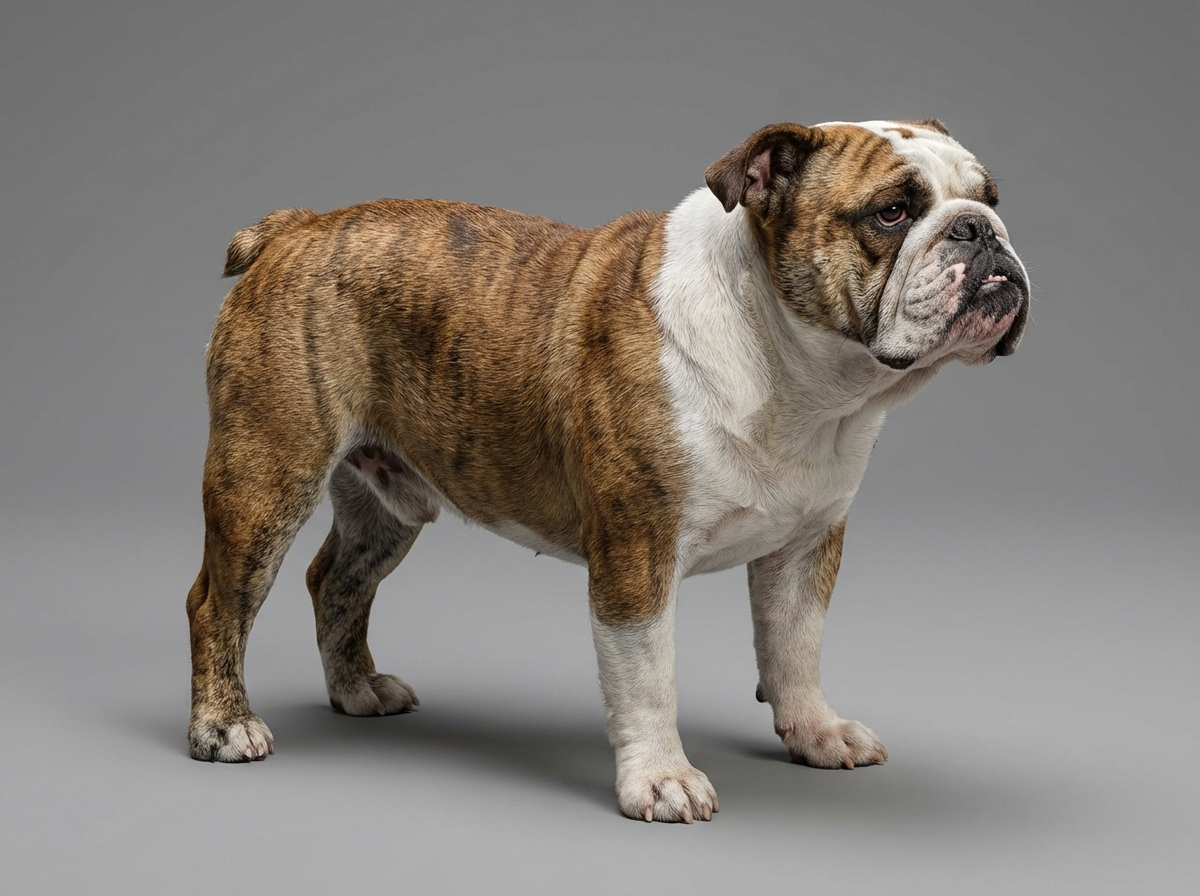
Bulldogs (English) are prone to small nostrils, known as stenotic nares, which can lead to breathing issues. This condition is not just a cosmetic concern; it can affect your dog's quality of life. (Bulldog (English) small nostrils (stenotic nares))

Owners of Bulldogs (English) often face challenges related to their dog's breathing. Individuals who live in warmer climates or those who want an active lifestyle with their dogs may find managing this issue particularly important.

Important reminder

This guide is not medical advice. If your dog shows pain, sudden behavior change, or worsening symptoms, consult a licensed veterinarian.

Some links may be affiliate links. We may earn a commission at no extra cost to you. We only suggest products we believe are helpful for dog owners.

What this problem looks like

Bulldogs (English) often experience small nostrils, known as stenotic nares, which can lead to breathing difficulties. This condition is common in Bulldogs due to their unique facial structure. Owners may notice their dog struggling to breathe, especially during exercise or in hot weather.

Common triggers

  • Hot or humid weather
  • Exertion during playtime
  • Allergies or respiratory irritants

Stenotic nares are quite common in Bulldogs, affecting many individuals in this breed. Because of their brachycephalic nature, it's essential for owners to be aware of this issue and monitor their dog's breathing closely.

Why this happens

Breed factors

Bulldogs (English) are brachycephalic, meaning they have short snouts and flat faces. This breed characteristic leads to smaller nostrils, known as stenotic nares, which can cause breathing difficulties. The structure of their skull can restrict airflow, leading to increased respiratory issues.

Environment factors

Environmental factors can also play a role in exacerbating breathing problems. Heat and humidity are particularly challenging for Bulldogs, as they struggle to cool down effectively. Stressful situations or vigorous exercise can further impact their breathing due to their anatomical limitations.

What you can try

At-home strategies

  • Create a cool environment by keeping your home air-conditioned during hot weather. This helps reduce heat stress and makes breathing easier for your Bulldog.
  • Monitor your Bulldog's weight. Obesity can worsen breathing issues, so maintaining a healthy diet and regular exercise is vital.
  • Introduce calm, short walks instead of vigorous exercise. Gradually increase the duration of these walks to enhance their stamina without overexertion.

When to consider a trainer

If your Bulldog shows signs of anxiety or distress during walks or while playing, consider consulting a trainer. A professional can provide techniques to help manage their behavior and improve their comfort level in various situations.

When to talk to your vet

If you notice persistent coughing, wheezing, or difficulty breathing, it's essential to talk to your vet. They can guide you on whether medical intervention is required or if surgery might be necessary to correct the stenotic nares.

Realistic expectations

Expect to see improvements within a few weeks to a few months, depending on the severity of your Bulldog's condition and the consistency of your training methods.

Success means your Bulldog can breathe more easily, engages in normal activities without distress, and shows reduced signs of anxiety or discomfort related to breathing.

Mistakes that make this worse

Avoiding common pitfalls can help your Bulldog (English) breathe easier. Here are some mistakes to steer clear of, along with better alternatives.

  • Ignoring Symptoms: Many owners overlook signs of breathing trouble, thinking it's normal. Monitor your Bulldog for any signs of distress and consult your vet if you notice wheezing or excessive panting.
  • Overexerting Your Dog: Bulldogs can struggle with exercise due to breathing issues. Instead of long walks, opt for short, gentle play sessions to keep them active without overexertion.
  • Not Considering Weather: Bulldogs are sensitive to heat. On hot days, avoid outdoor activities and keep them cool indoors to prevent respiratory distress.
  • Delaying Vet Visits: Some owners wait too long to address breathing problems. Early intervention is key; schedule regular check-ups to catch any issues quickly.
  • Using Punitive Training Methods: Training should be positive and encouraging. Instead of scolding for breathing difficulties, reward your Bulldog for calm behavior to promote a stress-free environment.
  • Neglecting Weight Management: Extra weight can worsen breathing issues. Maintain a healthy diet and exercise routine to help your Bulldog stay fit and ease their breathing.
  • Ignoring Environmental Changes: Changes at home can stress a Bulldog. Keep their environment stable and calm, especially during transitions, to help reduce anxiety-related breathing problems.

When Bulldog (English) Small Nostrils (Stenotic Nares) Are an Emergency

Recognizing when Bulldog (English) small nostrils (stenotic nares) become an emergency is crucial for your pet's health. There are clear signs that indicate you should contact your veterinarian immediately. If your Bulldog is struggling to breathe, making unusual noises while breathing, or exhibiting severe lethargy, these are red flags.

Additionally, if they collapse or show signs of extreme distress, these situations warrant urgent care.

In contrast, if your Bulldog occasionally snorts or has mild difficulty breathing during exercise, it may be manageable. Monitor their breathing and keep a close eye on their activity levels. If they seem fine between episodes and can engage in light activities, it's likely safe to wait and see.

However, it's essential to keep track of any changes in their behavior or breathing patterns, and consult your vet if you notice anything concerning.

Maggie's Journey with Max the Bulldog

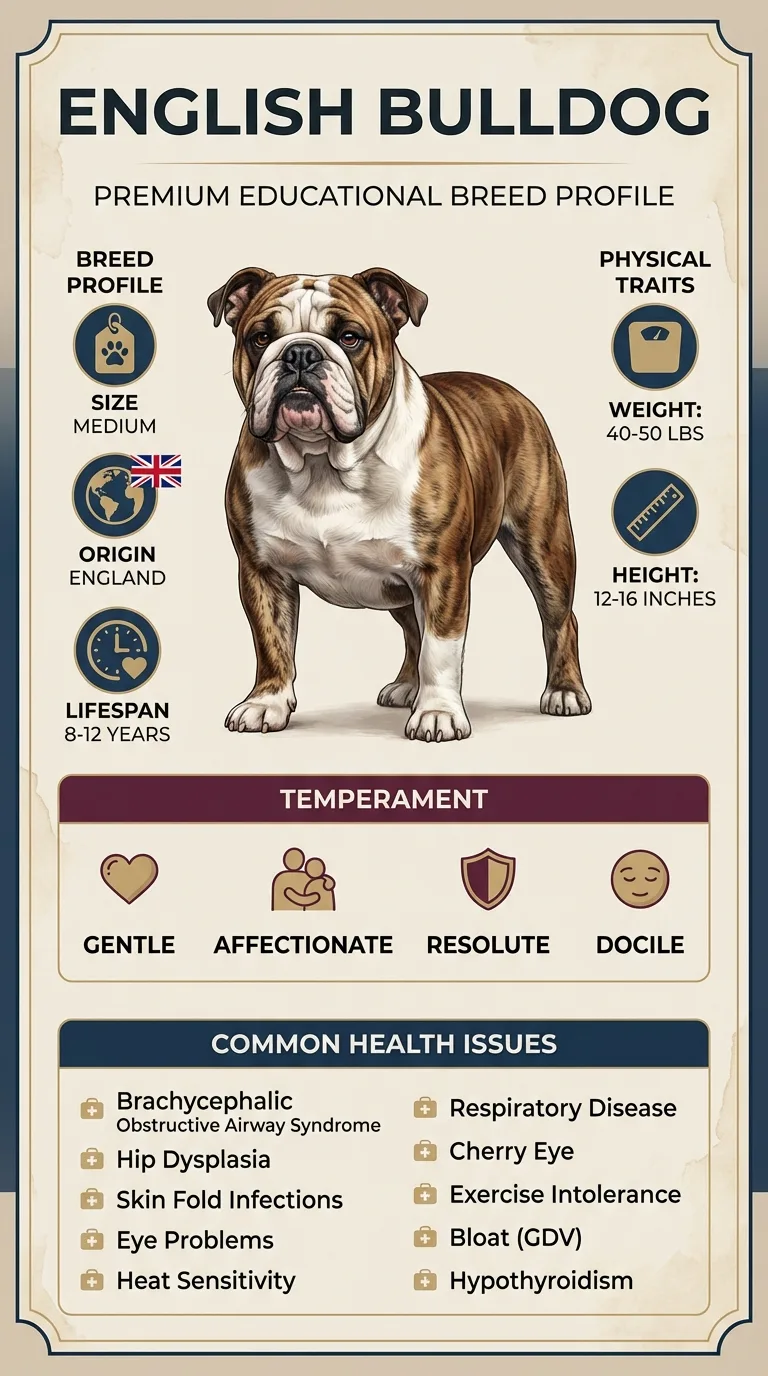
Maggie, a first-time dog owner in Denver, noticed her English Bulldog Max struggled to breathe, especially during walks. Concerned, she consulted her vet and learned he had small nostrils, known as stenotic nares. With guidance, Maggie implemented breathing exercises and trained Max to stay calm during walks. Over time, Max became more active and playful, enjoying his outings without the previous struggles. Maggie felt relieved seeing her pup thrive again.

Key takeaway: With proper training and care, Bulldogs with small nostrils can lead happier, healthier lives.

Frequently asked questions

Why does my Bulldog (English) have small nostrils (stenotic nares)?

Bulldogs (English) often have small nostrils due to their brachycephalic (short-nosed) structure. This physical trait can cause breathing issues, especially during heat or exercise. It's important to monitor your dog for any signs of distress. This answer relates to Bulldog (English) small nostrils (stenotic nares).

How can I help my Bulldog (English) with small nostrils (stenotic nares)?

To help your Bulldog, keep them cool and avoid strenuous activities, especially in hot weather. Consult your veterinarian for potential surgical options that can improve airflow. Regular check-ups are crucial for managing their breathing.

What are the signs of breathing problems in Bulldogs (English)?

Look for excessive panting, snoring, or difficulty breathing during exercise. Your Bulldog might also show signs of fatigue or distress in hot conditions. If you observe these symptoms, consult a veterinarian promptly.

Can training help with my Bulldog's (English) breathing issues?

While training won't fix the structural issue, teaching relaxation techniques can help reduce anxiety related to breathing. Teaching your Bulldog to remain calm can make a big difference during stressful situations. Consider obedience classes tailored for brachycephalic breeds.

Are Bulldogs (English) with small nostrils (stenotic nares) more expensive to care for?

Yes, Bulldogs often have higher health care costs due to their breathing difficulties and related issues. Monthly expenses can range between $150 and $350, with significant medical costs in the first year. Be prepared for potential veterinary visits.

What should I do if my Bulldog (English) seems to have trouble breathing?

If your Bulldog (English) is struggling to breathe, it's crucial to seek veterinary help immediately. Breathing difficulties can escalate quickly, especially in brachycephalic breeds like Bulldogs.

Can Bulldogs with small nostrils (stenotic nares) still lead a comfortable life?

Yes, many Bulldogs with small nostrils can live comfortably with proper care. However, they may need lifestyle adjustments to avoid overheating and excessive exertion.

Are there any training tips to help my Bulldog (English) with breathing issues?

Training can help your Bulldog (English) remain calm and reduce anxiety, which may improve breathing. Positive reinforcement methods can be effective, but consult with a professional trainer familiar with brachycephalic breeds.

How can I tell if my Bulldog (English) has stenotic nares?

Signs of stenotic nares include noisy breathing, snoring, or excessive panting. If you notice any of these symptoms, it's best to consult your vet for a thorough examination.

What long-term care do Bulldogs with small nostrils (stenotic nares) require?

Long-term care for Bulldogs with stenotic nares involves regular vet check-ups to monitor breathing and overall health. Maintaining a cool environment and avoiding strenuous activities are also important.

Quick answers

View more answers
Behavior

What are quick tips for Bulldogs (English) with small nostrils (stenotic nares)?

Keep your Bulldog cool and avoid exercise in hot weather. Regular vet check-ups are essential to monitor their breathing. Training for relaxation can also be beneficial.

Health

How often should I take my Bulldog (English) to the vet?

Regular vet visits every six months are recommended to ensure your Bulldog's health. This is especially important for monitoring breathing issues.

Living

What should I feed my Bulldog (English) to support their health?

Provide a balanced diet formulated for medium breeds. Avoid overfeeding to prevent obesity, which can worsen breathing problems.

Health

What are the common health issues for Bulldogs (English)?

Common health issues include respiratory diseases, skin fold infections, and hip dysplasia. Being aware of these can help in early detection and treatment.

Related DogBreedCompass guides

  • Bulldog (English) small nostrils (stenotic nares) trainingLearn how to manage your Bulldog's breathing issues and improve their quality of life.
  • Bulldog (English) separation anxiety guideIf your Bulldog struggles with anxiety, this guide can help.
  • Bulldog (English) behavior problemsExplore common behavior problems that Bulldogs face and how to address them.
  • Bulldog (English) cost breakdownUnderstand the costs associated with owning a Bulldog, including health issues.
  • Is a Bulldog (English) suitable for apartments?Discover if a Bulldog is the right fit for your lifestyle and living situation.

Related guides